THE ADVENTURE COLLECTIVE® · Independent discovery and booking for outdoor travel

Drive the desert between Aswan and Abu Simbel to stand beside Ramses II’s colossal rock-cut temples, then pivot to 20th-century engineering at the Aswan High Dam. This private day trip pairs ancient artisanship with modern hydroelectric power, all across a roughly 9–10 hour itinerary.
Drive the desert between Aswan and Abu Simbel to stand beside Ramses II’s colossal rock-cut temples, then pivot to 20th-century engineering at the Aswan High Dam. This private day trip pairs ancient artisanship with modern hydroelectric power, all across a roughly 9–10 hour itinerary.
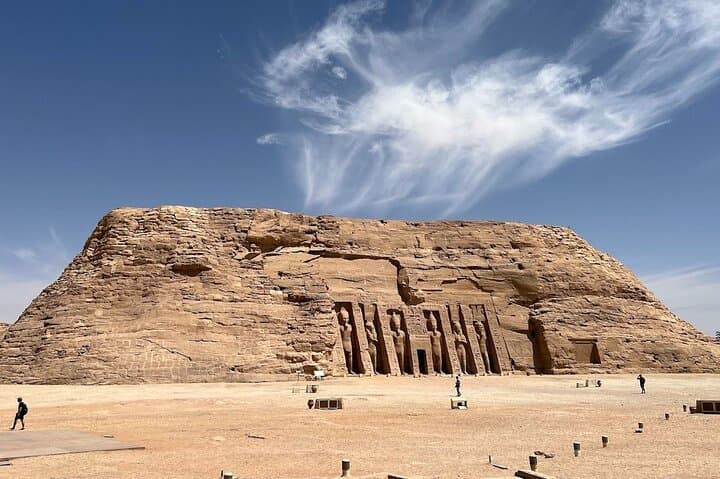
You arrive before sunrise, the road between Aswan and Abu Simbel unfolding like a ribbon across ochre desert. Headlights cut a luminous path; the silhouette of four sitting colossi gradually resolves into carved stone at the lip of dawn. The air tastes dry, the road hums, and the temples themselves demand a slower pace: eyes on reliefs, hands shading hieroglyphs.
Verified experiences and guided adventures in the surrounding area.
Operated by Eyes of Egypt · Aswan, Aswan Governorate
You arrive before sunrise, the road between Aswan and Abu Simbel unfolding like a ribbon across ochre desert. Headlights cut a luminous path; the silhouette of four sitting colossi gradually resolves into carved stone at the lip of dawn. The air tastes dry, the road hums, and the temples themselves demand a slower pace: eyes on reliefs, hands shading hieroglyphs.
The story spans three millennia. Ramses II ordered the Abu Simbel temples into bedrock in the 13th century BCE, their facades aligned with the sun on key dates. In the 1960s, the construction of the Aswan High Dam created Lake Nasser and triggered an unprecedented international salvage operation that cut and reassembled Abu Simbel block by block—an engineering feat that mirrors the scale of the dam itself.
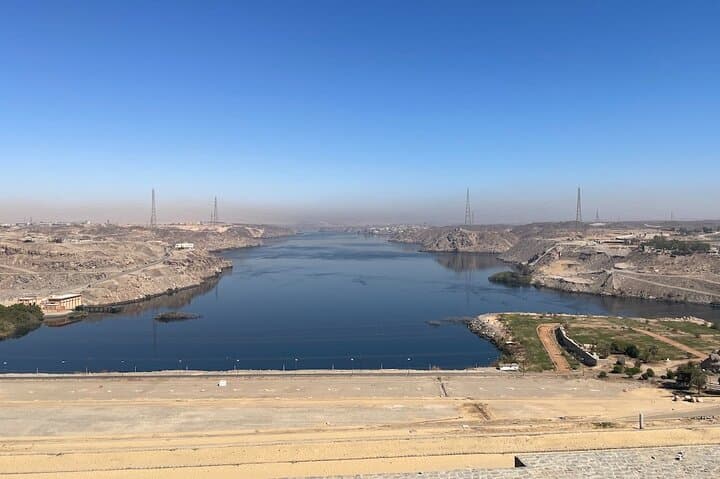
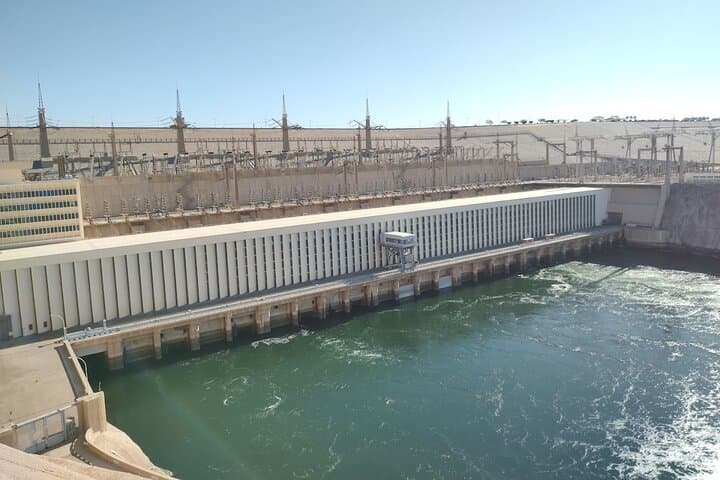
Geology here is immediate: layered sandstone at Abu Simbel gives way to the massive concrete-and-granite structure of the High Dam, which controls the Nile’s flood pulse and generates hydroelectric power. Local Nubian culture still colors Aswan—markets, boatmen, and simple riverside life—while modern infrastructure hums in the background.
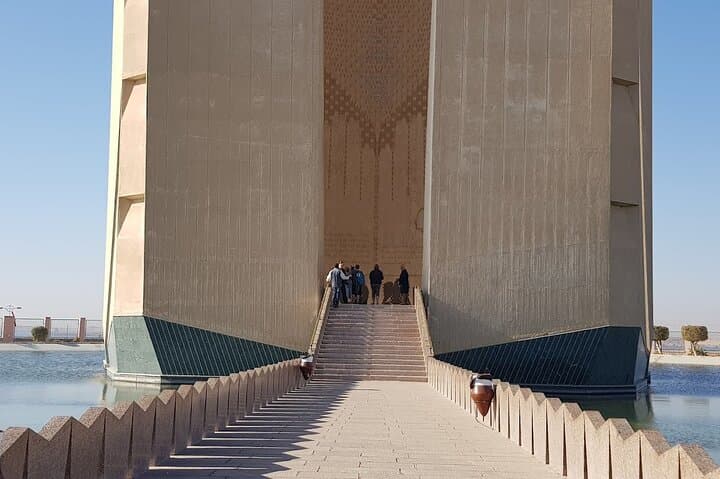
Plan for a long, private day: expect roughly 280 km (175 miles) each way and a total outing of 9–10 hours. Bring sun protection, plenty of water, and a camera with extra batteries; light inside the temples can be dim and the best photographs come in low-angle morning light. Purchase entrance tickets in advance when possible, and budget time for the Scarpa-style engineering explanations at the High Dam. Mobility-friendly transport and private guides make this a controlled, intensely visual day that pairs ancient craft with 20th-century industry.
easy.
9–10 hours.
Suitable for travelers in basic fitness—mostly seated transfers with short, flat walks at sites.
The road distance is roughly 280 km (175 miles) and takes about 3 hours each way without extended stops.
Some packages include entrance to Abu Simbel and the High Dam; check your booking details and consider reserving tickets in advance for peak season.
Many operators provide wheelchair-accessible transport and reduced walking around the sites, but confirm accessibility details and transfer assistance when booking.
October to April offers cooler temperatures and clearer skies; summer is very hot and requires strict sun precautions.
Abu Simbel was carved under Ramses II in the 13th century BCE and was relocated in the 1960s to save it from Lake Nasser; the Aswan High Dam itself was completed in 1970.
Tourism is managed to protect fragile reliefs and rock surfaces; the dam changed sediment flow and ecology downstream, prompting ongoing conservation and study efforts.
Eyes of Egypt operates guided outdoor trips and adventures with an emphasis on safety, stewardship, and memorable experiences.
You arrive before sunrise, the road between Aswan and Abu Simbel unfolding like a ribbon across ochre desert. Headlights cut a luminous path; the silhouette of four sitting colossi gradually resolves into carved stone at the lip of dawn. The air tastes dry, the road hums, and the temples themselves demand a slower pace: eyes on reliefs, hands shading hieroglyphs.
You arrive before sunrise, the road between Aswan and Abu Simbel unfolding like a ribbon across ochre desert. Headlights cut a luminous path; the silhouette of four sitting colossi gradually resolves into carved stone at the lip of dawn. The air tastes dry, the road hums, and the temples themselves demand a slower pace: eyes on reliefs, hands shading hieroglyphs.
The story spans three millennia. Ramses II ordered the Abu Simbel temples into bedrock in the 13th century BCE, their facades aligned with the sun on key dates. In the 1960s, the construction of the Aswan High Dam created Lake Nasser and triggered an unprecedented international salvage operation that cut and reassembled Abu Simbel block by block—an engineering feat that mirrors the scale of the dam itself.
Geology here is immediate: layered sandstone at Abu Simbel gives way to the massive concrete-and-granite structure of the High Dam, which controls the Nile’s flood pulse and generates hydroelectric power. Local Nubian culture still colors Aswan—markets, boatmen, and simple riverside life—while modern infrastructure hums in the background.
Plan for a long, private day: expect roughly 280 km (175 miles) each way and a total outing of 9–10 hours. Bring sun protection, plenty of water, and a camera with extra batteries; light inside the temples can be dim and the best photographs come in low-angle morning light. Purchase entrance tickets in advance when possible, and budget time for the Scarpa-style engineering explanations at the High Dam. Mobility-friendly transport and private guides make this a controlled, intensely visual day that pairs ancient craft with 20th-century industry.