THE ADVENTURE COLLECTIVE® · Independent discovery and booking for outdoor travel

Drive south from Aswan and spend a day among the colossal faces of Ramses II and the intimate carvings of Nefertari. This private tour pairs door-to-door transfer with expert interpretation and a relaxed pace for photography and close study.
Drive south from Aswan and spend a day among the colossal faces of Ramses II and the intimate carvings of Nefertari. This private tour pairs door-to-door transfer with expert interpretation and a relaxed pace for photography and close study.
The road south from Aswan flattens into ochre desert and then peters out against the rising silhouettes of Abu Simbel's cut stone façades. By the time the vehicle brakes, the air smells of sun-warmed sandstone and diesel; the colossal faces of Ramses II look down like guardians that have seen millennia pass.
Verified experiences and guided adventures in the surrounding area.
Operated by Egypt Cheap Holiday · Abu Simbel, Aswan Governorate
The road south from Aswan flattens into ochre desert and then peters out against the rising silhouettes of Abu Simbel's cut stone façades. By the time the vehicle brakes, the air smells of sun-warmed sandstone and diesel; the colossal faces of Ramses II look down like guardians that have seen millennia pass.
Carved in the 13th century BCE, the twin temples—Ramses II's Great Temple and Nefertari's smaller Temple of Hathor—are iconic examples of New Kingdom ambitions and religious cosmology. Geologically, the site sits on a sandstone plateau overlooking Lake Nasser, and in the 1960s an international relocation project lifted and reassembled the temples to save them from the dam's rising waters, an early global conservation milestone.
Culturally, your guide will frame sculptures and hieroglyphs against the politics of pharaonic Egypt and modern Nubian resettlement, connecting stone to people. Expect clear, wide plazas, steep steps into cool inner sanctuaries, and bright desert light that plays across reliefs.
Practical guidance: the trip is a long day—roughly three hours each way from Aswan—so start early, carry sun protection, and plan to walk on uneven stone and compacted sand. Photography is permitted but follow any onsite restrictions and respect conservation signage. Hotel pickup and private AC transport make logistics simple; bring water, light layers for sudden shade in interior chambers, and patience for security and ticket checks. This tour is low-impact physically but high in historical and photographic payoff—ideal for travelers who want depth without the drive hassle.
easy.
9–10 hours.
Light fitness required—able to walk short distances on uneven stone and stand for guided interpretation.
Yes—admission to the temples is included on this private tour as noted in the itinerary.
Expect about three hours each way along well-maintained roads; the total trip is roughly 9–10 hours including time at the temples.
Yes—infant seats and stroller access are available, but plan for the long transfer and midday heat when traveling with young children.
This tour is not recommended for travelers with serious spinal injuries or those in late-stage pregnancy due to uneven walking surfaces and long transfer times.
The temples were carved under Ramses II in the 13th century BCE and famously relocated in the 1960s to save them from flooding caused by the Aswan High Dam.
The relocation was an early international conservation effort; visitors should follow signs, avoid touching reliefs, and support local guides and communities when possible.
Egypt Cheap Holiday operates guided outdoor trips and adventures with an emphasis on safety, stewardship, and memorable experiences.


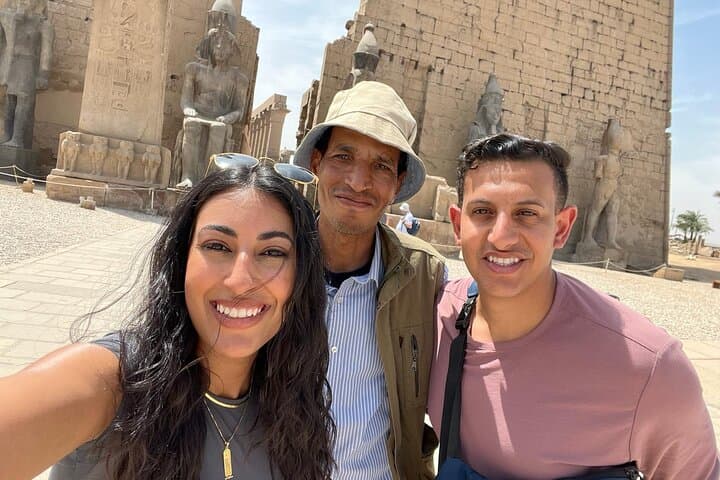

The road south from Aswan flattens into ochre desert and then peters out against the rising silhouettes of Abu Simbel's cut stone façades. By the time the vehicle brakes, the air smells of sun-warmed sandstone and diesel; the colossal faces of Ramses II look down like guardians that have seen millennia pass.
The road south from Aswan flattens into ochre desert and then peters out against the rising silhouettes of Abu Simbel's cut stone façades. By the time the vehicle brakes, the air smells of sun-warmed sandstone and diesel; the colossal faces of Ramses II look down like guardians that have seen millennia pass.
Carved in the 13th century BCE, the twin temples—Ramses II's Great Temple and Nefertari's smaller Temple of Hathor—are iconic examples of New Kingdom ambitions and religious cosmology. Geologically, the site sits on a sandstone plateau overlooking Lake Nasser, and in the 1960s an international relocation project lifted and reassembled the temples to save them from the dam's rising waters, an early global conservation milestone.
Culturally, your guide will frame sculptures and hieroglyphs against the politics of pharaonic Egypt and modern Nubian resettlement, connecting stone to people. Expect clear, wide plazas, steep steps into cool inner sanctuaries, and bright desert light that plays across reliefs.
Practical guidance: the trip is a long day—roughly three hours each way from Aswan—so start early, carry sun protection, and plan to walk on uneven stone and compacted sand. Photography is permitted but follow any onsite restrictions and respect conservation signage. Hotel pickup and private AC transport make logistics simple; bring water, light layers for sudden shade in interior chambers, and patience for security and ticket checks. This tour is low-impact physically but high in historical and photographic payoff—ideal for travelers who want depth without the drive hassle.