
Winter Park adventure guide
Find your way into Winter Park.
High-alpine mornings and river afternoons define Winter Park. Here, chairlift-accessed ridgelines give way to singletrack and summer alpine meadows; come winter, the resort’s lifts and Mary Jane’s steeps draw skiers and snowboarders from across the Front Range. In the valley, the Fraser and Colorado rivers thread fishing holes and raft put-ins while a compact town center lets you trade gear time for a coffee and a local beer. Use this guide to mix winter-activities—ski, snowmobile, and guided sightseeing—with summer pursuits like hiking, rafting, and bike-tour options.
Three ways into the city
Pick a landscape. Build a day around it.
Winter Park is less a single destination than a collection of neighboring worlds. Start with the version of the city that matches your pace, then use the ranked guide below to fill in the details.
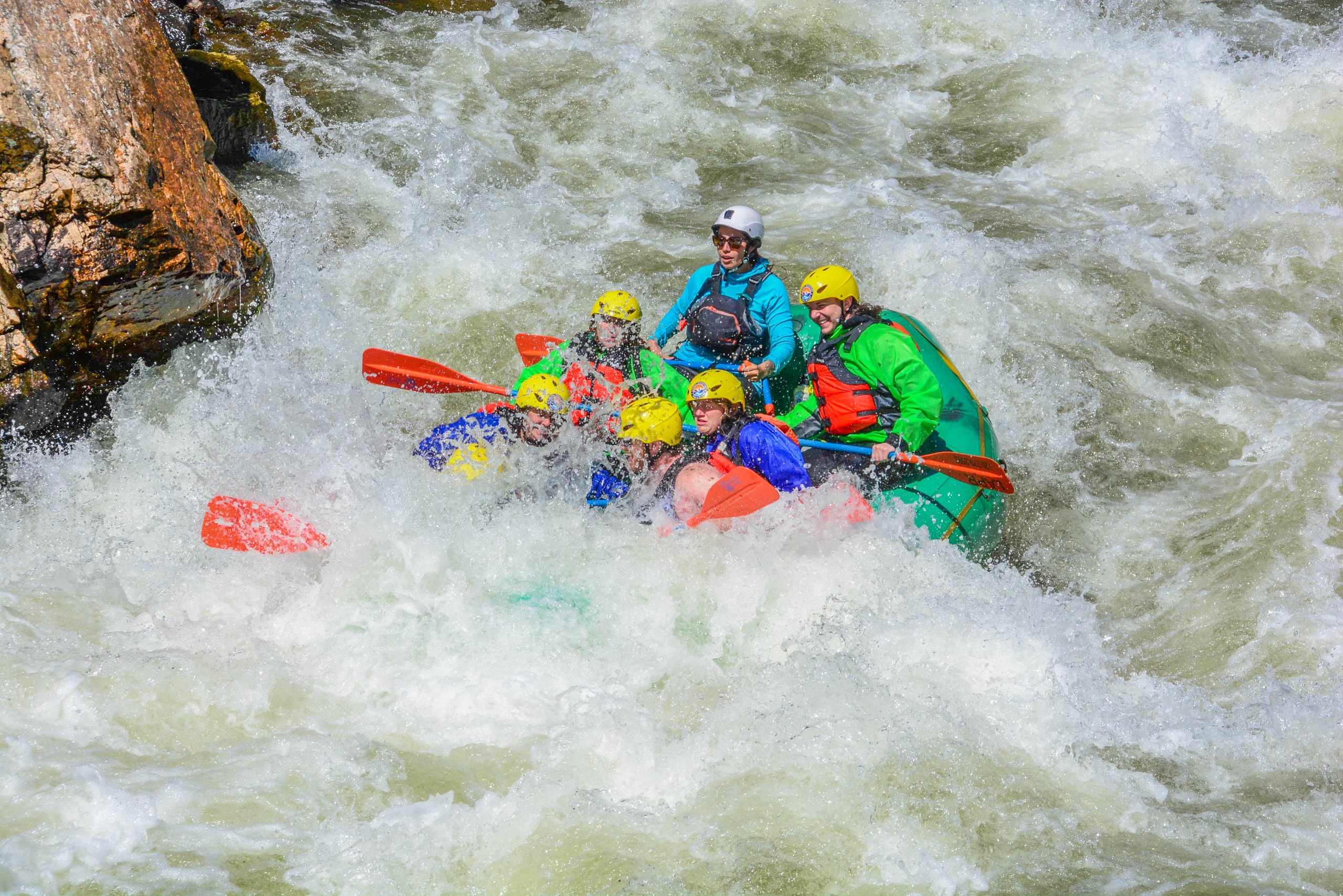
Begin where the city meets the sea.
Surf breaks, sheltered harbors, whale routes, and long beach paths make the coast LA’s most immediate outdoor playground.
Explore water activities →
Let a local connect the landmarks.
Use a guided city, walking, or sightseeing tour to turn LA’s sprawl into a coherent story.
Explore walking tour →
Ride the coast and the city.
Beach paths, river corridors, e-bikes, and ridge climbs reveal a more connected Los Angeles.
Explore bike rental →Choose your way into Winter
The top 15 Winter Park adventures.
Ranked by the number of currently listed trips. Each panel opens the complete local activity collection.
1Walking Tour
Winter Park’s walking tours compress alpine contrasts into a few unhurried miles: powdery, pine-framed streets of a ski village give way to river corridors and meadow-edge paths where summer wildflowers and aspen stands brighten the route. Whether you join a guided history stroll across town, a food-and-brewery crawl on Main Street, or a riverside interpretive walk along the Fraser River Trail, these tours decode the region’s mountain culture—its rail and resort history, outdoor-industry roots, and the seasonal rhythms that shape life at high elevation.
Explore walking tour → 2
2Hiking
Framed by high alpine ridges and forested valleys, Winter Park is a hiking destination of contrasts: short, scenic loops that unfurl beside rivers and aspen groves sit alongside high-elevation traverses where tundra, lakes, and panoramic summits rule. This guide pairs evocative trail storytelling with practical planning for day hikes, peak-bagging, and family-friendly loop options within easy reach of town.
Explore hiking →3Water Activities
Winter Park’s water scene squeezes the wide, slow mirror of alpine lakes and the quicksilver rush of mountain rivers into a single high-country playground. From sunlit mornings on still water to adrenaline-sparked afternoons running river seams, this guide focuses on paddling, rafting, and fishing experiences that make Winter Park a summer destination for water lovers and a gateway to complementary adventures—hiking to lake shores, fishing secluded creeks, or finishing a day soaked with a soak at nearby hot springs.
Explore water activities → 4
4Fishing
High mountain streams, pocket lakes tucked beneath fir and aspen, and broad high-country reservoirs shape Winter Park’s fishing identity. Anglers come for the technical dance of nymph rigs in clear riffles and the quiet satisfaction of sight-fishing wary trout from a drift boat. Whether you’re wading the Fraser’s riffles, casting from a lakeshore as sunlight picks out rising fish, or hiking into an alpine tarn, Winter Park condenses Colorado’s headwaters fishing into a compact, accessible playground.
Explore fishing → 5
5Climbing
Perched above 9,000 feet and framed by jagged crests, Winter Park is where high-country alpine routes meet approachable crags. Climbers come for short single-pitch sport climbs and boulder problems close to town, and stay for steep multi-pitch faces and alpine ridgelines a short drive away. This guide focuses squarely on climbing in Winter Park—how to plan for altitude, where to find the best rock for your level, seasonal hazards, and complementary mountain pursuits to round out a climbing trip.
Explore climbing → 6
6Winter Activities
Winter Park unfolds as a layered winter playground: long groomed runs and tight glades at the resort, backcountry meadows framed by lodgepole pines, and a small-town base with easy access to Nordic tracks, fat-bike trails, and snowmobile country. This guide focuses solely on winter activities—downhill skiing and snowboarding, backcountry touring and ski mountaineering, cross-country and skate skiing, snowshoeing, fat-biking, ice climbing, sledding and tubing, and guided snowmobile and sleigh experiences—so you can plan an immersive cold-season trip that balances adrenaline and quiet snowy solitude.
Explore winter activities → 7
7Ski
High-altitude powder, classic Colorado bump runs, and a compact town-to-resort rhythm make Winter Park a focused ski destination. This guide breaks down the inbounds variety—from cruisers and groomers to tight tree runs and gladed terrain—plus Nordic options, backcountry approaches, and practical planning notes so you can turn crisp mountain mornings into a full winter-day itinerary.
Explore ski →8Bike Rental
Winter Park's bike rental scene is a compact, high-elevation gateway to lift-served downhill, flowy singletrack, gravel backroads, and winter fat-biking. Rent what you need here—full-suspension park rigs to e-bikes—and spend your day exploring alpine meadows, river valley trails, or the adrenaline of a purpose-built bike park.
Explore bike rental → 9
9Bus Tour
Bus tours in Winter Park fold the high-country panorama into an accessible, low-effort way to experience the Rockies: narrated valley drives, ski-area shuttles, wildlife safaris, and seasonal scenic loops that trace the Continental Divide. These trips are as practical as they are picturesque—ideal for travelers who want alpine views without the driving, groups coordinating multi-stop itineraries, and visitors seeking local context from guides who know the valley's weather, history, and wildlife.
Explore bus tour → 10
10Snowmobile
Winter Park's high-elevation bowls, wide-open meadows, and forested valley approaches form a compact playground for snowmobiling. From groomed trail systems that weave through lodgepole pines to steep, wind-sculpted ridge runs that flirt with the Continental Divide, the area delivers confident blast-and-glide days for new riders and technical winter backcountry for experienced pilots. This guide focuses on where to ride, how to plan—but also how to savor the alpine silence between runs.
Explore snowmobile → 11
11Sightseeing Tour
Perched where the valley opens to the high country, Winter Park condenses Rocky Mountain grandeur into easily digested vistas, alpine lakes, and rails-and-roads routes that reward curiosity with little need for technical gear. This guide focuses on sightseeing tours—scenic lifts and overlooks, village walking tours, guided wildlife and photography drives, and short alpine excursions—that let travelers sample the mountain mood in hours rather than full days. Think golden aspen corridors in fall, crystalline alpine light in summer, and low-angle winter sun that makes snowfields glow—sightseeing here is as much about the light as the land.
Explore sightseeing tour → 12
12Bike Tour
Framed by high alpine ridgelines and a network of river-bottom trails, Winter Park is a compact yet richly varied bike-tour destination. From mellow riverside cruises perfect for families to high-country singletrack that feeds the adrenaline of experienced riders, the area combines lift-access riding, self-guided road routes, and multi-day backcountry approaches. This guide focuses on bike tours—both paved and off-road—helping you choose the right route, season, and kit for an unforgettable two-wheeled visit.
Explore bike tour → 13
13City Tour
Winter Park's city tours are an intimate collision of mountain culture and small-town charm—where ski-bagged visitors swap lift lines for brewery patios, and historic railways meet modern adventure outfitters. These curated walks, bike loops, and themed tours unwrap the town's alpine character: timber-frame lodges, riverside public art, local coffee roasters, and a year-round calendar of festivals. Whether you want a brisk winter stomp beneath string lights or a summer e-bike loop that pairs craft beer with river views, Winter Park's city-tour scene is compact, walkable, and easily paired with nearby trail-based adventures.
Explore city tour → 14
14Eco Tour
Winter Park’s high-alpine backdrop and broad river valley create a surprisingly rich classroom for eco tours. From interpretive wetland walks along the Fraser River to alpine-plant tours above treeline and river-restoration outings that trace the town’s conservation work, eco tours here blend clear, practical learning with immersive landscape moments. These guided experiences suit everyone from families seeking a gentle nature walk to naturalists logging species for citizen science.
Explore eco tour →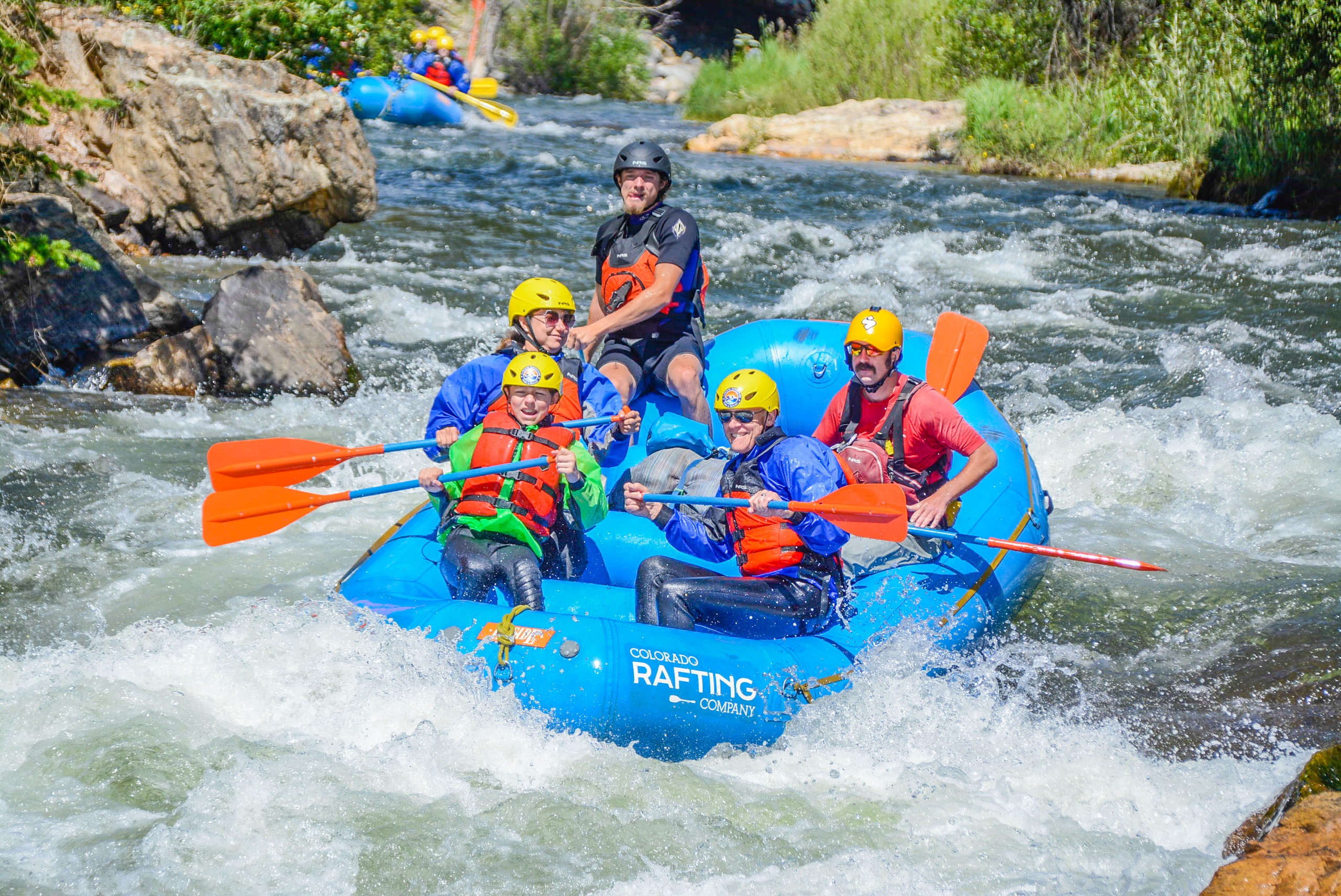 15
15Rafting
Winter Park is compact, alpine, and improbably river-rich—an outpost where high-elevation snowmelt funnels into fast, clear runs that suit both family floats and adrenaline-charged commerce. Rafting here is as much about the surrounding high-country—aspens, granite outcrops, and the scent of pine—as it is about the water. Expect short drives from town to launch sites, river choices that scale from mellow to fierce, and a season that pulses with runoff-driven variety.
Explore rafting →The city and the sea
Why Winter Park Deserves a Spot on Your Adventure Itinerary
Variety without surrendering the day to long transfers.
Wind a road over Berthoud Pass and Winter Park arrives like an alpine promise: open skies, tundra grasses dusted with wildflowers in summer, and avalanche-sculpted cornices in winter. The town’s passport is its variety. Lift-served terrain at Winter Park Resort and Mary Jane satisfies skiers and snowboarders looking for steep laps and tight glades; those same lifts become access points to high summer trails, where hikers can stitch together ridge walks and wildflower bowls without a long approach. But Winter Park is more than resort statistics. The valley is threaded by the Fraser and Colorado—clear, cold rivers that anchor a raft-and-fish culture. Local outfitters stage guided rafting trips, supply fly-fishing half-days, and assemble snowmobile tours when the season turns white. For the traveler who wants to swap a climbing pitch for a guided eco tour, or a long backcountry day for a relaxed city tour of local breweries, Winter Park scales to the desire. Walking tours and city-tour options offer an easy morning for non-riders, while bike-rental and bike-tour businesses let you sample alpine bike paths and paved scenic loops. Arrive in any season and you’ll find movement: joggers along the river walk, skiers queuing lifts at dawn, anglers wading riffles. The area’s history—ranching, rail, and powder—feels present in the architecture and the rhythms of seasonal life. That balance of accessibility and wildness is Winter Park’s enduring appeal. Whether you’re planning a family weekend, a technical climbing trip, a week of ski laps, or a summer of multi-sport exploring, Winter Park lets you stack experiences without forfeiting the landscape’s hush. This guide blends practical planning—what to bring, best months, and sample itineraries—with immersive description so you can feel the mountain air before you lock in travel plans.
Outfitters make access easy: shuttles, guided raft and fishing trips, and rental fleets for bikes and snowmobiles mean you can test something new without owning gear. Local guides also know seasonal hazards—spring runoff, fall closures, and winter avalanche dynamics—so hiring expertise when you’re pushing into technical terrain is a wise trade-off.
Winter Park pairs outdoor ambition with small-town amenities. Post-adventure coffee, mountain pubs, and local eateries make for low-friction downtime, and lodging ranges from slope-side condos to cozy cabins in Fraser. Shoulder seasons—late spring and early fall—often reward early risers with solitude on trails and value pricing on stays.
Conditions shape the day
The best time to visit Winter Park.
Summer brings long, warm days ideal for hiking, mountain biking, rafting, and fishing; afternoon thunderstorms are common—schedule high-elevation hikes in the morning. Winter months deliver consistent snowfall for skiing and snowmobiling but expect cold temps and wind on exposed ridges.
Best all-around window
Spring + fall
Comfortable mixed-itinerary weather, thinner crowds at beaches and lookouts, and more room to improvise.
Beach season
Winter holiday weeks and mid-summer weekends draw the biggest crowds; book lodging and guided outings well in advance for December–March and July–August.
Surf + whales
Late spring and early fall are quieter, with good deals on lodging and open trails for hiking and sightseeing.
Coast to inland
Cool marine mornings often give way to warmer inland afternoons and breezy evenings.
Beginner
Short, well-marked trails, mellow river floats, and lift-served beginner ski zones are perfect for first-timers and families.
- Guided walking tour of downtown Winter Park and Fraser
- Beginner ski lessons at Winter Park Resort
- Half-day rafting on mellow stretch of the Fraser or Colorado
- Easy walkers and paved riverside paths
Intermediate
Longer ridge hikes, half-day rafting trips, moderate singletrack, and multi-sport days that mix biking and river time.
- Summer ridge hike via lift access and singletrack descent
- Guided fly-fishing half-day on the Fraser River
- Bike-tour of alpine lakes with bike rental
- Full-day rafting trips class II–III
Advanced
High-elevation, route-finding hikes, technical rock climbing, advanced whitewater, and winter backcountry requiring avalanche training and navigation skills.
- Backcountry snow tour or skin-and-ski traverse with guide
- Multi-pitch rock climbs on local crags
- Advanced rafting on higher-flow sections during spring runoff
- Long cross-country ski missions and snowmobile backcountry excursions
Field kit
What to bring.
Pack for sun, salt water, walking, and a meaningful temperature swing between coast and inland Winter.
Essential
Start here
- Layered outerwear (mountain temperatures swing quickly)
- Water bottle or hydration bladder
- Sturdy hiking shoes or boots with good traction
- Sun protection (sunglasses, SPF 30+, brimmed hat)
- Map app or offline route maps for trails and river put-ins
Water days
Keep it dry
- Light waterproof shell for sudden storms
- Trekking poles for steeper summer ascents
- Wetsuit or dry top for rafting in shoulder seasons
- Microspikes or traction devices for early/late season snow patches
Long days
Stay flexible
- Fly-fishing setup or rod rental reservation
- Action camera with helmet mount
- Compact repair kit for bike-rental days
Insider note
Start early, then keep the geography tight.
Start early to beat afternoon thunderstorms in summer and crowds in peak ski season. Book lift tickets, raft trips, and bike-rental windows ahead of weekends. If you’re fishing, check local regulations and season dates—many popular stretches require licenses and have specific seasons. After heavy rain or spring runoff, favor paved or gravel routes for bikes and postpone technical climbs until routes dry. For winter backcountry travel, take an avalanche course or hire a certified guide; even experienced skiers rely on local knowledge for safe routes. Finally, support small businesses—guides, local pubs, and gear shops—and you’ll leave the valley more prepared for your next trip.
Good to know
Frequently asked questions.
Can I do most activities without a guide?
Yes for basic hiking, walking tours, and self-guided bike rides. Hire a guide for technical climbing, whitewater rafting beyond class II–III, and backcountry winter travel where avalanche risk exists.
Is Winter Park family-friendly?
Absolutely. Gentle hikes, tubing-style water activities, easy fishing access, and beginner ski areas make Winter Park a strong family option; look for outfitters offering half-day junior programs.
How does winter travel affect access?
Winter road conditions can change quickly—carry chains if required, watch for mountain pass closures, and allow extra time between towns. Many summer access roads close seasonally; plan alternate approaches.
Ready when you are
Find the trip that fits your Winter Park day.
Compare bookable experiences across the coast, city, and mountains—then save the ones that belong in your plan.
Explore all Winter Park adventures ↗