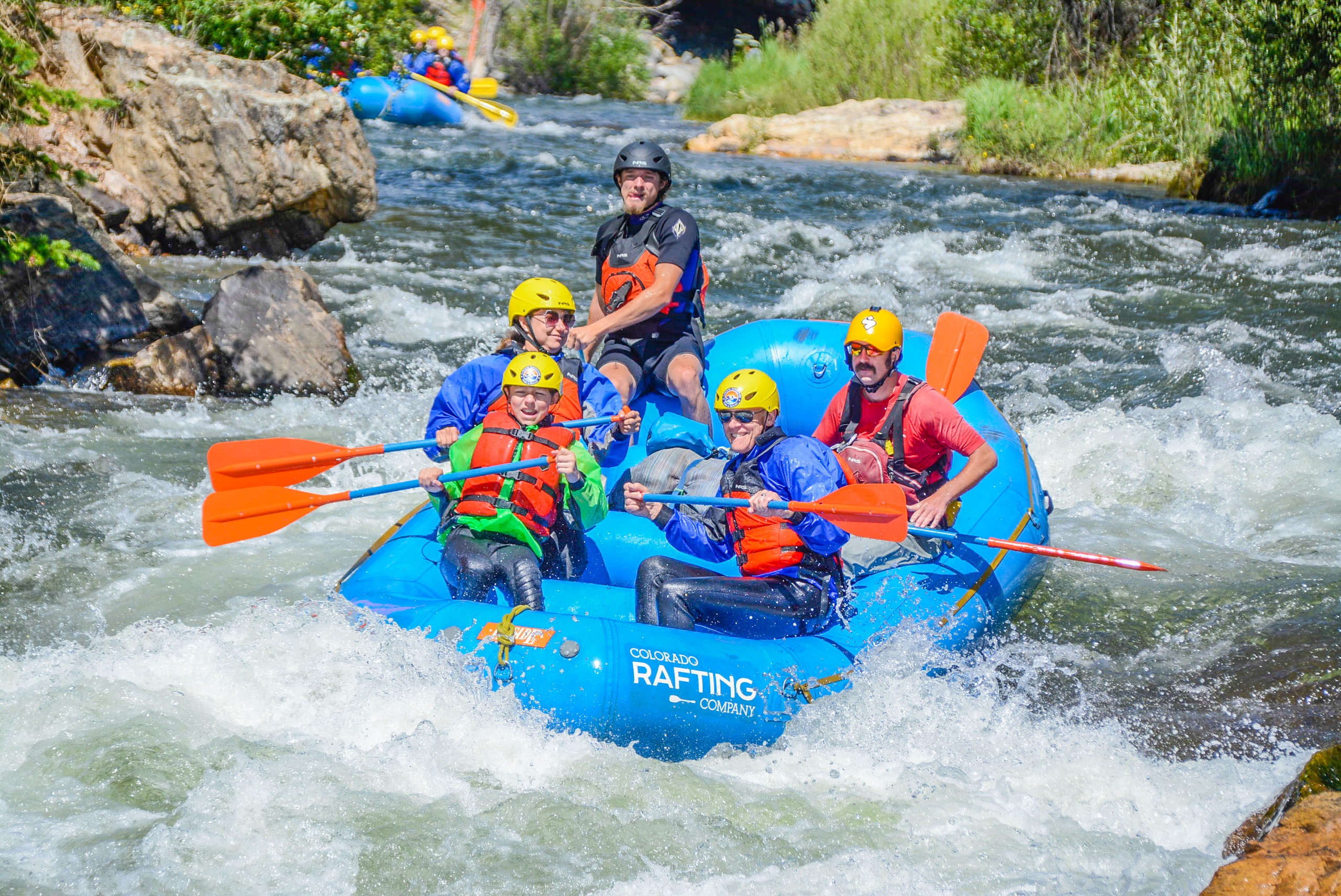
Top 8 Rafting Adventures in Winter Park, Colorado
Winter Park is compact, alpine, and improbably river-rich—an outpost where high-elevation snowmelt funnels into fast, clear runs that suit both family floats and adrenaline-charged commerce. Rafting here is as much about the surrounding high-country—aspens, granite outcrops, and the scent of pine—as it is about the water. Expect short drives from town to launch sites, river choices that scale from mellow to fierce, and a season that pulses with runoff-driven variety.
Top Rafting Trips in Winter Park
8 trips • Book with confidence • Instant confirmation
Why Winter Park Is a Standout Rafting Destination
High-country rivers shape the character of Winter Park in ways that are immediately tactile: the water is cold enough to bite at exposed skin, clear enough to reveal smooth stones and trout shadows beneath, and fast enough in spring to remind you that the mountains are still giving their seasonal freight to the valley below. Rafting around Winter Park isn't one homogeneous thing. Within a short drive you can move from a gentle family float on a braided alpine creek to a technical, heart-rate-raising canyon run that asks everything of your guide and your boat. That variety—measured in class ratings, scenery, and the rhythm of the river—is the town's strength. The Fraser River threads right through the resort corridor and offers accessible half-day floats where beginners learn to match paddle calls against a background of aspen and meadow. A short drive west and you find the Colorado River's steeper stretches, where snowmelt swells carve faster waves and chop. For expert paddlers and tightly-run commercial operations, sections of the Upper Colorado—including the approach toward Gore Canyon—present concentrated, sustained whitewater and the sort of exposure that rewards experience and respect.
The season in Winter Park is written by elevation and snowpack. Early season runs—late spring into early summer—are when rivers are fullest, when boofs and holes are larger and when commercial outfitters often schedule class III–IV runs to take advantage of the volume. As summer progresses and flows moderate, the emphasis shifts toward scenic floats, paddle-raft trips that let less-experienced guests enjoy eddy-hopping and wide valley views, and combination outings that pair rafting with fly-fishing or hiking. Aside from flow, weather rhythms matter: high-country afternoons bring the possibility of quick, localized storms, while mornings are generally clearer and calmer—prime time for both safety and photography.
Beyond water, the setting is a conversation between alpine and canyon. Launch sites near Winter Park feel intimate—lakeshore meadows and riverside cottonwoods are a far cry from the basalt walls of deeper canyons—but even these sections carry hints of wilderness. Wildlife sightings are common: elk graze on valley benches, raptors patrol the thermals, and if you listen, you might catch the distant rattle of a stream feeding the main river. Cultural context matters too. The drainage that feeds Winter Park has a deep history of exploration, trapping, and early-season travel; today, rafting is a living extension of that relationship between people and water. Practically, the town's compact infrastructure—lodging, shuttle logistics, and guide services—makes day trips straightforward. Experienced rafters will plan for transport and shuttle times; families will pick runs with minimal carry-in and approachable eddies. Whatever your pace, Winter Park's rafting palette is defined by accessible mountain rivers, a short drive to high-quality whitewater, and scenery that makes even brief runs feel transported. The result is an outdoor experience that pairs the immediacy of whitewater with the larger, slower rewards of alpine landscape.
River variety: Fraser River for accessible floats and instructional half-day trips; Colorado River headwaters and approaches to Gore Canyon for advanced runs and higher-consequence whitewater.
Seasonality is decisive: late-spring runoff brings technical, higher-class water; late summer favors lower flows and family-friendly floats.
The town's infrastructure—lodging, shuttle operators, and guide services—keeps logistics compact; many launches are under an hour from Winter Park basecamp.
Complementary activities include fly-fishing, stand-up paddleboarding on nearby lakes, hiking in adjacent foothills, and mountain biking on summer trails.
Best Time to Visit
Best Months
Weather Notes
High-elevation weather governs river conditions—late spring and early summer typically deliver the largest flows from snowmelt; summer afternoons can develop quick thunderstorms; mornings are often calm and cooler.
Peak Season
Late May through July for high-water, technical runs; July–August for family-oriented floats as flows moderate.
Off-Season Opportunities
Late summer and early fall offer quieter rivers and fuller access to paired activities (hiking, mountain biking, fishing); winter sees limited rafting but opens complementary alpine sports.
Frequently Asked Questions
Do I need prior experience to go rafting in Winter Park?
No for guided family floats and beginner half-day trips—outfitters provide instruction and guides. For advanced sections near Gore Canyon or high-flow runs, experience and strong swimming skills are typically required; these are often led only by commercial professionals.
What should I wear on the river?
Synthetic, quick-dry layers are best. In colder periods or high-runoff season, expect to need a wetsuit or neoprene layers supplied by outfitters. Closed, secure water shoes or strapped sandals are recommended; avoid cotton.
How far in advance should I book a trip?
Book as early as possible for peak-season dates, especially weekends and holiday weeks. Last-minute weekday availability is possible but limited for popular high-water runs.
Choose Your Experience Level
Beginner
Gentle floats and instructional half-day trips on mellow stretches—low technical demand, ideal for families and first-timers.
- Fraser River family float
- Guided half-day scenic raft with eddy stops
- Introductory paddle-raft with on-water instruction
Intermediate
Longer half-day to full-day guided runs with technical rapids (class III), varied currents, and occasional surfable waves—good fitness level recommended.
- Full-day Colorado headwaters run (moderate rapids)
- Paddle-raft intermediate class III trip
- Combination raft + fishing day trip
Advanced
Sustained, technical sections (class IV+) with significant hazards and swift currents. Typically run by experienced paddlers or certified commercial outfits with safety protocols.
- High-flow runs approaching Gore Canyon (guided or expert teams)
- Multi-day technical descent with challenging whitewater
- Swift-water rescue–equipped guided expeditions
Insider Tips & Local Knowledge
Flows change quickly—check daily river reports and coordinate with outfitters. Mornings are cooler and calmer; afternoons can bring storms and wind.
Start early for the best light and gentlest winds; guides prefer morning shuttles for predictable conditions. If you want the adrenaline of high runoff, plan for late-May to mid-July and ask outfitters about flow-dependent run choices. For families and photographers, late July through August typically offers lower, sunnier days that are easier to manage and photograph. Leave cotton at home—wet cotton chills quickly in alpine water. Ask your outfitter about wetsuit availability and whether dry bags and helmets are provided. If you plan to combine activities, consider a split itinerary—raft in the morning and hike or bike in the afternoon to maximize weather windows. Finally, remember shuttle logistics: some launches require short drives and timed returns, so confirm pickup locations and allow extra time for mountain traffic, especially on holiday weekends.
What to Bring
Essential
- Wetsuit or neoprene layers during high-runoff season (cold water)
- Comfortable water shoes or strapped sandals
- Synthetic quick-dry clothing (no cotton)
- Waterproof sun protection: SPF, sunglasses with retention strap, hat
- Small dry bag for phone/first-aid items (if allowed by outfitter)
Recommended
- Splash jacket or light insulated layer for chilly mornings
- Waterproof sunscreen and lip balm
- Reusable water bottle secured to your kit
- Convertible clothing: short sleeves for warm afternoons, long sleeves for cooler starts
Optional
- Camera in a waterproof case or disposable waterproof camera
- River gloves for cold and abrasion protection
- Light snacks for full-day trips
Ready for Your Rafting Adventure?
Browse 8 verified trips in Winter Park with instant booking
Explore Top 15 Winter Park, Colorado Adventures →