Top Water Activities in Winter Park, Colorado
Winter Park Water Activities Guide

Top Water Activities in Winter Park, Colorado

Winter Park’s water scene squeezes the wide, slow mirror of alpine lakes and the quicksilver rush of mountain rivers into a single high-country playground. From sunlit mornings on still water to adrenaline-sparked afternoons running river seams, this guide focuses on paddling, rafting, and fishing experiences that make Winter Park a summer destination for water lovers and a gateway to complementary adventures—hiking to lake shores, fishing secluded creeks, or finishing a day soaked with a soak at nearby hot springs.

Fraser RiverByers Peak WildernessGrand County LakesContinental Divide access

Live destination inventory

Top Water Activities Trips in Winter Park

26 trips · Book with confidence · Instant confirmation

The prototype intentionally does not invent replacement trip cards or add images that are not already part of the live source page.

The city from the water

Why Winter Park Is a Standout Water-Activity Destination

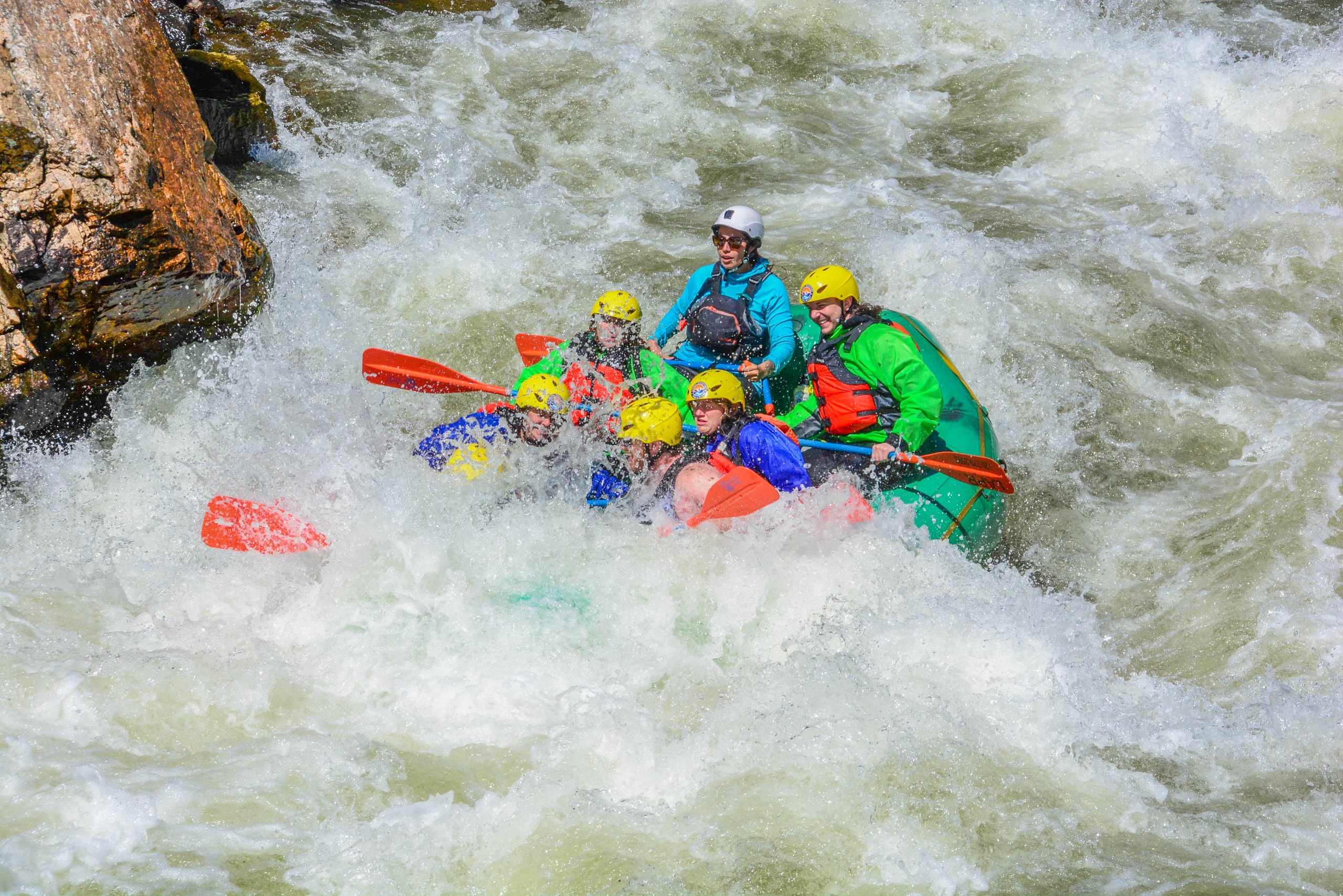
High in the Park Range where the rivers cut clear and cold out of the Continental Divide, Winter Park offers a concentrated palette of water experiences that feel both intimate and enormous. You can stand on a quiet lakeshore at dawn, watching a thin film of mist lift off an alpine basin and feel as removed from the modern world as in any backcountry refuge. Hours later, the valley below hums with the energy of rafters and kayakers threading class II–III currents through narrow canyons and braided channels. That contrast — placid lake mornings and kinetic river afternoons — is the town’s strength: water activities here are equally about quiet immersion and controlled adrenaline. The region’s hydrology is shaped by snowmelt, so seasonality matters. Late spring and early summer ramp up flow rates on creeks and rivers, creating peak whitewater conditions that attract paddlers chasing volume and technical runs. By mid-summer, flows moderate and alpine lakes warm (relatively), opening a long window for stand-up paddleboarding, kayaking, and family-friendly floats. Fly anglers prize the area’s trout-rich streams and tailwaters where the cold, oxygenated water fosters healthy fish populations; mornings are for casts and afternoons for paddles. The surrounding terrain makes water activities especially appealing to multi-sport travelers: daypack a short alpine approach to a hidden lake, combine a morning river trip with an afternoon mountain bike loop, or anchor a lakeside camp and explore feeder creeks by packraft. Environmental context also matters here. These are headwaters — fragile, clear, and subject to rapid seasonal change — so responsible trip planning makes a tangible difference. Respect for private access, awareness of river ramp protocols, and simple stewardship practices such as packing out everything you bring preserve the quality of these waterways. Practically speaking, Winter Park functions as a compact base: rental outfitters, guided trips, and shuttle services are available in town while trailheads and launch points sit a short drive away. For travelers, that means you can tailor a trip from mellow to technical without long transfers. Whether you’re guiding a first-time paddler on glassy water, tying a dry-fly in a willow-shadowed bend, or pushing a technical line through a tight rapid, Winter Park’s water offerings deliver a memorable, mountain-specific encounter with Colorado’s rivers and lakes.

Seasonal flows shape options: high spring runoff favors technical paddling and robust rafting; summer’s moderated flows are ideal for SUP, family floats, and shore-side fishing.

Access is compact: Winter Park and nearby Fraser act as logistical hubs with gear rental, guide companies, and short drives to lakes, launch points, and trailheads.

The harbor is the gateway, and the Pacific becomes the classroom.

The scenery and wildlife—moose in marshy lake edges, raptors over river corridors, and wildflower meadows adjacent to calm water—elevate ordinary paddling into an alpine wilderness experience.

Activity focus

Choose by purpose

Whale watching, snorkeling, sunset sailing, cultural canoeing, harbor sightseeing, or private chartering.

Departure hubs

Start near the city

Waikiki and Honolulu Harbor are primary hubs, with some trips launching near Hanauma Bay.

Accessibility

Confirm the vessel

Gangways, shaded seating, and boarding requirements vary according to vessel size and operator.

Seasonal planning

Best Time to Visit

Winter Park is warm year-round, but wind, swell, migration, visibility, and demand change the best match between traveler and trip.

Winter Park boat tour
Year-round destination

Seasonal highlights change the reason to go

Winter favors humpback encounters; warmer, calmer months favor snorkeling visibility and smoother water.

Humpback season

July and August are busiest for lake recreation and family trips; the early-summer shoulder (June) brings higher river flows that attract paddlers.

Prime whale watching, winter holidays, higher demand, and earlier sell-outs.

Snorkeling window

June–July–August–September

Typically gentler seas and clearer water for snorkeling trips.

Weather notes

Trade winds year-round

High-elevation weather is variable—mornings are often calm and cool, building to warm afternoons with a strong chance of thunderstorms between mid-afternoon and early evening in summer. Snowmelt drives high flows in late spring; lake temperatures remain cold well into June. Plan activities early in the day and layer for sudden temperature swings.

Quieter opportunities

Late spring & summer weekdays

Late September can offer quiet paddling with brisk air and colorful aspens; early May and late fall are for experienced paddlers comfortable with colder water and variable access, while some guided outfitters operate limited spring programs.

Match the trip to your comfort

Choose Your Experience Level

Low effort

Beginner

Gentle, low-risk outings that prioritize scenery and comfort—ideal for families, first-time paddlers, and anglers. Expect calm water, short portages, and guided support options.

  • Flatwater SUP or inflatable-kayak on an alpine lake
  • Guided, low-grade raft float for families
  • Shoreline fly-fishing with a guide or from easy access banks
Active day trip

Intermediate

Half-day to full-day excursions requiring basic paddling skill, comfort with moving water, and simple logistic planning such as shuttles or short hikes to launch points.

  • Self-guided kayak runs on moderate river sections
  • Multi-hour SUP paddles exploring connected lakes and inlets
  • Float-and-fish days combining river floats with targeted fly-fishing
Longer or technical

Advanced

Technical whitewater routes, early-season high flows, and extended packraft or kayak itineraries that demand strong boat control, swift-water rescue knowledge, and weather and flow-safety planning.

  • Technical river runs during snowmelt with challenging currents
  • Extended packraft approaches to remote alpine basins
  • Advanced whitewater kayaking and self-supported multi-day river trips

Prepare for sun, spray, and swell

What to Bring

Essential

Core kit

  • USCG-approved personal flotation device (PFD) for every participant
  • Quick-dry layers and a warm insulating layer (fleece or neoprene)
  • Waterproof daypack or drybag for phone, layers, snacks
  • Helmet for whitewater paddling or guided rafting
  • Sun protection: hat, sunglasses with retainer, sunscreen
Recommended

Useful extras

  • Wetsuit top or neoprene splash layer for early-season paddling
  • Water shoes with toe protection
  • River-safe first-aid kit and a small rescue kit (knife, throw bag if qualified)
  • High-energy snacks and extra water (altitude increases dehydration risk)
Optional

Trip-specific

  • Lightweight packraft for bushwhacking to remote ponds
  • Fly-fishing rod and appropriate permits
  • Inflatable SUP for calm-lake paddles
  • Binoculars for shorebird and raptor watching
Respect river flows, private access, and local outfitters. Weather and water levels change quickly—check conditions the morning of your trip.

Local Tips & Smart Planning

Reserve whale-watching and popular sunset cruises well ahead during December–April.
Choose morning snorkeling departures for calmer seas and better underwater visibility.
For motion sensitivity, choose a larger vessel, sit mid-ship, and take preventative medication before boarding.
Do not touch coral or wildlife, avoid standing on reefs, and use reef-safe sunscreen.
Community-based operators may add context about traditional navigation and stewardship.
Arrive early for parking and check-in because Waikiki departure areas can be busy.

Planning questions

Frequently Asked Questions

A Colorado fishing license is required for anglers; specific water bodies may have additional regulations—check state and local rules before fishing. For general paddling, permits are not typically required for day use, but private-boat restrictions, launch rules, and shuttle logistics should be verified ahead of time.
Top Water Activities in Winter Park, Colorado
Ready for your water activities adventure?

Browse 26 verified trips in Winter Park.

Compare current availability and book with instant confirmation.

Explore Winter Park water activities