
Wailua adventure guide
Find your way into Wailua.
A ribbon of emerald valley, tumbling waterfalls and a broad, surf-swept coastline: Wailua is Kaua‘i’s invitation to move slowly and deliberately. Days here bend around water—stand-up paddles along the Wailua River, catamaran afternoons, and little coves where snorkel and scuba trips reveal coral gardens. Pair a morning hike to a ridge overlook with an afternoon boat tour or a walking tour through local historic sites; top-to-bottom, Wailua rewards both soft adventure and serious exploration.
Three ways into the city
Pick a landscape. Build a day around it.
Wailua is less a single destination than a collection of neighboring worlds. Start with the version of the city that matches your pace, then use the ranked guide below to fill in the details.

Begin where the city meets the sea.
Surf breaks, sheltered harbors, whale routes, and long beach paths make the coast LA’s most immediate outdoor playground.
Explore water activities →
Let a local connect the landmarks.
Use a guided city, walking, or sightseeing tour to turn LA’s sprawl into a coherent story.
Explore boat tour →
Ride the coast and the city.
Beach paths, river corridors, e-bikes, and ridge climbs reveal a more connected Los Angeles.
Explore surf →Choose your way into Wailua
The top 15 Wailua adventures.
Ranked by the number of currently listed trips. Each panel opens the complete local activity collection.
1Water Activities
Wailua is where freshwater meets the Pacific in a compact, endlessly playable landscape: placid river corridors lined with palms and sacred heiau, sheltered bays with easy snorkeling, and surfable breaks that pulse with trade-wind energy. This guide focuses on water-based experiences—kayaking and stand-up paddleboarding the Wailua River, family-friendly snorkeling at Lydgate, surf and bodyboarding near the bay, and coastal paddles for intermediate to advanced paddlers—delivering practical planning notes, safety considerations, and local context to help you choose the right adventure.
Explore water activities →2Boat Tour
Wailua folds together riverine calm and Pacific drama: palm-framed waterways that whisper into jade pools, and an ocean that can swell into a corridor of sea caves and surf-lashed cliffs. Boat tours here range from serene river cruises to active kayak trips that end at a hidden waterfall, plus nearby ocean excursions that reveal Kauai’s coastal geology and marine life. This guide focuses on the boats themselves—the craft, the conditions, and the ways to experience Wailua from water level with confidence and curiosity.
Explore boat tour →3Surf
Wailua is surf culture in intimate form: a stretch of turquoise coast where trade winds, reef passages, and river mouths create a stitched landscape of waves for learners and specialists alike. This guide focuses on catching surf in and around Wailua—where to start, when to go, and how to read the shoreline so your next session is as smooth as a longboard cutback.
Explore surf → 4
4Snorkel
Where a fern-draped rainforest meets a coral-dusted shoreline, Wailua condenses the island’s marine magic into a handful of easy-to-reach snorkeling holes. From protected lagoon swims at Lydgate to the wildlife-rich edges of the Wailua River mouth, snorkeling here is about warm, clear water, curious green sea turtles, and quick access from towns like Kapaʻa and Wailua. This guide focuses on how to choose the right spot, how tides and trade winds shape visibility and safety, and how to pair your snorkel with paddling, hiking, and cultural stops for a full-day Hawaiian coastal adventure.
Explore snorkel → 5
5Scuba
Wailua’s shoreline reads like an invitation to the Pacific: a rare mix of sheltered bays, fringing reefs, and nearby offshore formations reachable by small boat. Scuba here is intimate rather than epic—close encounters with honu (green sea turtles), reef fish, and lava-formed reef architecture are the norm. This guide focuses on scuba-specific planning: what the water feels like, how to choose the right entry (shore vs. boat), and the seasonal ocean rhythms that shape when and how you dive.
Explore scuba → 6
6Sightseeing Tour
Wailua is a sightseeing itinerary condensed into a handful of unforgettable moments: a slow river cruise past sacred heiau, a short boat hop to a waterfall viewpoint, a cultural walk where Hawaiian chants still hang in the air. Tours here prioritize intimacy with land and water—kayak and boat operators thread through estuaries, guides translate landscape into story, and short, accessible trails turn into panoramic finales.
Explore sightseeing tour → 7
7Boat Rental
Wailua condenses two boating worlds into one narrow stretch of coast: a placid, fern-lined river that invites quiet paddles and sightseeing, and an open Pacific shoreline that opens to reefs, snorkeling coves, and the wider sea. Boat rentals here range from single kayaks and SUPs for a gentle downstream drift to self-drive center consoles and small charter skiffs aimed at reef exploration, sport fishing, and coastal cruising. This guide focuses on what to expect from renting a boat in Wailua—launch points, seasonal conditions, and the practical choices that help you match craft to conditions and comfort level.
Explore boat rental →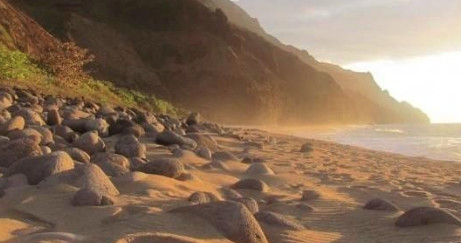 8
8Hiking
Wailua is where a broad, wet valley meets the ocean: emerald river corridors, rainforest gulches, and a mix of gentle riverbank strolls and steep, knife-edge ridge hikes. This guide focuses on hiking experiences within and around Wailua—from easy viewpoints and cultural walks to half-day ridge traverses and waterfall approaches that demand good footing and local know-how.
Explore hiking → 9
9Catamaran
Launching from the sheltered eastern shores of Kauai, catamaran trips out of Wailua turn the island’s legendary coastline into an accessible sea-road. These are not merely boat rides but deliberate translations of island form and history—wide-hulled vessels that smooth the Pacific’s motion, freeing passengers to watch sea cliffs rise, surf break against hidden reefs, and spinner dolphins sketch arcs under the bows. Routes vary: short harbor sails, snorkeling stops in coral gardens, sunset cruises, and longer coastal runs toward the emerald folds of the Nā Pali. For travelers who want the intimacy of water-level perspective without the physical demands of kayaking or the expense of a helicopter, a Wailua catamaran trip is the most immediate way to feel how Kauai’s geology and ocean weather write themselves across the horizon.
Explore catamaran →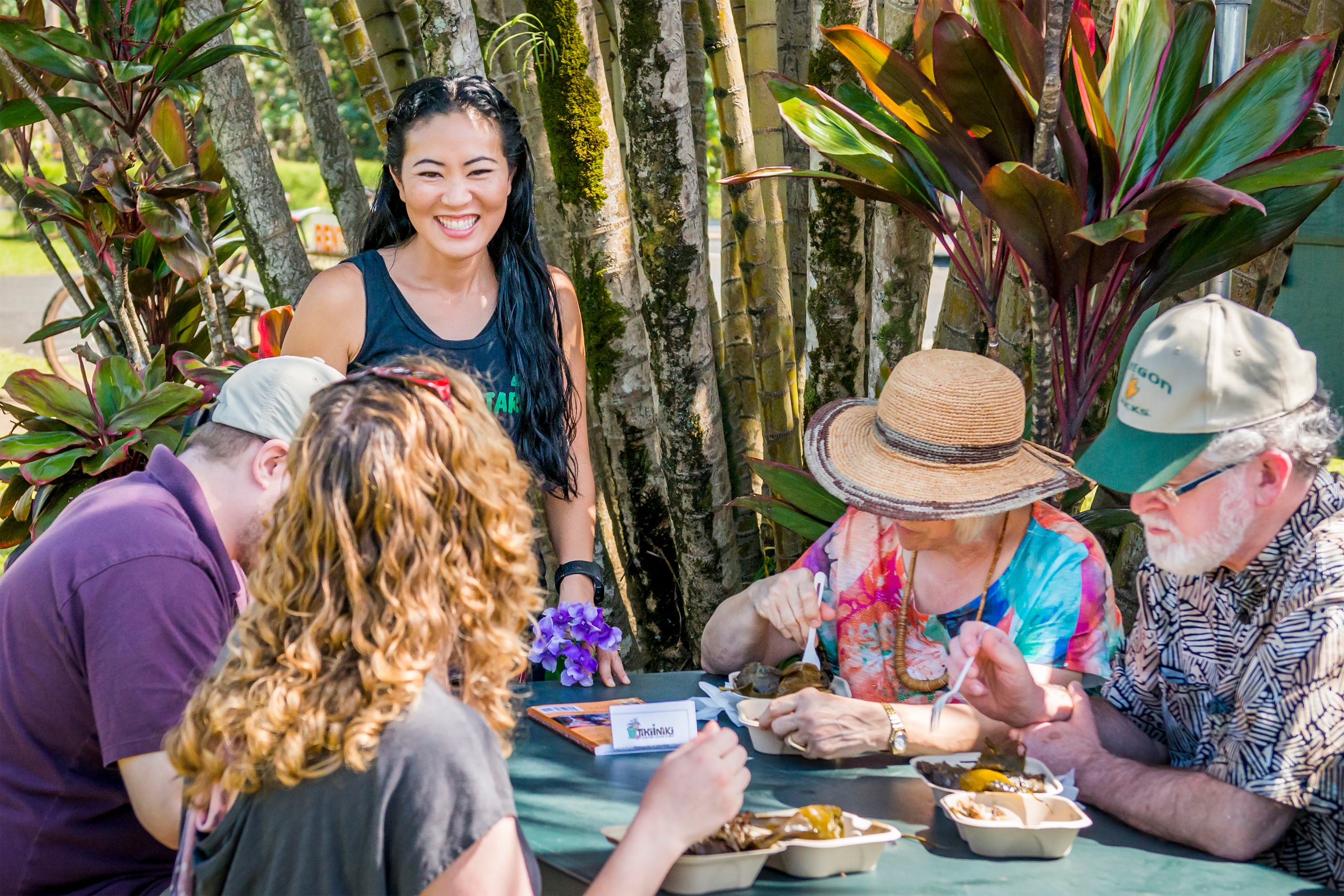 10
10Walking Tour
Wailua condenses Kauai’s lushness into approachable, walkable experiences: riverfront promenades, shady trails to waterfall viewpoints, and culturally rich village loops that reveal a living Hawaiian landscape. Whether you want an easy riverside stroll or a guided cultural walk that ends at a sacred heiau, Wailua’s walking tours are intimate, accessible, and deeply scenic.
Explore walking tour → 11
11Whale Watch
Each winter, Wailua's shorelines and sheltered bays become a theater for one of the Pacific's most dramatic migrations. From the gentle surf of Wailua Bay to the river-carved coastline, humpback whales (koholā) pass close enough that a good binocular pair and a steady stomach are all you need to feel the scale and intimacy of these leviathans. This guide focuses on whale-watching from Wailua—what to expect on a boat, how to read the ocean from shore, when to go, and how to combine a trip with kayaking, snorkeling, or a cultural visit to Wailua's river valley.
Explore whale watch → 12
12Air Activities
From the hush of a seaplane touchdown to the thrum of a helicopter skimming emerald cliffs, Wailua delivers intimate aerial perspectives of Kauai’s most dramatic landscapes. This guide focuses on airborne experiences—scenic flights, seaplane transfers, and other skyward adventures that reveal hidden waterfalls, cathedral-like valleys, and the sculpted coastline of the Na Pali in a single sweeping view.
Explore air activities →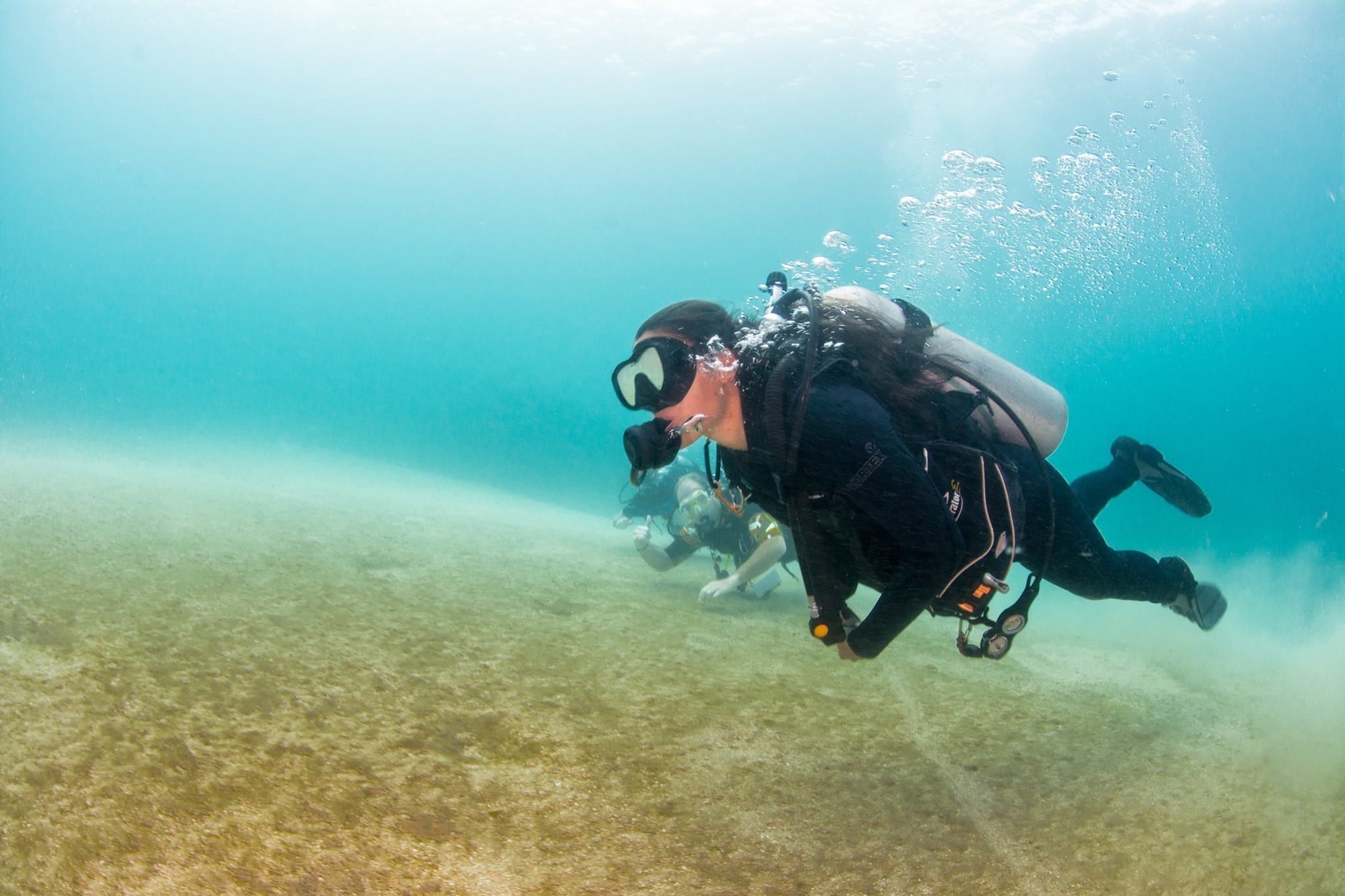 13
13Dolphin
Wailua’s aquamarine fringes are a living theater for dolphin activity—graceful bow-riding spinner pods, curious bottlenose, and the occasional mixed group that slices through sunlit surf. This guide focuses on dolphin-centered experiences available from Wailua: shore and kayak approaches, guided snorkeling and boat tours, and observational ethics that help keep encounters safe for both travelers and marine life. Expect early-morning calm seas, local operators with decades of knowledge, and complementary activities like river kayaking, reef snorkeling, and coastal hikes that round out a day with dolphins.
Explore dolphin → 14
14Eco Tour
Wailua’s waterways and coastal edge offer some of Kauai’s most accessible, story-rich eco tours: easy river cruises that peel back layers of Hawaiian history, guided kayak trips into verdant valley mouths, and coastal wildlife excursions that read like field guides. These experiences emphasize cultural context, habitat restoration, and low-impact exploration—perfect for travelers who want to learn as much as they want to see.
Explore eco tour → 15
15Sailing
Wailua’s coastline compresses three complementary marine worlds into a short stretch: a braided river that meets the sea, a broad bay with steady trade winds, and reef-protected snorkeling pockets. For sailors, that means quick transitions between sheltered cruising, open-water reaching, and nearshore exploration. This guide highlights half-day charters, sunset sails, snorkeling catamaran trips, and small-boat lessons—six practical ways to experience Wailua by water, plus the local knowledge you'll want before casting off.
Explore sailing →The city and the sea
Why Wailua Belongs on Your Adventure Shortlist
Variety without surrendering the day to long transfers.
Wailua is a place that arranges itself around water: the river that people have navigated for centuries, the coastal shoals that frame everyday life, the surf lines that coax both novice and seasoned riders into the waves. Here the landscape reads like a layered map of human and natural history—sacred sites tucked between groves of kukui and coconut, old taro terraces sloping into streams, and jagged ridgelines that answer the ocean with a chorus of wind. For travelers seeking a balanced trip—equal parts active, cultural and restorative—Wailua is quietly ideal. Begin with the obvious: a boat tour or catamaran sail to experience the coastline from sea level, where waterfalls fall into channels and sea caves punctuate the cliffs. On calmer days, snorkel and scuba outings reveal a mosaic of reef life; on others, a whale watch or dolphin spotting trip becomes the highlight. Air activities—short scenic flights or helicopter rides—compress the island’s dramatic contours into a single, unforgettable hour. But the best afternoons are often small in scale: a walking tour through the village, a kayak or stand-up paddle along the Wailua River, or a rented boat for a private exploration of hidden coves. Hikers will find satisfying reward-to-effort ratios on trails that climb to panoramic overlooks or thread through fern forest. Eco tours emphasize cultural context and local stewardship, and seasoned guides make the difference when tides or surf raise the stakes. For surf seekers, accessible breaks and occasional reef waves provide both playful learning conditions and serious rides, depending on swell. Practical magic lives here as well: outfitters for boat rental and guided excursions operate year-round, and many activities are accessible to families and beginner adventurers. That said, island weather and sea conditions can change fast—know the difference between shore-swell and ground-swell, check local forecasts, and honor reef-care practices when snorkeling or diving. With a little planning, Wailua spreads out as the kind of place you can visit again and again: each trip reveals a new cove, an unexpected waterfall, or a quieter side of the river that didn’t show itself last time.
Accessibility is a strength: short drives link river put-ins, classic waterfalls, and beach parks. Outfitters in Wailua handle boat rental, guided snorkel and scuba trips, and river shuttles—making it easy to stitch half-days into a relaxed itinerary.
Activity diversity is immediate: surf lessons, walking tours, eco tours, and whale watch cruises are all on offer depending on season. That mix makes Wailua suitable for families, couples chasing scenery, and solo travelers after a carefully paced outdoor trip.
Conditions shape the day
The best time to visit Wailua.
Kaua‘i’s north shore sees trade-wind breezes and afternoon showers; overall Wailua enjoys warm ocean temperatures year-round. Winter months (Dec–Mar) deliver larger surf and better whale-watch opportunities while late spring and early fall balance calmer seas with thinner crowds.
Best all-around window
Spring + fall
Comfortable mixed-itinerary weather, thinner crowds at beaches and lookouts, and more room to improvise.
Beach season
December through March and major holiday weeks—book boat tours and rentals early.
Surf + whales
Shoulder months (April–May, Sep–Oct) offer fewer crowds, lower prices, and calm enough seas for extended snorkel and dive days.
Coast to inland
Cool marine mornings often give way to warmer inland afternoons and breezy evenings.
Beginner
Short, guided river paddles, sheltered snorkeling in calm coves, and walking tours that require little gear or experience.
- Guided Wailua River kayak or SUP
- Gentle snorkeling at Lydgate Beach Park
- Short walking tour of local sites and gardens
Intermediate
Longer hikes to ridge viewpoints, multi-stop boat tours that include snorkeling, and surf lessons in protected breaks.
- Half-day boat tour with snorkeling and dolphin watching
- Hike to an overlook above Wailua Valley
- Surf lesson at a beginner-friendly break
Advanced
Challenging ocean conditions or deeper scuba dives, technical surf sessions on seasonal reef breaks, and independent boat rental with navigation skills.
- Advanced reef scuba dives with local operators
- Seasonal reef-surf sessions at exposed breaks
- Self-guided boat rental to remote coves (prior experience required)
Field kit
What to bring.
Pack for sun, salt water, walking, and a meaningful temperature swing between coast and inland Wailua.
Essential
Start here
- Reef-safe sunscreen and a sun hat
- Quick-dry layers and a light rain shell
- Waterproof bag or dry sack for electronics
- Water shoes or reef-safe sandals for rocky shore entries
- Reusable water bottle
Water days
Keep it dry
- Snorkel mask and fins if you prefer your own fit
- Light daypack for hikes and shore lunches
- Compact first-aid kit and blister supplies
- Parking cash or mobile pay info for popular beach parks
Long days
Stay flexible
- Mask defog and biodegradable reef cleaner wipes
- Light wetsuit or rashguard for extended dives or winter swells
- Binoculars for whale watch and birding
Insider note
Start early, then keep the geography tight.
Start early to beat parking crunches at popular beach parks and waterfall pull-offs. For boat tours and catamaran sails, aim for mid-morning departures for calmer seas; afternoons often see more wind. If you rent a boat, confirm safety gear, floats, and local navigation tips with the outfitter. On the Wailua River, follow channel markers and be mindful of private land—many riverbanks are culturally important. For snorkeling and scuba, ask operators about current and visibility; choose guided dives if you’re unfamiliar with Hawai‘i’s reef systems. Finally, practice leave-no-trace—pack out plastics, avoid stepping on coral, and ask before photographing people at sacred sites.
Good to know
Frequently asked questions.
Can I do most activities without a guide?
Many water activities like kayaking, basic hiking, and beach snorkeling can be done independently, but guided boat tours, scuba dives, and eco tours add safety, local knowledge, and easier logistics. When in doubt about currents or reef access, hire a local guide.
Are there good options for families and beginners?
Yes. Gentle river paddles, sheltered snorkel spots, walking tours, and many boat rental companies tailor options for families and first-timers.
How do I be reef-friendly while snorkeling or diving?
Use reef-safe sunscreen, avoid touching coral, secure cameras and fins to prevent accidental contact, and enter and exit via sandy spots when available. Follow guides’ instructions to protect fragile marine habitats.
Ready when you are
Find the trip that fits your Wailua day.
Compare bookable experiences across the coast, city, and mountains—then save the ones that belong in your plan.
Explore all Wailua adventures ↗