1

Walking Tours in Wailua, Hawaii

Wailua, Hawaii

Wailua condenses Kauai’s lushness into approachable, walkable experiences: riverfront promenades, shady trails to waterfall viewpoints, and culturally rich village loops that reveal a living Hawaiian landscape. Whether you want an easy riverside stroll or a guided cultural walk that ends at a sacred heiau, Wailua’s walking tours are intimate, accessible, and deeply scenic.

9
Activities
Year-round (wet-season showers possible)
Best Months

Top Walking Tour Trips in Wailua

9 trips • Book with confidence • Instant confirmation

Why Wailua Is a Standout for Walking Tours

Wailua is a rare place where the details of a landscape—dripping ferns, braided river channels, the smell of taro lo‘i after rain, the carved stones of ancient heiau—are accessible at walking pace. On Kauai’s east shore the Wailua River threads a valley that has supported Hawaiian communities for generations, and that living history is part of every footstep. A morning walk can move from a sunlit seaside promenade past local food carts to a shady inland path where a guide points out native plants and traditional aquaculture terraces. The scale of Wailua’s walks is what makes them so compelling: you can feel the island’s geology in the rise of the streambanks, its climate in the sudden shifts from trade-wind breeze to muggy mist, and its culture in roadside markers and small temples that have been tended for centuries.

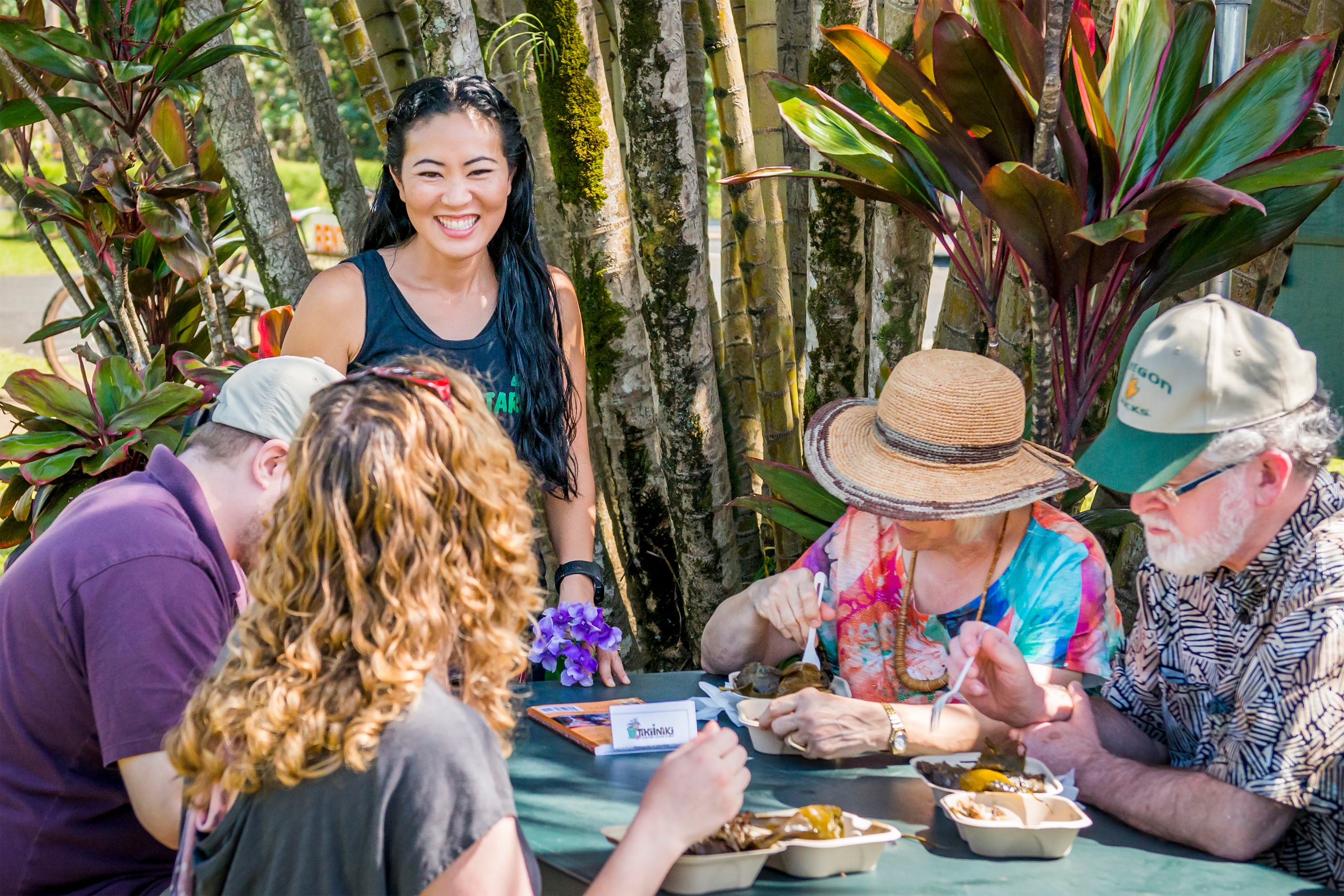
Walking tours here do more than show sights; they slow you down so you see relationships—the way freshwater meets the sea at the river mouth and supports the reef, how native plants hold steep slopes and harbor birds that you might only glimpse. Routes vary from paved coastal paths suitable for families and strollers to uneven dirt trails that lead to overlooks and hidden falls. Many local guides weave in ʻōlelo Hawaiʻi (the Hawaiian language), chants, and stories about aliʻi (chiefs) and the sacred kapu sites along the river, so a simple loop can become a layered education in place and memory. For travelers who want a short, sensory immersion there are half-hour interpretive walks around the Wailua Marina and Fern Grotto; for curious hikers, half-day cultural walks combine a riverside paddle with a trek to sacred sites and ancient petroglyphs upriver.

Practical pleasures amplify the experience: the light here is forgiving in the morning and late afternoon, trail surfaces are often shaded which keeps temperatures mild even when the sun is strong, and many tours finish with a taste of local food—fresh tropical fruit, poi, or a shave ice—that roots the walk in island flavors. Because Wailua’s trails and paths are concentrated near small towns, it’s easy to pair a walking tour with complementary adventures: paddle the river in the same morning, rent a bike for a coastal ride afterward, or take a short drive to trailheads that lead to ridgeline vistas. For photographers and field-naturalists alike, Wailua’s walks are efficient: you encounter floral diversity, cultural markers, and water features in a compact area, making every step feel like a discovery.

The strongest walking tours here balance natural highlights—waterfalls, river estuaries, fern-lined gullies—with human stories: taro cultivation, heiau sites, and living cultural practices that continue to shape the valley.

Because trails are often short but varied, Wailua is ideal for travelers who want meaningful outdoor time without committing to long hikes: easy loops, guided cultural walks, and riverfront promenades each deliver a different tone of experience.

Activity focus: Guided and self-guided walking tours
Concentrated routes around Wailua River and Kapaa coastline
Strong cultural and ecological interpretation on many tours
Trail surfaces range from paved promenades to packed dirt and roots
Afternoon showers are common during wet months—plan accordingly

Best Time to Visit

Best Months

AprilMaySeptemberOctober

Weather Notes

Wailua is warm and humid year-round. Trade winds moderate temperatures but expect short, heavy showers—especially November through March. Morning hours are generally drier and softer light for walking and photography. The drier late-spring and early-fall windows offer the most consistent walking conditions.

Peak Season

Winter months (December–February) and holiday periods draw more visitors to Kauai and busier guided tours; early mornings mitigate crowds.

Off-Season Opportunities

Wet-season months bring fewer tourists and lush vegetation—good for photographers and plant-focused walks—but some unpaved trails can be muddy or intermittently closed.

Frequently Asked Questions

Do I need a guide for walking tours in Wailua?

No—many short walks and the Kapaa coastal path are easily self-guided. A local guide is recommended for cultural tours, river-side histories, and routes that include private access or lesser-known falls.

Are walking tours family-friendly?

Many are. Paved promenades, marina walks, and easy loops are suitable for families and older visitors. More rugged trails with roots and stream crossings are better for older children and experienced walkers.

Is parking or public transit available near tour starting points?

Public parking exists at popular trailheads and the Wailua Marina; street parking in nearby towns is limited. Kauai’s public transit serves parts of the east shore—check schedules—and many tours include pickup from central hotels.

Choose Your Experience Level

Beginner

Short, flat promenades and interpretive village loops with minimal elevation and good surfaces—ideal for casual strollers and families.

  • Kapaa Coastal Path stroll
  • Wailua Marina and Fern Grotto interpretive walk
  • Village cultural loop with historic markers

Intermediate

Uneven dirt trails, short climbs to viewpoints, and combined walking-plus-kayak tours that require moderate fitness and stable footing.

  • Riverside heritage walk including heiau sites
  • Short jungle trail to Opaekaa Falls viewpoints
  • Half-day paddle-and-walk excursions

Advanced

Longer routes with sustained elevation, stream crossings, or exposed ridgelines where route-finding and good weather are important.

  • Nounou (Sleeping Giant) ridge approaches that connect to longer hikes
  • Extended coastal-to-valley traverses requiring transport logistics
  • Wet-season forest routes with slippery roots and narrow sections

Insider Tips & Local Knowledge

Respect private property, heiau, and cultural sites; always follow guide instructions and stay on designated paths.

Start walks in the morning for cooler temperatures, calmer water, and better light. Bring reef-safe sunscreen and be prepared for quick weather changes—an afternoon shower can arrive in minutes. If you want a richer cultural experience, hire a licensed local guide who includes ʻōlelo Hawaiʻi and stops at taro terraces and small family-run operations. Parking is tight near popular trailheads; consider walking from a nearby town, carpooling, or using a tour that includes pickup. For quieter walks, avoid weekends and holiday mornings when beaches and river access points draw locals and visitors alike.

What to Bring

Essential

  • Comfortable walking shoes with good grip (trail or sturdy sneakers)
  • Daypack with water (1L+) and high-energy snacks
  • Sun protection: reef-safe sunscreen, hat, sunglasses
  • Light waterproof layer or packable rain jacket
  • Phone with offline maps or guide contact info

Recommended

  • Insect repellent for shrubby, riparian areas
  • Reusable water bottle and hydration bladder for long summer walks
  • Small first-aid kit and blister care
  • Camera or phone with extra battery for long daylight
  • Local guide or interpretive pamphlet for cultural context

Optional

  • Light trekking poles for slippery stream crossings
  • Binoculars for birding (native species and shorebirds)
  • Water shoes if your walk includes river access
  • Compact umbrella for sudden sun or showers

Ready for Your Walking Tour Adventure?

Browse 9 verified trips in Wailua with instant booking

Explore Top 15 Wailua, Hawaii Adventures →