
Siesta Key adventure guide
Find your way into Siesta Key.
A crescent of powdery quartz sand, Siesta Key reads like a beach day distilled to its most luminous moments—morning shells, noon paddle strokes, and gilded sunsets from a rented boat or a low-slung beach blanket. This guide stitches together boat tours and rentals, kayak and paddle adventures, fishing and snorkeling outings, plus short bike circuits and eco-tours so you can build a single relaxed day or a stacked long weekend on Florida’s Gulf Coast.
Three ways into the city
Pick a landscape. Build a day around it.
Siesta Key is less a single destination than a collection of neighboring worlds. Start with the version of the city that matches your pace, then use the ranked guide below to fill in the details.

Begin where the city meets the sea.
Surf breaks, sheltered harbors, whale routes, and long beach paths make the coast LA’s most immediate outdoor playground.
Explore boat tour →
Let a local connect the landmarks.
Use a guided city, walking, or sightseeing tour to turn LA’s sprawl into a coherent story.
Explore sightseeing tour →
Ride the coast and the city.
Beach paths, river corridors, e-bikes, and ridge climbs reveal a more connected Los Angeles.
Explore bike rental →Choose your way into Siesta
The top 15 Siesta Key adventures.
Ranked by the number of currently listed trips. Each panel opens the complete local activity collection.
1Boat Tour
Siesta Key’s boat tours are a study in contrasts: wide, shallow bays rimmed by mangrove fingers; broad, luminous Gulf waters where the sun tucks into a pink horizon; and quiet inlets where dolphins choreograph the afternoon. From low-key shelling jaunts to searchlight-lit night cruises, the local fleet—charter skiffs, eco-focused pontoon boats, sunset catamarans, and guided fishing boats—turn the geography of this barrier island into a dozen distinct ways to be on the water. This guide focuses on boat-based experiences around Siesta Key: wildlife-focused eco-cruises and dolphin watches, sunset and shelling excursions, flats fishing and fly-fishing charters, and small-group island-hopping trips that connect Siesta Key to neighboring Longboat Key and Anna Maria Island.
Explore boat tour → 2
2Water Activities
Siesta Key pairs powder-fine quartz sand with warm, shallow Gulf waters, creating a water-playground that feels immediately approachable. From glassy bay paddles and family-friendly snorkeling near passes to high-energy parasailing, Siesta Key’s water activities are defined by easy access, abundant wildlife, and a coastal rhythm shaped by tides and seasonal winds. This guide focuses on how to plan your time on the water — where conditions favor stand-up paddleboarding, when to seek a charter for offshore fishing, and how to blend restorative beach time with exploratory marine outings.
Explore water activities → 3
3Boat Rental
Siesta Key's powdery white sand meets shallow, sheltered waters that make it one of the friendliest places on Florida's Gulf Coast to rent a boat. From half-day pontoon cruises and skiff rentals for shelling and fishing, to guided sunset sails and private captained charters, boat rental options here let you chase dolphins, explore mangrove-lined estuaries, and slip into quiet sandbars at low tide. This guide focuses on choosing the right craft, timing your trip for calm water and wildlife sightings, and practical tips to get afloat safely and responsibly.
Explore boat rental →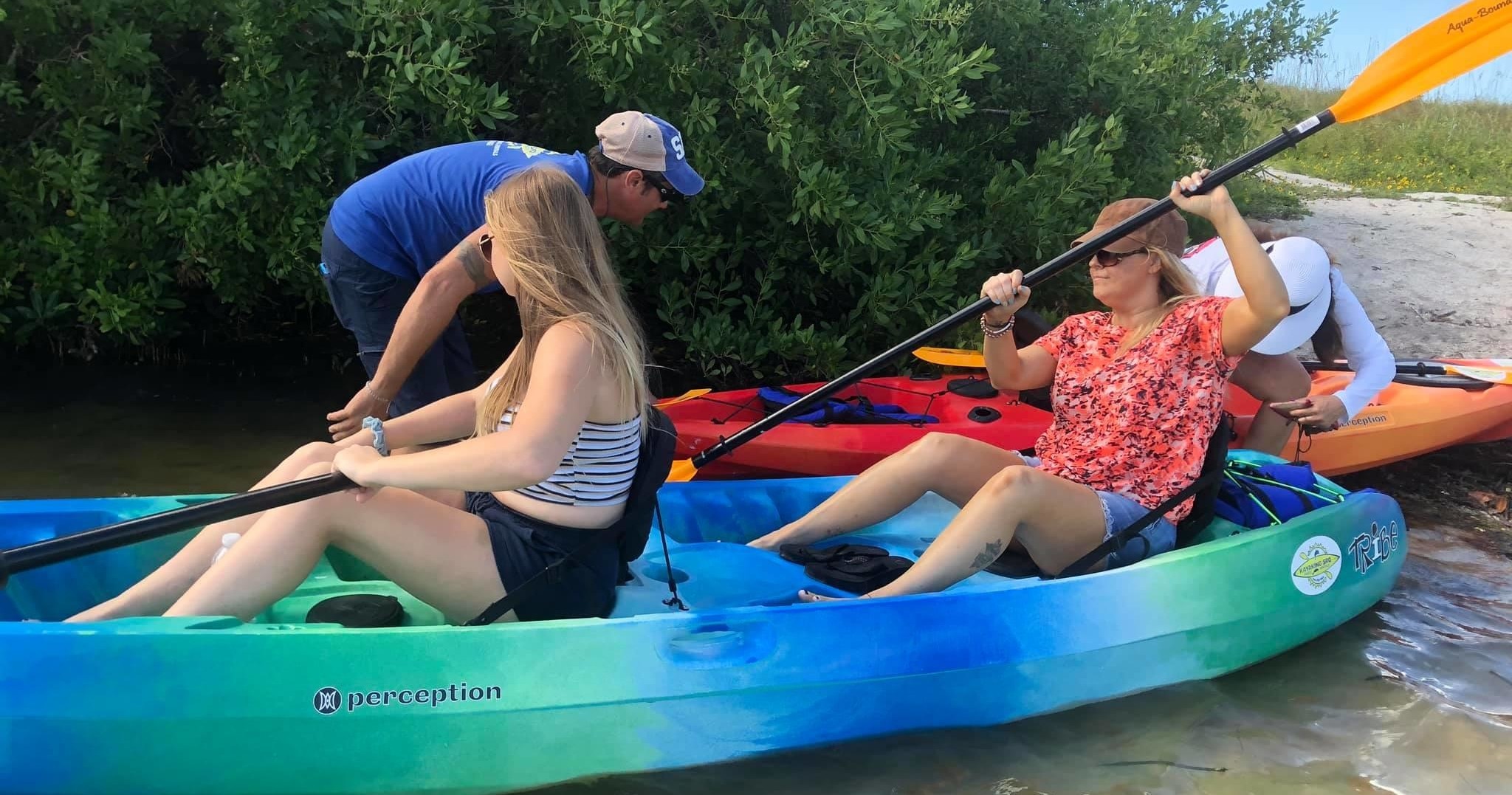 4
4Kayak
Siesta Key pairs sugar-white sand beaches with calm barrier-island waterways, making it an ideal stage for kayak exploration. From glass-flat bay excursions through mangrove tunnels to wildlife-rich tours around tidal flats and shoreline reefs, paddlers can tailor a half-day outing or a slow, contemplative sunset paddle. This guide focuses on the best ways to experience Siesta Key’s coastal ecology and coastal culture by kayak—where to go, when to paddle, and how to keep both the trip and the fragile habitats safe.
Explore kayak →5Sightseeing Tour
Siesta Key is a study in soft sand, late-afternoon light, and the quiet choreography of Gulf waters. Sightseeing here is less about one high ridge or a single iconic vista and more about a series of intimate coastal moments—dolphins cutting across a silvered bay at dawn, the powdery quartz sand cooling under bare feet, mangrove tunnels that smell faintly of salty earth. This guide focuses on sightseeing tours that turn the island’s coastlines, inlets, and nearby barrier islands into a paced, interpretive experience: shelling walks at low tide, eco-kayak trips through mangrove creeks, sunset sails that lean into trade winds and a slow horizon, and narrated boat cruises that trace the passage between inland waterways and the Gulf. Expect short, digestible outings—2–4 hours most days—that pair sensory pleasure with environmental context and local stories. Practical details are woven through: where tours launch, how tides shape what you’ll see, accessibility of beaches and vessels, seasonality, and the complementary activities that extend a sightseeing day into a full coastal adventure.
Explore sightseeing tour → 6
6Fishing
Siesta Key is a compact tapestry of coastline where shallow flats, mangrove estuaries, and blue-water reefs sit within a short boat ride—or a cast—of one another. Whether you’re sight-fishing redfish in the translucent shallows, surfcasting for pompano off the public beaches, or chasing snapper and amberjack aboard a nearshore charter, the place rewards a mix of low-key beach culture and purposeful angling. This guide focuses on how to experience fishing here: the terrain, seasonal rhythms, technique adjustments, and practical planning for anglers of every level.
Explore fishing → 7
7Dolphin
Siesta Key offers some of the most accessible and rewarding dolphin experiences on Florida's Gulf Coast. From sunrise eco-boat cruises through inshore bays to quiet kayak trips that put you at eye level with curious bottlenose pods, this island melds easy access with surprisingly rich marine life. This guide focuses on how to see and respectfully interact with dolphins here—when to go, what to expect, and how to choose the right outing for your comfort and conservation values.
Explore dolphin →8Bike Rental
Siesta Key’s powder-white sands and gentle coastal roads make it a breezy, low-stress place to discover on two wheels. Bike rental here is less about aggressive climbing and more about relaxed exploration—pedal between beaches, parks, and waterfront dining, or choose an e-bike for longer shoreline loops. This guide covers the terrain, seasonality, types of bikes available, complementary activities, and what to pack so your rental feels less like gear and more like a key to the island.
Explore bike rental → 9
9City Tour
Siesta Key's city tours are compact, salt-scented explorations that pair seaside calm with a small‑island village energy. From shaded walks through coconut palms and pastel storefronts to guided bike and boat tours that reveal tidal flats, shorebirds, and historic fishing lanes, a Siesta Key city tour trades elevation for light, breeze, and a slow rhythm that centers on water, sand, and sunsets.
Explore city tour → 10
10Sailing
Siesta Key is where powder-white sand meets low-slung horizons and steady Gulf breezes—the kind of place that turns a day on the water into a small, luminous escape. Sailing here ranges from gentle bay cruises past mangrove-lined inlets to full-day runs out into the wide Gulf where dolphins and sea birds keep pace. The sailing scene mixes family-friendly charters, classic daysail rentals, and private captained trips that double as snorkeling or fishing outings.
Explore sailing → 11
11Snorkel
Siesta Key is more than powdery white sand and postcard sunsets—along its edges lie shallow limestone outcrops, seagrass flats and calm bay channels that make for approachable, highly rewarding snorkeling. From the rocky shelf at Point of Rocks to turtle-sighting stretches near Turtle Beach and quiet bay launches for guided trips, this guide helps you find the best shore-entry snorkeling, boat-based excursions, and complementary water adventures that turn a beach day into a living marine tableau.
Explore snorkel → 12
12Wildlife
Siesta Key condenses Gulf Coast wildlife into accessible, shoreline-first experiences: morning dolphin pods weaving through boating channels, lazy manatees grazing in shallow seagrass, migratory shorebirds probing tidal flats at low tide, and seasonal loggerhead sea turtles hauling up to the dunes to nest under cover of night. This guide focuses on wildlife-watching — from casual beachside encounters and family-friendly eco-tours to guided kayak trips through mangrove tunnels and volunteer research opportunities. With 26 curated experiences, Siesta Key is as much about the rhythms of water and tide as it is about seeing animals: plan by tidal charts, favor low-light hours for bird activity and dawn/dusk for marine mammals, and be prepared to trade a little sand for supremely close nature encounters.
Explore wildlife → 13
13Jet Ski Rental
Siesta Key's sugar-sand beaches and sheltered bays make it a natural playground for jet skiers. From calm morning cruises across the intracoastal to adrenaline-charged runs toward Big Sarasota Pass, renting a jet ski here pairs easy access with breathtaking coastal scenery—white sand, turquoise shallows, and a coastal ecosystem that rewards respect and good seamanship.
Explore jet ski rental → 14
14Bike Tour
Siesta Key’s bike tours are an island-long conversation between salt, sand, and street. These rides trade steep climbs for endless horizon lines: low, effortless pedaling along coastal roads, through sleepy neighborhoods, and over bridges that frame mangrove inlets. Guided eco-cruises introduce riders to migratory birds and shallow-water ecosystems; sunset beach rides make the sand and sky a movable theater; and longer loop rides link Siesta Key to neighboring barrier islands and the Sarasota Bay waterfront. For cyclists who prize sea air and easy mileage, Siesta Key is a bright, breezy offering—one best enjoyed with sunscreen, patience for pedestrian crowds, and a few local stops for iced coffee or conch fritters.
Explore bike tour → 15
15Eco Tour
Siesta Key’s eco tours turn postcard beaches into classrooms. From glassy mangrove creeks and seagrass flats to sandbars alive with feeding birds and passing manatees, guided naturalist trips reveal the fragile systems that keep the Gulf coast healthy. Expect kayak and boat-based outings, interpretive snorkeling, birding walks, and conservation-focused experiences led by local guides who balance storytelling with hands-on stewardship.
Explore eco tour →The city and the sea
Why Siesta Key Belongs on Your Adventure Shortlist
Variety without surrendering the day to long transfers.
Siesta Key is a compact lesson in coastal living: the sand looks like powdered sugar underfoot, the Gulf flattens into glass for morning kayaks and glassy sightseeing, and the horizon obliges with a slow, cinematic sunset every evening. But beyond postcard geometry the island is an active playground—boat tour captains narrate dolphin sightings as easily as local history; boat rental counters line the marinas for people who want to captain their own patch of bay; kayak outfits tip you into mangrove creeks where herons and manatees slip through shadow; and snorkeling and eco tours point toward patch reefs and seagrass beds bustling with small life. Fishing is part ritual and part science here: anglers of every skill level stack lines off piers, fromshore, and on guided charters that chase snook, redfish, and seasonal migratory species. If you crave speed, jet ski rental puts a shot of adrenaline between sandbars and open water; if you prefer to move slowly, a bike rental or bike tour along the narrow lanes and seaside paths lets you collect coffee shops, galleries, and tide pools between paddles and swims. There’s also a civic layer to Siesta Key—Sarasota’s cultural scene and farmer’s markets are a ferry ride or a short drive away, which means an afternoon of art galleries or a sunset sailing trip can bookend a morning of snorkeling. Sightseeing tours and city tours that originate from the Key give context to native ecology and conservation efforts, while eco tours focus the experience on the fragile systems that make these beaches great for shelling and wildlife watching. Visit with curiosity and care: the same beaches that host rare shells and migrating birds rely on relaxed, respectful visitors to keep dunes intact and wildlife undisturbed. Practically speaking, the island’s low elevation and subtropical weather make timing important—mornings are best for calm water activities like kayak and snorkeling, while afternoons often bring a breeze that favors sailing and brisk boat tours. This is a place to layer experiences—an early dolphin watch, a midday snorkel at a protected cove, an afternoon on a rented boat, and an evening bike spin to a waterfront restaurant—each activity slot reinforced by easy local logistics and a community of guides and outfitters who keep gear, launch points, and permits simple for visitors.
Access is unusually straightforward: Sarasota-Bradenton International Airport is a short drive, and the island’s compact footprint means rental bikes, short rideshare trips, and organized tours get you from beach to bay quickly. Outfitters across the Key handle everything from timed boat tours and private sailing charters to guided kayak eco-tours and family-friendly snorkeling.
Siesta Key is as much about the water as it is the sand. Match your plan to the conditions—choose early mornings for kayak and snorkel, mid-mornings for guided wildlife viewing, and later afternoons for sailing and scenic boat tours when the winds pick up and the light turns soft.
Conditions shape the day
The best time to visit Siesta Key.
Siesta Key has a subtropical climate: warm, humid summers with afternoon storms and mild, pleasant winters. Morning hours are usually calmest for water activities—wind and sea breezes pick up in the afternoon, which favors sailing and some fishing techniques.
Best all-around window
Spring + fall
Comfortable mixed-itinerary weather, thinner crowds at beaches and lookouts, and more room to improvise.
Beach season
Late winter through spring (mid-December to April), including spring break windows—expect higher rates and busier beaches.
Surf + whales
Summer offers lower lodging rates and warm water ideal for snorkeling and jet ski rental, but heavier afternoon thunderstorms and higher humidity.
Coast to inland
Cool marine mornings often give way to warmer inland afternoons and breezy evenings.
Beginner
Low-effort activities that require minimal gear and local knowledge—perfect for families or travelers new to the water.
- Gentle kayak in Sarasota Bay with a guided eco tour
- Half-day boat tour for dolphin watching and sightseeing
- Leisurely bike rental around Siesta Village and beachfront paths
Intermediate
Longer outings, basic navigation, and confidence with local wind and tide patterns—good for paddlers and anglers expanding their skills.
- Self-guided kayak trip to mangrove tunnels and secluded sandbars
- Morning snorkeling off Point of Rocks on a calm day
- Inshore fishing charter targeting redfish and snook
Advanced
Open-water and higher-skill pursuits requiring planning, steady conditions, and often formal certification or guided leadership.
- Sailing day trip crossing to nearby barrier islands with shifting wind
- Multi-hour offshore fishing charter for pelagics (requires experienced crew)
- High-speed jet ski routes and navigation around shoals and channels
Field kit
What to bring.
Pack for sun, salt water, walking, and a meaningful temperature swing between coast and inland Siesta.
Essential
Start here
- Reef-safe sunscreen and a wide-brim hat
- Quick-dry swimwear and a light cover-up
- Waterproof phone case or dry bag for boating and kayaking
- Reusable water bottle and small snacks
- Comfortable sandals or reef shoes for rocky outcrops
Water days
Keep it dry
- Light wind shell for breezy afternoons on a sail or boat tour
- Polarized sunglasses for spotting fish and reducing glare
- Compact snorkeling set (mask/snorkel) if you prefer your own gear
- Mini first-aid kit and blister prevention for biking
- Binoculars for dolphin and bird watching
Long days
Stay flexible
- Underwater camera or action cam with floatation tether
- Small folding bike lock for short stops
- Mesh bag for collecting shells (check local regulations)
- Portable charger for long days filming wildlife
Insider note
Start early, then keep the geography tight.
Arrive early for parking at Siesta Beach and to catch calm-water windows for kayaking and snorkeling. Book popular boat tours and private charters in advance during winter and spring. For the best wildlife viewing, take a dawn dolphin or birdwatching tour—mornings are quieter and animals are more active. Respect posted signs around tide pools and dunes; the dunes are fragile and protected. If you plan to snorkel, check wind direction and pick a morning with light wind for maximum clarity—Point of Rocks and nearby inshore reefs are the most consistent shallow spots. Rent gear from reputable outfitters who include launch assistance and safety briefings, and consider an eco tour if you want interpretation about seagrass, mangroves, and local conservation efforts. Finally, watch for manatees and sea turtles—slow down boat speeds in marked areas and give wildlife plenty of space.
Good to know
Frequently asked questions.
Can I do activities like kayaking and snorkeling on my own, or should I hire a guide?
Many calm, nearshore areas are suitable for experienced, self-guided paddlers and snorkelers, especially in sheltered parts of the bay and around Point of Rocks. If you’re unfamiliar with local currents, tides, or marine life, a guided kayak or snorkel trip adds safety, local knowledge, and better wildlife finds.
Are there good places for families and beginners?
Yes—Siesta Beach and sheltered bay areas are well suited to families. Outfitters offer family-friendly boat tours, easy kayak routes, and guided eco-tours tailored to beginners and children.
Is shelling allowed and are there any rules I should know?
Shelling is a popular activity but some shells contain living organisms—avoid taking live shells, observe local posted rules, and be mindful of protected species. Pack out any trash and avoid disturbing dune vegetation.
Ready when you are
Find the trip that fits your Siesta Key day.
Compare bookable experiences across the coast, city, and mountains—then save the ones that belong in your plan.
Explore all Siesta Key adventures ↗