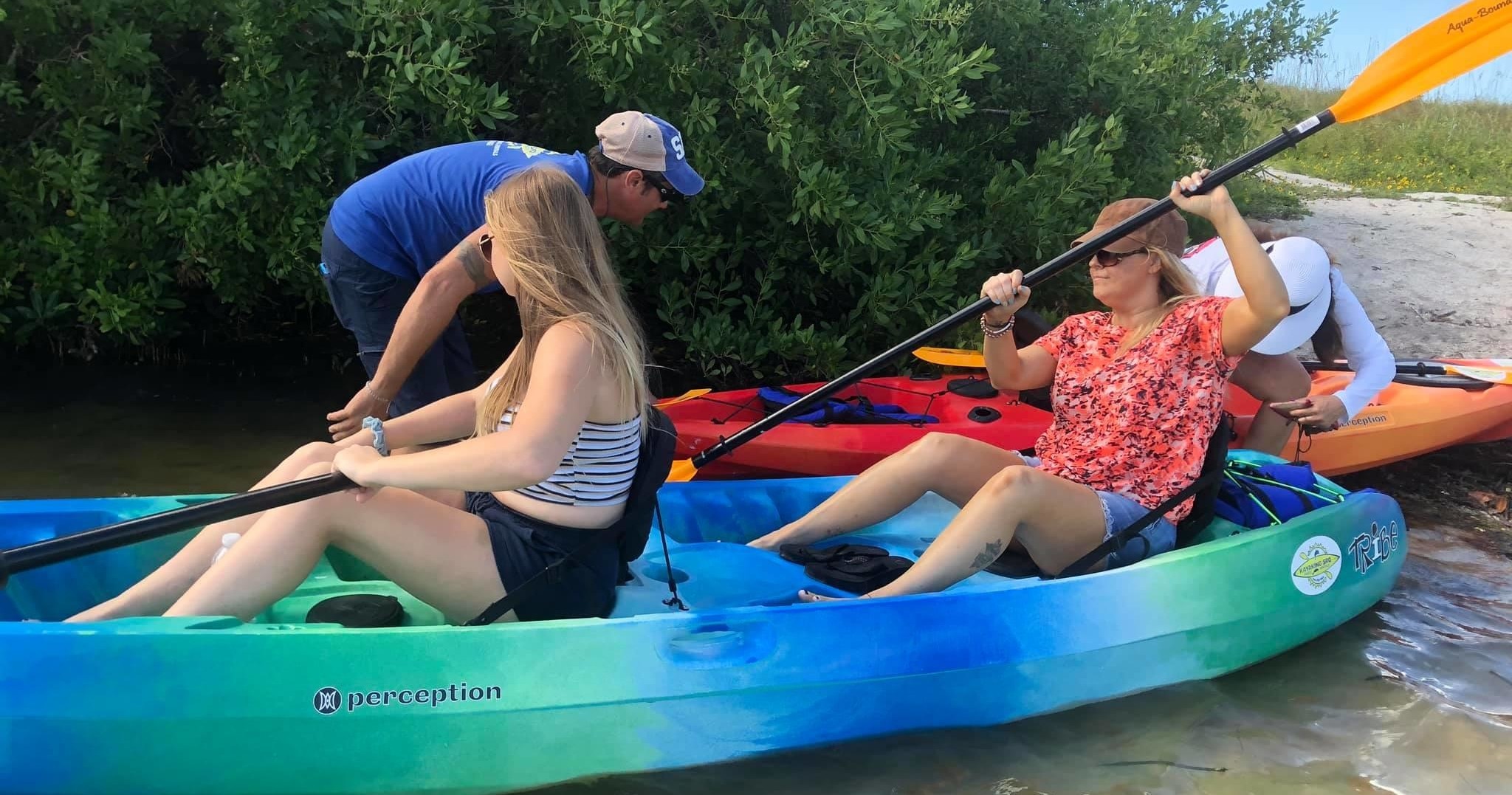
Why Siesta Key Is a Standout Kayaking Destination
Siesta Key composes a quiet and elegant canvas for paddlers: narrow barrier islands, shallow bays, mangrove fingers, and nearshore limestone outcrops that create micro-ecosystems teeming with life. Unlike high-adrenaline whitewater destinations, Siesta Key rewards patience—it's a place to slow down and observe. In the hour after dawn the bay can look like polished metal; the light and reflections flatten distance and reveal subtle currents. Small herons and egrets tiptoe the flats, ospreys circle and dive, and manatees usually surface with unhurried curiosity near grass beds. The intimacy of these encounters is part natural history lesson, part meditation.
Geologically, the area is defined by the interplay of sand, sea grass, and mangroves. The shallow seagrass meadows that fan out from the shore are critical nurseries for fish and crustaceans, and the patchy limestone near Point of Rocks supports a mosaic of sponges and small reef life—ideal for snorkel-and-paddle days. Many paddling routes are sheltered; wind and tidal timing often determine whether an outing feels like a calm bay glide or a technical route that requires a conservative route choice. Onshore, Siesta Key’s village atmosphere complements the paddling culture: casual cafes and outfitters line roads that lead straight to launch points, and local guides weave natural history, conservation context, and safety into tours.
Culturally, Siesta Key sits within Sarasota’s larger maritime and arts community. The local tourism economy supports eco-guiding, conservation messaging, and volunteer stewardship—visitors may find community beach cleanups, citizen-science opportunities, and interpretive tours that reveal both the fragility and resilience of southwest Florida’s coast. Seasonal phenomena—migratory shorebirds in winter and spring, the summer spawning and growth cycles of subtropical species—change the character of each trip. And because the waters are generally warm year-round, paddlers can plan outings across seasons, leaning into the quieter shoulder months for solitude and the winter months for peak wildlife viewing.
Practical paddling here boils down to tides, wind, and respect: tides expose flats and create passages through mangrove creeks; wind can turn the bay into a choppy corridor; and wildlife—especially manatees and sea turtles—require distance and patience. For planners, that means paying attention to forecasts, selecting routes that match your skill and timing, and choosing guided experiences when in doubt. The result is a paddling destination where curiosity and low-impact travel reveal richer rewards than speed or distance alone.
Siesta Key’s sheltered bays and mangrove systems make it accessible for beginners while offering intermediate and advanced routes that require tidal and wind management.
Local outfitters provide guided eco-tours, rentals, and sunset paddles; conservation-minded practices are common and encouraged to protect seagrass beds and marine life.
Choose by purpose
Whale watching, snorkeling, sunset sailing, cultural canoeing, harbor sightseeing, or private chartering.
Start near the city
Waikiki and Honolulu Harbor are primary hubs, with some trips launching near Hanauma Bay.
Confirm the vessel
Gangways, shaded seating, and boarding requirements vary according to vessel size and operator.