
Point Reyes Station adventure guide
Find your way into Point Reyes Station.
A coastal mosaic of windswept headlands, oak-studded ridges, and sheltered estuaries, Point Reyes Station is where long bike rides, tidepool recon, and boat tours collide with slow-town charm. This guide distills the best local experiences—from bike rental and e-bike cruises along country lanes and bike tours that pass dairy farms, to morning kayak paddles on Tomales Bay, sailing charters, and small-group sightseeing or walking tours into the peninsula’s wildlife-rich corners. For visitors who want both easy-going lodging options and wild, exposed coastline, Point Reyes delivers a compact toolkit of outdoor choices balanced by accessible services in town.
Three ways into the city
Pick a landscape. Build a day around it.
Point Reyes Station is less a single destination than a collection of neighboring worlds. Start with the version of the city that matches your pace, then use the ranked guide below to fill in the details.
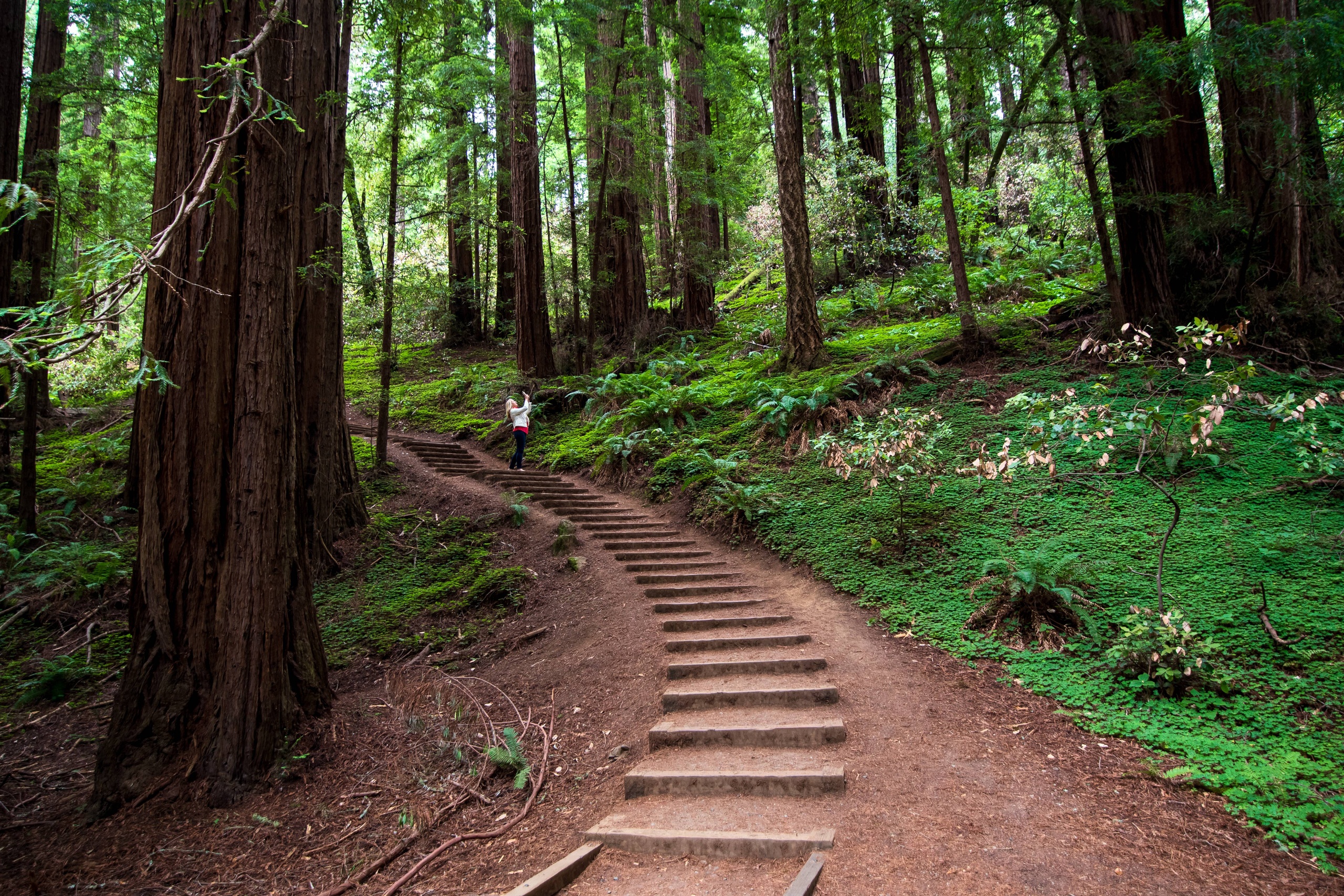
Begin where the city meets the sea.
Surf breaks, sheltered harbors, whale routes, and long beach paths make the coast LA’s most immediate outdoor playground.
Explore boat tour →
Let a local connect the landmarks.
Use a guided city, walking, or sightseeing tour to turn LA’s sprawl into a coherent story.
Explore sightseeing tour →
Ride the coast and the city.
Beach paths, river corridors, e-bikes, and ridge climbs reveal a more connected Los Angeles.
Explore bike rental →Choose your way into Point
The top 15 Point Reyes Station adventures.
Ranked by the number of currently listed trips. Each panel opens the complete local activity collection.
1Bike Rental
Point Reyes Station sits at the hinge of ocean, estuary, and pastoral hills—a compact town that functions as a gateway for cyclists who want to trade traffic for wind-sculpted roads and a coastline that rewards patient pedaling. Bike rental here is less about sprinting to a single landmark and more about choosing your rhythm: a flat, picnic-ready roll along Tomales Bay; a challenging climb onto the Inverness Ridge; or a gravel-minded exploration of ranch roads and old fire roads leading to hidden beaches. Rentals in town emphasize practical convenience—day rentals, e-bikes for uphill help, and sturdy hybrids for mixed surfaces—and local outfitters know the best loops, tide- and wind-aware timing, and how to combine a bike day with kayaking, oyster tasting, or a short lighthouse hike.
Explore bike rental →2Boat Tour
Point Reyes Station is the gateway to a coastal mosaic—calm oyster-studded estuaries, kelp-draped surf zones, and open-ocean canyons where migrating whales pass in seasonal procession. Boat tours here range from sheltered Tomales Bay wildlife cruises and kayaking to small-boat coastal cruises that skirt dramatic sea cliffs and search for whales, seals, and pelagic birds. This guide focuses on what to expect on the water: sea conditions, wildlife windows, logistical choices between sheltered-bay and open-coast trips, and the practical gear and planning tips that turn a good tour into a memorable marine adventure.
Explore boat tour → 3
3Water Activities
Point Reyes Station is a compact gateway to a dramatic coastal playground: a sheltered estuary of glassy bay water framed by wind-sculpted headlands and the open Pacific beyond. Water activities center on Tomales Bay—calm paddling, shore-based wildlife watching, and oyster-country charters—while the national seashore’s beaches and rocky points offer surf, tidepooling, and cold-water coastal exploration. This guide focuses on the practical how-to, seasonality, and safety essentials for making the most of water time here.
Explore water activities →4Sightseeing Tour
Point Reyes Station condenses the coast’s dramatic range—sudden cliffs, wind-sculpted grasslands, and fog-draped shorelines—into a handful of easily reached, unforgettable viewing experiences. Sightseeing here is less about a single lookout and more about a moving collage: lighthouse silhouettes against a churning sea, tule elk grazing on the headlands at dawn, oyster boats cutting glassy bay water, and tidal pools that reveal miniature kingdoms at low tide. This guide focuses on the best ways to see that collage—walking tours, short drives with curated pullouts, boat and kayak options on Tomales Bay, and guided naturalist cruises and photo walks that turn the region’s fragile ecosystems into lessons as memorable as the views.
Explore sightseeing tour →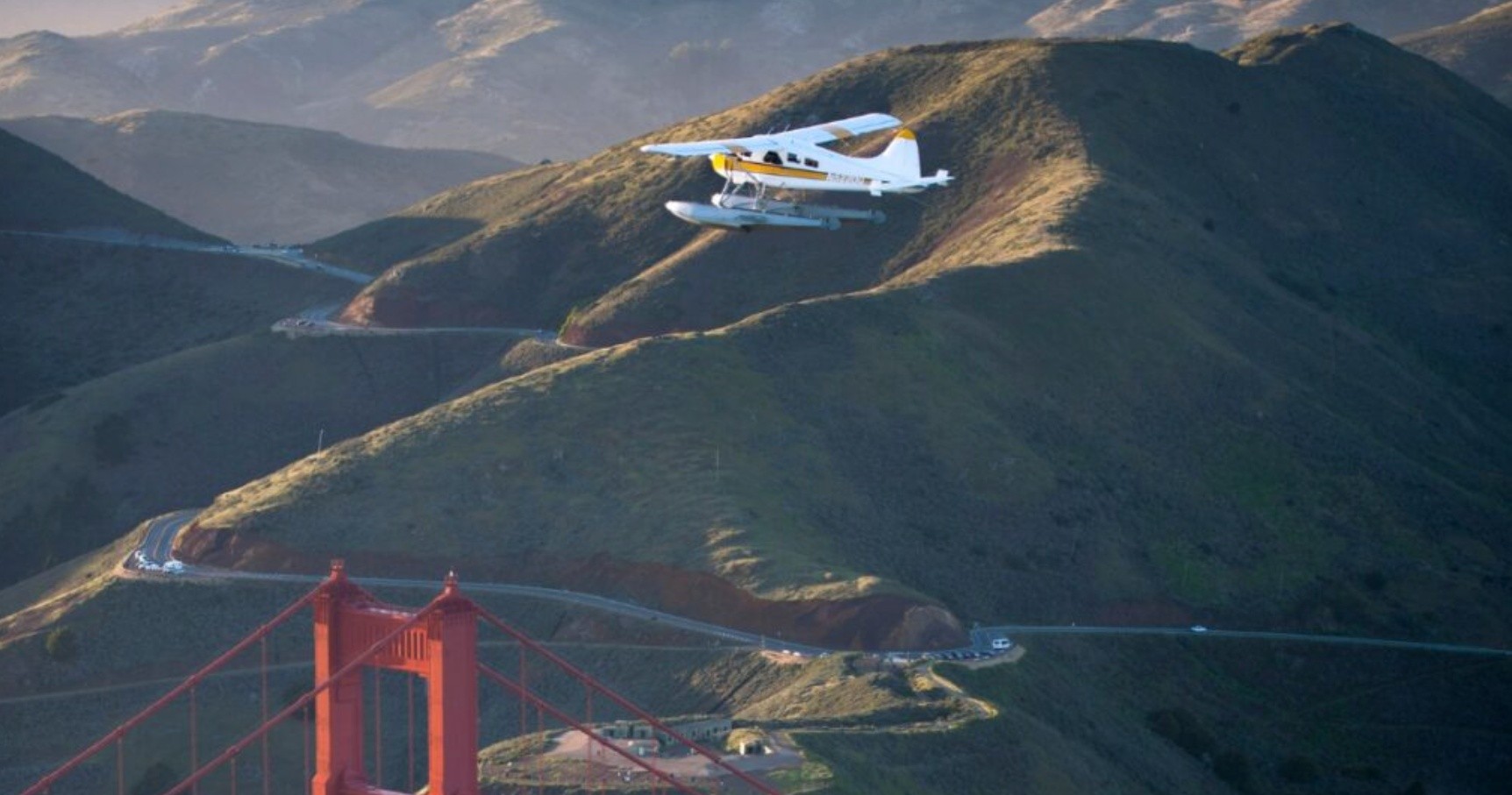 5
5City Tour
Point Reyes Station folds small-town charm into a wild coastal landscape. City tours here are intimate affairs: self-guided walking loops down a single main street lined with artisan shops, guided culinary and farm-visit routes that trace the region's dairy and oyster heritage, and combined nature-and-history itineraries that link town life with the dramatic seashore. For travelers who want a low-key, place-rich experience, a city tour in Point Reyes ties local culture, coastal ecology, and easy outdoor access into one short, satisfying day.
Explore city tour → 6
6Bike Tour
Point Reyes Station is a compact gateway to some of Northern California’s most singular coastal cycling: long ribbon roads hugging the seashore, quiet country lanes past dairy farms, and rugged gravel tracks that pry into windswept headlands. Bike tours here can be restorative day loops, salty coastal epics, or gentle rolling rides paired with oyster tastings and wildlife viewing. Expect varied surfaces—sealed roads, rough county lanes and mixed gravel—and weather that shapes the ride as much as the map: fog, sun, and ocean wind.
Explore bike tour → 7
7Bus Tour
Bus tours out of Point Reyes Station compress a wide, weather-sculpted landscape into a day: windswept headlands, tule elk reserves, tidepool coves, and tidal marshes all accessible without the logistics of a car. Small-group shuttles and interpretive coaches run tailored routes—wildlife-focused runs at dawn, lighthouse drops with short walks, and culinary circuits that pair oyster farm stops with pastoral views—making the coast approachable for visitors of all abilities.
Explore bus tour → 8
8Kayak
Point Reyes Station is a study in coastal contrasts: glassy estuaries hemmed by reed beds, wind-scoured headlands, and long, quiet bays that open with each tide. For paddlers, it’s a place to learn tidal reading, trade surf stories with locals, and glide past colonies of seals and flocks of shorebirds. This guide focuses exclusively on kayaking—where to go, when to paddle, what to expect, and how to plan trips that range from gentle wildlife glides on Tomales Bay to exploratory sea-kayak runs along the exposed outer coast.
Explore kayak → 9
9Walking Tour
Point Reyes Station compresses a coastline’s worth of landscapes into walkable stretches: wind-raked bluffs, marshy estuaries, working ranches, and a small downtown that feels like a seaside village. Walking tours here are intimate—each step can mean a different habitat, a different light, and a new thread of local history. This guide focuses on walking experiences: town strolls, coastal bluff trails, estuary boardwalks, and guided naturalist walks that reveal the human and natural stories woven into the landscape.
Explore walking tour → 10
10Sailing
Point Reyes Station is the low-key gateway to two sailing worlds: the sheltered, oyster-speckled estuary of Tomales Bay and the wild, wind-sculpted Pacific headlands of Point Reyes. Sailors here choose between lazy in-bay afternoons dotted with shorebirds and seals, and strategic coastal runs that reward attention to tides, weather, and the sweeping drama of the seashore.
Explore sailing → 11
11Boat Rental
Point Reyes Station unlocks a surprising water-world of sheltered bays, tidal estuaries, and ocean-access launch points. Rent everything from flatwater kayaks and stand-up paddleboards to small skiff-style powerboats and guided skiffs for nearshore exploration. The area rewards patient paddlers and cautious skippers alike—expect glassy tide windows, sudden coastal wind, and prime wildlife viewing: harbor seals, migrating shorebirds, and the occasional whale spout offshore.
Explore boat rental →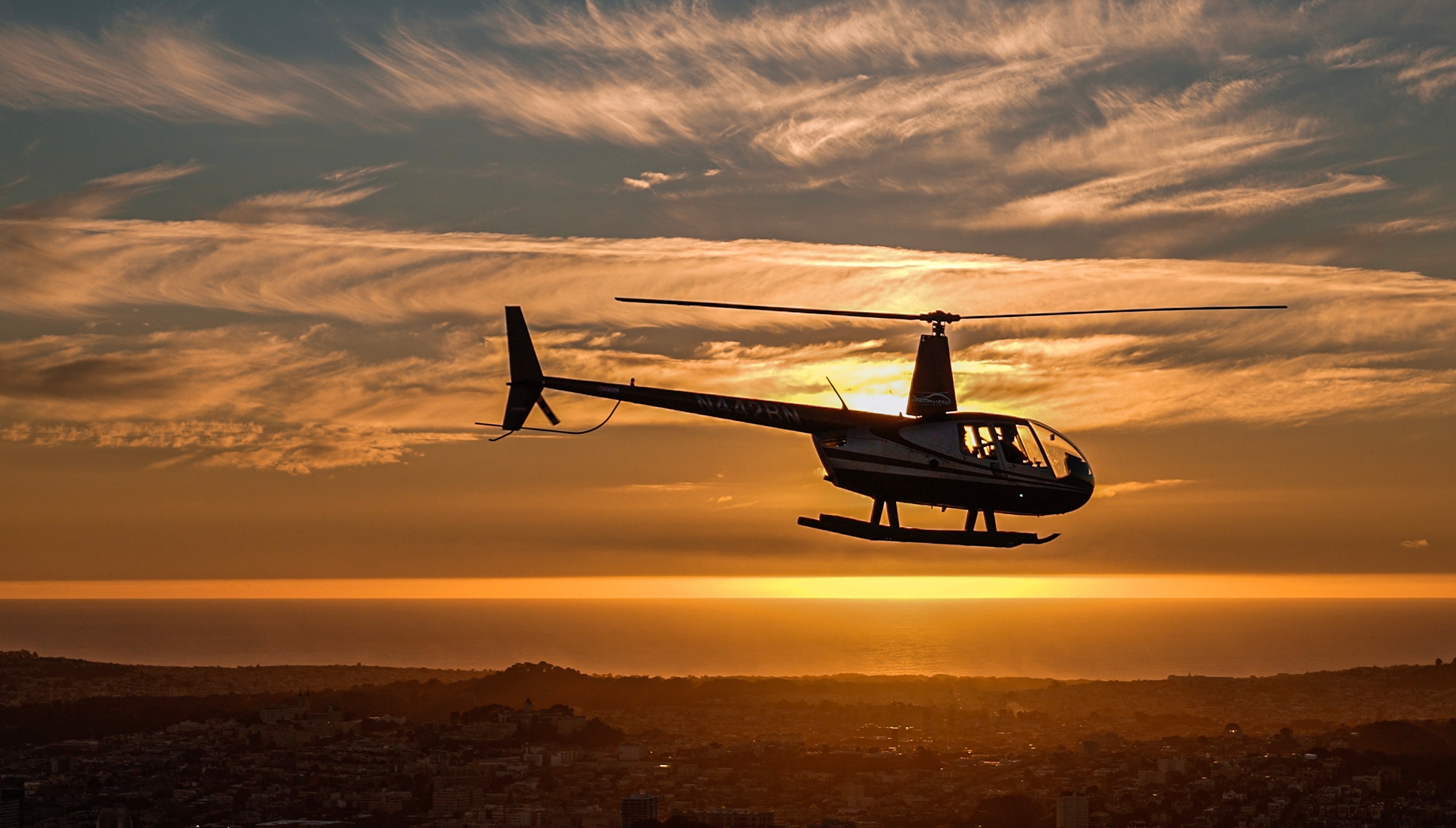 12
12Airplane
From low, intimate passes over sea cliffs to high, sweeping panoramas of the peninsula and open ocean, airplane experiences near Point Reyes Station transform a familiar coastal landscape into a living map. Whether you book a short scenic hop for photography and wildlife viewing or charter a small aircraft for private aerial reconnaissance, flights offer a fast, elegant way to understand the peninsula’s geology, seasonal migrations, and the interplay of fog, wind, and light that sculpt this stretch of Northern California coastline.
Explore airplane → 13
13Ferry
Ferries around Point Reyes aren't just transit; they're an entry ritual. They link coastal ranchland and wild headlands to island trails, kayak launch points, and seabird colonies. Whether you’re hopping a public ferry from Marin, boarding a wildlife-spotting boat from nearby harbors, or planning a multi-modal day that pairs a crossing with a Point Reyes hike or Tomales Bay paddle, ferries reshape the itinerary into a maritime adventure.
Explore ferry →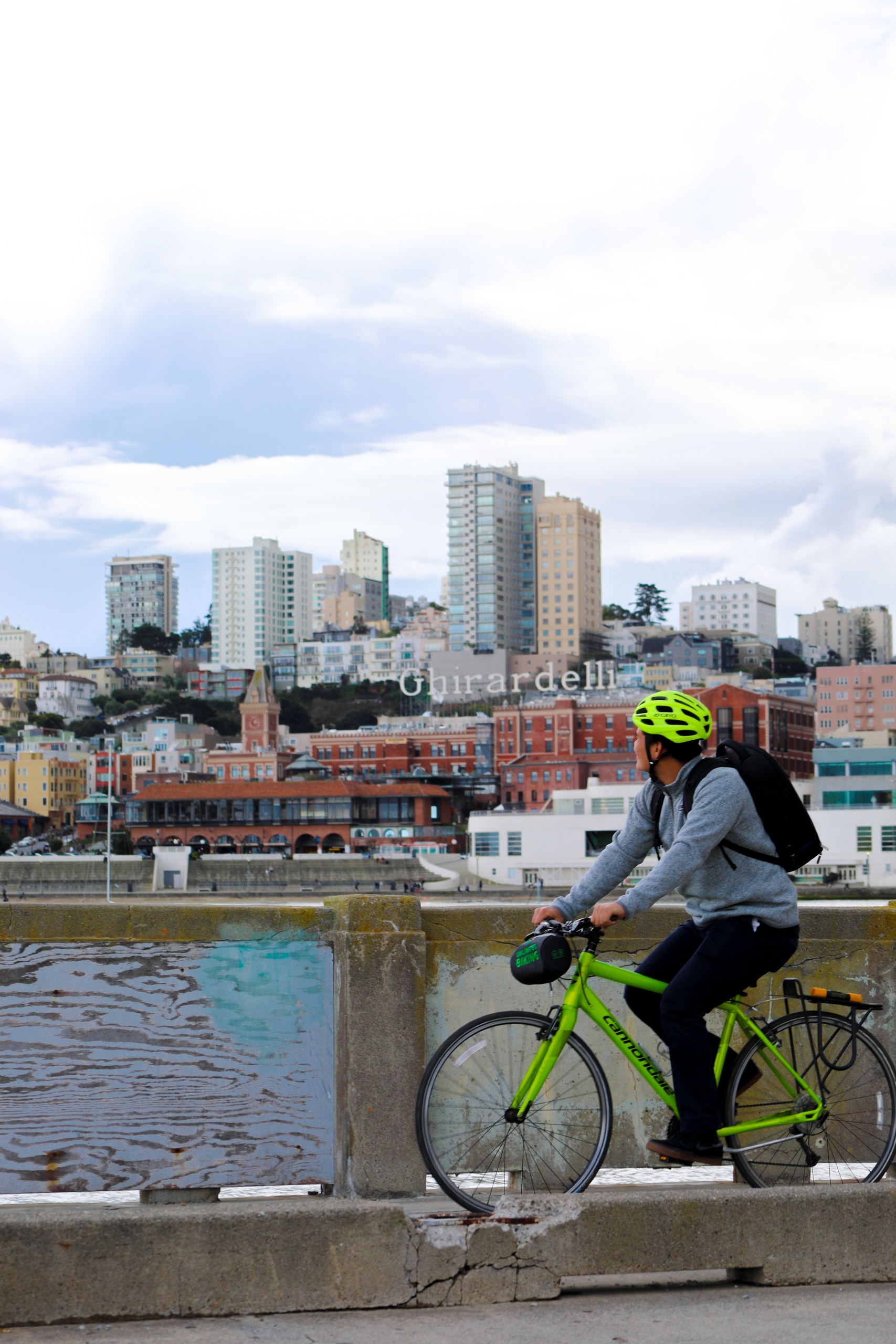 14
14E-Bike
Point Reyes Station condenses coastal drama and pastoral backroads into rideable form. E‑bikes expand the range: climb the gentle ridges without losing the joy of lingering at sea‑sprayed overlooks, link towns to tide pools, and spool out long shoreline circuits with less fatigue. This guide focuses on routes, terrain, seasonal realities, and the local etiquette that keeps these fragile places welcoming to riders and residents alike.
Explore e-bike → 15
15Lodging
Point Reyes Station is a compact cluster of inns, farm stays, cabins, and boutique rentals that feel less like generic overnight options and more like carefully chosen bases for coastal exploration. From fog-swept mornings on the headlands to quiet evenings listening to bull elk bugle in the hills, the lodging here is about proximity—short drives to trailheads, tidepools, and oyster bars—and about a deliberate pace that matches the landscape.
Explore lodging →The city and the sea
Why Point Reyes Station Belongs on Your Coastal Adventure List
Variety without surrendering the day to long transfers.
Point Reyes Station is the kind of place that shrinks the distance between imagination and action. Within a single day you can swap a coffee-fueled walking tour of a tidy main street for a salt-spray afternoon on the water: kayak launches and boat rentals on Tomales Bay, boat tours that scan for harbor seals and migrating whales, and small sailing charters that teach the local wind patterns. Inland, crisscrossing county roads invite bike tours and e-bike outings past grazing pastures and through shady groves; many visitors start at a bike rental rack before rolling toward the lighthouse or up to scenic ridge turns. The peninsula’s trail network is a narrative in itself—short, luminous coastal walks to wildflower-dusted bluffs, longer ridge scrambles that open onto sweeping views, and quiet estuary routes perfect for photography and birding. That layering—lodge a night or two in town, then mix walking and sightseeing tours with a half-day of water activities—creates an itinerary that feels abundant without being rushed. History and landscape are inseparable here. The Coast Miwok heritage, maritime ranching, and the National Seashore’s conservation legacy give context to every bay and bluff. That cultural grounding shows in local shops, farm stands, and the interpretive signs on popular trails. For travelers who crave practical access, Point Reyes Station has the goods: outfitters offering kayak and boat rentals, guided kayak and sailing trips, and even ferry or airplane connections for those arriving from the broader Bay Area. The town punches above its size with lodging options that range from cozy inns to hillside vacation rentals, letting you recharge between hikes or sunrise launches. And while the coast can be brisk and windswept, mornings often reward early departures with still water on Tomales Bay and tender light on meadow grasses. For planning, keep a simple checklist: book boat tours and specialized kayaking trips in advance for peak windows (spring and summer), consider an e-bike or bike rental to extend your range without adding strain, and layer for coastal microclimates—sun can flip to fog in an hour. The best adventure days pair mobility with local knowledge: a morning kayak with a guided naturalist, an afternoon bike tour to a cliffside overlook, and an evening stroll through town to round out the day. Whether you’re chasing marine life, hunting for dramatic coastal photographs, or simply savoring the tactile pleasures of salt and wind, Point Reyes Station rewards a measured approach—one that values sequence and variety over single-discipline extremes.
The peninsula is compact but ecologically diverse. In minutes you can move from oak-blanketed valleys to scrubby headlands and tidal flats, which makes Point Reyes a rare place where short excursions have outsized returns. Outfitters in town simplify logistics: bike rentals, guided kayak trips, and scheduled boat tours let you swap cars for human-powered or small-boat travel with little fuss.
Because the area is protected and visitor infrastructure is concentrated, stewardship matters. Trails can be muddy after rain and seabird breeding zones close seasonally—respect closures, use established put-ins for launches, and book guided outings when you want expert interpretation. Off-season weekdays offer quieter tidepools and emptier trails; peak summer weekends require earlier starts. The practical edge here is planning: tide tables for kayaking, wind forecasts for sailing, and sensible footwear for mixed-terrain hikes.
Conditions shape the day
The best time to visit Point Reyes Station.
Coastal microclimates rule here—mornings can be calm and cool with glassy bay conditions ideal for kayaking; afternoons often bring onshore breezes and fog. Spring and fall offer mild temperatures and lower wind frequency than peak summer.
Best all-around window
Spring + fall
Comfortable mixed-itinerary weather, thinner crowds at beaches and lookouts, and more room to improvise.
Beach season
Late spring through early fall, with summer weekends drawing the most day visitors—book boat tours, bike rentals, and lodging in advance.
Surf + whales
Late fall and winter weekdays give quieter trails, lower lodging rates, and dramatic storm-watching; bring rain gear and expect shortened daylight for multi-hour outings.
Coast to inland
Cool marine mornings often give way to warmer inland afternoons and breezy evenings.
Beginner
Short, low-exposure walks, sheltered bay paddles, and easy bike-and-coffee loops around town. Ideal for travelers new to coastal conditions.
- Guided morning kayak on Tomales Bay
- Short walk to Drake's Beach or the nearby tidepools
- Leisurely e-bike rental and loop through local roads
Intermediate
Longer ridge hikes, multi-hour kayaking with wind conditions to consider, and full-day bike tours on rural roads.
- Point Reyes headlands loop hike to the lighthouse (check access)
- Half-day self-guided kayak excursion with attention to tide changes
- Bike tour up to Pierce Point Road and return along scenic county lanes
Advanced
Exposed coast traverses, open-water paddles, long-distance cycling with significant mileage, and itineraries requiring navigation and local skill.
- Full-day coastal ridge traverse with mixed terrain
- Open-water crossing or guided sea kayak trip in variable conditions
- Self-supported bikepacking routes linking Tomales Bay to coastal trailheads
Field kit
What to bring.
Pack for sun, salt water, walking, and a meaningful temperature swing between coast and inland Point.
Essential
Start here
- Layered outerwear (windbreaker and fleece)
- Waterproof daypack or dry bag for phones and snacks
- Sturdy shoes for mixed coastal trails and rocky beaches
- Sun protection (hat, SPF 30+, sunglasses)
- Tide table or tide app for planning beach and kayak outings
Water days
Keep it dry
- Light insulating layer for dawn launches and evening chills
- Reusable water bottle and high-energy snacks
- Binoculars for birding and whale checks
- Spare phone battery or power bank
Long days
Stay flexible
- Compact tripod for long-exposure coastal photos
- Neoprene booties for cold-water paddles
- Inflation pump or spare tube for rented bikes (if allowed)
Insider note
Start early, then keep the geography tight.
Start early for the calmest paddling windows and to beat midday wind along the bluffs. For wildlife viewing—tule elk and shorebirds—park at designated pullouts and keep dogs leashed; some habitats are seasonally closed. If you plan a kayak or sailing trip, confirm launch permissions with local outfitters and carry a tide table and VHF or charged phone in a dry bag. Bike rentals and e-bikes are game-changers for sampling a broader area without a car swap; ask shops about recommended loop routes and return logistics. On busy summer weekends, choose a weekday morning for tidepools or a late-afternoon quiet stretch on less-trafficked trails. Finally, support local businesses—farm stands, small inns, and outfitters—who provide the region’s practical knowledge and sustainable access.
Good to know
Frequently asked questions.
Can I rent a bike or e-bike locally?
Yes—Point Reyes Station and nearby towns have shops offering bike rental and e-bike options that let you extend rides along country roads and onto gentle coastal climbs. Reserve during summer weekends.
Are guided kayak and boat tours necessary?
Not always. Calm sections of Tomales Bay are suitable for experienced paddlers to launch independently, but guided kayak tours add local navigation expertise and wildlife interpretation; boat tours are recommended for whale watching and offshore observation.
Is the Point Reyes Lighthouse accessible year-round?
Access can be limited seasonally for wildlife protection and subject to weather-related closures. Check National Seashore notices and plan alternate viewpoints if the lighthouse path is closed.
Ready when you are
Find the trip that fits your Point Reyes Station day.
Compare bookable experiences across the coast, city, and mountains—then save the ones that belong in your plan.
Explore all Point Reyes Station adventures ↗