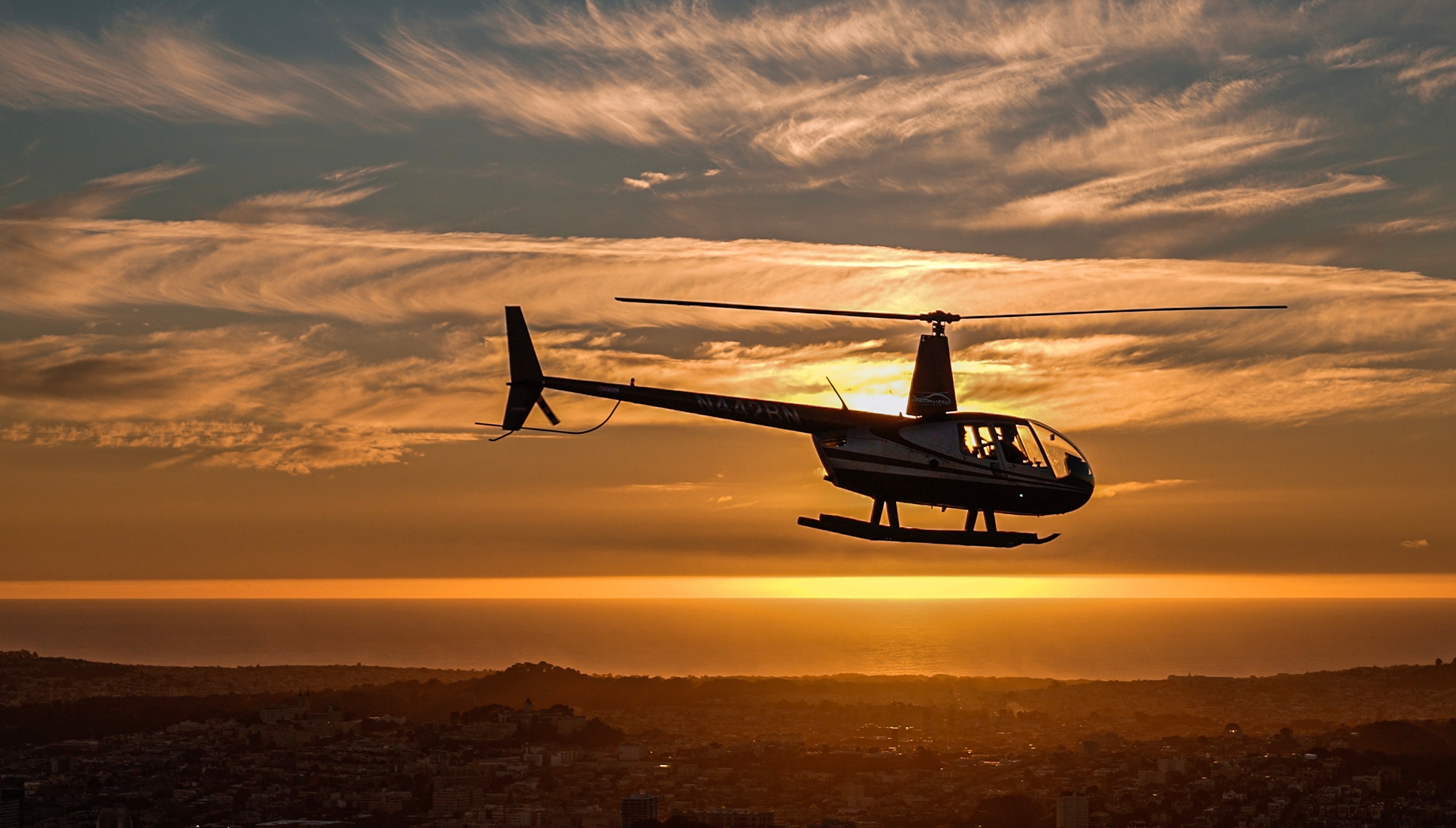
Airplane Adventures Around Point Reyes Station, California
From low, intimate passes over sea cliffs to high, sweeping panoramas of the peninsula and open ocean, airplane experiences near Point Reyes Station transform a familiar coastal landscape into a living map. Whether you book a short scenic hop for photography and wildlife viewing or charter a small aircraft for private aerial reconnaissance, flights offer a fast, elegant way to understand the peninsula’s geology, seasonal migrations, and the interplay of fog, wind, and light that sculpt this stretch of Northern California coastline.
Top Airplane Trips in Point Reyes Station
18 trips • Book with confidence • Instant confirmation
Why Airplane Experiences Unlock a New Point of View
Point Reyes Station is a place built to be seen from many angles—but it is at once most revealing and most mysterious from the air. Below, the peninsula unspools as a study in contrasts: serrated coastal cliffs give way to broad, sage-scented terraces; a spiderweb of estuaries and tidal marshes feeds a bright green matrix that sits against the endless grey of the Pacific. From a small plane or light aircraft, you read the landscape like a topographic poem: faults and folds become clear, feathered sand spits and dune systems are legible, and the sinuous ribbon of Tomales Bay stretches inland like a mirror threaded with oyster farms and tidal channels.
This perspective isn’t only aesthetic. Aerial flights make ecological patterns visible in a single sweep—migration corridors for whales and seabirds, the seasonal congregation of marine mammals offshore, and the hidden pockets of grassland where tule elk gather at the peninsula’s tips. Pilots and aerial guides translate these patterns in real time, pointing out landmarks that would take hours to find on foot or by car. For photographers and naturalists, the scale of the view accelerates curiosity: you can watch the marine layer pour in over the headlands, see where fog hugs the coastline and where it lifts to reveal sunlight-scarred cliffs, and plan follow-up exploration—kayak trips, hikes, or shoreline photography—based on what you observed from above.
Practically, airplane experiences near Point Reyes are varied in length and intent. Short scenic circuits emphasize visual storytelling—slow, low passes along the coast and a steady orbit of the peninsula’s most dramatic points. Longer charters can extend the view to adjacent coastal features: offshore island chains, river mouths, and the patchwork of agricultural valleys inland. Most flights are overflights rather than landings on the peninsula itself; safe, controlled views are the standard offering rather than remote-airstrip drop-offs. Weather is a central planning constraint: the region’s marine layer and coastal winds shape visibility and ride quality, so pilots often favor early morning or late-afternoon windows for calmer conditions and the most flattering light.
Choosing an airplane experience here is an invitation to layer activities: follow an aerial reconnaissance with a tidal marsh hike, or combine a flight with a boat-based wildlife tour for complementary angles on the same animals and habitats. The experience is accessible to a wide range of travelers, though it requires a bit of logistical attention—transport to nearby small airfields, flexibility around weather cancellations, and sensitivity to the region’s conservation rules. Ultimately, an airplane adds speed, context, and a kind of quiet intimacy to coastal exploration: from above, Point Reyes sheds its human scale and reveals the slow, patient rhythms of land and sea that have shaped it for millennia.
Aerial tours compress geography and time—what would be a day-long drive along the coast can be taken in a single circuit, revealing connections among headlands, bays, and offshore islands.
Weather and wind patterns dominate planning. Clear, calm windows in fall and late morning in shoulder seasons usually deliver the best visibility and smoothest ride.
Most operators provide commentary and tailor routes to wildlife seasonality—spring migration and winter whale movement are highlights—so ask about seasonal focuses when booking.
Best Time to Visit
Best Months
Weather Notes
Coastal marine layer can limit visibility in late spring and summer mornings; fall (September–November) typically offers the clearest skies and calmer winds. Winter can provide dramatic light and good offshore visibility on clear days but may bring stronger winds and shorter booking windows.
Peak Season
Fall clarity season (September–November) draws the most interest from photographers and sightseers.
Off-Season Opportunities
Winter and spring can be quieter, with winter offering strong whale-watching potential and spring delivering vivid coastal green-up and bird migration—expect more weather-related cancellations but fewer crowds when flights run.
Frequently Asked Questions
Do small plane tours land on Point Reyes Peninsula?
Most airplane experiences are overflights; the peninsula has limited or no regular public airstrips, so flights typically circle and orbit key features rather than land on the peninsula itself.
How far in advance should I book a scenic flight?
Book at least a few weeks ahead for weekends and fall clarity windows. If you have a specific light or wildlife window in mind, early booking is recommended and remain flexible for weather changes.
Are airplane tours safe for wildlife viewing?
Responsible operators follow altitude and routing guidelines to minimize disturbance. If wildlife viewing is a priority, ask the operator about their approach to wildlife etiquette and whether they adjust altitude for respectful observation.
Choose Your Experience Level
Beginner
Short scenic circuits (20–45 minutes) designed for first-time flyers and casual sightseers. These prioritize smooth, lower-altitude passes for good photo opportunities and narration.
- Coastal orbit of headlands and beaches
- Tomales Bay and estuary overview flight
- Short wildlife-focused sortie during peak migration
Intermediate
Longer charters (one to a few hours) that combine coastal overflights with inland reconnaissance. Ideal for photographers, naturalists, and travelers looking to tailor the itinerary.
- Extended peninsula circuit including offshore island views
- Aerial photography session timed for golden hour
- Combined flight with planning for follow-up land-based exploration (kayak or hike)
Advanced
Custom charters and survey-style flights requiring coordination and planning—often requested by researchers, filmmakers, or travelers seeking exclusive routes and extended air time. These demand flexibility for weather and may require advance logistical arrangements.
- Full-day coastal reconnaissance covering multiple bays and headlands
- Aerial survey or cinematography missions with specialized equipment
- Coordinated aerial + ground itineraries for multi-modal exploration
Insider Tips & Local Knowledge
Weather, visibility, and operator policies will shape the outcome—plan with flexibility and local guidance.
Aim for early morning or late-afternoon flights for calmer air and the best light; late summer mornings can be fog-bound while autumn often delivers the clearest windows. Request a window seat on both sides if possible—different legs of the circuit favor different views—and bring several spare batteries because cold can sap camera life. If your interest is wildlife, ask about seasonal focuses—some flights will plan to coincide with whale migrations or seabird concentrations. Remember that most airplane experiences are observation-focused: respect wildlife and park regulations, and use the flight as reconnaissance to plan deeper, lower-impact visits on foot, by kayak, or by boat. Finally, allow a buffer for ground logistics: small-airfield operations sometimes require earlier check-ins and short transfers from Point Reyes Station.
What to Bring
Essential
- Government ID (for boarding small aircraft when required)
- Layered clothing—coastal flights are chilly and windy, even on warm days
- Camera with a mid- to long-range lens and spare batteries
- Motion-sickness medication if you’re prone to airsickness
- Sunglasses and a hat for glare reduction during flight
Recommended
- Polarizing filter and fast memory cards for photography
- Noise-cancelling earplugs or headset (if not provided)
- Small binoculars for scanning the surf and shore
- Compact field guide for seabirds and marine mammals
Optional
- Notebook or voice recorder for notes during aerial survey-style flights
- Light daypack for a follow-up on-land excursion after landing
- Waterproof pouch for electronics in case of coastal spray
Ready for Your Airplane Adventure?
Browse 18 verified trips in Point Reyes Station with instant booking
Explore Top 15 Point Reyes Station, California Adventures →