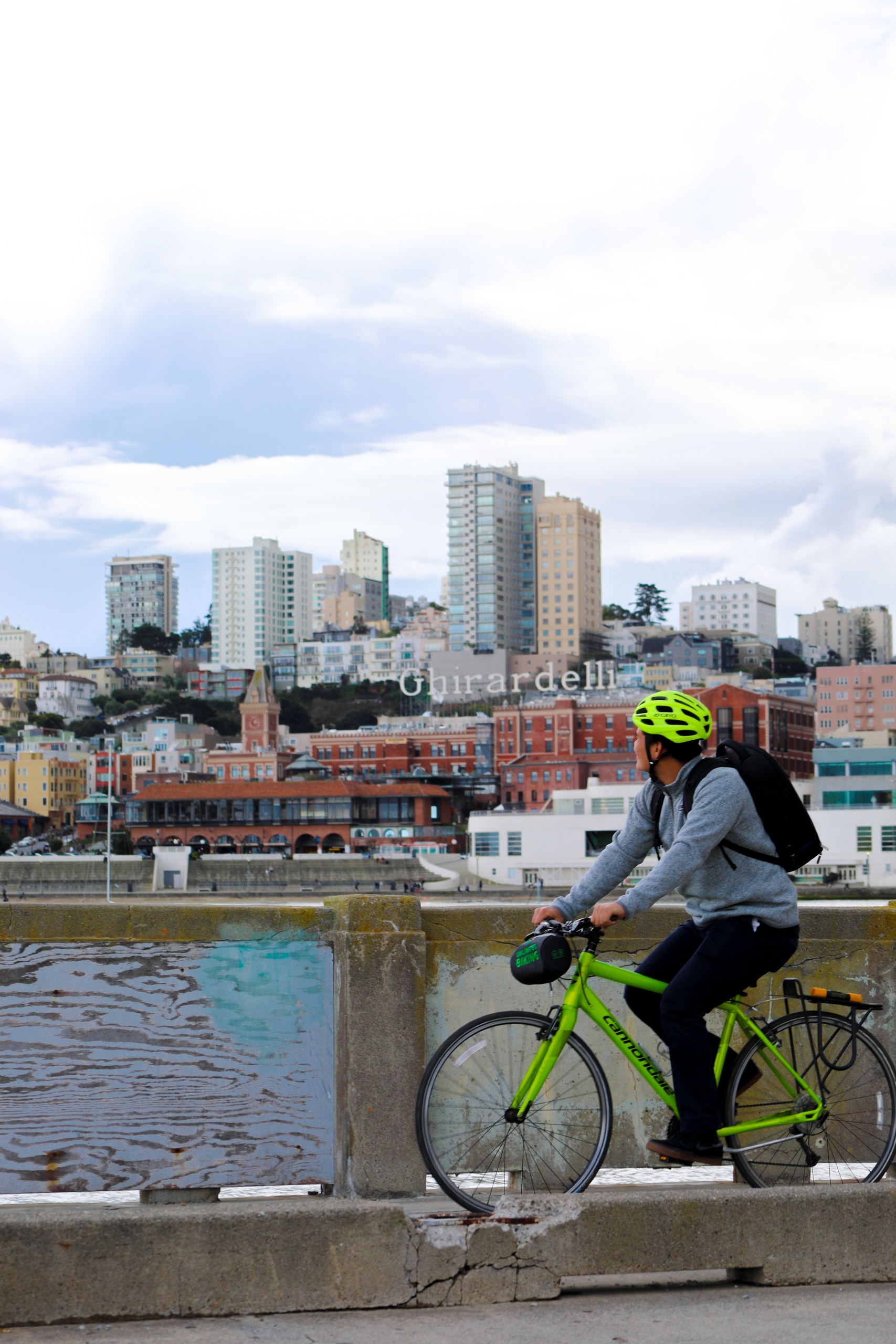
Top E‑Bike Adventures in Point Reyes Station, California
Point Reyes Station condenses coastal drama and pastoral backroads into rideable form. E‑bikes expand the range: climb the gentle ridges without losing the joy of lingering at sea‑sprayed overlooks, link towns to tide pools, and spool out long shoreline circuits with less fatigue. This guide focuses on routes, terrain, seasonal realities, and the local etiquette that keeps these fragile places welcoming to riders and residents alike.
Top E-Bike Trips in Point Reyes Station
17 trips • Book with confidence • Instant confirmation
Why Point Reyes Station Is Exceptional for E‑Biking
Point Reyes Station sits where coastal wind, sea fog, and broad agricultural valleys meet—an odd and generous pocket of Northern California where a rider can cross habitat types in a single afternoon. For e‑bikers the place is especially appealing because the electric assist softens the steep moments without erasing the sense of arrival. Routes thread quiet paved county roads, rural farm lanes, and designated cycling corridors that open to sweeping views of Tomales Bay and the Pacific beyond. You can pedal a wide loop that includes tide pools, dairy country, and cliffside overlooks while preserving energy to hike the short spur to a lighthouse or linger at a farmstand for fresh bread.
The landscape rewards varied pacing. Mornings commonly start in a cool marine layer that clings to the lowlands—great for long, sun‑softened miles—while afternoons may clear to brilliant coastal light, or shift to stiff northwesterly wind that demands strategy: tuck, draft, and pick sheltered approaches. E‑bikes make it easier to parcel the day—reserve battery power for ridge climbs, use pedal‑assist through headwinds, and swipe into a lower‑assist mode when you want to stretch the range. That flexibility opens itineraries that would be physically demanding on a conventional bike, allowing mixed groups of different fitness levels to stay together and enjoy the ride.
Beyond physiology, Point Reyes has cultural texture: working ranches, small coastal towns with cafes and bike shops, and a conservation ethic that shapes access. Many roads are rural and narrow—shared with tractors, tour buses, and wandering cattle—so an e‑biker’s responsibility is to ride predictably, yield readily, and park considerately. Conservation rules also influence where e‑bikes are allowed; the National Seashore and other protected lands have their own regulations about mechanized access. Check current rules before you roll. When you combine the technical possibilities of an e‑bike with local knowledge—tidal schedules for beach walks, wind forecasts for exposed climbs, and battery planning for remote stretches—Point Reyes becomes an ideal short‑range destination for memorable, low‑impact coastal cycling.
The draw is diversity: coastal cliffs, estuary flats, rolling dairy pastures, and low ridgelines are all reachable from town by paved roads and short gravel connectors.
Seasonal weather shapes rides—spring wildflowers and calmer winds are ideal; summer brings more visitors and persistent marine layer; fall offers crisp, clear days and long light.
E‑bikes broaden access for mixed‑ability groups but also require extra attention to park regulations, battery planning, and road etiquette around farm vehicles and livestock.
Best Time to Visit
Best Months
Weather Notes
Expect a cool marine layer most mornings through summer, with afternoons that can clear to sunshine or stiff winds. Spring and early fall present the most settled riding conditions; winter brings rain and muddy side lanes.
Peak Season
Late spring through early fall when roads are drier, services are fully open, and wildflowers or clear coastal days are most common.
Off-Season Opportunities
Winter delivers solitude and dramatic weather; off‑season rides can be rewarding if you prepare for rain, muddy roads, and reduced services. Many local businesses reduce hours mid‑winter.
Frequently Asked Questions
Are e‑bikes allowed on trails in Point Reyes National Seashore?
Regulations vary by land manager. Many backcountry trails restrict mechanized use; paved roads and designated biking corridors are typically more permissive. Check the National Park Service and Marin County rules before riding.
Where can I rent or charge an e‑bike in Point Reyes?
Point Reyes Station and nearby towns have a small but growing number of rental options and bike shops. Charging availability is limited—plan routes that return to town or bring a spare battery and converter. Contact rental shops in advance for up‑to‑date charging support.
What should I know about riding on roads here?
Roads can be narrow with limited shoulders; tractors, buses, and tourist traffic are common. Always signal clearly, ride predictably, use lights, and yield to faster traffic when appropriate. Respect private driveways and posted signs.
Choose Your Experience Level
Beginner
Short, low‑elevation rides on paved roads and protected paths suitable for riders new to distance cycling or e‑bike handling.
- Point Reyes Station to Nick's Cove via Sir Francis Drake Boulevard (flat to gentle rolling)
- Short loop to the Inverness boat launch and back
- Farmstand hop: local shops and cafes within town
Intermediate
Longer circuits incorporating moderate climbs, exposed ridges, and mixed pavement—good for riders comfortable with sustained pedal cadence and some traffic.
- Tomales Bay loop (south to north and return along the bay)
- Bear Valley Road out-and-back to the National Seashore boundary with beach access
- Inverness Ridge approaches with coastal viewpoint stops
Advanced
Full‑day rides that mix steep climbs, longer mileage, variable winds, and remote stretches where self‑sufficiency is required.
- Extended coastal circuit linking Point Reyes Station, Drakes Beach, and Limantour with return over Olema Valley
- Gravel connectors and ridge links for mixed‑surface route building
- Timed tidal‑aware runs that include short beach traverses where permitted
Insider Tips & Local Knowledge
Verify local access rules and battery‑charging options before you ride.
Start rides early to enjoy calmer winds and freer parking; mid‑day brings more visitors and stronger coastal gusts. Manage battery like a resource—use assist modes strategically and carry a charged spare if you plan long loops or off‑grid segments. When passing farm vehicles or livestock, slow and give wide clearance; many local farmers tolerate bicycles but expect riders to be cautious. Park and lock your e‑bike in town while you explore on foot—small businesses appreciate mindful visitors. Finally, always check tide and weather if your route includes beach exits or low‑lying estuary roads; conditions change quickly along the coast.
What to Bring
Essential
- Helmet (required by law for many rental providers)
- Charged spare battery or plan for mid‑ride charging; battery case/cover
- Portable multi‑tool and tire repair kit (tubes, patch kit, pump)
- Lock and waterproof bike bag or pannier
- Layers, including windproof shell and light insulating layer
- Hydration and electrolyte snacks
- Phone with offline maps and local emergency contacts
Recommended
- Low‑profile panniers or rack for hauling purchases
- Compact power bank and appropriate charging cables
- Gloves for longer descents and colder coastal mornings
- Sunglasses and sunscreen
- Small first‑aid kit
Optional
- Binoculars for bird and marine life spotting
- Lightweight camera with a strap
- Foldable up‑to‑date tide chart if planning beach access
- Microspikes or gaiters for muddy winter farm crossings
Ready for Your E-Bike Adventure?
Browse 17 verified trips in Point Reyes Station with instant booking
Explore Top 15 Point Reyes Station, California Adventures →