
Maalaea adventure guide
Find your way into Maalaea.
Perched on Maui’s leeward coast, Maalaea acts like a quiet throat between the island’s big resort towns and its wilder marine edges. It’s equal parts working harbor and launchpad: anglers, boat tours, and dive charters slip out past a low reef line toward Molokini and deepwater canyons. Use this guide to stack saltwater mornings—snorkel runs, whale-watch cruises, kayak and SUP paddles—with shoreline walks, simple hikes, and late-afternoon surf sessions. Practical, compact, and marine-first, Maalaea is where you plan your sea stuff and then get out and do it.
Three ways into the city
Pick a landscape. Build a day around it.
Maalaea is less a single destination than a collection of neighboring worlds. Start with the version of the city that matches your pace, then use the ranked guide below to fill in the details.

Begin where the city meets the sea.
Surf breaks, sheltered harbors, whale routes, and long beach paths make the coast LA’s most immediate outdoor playground.
Explore water activities →
Let a local connect the landmarks.
Use a guided city, walking, or sightseeing tour to turn LA’s sprawl into a coherent story.
Explore boat tour →
Ride the coast and the city.
Beach paths, river corridors, e-bikes, and ridge climbs reveal a more connected Los Angeles.
Explore bike tour →Choose your way into Maalaea
The top 15 Maalaea adventures.
Ranked by the number of currently listed trips. Each panel opens the complete local activity collection.
1Water Activities
A compact harbor with outsized access, Maalaea is the launch point for Molokini’s crystalline snorkeling, sunrise whale-watching sorties, and the small-boat adventures that define South Maui’s marine playground. This guide focuses on water-based experiences—snorkel and dive trips, paddle sports, sportfishing, and calm-water excursions—framed by practical notes on sea conditions, seasonality, and how to choose the right trip for your skill level.
Explore water activities →2Boat Tour
Maalaea is a small harbor with outsized marine access: from sheltered harbor slips you can step straight into the Pacific for whale-watching, Molokini snorkeling, sunset sails, and blue-water sportfishing. Boat tours here range from relaxed catamaran cruises to focused snorkeling trips and full-day expeditions, making Maalaea a practical launching point for both quick ocean experiences and longer marine adventures.
Explore boat tour → 3
3Snorkel
Maalaea is small in scale but enormous in opportunity: a working harbor that serves as the departure point for some of Maui’s clearest, most biodiverse snorkel sites. From quick morning launches to full-day boat trips, snorkeling from Maalaea puts you into protected reef systems, volcanic crater walls, and sandy flats where green sea turtles graze. This guide concentrates on the snorkel experience—what the water feels like, who you’ll see, and how to plan confident, responsible outings that maximize safety and ocean stewardship.
Explore snorkel → 4
4Surf
Maalaea sits at the quiet hinge between Maui’s bustling south shore and the island’s internal harbor life. For surfers it’s a practical, unflashy hub: a place where reef-sculpted points and protected beach breaks offer approachable waves for learners and playful lines for longboarders and small-swell specialists. This guide focuses on surfing in and around Maalaea—the rhythms of swell, wind, tides, and reef—and how to plan sessions that balance safety, stoke, and respect for a living shoreline.
Explore surf → 5
5Sightseeing Tour
Maalaea sits at the elbow of Maui where calm harbor waters meet a wild, reef-strewn coastline—an outsized gateway for short, vivid sightseeing tours. From harbor cruises that skirt the dramatic basalt of West Maui to half-day snorkel-sightseeing trips that drop you onto reef gardens, Maalaea is compact but rich: whale-watching vessels in winter, sunset cruises in summer, and cultural coastal walks year-round. This guide zeroes in on sightseeing as an activity—how the terrain and sea shape the experience, the practical choices that separate a pleasant outing from a memorable one, and the nearby experiences (snorkeling, coastal hikes, marine centers) that pair naturally with any Maalaea tour.
Explore sightseeing tour → 6
6Whale Watch
Maalaea is the practical and poetic gateway to Maui’s winter spectacle: North Pacific humpback whales migrating into warm Hawaiian waters to breed, calve, and teach their young. A short ride from Lahaina and Kihei, Maalaea’s sheltered harbor hosts a range of operators—from nimble zodiac trips to comfortable catamarans—delivering close but respectful views of surface behaviors, towering breaches, and intimate mother-calf interactions.
Explore whale watch → 7
7Scuba
A compact harbor with big-water access, Maalaea is the launch point for many of Maui’s signature scuba outings—Molokini dives, protected coral gardens, and accessible boat trips that condense island diving into half-day adventures. Expect warm water, varied reef topography, and a dive calendar that pairs well with snorkeling, boating, and seasonal whale watching.
Explore scuba → 8
8Hiking
Maalaea is a compact corridor of coastal trails, harbor-side promenades, and low-elevation ridge walks that deliver big-ocean drama with minimal effort. This guide focuses on hiking experiences that showcase surf-sculpted cliffs, volcanic shorelines, whale-watching vantage points, and accessible routes ideal for half-day outings or relaxed morning walks before a day on the water.
Explore hiking → 9
9Eco Tour
Maalaea is a compact but potent launching point for eco tours that thread together reef ecology, whale migration corridors, seabird habitats, and hands-on conservation experiences. From early-morning snorkel trips to Molokini’s protected crescent to guided marine biology excursions that explore coral health and turtle behavior, eco tours based out of Maalaea trade on clarity of water, accessibility of diverse marine environments, and a string of interpretive partners including research organizations and the Maui Ocean Center. Whether you want a gentle, family-friendly wildlife cruise or a citizen-science snorkeling expedition, the town’s harbor concentrates operators who emphasize stewardship, education, and direct encounters with the ocean’s living systems.
Explore eco tour → 10
10Photography Tour
Maalaea is a compact, coastal jumping-off point for some of Maui’s most photogenic marine and shoreline scenes. From whale-backed horizons in winter to glassy snorkeling days and golden-hour harbor edges, photography tours based here balance fast access to open ocean subjects with calm, photographic vantage points on land and sea.
Explore photography tour → 11
11Kayak
Maalaea sits where calm harbor launches meet the wide Pacific: a compact gateway to some of Maui’s clearest waters, thriving coral gardens, and frequent marine megafauna. This guide focuses on kayaking out of Maalaea—short paddle loops to coastal reefs, guided expeditions to Molokini and Turtle Town, and longer ocean crossings for experienced paddlers—blending practical route notes with seasonal tips and safety essentials.
Explore kayak → 12
12Sailing
Maalaea is the point where Maui meets the open Pacific with an inviting harbor and a reputation for some of the clearest coastal sailing around the island. From tranquil morning sails to brisk trade-wind runs and world-class snorkeling at Molokini, the small harbor punches well above its weight as a launching point for half-day sails, sunset cruises, and deep-water excursions for both relaxers and hands-on sailors.
Explore sailing →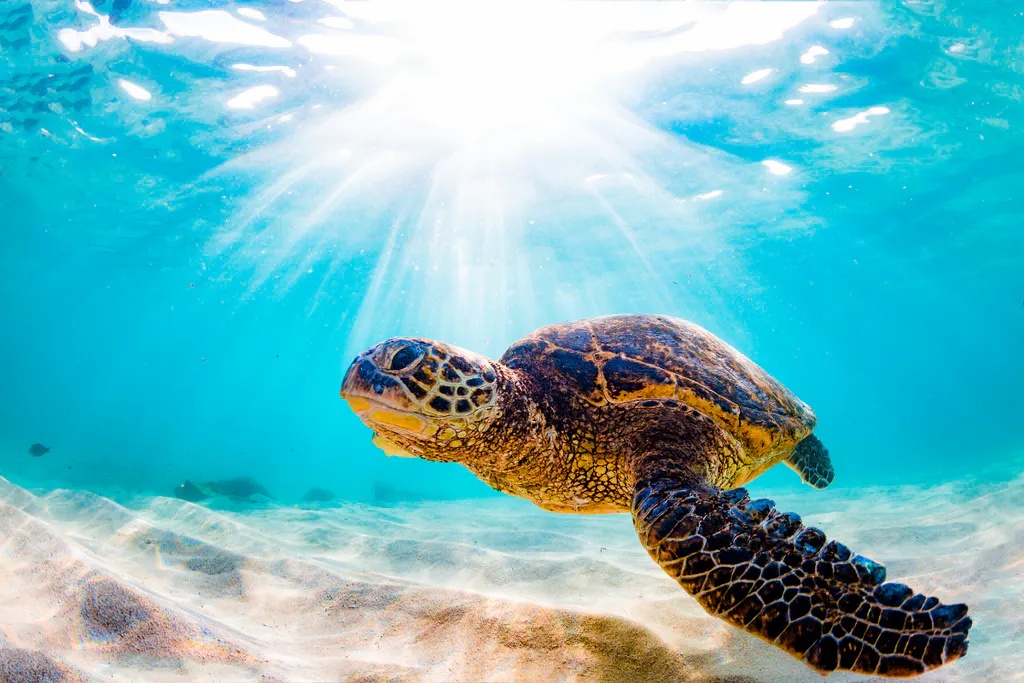 13
13SUP
Maalaea is Maui’s small-boat gateway with an outsized reputation for calm morning bays, reef-edged exploration, and accessible ocean wildlife encounters—making it a perfect base for standup paddleboarding (SUP). From glassy harbor laps to guided paddles along reef crescents and seasonal whale-watch excursions, the SUP options here are compact, varied, and rich with marine life.
Explore sup →14Bike Tour
Maalaea is a compact, coastal gateway to some of Maui’s most approachable and scenic rides: flat harbor loops, coastal promenades, and road tours that open onto broad ocean vistas and the serrated silhouette of West Maui. Bike tours here lean into what makes Maalaea singular—close-up views of the reef and surf, easy access to boat-based snorkel and whale-watching departures, and neighborly roads that suit guided e-bike excursions as well as drop-bar training rides. Expect bright, salty air, variable trade winds, and routes that pair effortless miles with memorable stopping points—beachfront cafes, reef outlooks, and pocket wetlands that host migratory birds.
Explore bike tour →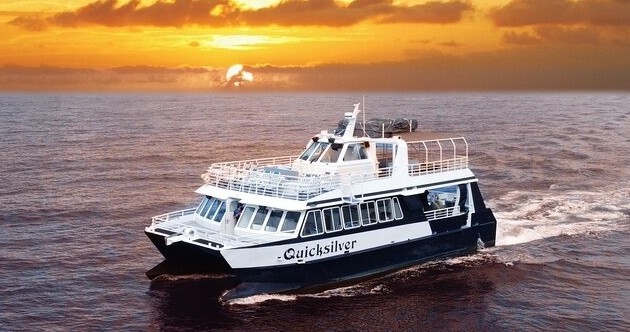 15
15Dolphin
Maalaea’s sheltered harbor and swift access to offshore reefs make it one of Maui’s most dependable launch points for dolphin encounters. From glass-bottom sightseeing to guided snorkel trips and small-group kayak jaunts, Maalaea serves as the jumping-off place for responsible, immersive dolphin-watching and swim-with experiences that prioritize animal welfare and marine conservation.
Explore dolphin →The city and the sea
Why Maalaea Belongs on Your Adventure Shortlist
Variety without surrendering the day to long transfers.
Maalaea is small in footprint but generous in opportunity. The harbor is the obvious magnet—dozens of operators run boat tours to Molokini’s crystalline crescent, half-day snorkel and scuba trips, and seasonal whale-watch cruises that layer natural history over the horizon. That marine focus colors everything: mornings are for salt, afternoons for sand or a lazy shore stroll, and evenings for the peculiar hush when the trade winds ease. Most visits begin with a decision—will you chase coral gardens under a mask, look for dolphins in the bow wake, or sit quietly with a camera as the sun bleeds across the bay? Whatever you choose, Maalaea rewards the curious with immediacy. You can be suiting up for a snorkel at sunrise and back in time for a coffee at a small harbor-side cafe. The place is also quietly practical. Outfitters are clustered near the launch points, which means gear, guided departures, and boat-based experiences are easy to stitch into a day without long transfers. That convenience opens Maalaea to a broad range of travelers: families who want a gentle dolphin encounter, photographers seeking clean horizons and reflections, and seasoned divers heading for deeper topography. On any given day you’ll see kayaks and SUPs skimming close to shore, small sailboats cutting the swell, and the occasional fishing charter heading for bluewater structure. The compact scale of Maalaea makes it an excellent base for stacking water activities—snorkel, scuba, whale watch, sailing, kayaking—into a single itinerary without the friction of island-wide travel. There’s also a cultural thread running through the harbor and nearby shorelines: look for interpretive signs, local crewmembers sharing place names and fish lore, and small businesses that orient their offerings around respect for reefs and marine life. Finally, Maalaea balances spectacle with accessibility. Unlike larger resort towns that demand a day of commitment, Maalaea’s attractions are approachable: short drives to viewpoints, quick boat hops to world-class snorkel sites, and ample launch options for self-powered paddles. That makes it ideal for a one-day marine binge or a relaxed week of alternating ocean days with inland adventures on the rest of Maui. It’s not a wilderness escape so much as a seaside hub—perfect for travelers who want the ocean up close, without the logistics puzzle.
Maalaea’s strength is its marine variety: boat tours to Molokini and the nearby reefs, seasonal whale watching, snorkeling, scuba, and everyday paddle sports. Outfitters here specialize, so you can match skill level to experience—family-friendly snorkel trips run alongside advanced wreck and deep dive itineraries.
Because the harbor sits on the leeward side, mornings are often glassy and ideal for early paddles or dawn snorkels. Afternoon trade winds can stiffen, making late-day sails and surf sessions lively. Use the harbor’s concentration of operators to plan short transfers and same-day double-ventures: a morning snorkel followed by an afternoon kayak or coastal hike.
Conditions shape the day
The best time to visit Maalaea.
Maalaea is generally mild year-round. Mornings are often glassy and ideal for snorkel, kayak, and SUP outings; tradewinds typically increase in the afternoon, favoring wind-driven activities like sailing and surf. Winter months bring higher swell and concentrated whale activity offshore—check sea conditions before booking small-boat departures.
Best all-around window
Spring + fall
Comfortable mixed-itinerary weather, thinner crowds at beaches and lookouts, and more room to improvise.
Beach season
Winter (holiday weeks) and whale season (late fall through spring) bring the highest demand for boat tours and snorkel trips—book charters early.
Surf + whales
Shoulder months (spring and fall) offer calmer seas, lower prices, and fewer crowds—ideal for repeat snorkel runs, photography tours, and multi-day dive plans.
Coast to inland
Cool marine mornings often give way to warmer inland afternoons and breezy evenings.
Beginner
Low-commitment experiences with minimal skill barriers—short boat snorkel trips, guided kayak tours in sheltered coves, easy shore swims, and family-oriented dolphin or whale-watch cruises.
- Half-day boat snorkel to a protected reef
- Guided harbor kayak or SUP tour
- Visit to the Maui Ocean Center and short shore strolls
Intermediate
Longer excursions and independent paddles—guided scuba, Molokini trips with drift snorkel sections, beach breaks for intermediate surfers, and self-guided coastal bike rides.
- Molokini snorkel with a small-group operator
- Guided scuba dives on house reefs or nearby drop-offs
- Afternoon SUP along the leeward coast
Advanced
High-skill, weather-dependent outings—bluewater fishing, advanced wreck or deep reef dives, open-ocean paddles, and big-wave surf sessions when conditions call for it.
- Advanced open-water scuba or technical dives
- Bluewater fishing charters targeting pelagic structure
- Long-distance coastal kayak or SUP paddles (experienced only)
Field kit
What to bring.
Pack for sun, salt water, walking, and a meaningful temperature swing between coast and inland Maalaea.
Essential
Start here
- Reef-safe sunscreen and a sun hat
- Light layers and a windbreaker for afternoon trades
- Quick-dry swimwear and water shoes
- Snorkel mask or prescription snorkel gear (if you prefer your own)
- Water bottle and reef-safe lip balm
Water days
Keep it dry
- Light reef-safe rash guard for sun and wind protection
- Waterproof phone case or small dry bag
- Polarized sunglasses for spotting undersea life from the boat
- Reusable snack kit for day trips
Long days
Stay flexible
- Light camera with a waterproof housing or action camera
- Compact binoculars for whale watching and bird life
- Trail shoes if you plan short coastal hikes or lava-field walks
Insider note
Start early, then keep the geography tight.
Book snorkel and whale-watch tours early in the day for calmer seas and better marine visibility. If a Molokini trip is high on your list, consider a midweek departure in shoulder season to avoid crowds. Bring reef-safe sunscreen and follow crew guidance—many operators brief on reef etiquette and safety. For photographers: golden-hour shots from low coastal vantage points require light travel; for wide-angle underwater shots, aim for mid-morning when suns rays penetrate shallower reefs. If you’re paddling, launch at calm slack water in the morning and always file a float plan with your operator or accommodations. Finally, respect local signage and marine protections—many nearby reefs are fragile and recovering; minimize anchoring on coral and use designated moorings when available.
Good to know
Frequently asked questions.
Can I access top snorkel sites from Maalaea on the same day?
Yes. Maalaea Harbor functions as a common launch for half-day and full-day trips to Molokini, coral gardens, and reef passes. Operators typically run multiple daily departures; book in advance during peak windows.
Is whale watching available from Maalaea?
Yes—seasonal whale-watch tours depart from the harbor during peak whale months. For the best wildlife encounters, choose operators that emphasize slower, respectful approaches and naturalist commentary.
Are there good shore-based activities if I don’t want to go by boat?
Absolutely. You’ll find shoreline walks, harbor-side birding, short coastal hikes, beach time on nearby South Maui sands, and the Maui Ocean Center for an on-land marine primer.
Ready when you are
Find the trip that fits your Maalaea day.
Compare bookable experiences across the coast, city, and mountains—then save the ones that belong in your plan.
Explore all Maalaea adventures ↗