2

Top 40 SUP Adventures in Maalaea, Hawaii

Maalaea, Hawaii

Maalaea is Maui’s small-boat gateway with an outsized reputation for calm morning bays, reef-edged exploration, and accessible ocean wildlife encounters—making it a perfect base for standup paddleboarding (SUP). From glassy harbor laps to guided paddles along reef crescents and seasonal whale-watch excursions, the SUP options here are compact, varied, and rich with marine life.

40
Activities
Year-Round (Calmest April–October)
Best Months

Top SUP Trips in Maalaea

40 trips • Book with confidence • Instant confirmation

Why Maalaea Is a Standout SUP Destination

Maalaea sits on Maui’s south-central coast like a small, well-placed pause between the island’s busier towns. For standup paddlers the geography is everything: a modest harbor, flanked by broad reef flats and a string of nearshore features that calm the ocean on most mornings and feed the currents and swells into predictable patterns later in the day. That reliability breeds opportunity. Beginners can learn to balance in glassy, waist-deep water; intermediates can trace the reef edges in search of turtles and passing rays; seasoned paddlers can plan early-morning crossings and downwind runs when conditions align.

There’s a distinct ecological and cultural texture to paddling here. Offshore, Molokini Crater—one of Hawaii’s most famous snorkel destinations—sits like a crescent reef museum, and many SUP tours stage departures from Maalaea Harbor toward its clear water and steep drop-offs. Closer to shore, Kealia Pond and the adjacent wetland corridors tell a quieter story: migratory birds, ancient fishponds, and coastal vegetation that has persisted through generations of change. Local guides often weave these narratives into their outings—pointing out traditional fishing practices, reef stewardship, and the seasonal rhythms that dictate safe and rewarding paddles.

Practicality pairs with poetry in Maalaea. The harbor’s launches are easy, parking is compact, and a cluster of outfitters offer everything from inflatable boards to SUP-surf lessons. Mornings are generally the most hospitable—light trade winds and calm sea states—while afternoons bring more wind and choppiness as the trade winds kick up. Winter months can produce larger south and west swells, which are spectacular for experienced ocean paddlers but can close out reef channels for novices. That interplay of conditions gives Maalaea a broad appeal: it’s an ideal training ground for new paddlers, a convenient platform for family outings and wildlife-friendly tours, and a launchpad for more ambitious coastal and open-ocean endeavors for those chasing longer runs or crossing to nearby reef features.

Varied access: sheltered harbor launches, shallow reef flats for gliding, and guided trips to Molokini and nearby snorkeling sites.

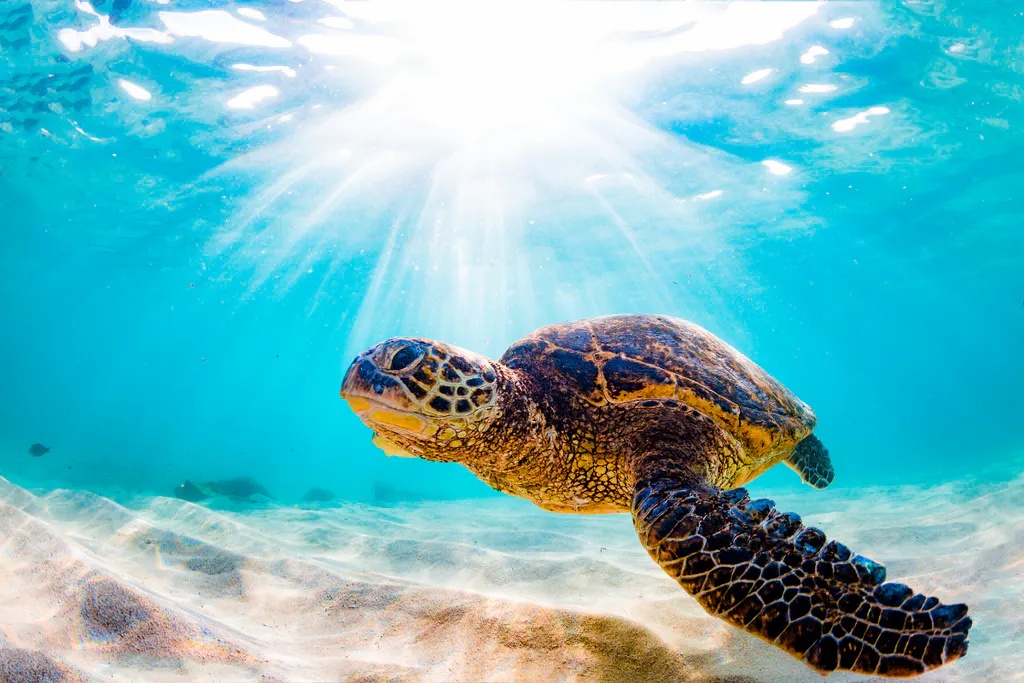
Wildlife and culture: frequent turtle sightings, seasonal humpback whales offshore (Dec–Apr), and local guides who explain traditional Hawaiian coastal practices.

Activity focus: Standup Paddleboarding (SUP)
40 SUP adventures and guided options centered on Maalaea Harbor and nearby reefs
Best morning conditions: calm, glassy water before trade winds strengthen
Seasonal wildlife highlights: humpback whales (Dec–Apr) and sea turtles year-round
Be reef-aware: practice low-impact paddling and avoid standing on coral

Best Time to Visit

Best Months

AprilMayJuneSeptemberOctober

Weather Notes

Maalaea sees the calmest, most predictable paddle conditions in spring through early fall. Mornings are typically calmer before the trade winds build; afternoons can get windy and choppy. Winter months bring larger swells and active whale season—spectacular for wildlife viewing but sometimes rough for casual paddlers.

Peak Season

Summer months and holiday weeks draw more visitors; whale season (Dec–Apr) increases boat traffic around Molokini and offshore areas.

Off-Season Opportunities

Winter offers exceptional whale encounters from a distance and bigger surf features for experienced paddlers; lower visitor numbers midweek can mean quieter harbor launches.

Frequently Asked Questions

Do I need permits for SUP in Maalaea?

For typical day paddles and guided tours no special permit is required. Commercial tours operate under their own permits; if you plan to land on protected islets or enter restricted marine zones for research or events, verify local regulations in advance.

Are there places to rent gear or get lessons?

Yes. Several outfitters and tour operators in Maalaea provide board rentals, guided SUP tours, and beginner lessons—most include instruction, PFDs, and basic safety gear.

Where are the best launch spots?

Maalaea Harbor is the primary and easiest launch for SUP—there are gentle launch ramps and small beaches. Some outfitters also stage from adjacent protected reef flats depending on tide and wind.

Is Maalaea safe for beginners?

Yes—Maalaea Harbor and the inner reef flats offer sheltered, shallow water ideal for beginners when winds are light. Avoid exposed reef channels and plan outings in the morning when seas are calm.

Choose Your Experience Level

Beginner

Sheltered harbor laps and flat reef-flat paddles that focus on balance and comfort in calm water.

  • Introductory harbor lesson and short guided loop
  • Family-friendly reef-flat glide with wildlife spotting
  • SUP yoga or balance clinics in calm waters

Intermediate

Longer coastal paddles along the reef edge, basic navigation around buoys and light boat traffic, and guided snorkel-SUP combos.

  • Reef-edge tour toward Molokini viewing zones
  • Early-morning wildlife paddle with turtle and reef-spotting
  • Coastal exploration to nearby pocket beaches

Advanced

Open-ocean crossings, downwind runs when trades are favorable, surf-zone SUP and high-energy outings requiring strong paddling, self-rescue skills, and navigation experience.

  • Planned crossing or long-distance run to offshore reef features
  • Downwind paddles timed with trade-wind windows
  • SUP sessions in larger winter swells for experienced riders

Insider Tips & Local Knowledge

Respect reef habitat, time your launch for morning calm, and pick a reputable outfitter if you’re unfamiliar with local currents.

Launch at first light when the water is usually glassy and the boat traffic is minimal. Use reef-safe sunscreen and keep distance from turtles and resting marine mammals—approach slowly and avoid crowding. Check tide and swell forecasts and ask your outfitter about current patterns near the breakpoints; channels near the harbor can produce unexpected winds and current shifts. If you plan an independent paddle, carry a personal flotation device, whistle, and a means to call for help. Consider combining a SUP outing with a snorkel trip to Molokini or a visit to the Maui Ocean Center for a fuller marine-context day. Finally, support local businesses and guides—many invest directly in reef conservation and community stewardship programs.

What to Bring

Essential

  • Personal flotation device (PFD) or PFD provided by outfitter
  • Leash (standard for open water paddling)
  • Reef-safe sunscreen and sun-protective clothing
  • Water, snacks, and basic hydration system
  • Waterproof phone case or VHF for guided outings

Recommended

  • Light wind shell for early mornings or cooler months
  • Quick-dry leggings or boardshorts and water shoes for rocky launches
  • Small dry bag for keys and camera
  • Basic first-aid items and blister plasters for long paddles

Optional

  • Light camera or action camera with float strap
  • Binoculars for whale-watching season
  • Inflatable hand pump if using an iSUP and no outfitter support
  • Eco-friendly insect repellant for wetland areas

Ready for Your SUP Adventure?

Browse 40 verified trips in Maalaea with instant booking

Explore Top 15 Maalaea, Hawaii Adventures →