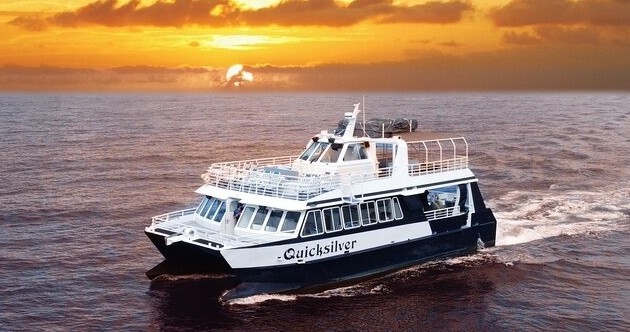
Dolphin Experiences in Maalaea, Hawaii
Maalaea’s sheltered harbor and swift access to offshore reefs make it one of Maui’s most dependable launch points for dolphin encounters. From glass-bottom sightseeing to guided snorkel trips and small-group kayak jaunts, Maalaea serves as the jumping-off place for responsible, immersive dolphin-watching and swim-with experiences that prioritize animal welfare and marine conservation.
Top Dolphin Trips in Maalaea
28 trips • Book with confidence • Instant confirmation
Why Maalaea Is a Standout Dolphin Destination
There’s a particular hush in the early morning out of Maalaea Harbor: the air tastes of salt and sun-warmed hulls, and the harbor mouth opens into a glass-smooth swath of blue that often hosts dolphins within the hour. Maalaea is less about dramatic cliffs and more about access—the kind that matters when you want to meet a wild marine mammal on its terms. Spinner dolphins and bottlenose dolphins frequent Maui’s nearshore waters; spinner dolphins in particular use shallow bays around the island as daytime resting places after nocturnal feeding far offshore. Launch from Maalaea, and you cut the transit time to productive dolphin zones, increasing the odds you’ll observe active behavior rather than a distant dorsal fin.
What separates Maalaea from busier ports is scale and variety. You can join a larger catamaran for a relaxed observation cruise with onboard naturalists, step into a small RIB for a faster, more intimate search, or paddle out with a guided kayak or SUP for a low-impact, quiet-way-in option. Many operators out of Maalaea emphasize slow approaches, distance-regulated viewing, and education: a responsible encounter in Hawai‘i balances that electric thrill of seeing dolphins up close with respect for their rhythms. Visitors who opt to snorkel will find rocky reef edges and sandy slopes beyond the harbor where dolphins sometimes glide past—an exhilarating crossover of reef life and open-ocean mammals.
Beyond the animal itself, Maalaea-centric dolphin trips often nestle neatly into broader marine days: whale-watching in winter can be combined with dolphin-focused excursions in shoulder seasons; snorkeling with sea turtles and tropical reef fish complements any dolphin outing; and visits to the nearby Hawaiian Islands Humpback Whale National Marine Sanctuary visitor center add cultural and scientific context. For photographers, the low afternoon sun and the unflashy, candid movements of dolphins create compelling sequences—while naturalists will tell you the true reward is hearing stories of social structure and foraging strategies that make each encounter a learning moment.
Practically speaking, Maalaea’s accessibility from central and south Maui makes it ideal for half-day trips and families. Local guides know which bays offer the best midday rest spots for spinner dolphins and which open-water corridors host moving pods. The result is a destination where patience and preparation meet high probability: you don’t need a chartered expedition to feel like an explorer, but you do benefit when everyone aboard understands approach rules and carries a curiosity for coral, currents, and conservation.
The predictable elements are simple: dolphins are wild, their presence fluctuates with tides, feeding cycles, and human activity. The most respectful encounters happen when operators maintain distance, explain behavioral cues, and never attempt to herd or touch animals. Maalaea tours that prioritize education and permit compliance provide richer, ethically sound experiences.
Complementary activities around Maalaea—snorkeling reefs, exploring tidepools, and visiting the harbor’s fisheries education center—give context to dolphin behavior. Combining a dolphin trip with a reef snorkel or a coastal hike creates a fuller portrait of Maui’s marine ecosystems.
Best Time to Visit
Best Months
Weather Notes
Maalaea enjoys generally warm, tropical conditions year-round. Spring through fall often brings gentler trade winds and calmer seas, which improves viewing and small-boat comfort. Winter months can bring larger swells and windier days that can limit small-boat operations.
Peak Season
Summer months and school holiday periods have heavier tour bookings and fuller boats.
Off-Season Opportunities
Winter offers quieter harbors and good rates, though sea conditions can be rougher; some operators run smaller, weather-dependent outings for experienced travelers.
Frequently Asked Questions
Can I swim with dolphins in Maalaea?
Operators may offer guided snorkel or swim-focused trips, but interactions are governed by rules protecting wild dolphins. Most reputable tours emphasize observation and do not allow pursuit or touching of dolphins. Small-group, low-impact snorkel trips increase the likelihood of an ethical, memorable encounter.
Are dolphin-watching trips suitable for kids?
Yes—many dolphin cruises out of Maalaea are family-friendly with short transit times. Bring motion-sickness prevention, sun protection, and a positive expectation: kids often respond best to calm, educational outings rather than high-speed chases.
Do I need experience to paddle with dolphins?
Beginner kayakers and SUPers can join guided shore-based paddle trips, but expect guides to set boundaries and maintain distance from animals. Comfort with basic paddling skills and calm-water conditions are recommended; guides will brief participants on safety and wildlife etiquette.
Choose Your Experience Level
Beginner
Short, sheltered cruises and family-oriented tours that prioritize safe viewing and naturalist-led interpretation.
- Half-day dolphin-and-sightseeing catamaran
- Glass-bottom boat dolphin watch
- Harbor-based snorkeling with reef highlights
Intermediate
Small-group RIBs, guided snorkel encounters near reef edges, and paddle tours in calm conditions—more active and intimate but still accessible.
- Small RIB or zodiac dolphin search
- Guided kayak or SUP dolphin observation
- Snorkel trip combining reef fish and passing pods
Advanced
Custom or technical outings that require sea experience, such as offshore searching in variable seas or ecological research-style trips focused on behavior and identification.
- Offshore day trips in variable conditions
- Photography-focused expeditions with longer transits
- Citizen-science or survey outings with researchers
Insider Tips & Local Knowledge
Respect the animals: the best stories come from patient observation, not pursuit.
Book early for mornings—calm water and quieter boat traffic increase sighting quality. Choose operators who clearly state their approach protocols and refuse to herd or touch dolphins. If you’re prone to seasickness, take meds the night before and bring ginger chews. Bring reef-safe sunscreen and avoid wearing lotions that can harm coral. For photographers: use a fast shutter and anticipate movement; a telephoto or zoom lens helps capture behavior from a respectful distance. Combine a dolphin trip with a reef snorkel or a visit to the nearby marine sanctuary exhibits to round out your understanding of local ecology. Finally, listen to naturalists: knowing a little about feeding vs. resting behavior makes every sighting richer.
What to Bring
Essential
- Reef-safe sunscreen (non-nano zinc oxide preferred)
- Light windbreaker and a sun hat
- Swimwear and quick-dry layers
- Water, snacks, and seasickness medication if prone
- Snorkel, mask, and fins (rentals available at the harbor)
Recommended
- Small dry bag for phone and documents
- Polarized sunglasses for spotting at a distance
- Underwater camera or action cam with float strap
- Reusable water bottle and shade towel
Optional
- Binoculars for distant pod behavior
- Waterproof field guide or quick marine ID cheat sheet
- Light reef shoes for rocky shore access
Ready for Your Dolphin Adventure?
Browse 28 verified trips in Maalaea with instant booking
Explore Top 15 Maalaea, Hawaii Adventures →