
Lahaina adventure guide
Find your way into Lahaina.
Lahaina is a compact launchpad for ocean-first adventures: mornings on a snorkeling reef, afternoons chasing wind and swell, and evenings watching the harbor glow. This guide focuses on water activities and coastal culture—boat tours, whale watch cruises, surf sessions, and accessible hiking—so you can stitch together a day of marine life, reef work, and shoreline scenery with practical tips for each outing.
Three ways into the city
Pick a landscape. Build a day around it.
Lahaina is less a single destination than a collection of neighboring worlds. Start with the version of the city that matches your pace, then use the ranked guide below to fill in the details.

Begin where the city meets the sea.
Surf breaks, sheltered harbors, whale routes, and long beach paths make the coast LA’s most immediate outdoor playground.
Explore water activities →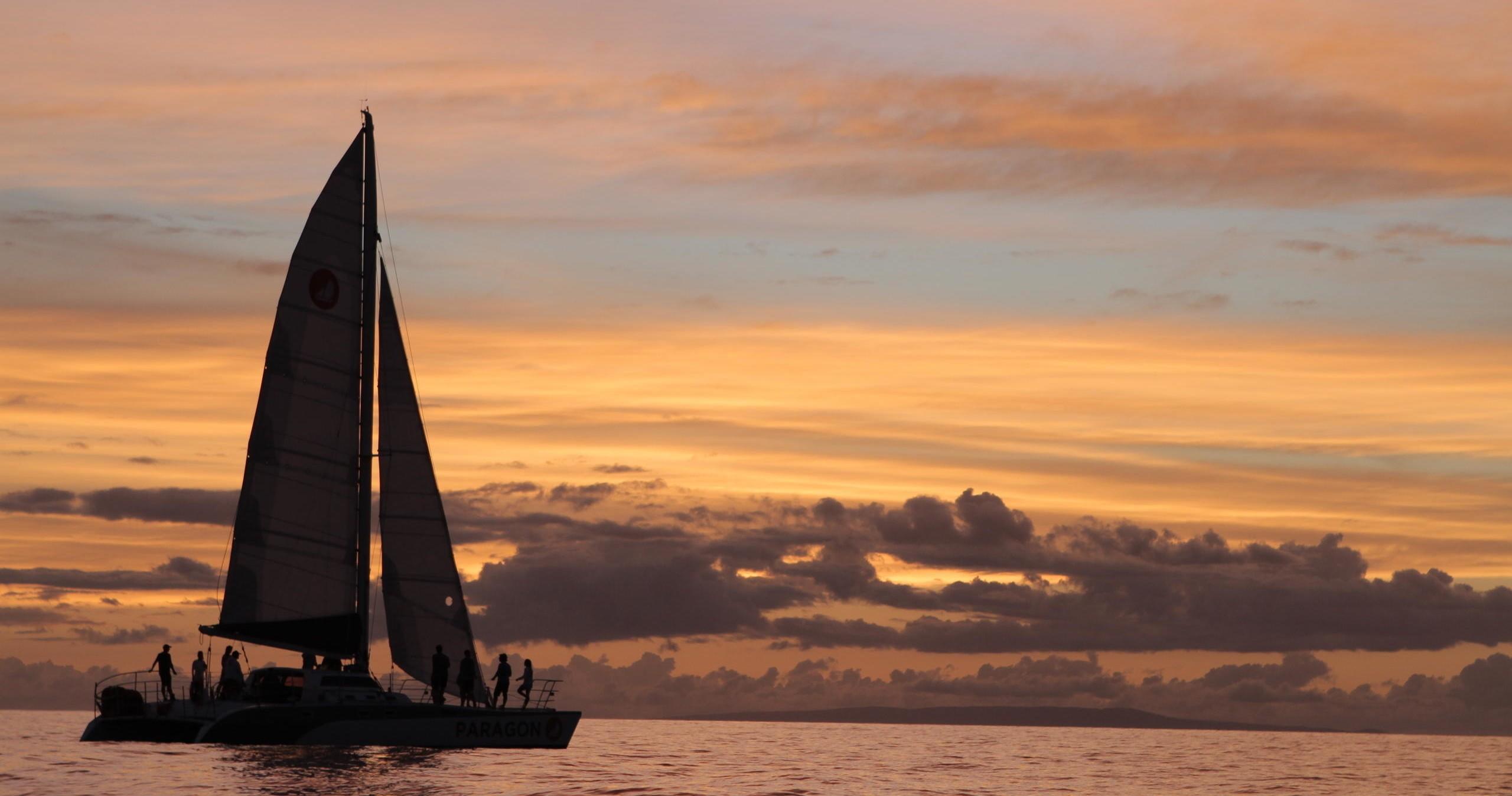
Let a local connect the landmarks.
Use a guided city, walking, or sightseeing tour to turn LA’s sprawl into a coherent story.
Explore boat tour →
Ride the coast and the city.
Beach paths, river corridors, e-bikes, and ridge climbs reveal a more connected Los Angeles.
Explore bike tour →Choose your way into Lahaina
The top 15 Lahaina adventures.
Ranked by the number of currently listed trips. Each panel opens the complete local activity collection.
1Water Activities
Lahaina sits at the seam of calm, reef-protected bays and open ocean corridors that funnel pelagic life close to shore. From dawn paddleboarding in glassy, mango-tinted water to whale‑spotting afternoons and lantern-lit night swims, the town’s water culture is a blend of old whaling history, Hawaiian stewardship, and modern adventure services. This guide focuses on water-based experiences—snorkel and SCUBA sites, surf breaks, SUP and kayaking access, sport fishing charters, and seasonal wildlife encounters—paired with practical planning notes so you can spend less time guessing and more time in the water.
Explore water activities →2Boat Tour
From sunrise whale-watch excursions to wind-swept sunset sails, Lahaina’s boat tours are the clearest way to read Maui from the water. Set against the rugged silhouette of West Maui and the broad stretch of the Auau Channel, these outings range from short harbor cruises and family snorkeling trips to full-day offshore adventures—each tuned to seasons, sea state, and the local rhythms of marine life. Expect close encounters with humpbacks in winter, glassy snorkeling around volcanic reefs in summer, and a palette of tour styles—catamarans, rigid-hulled inflatables, private charters, and traditional sails—that suit every comfort level.
Explore boat tour →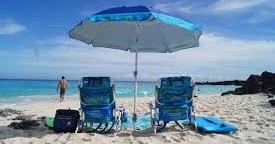 3
3Snorkel
Lahaina's shallow reefs and nearby protected banks offer some of the most accessible and variety-rich snorkeling on Maui. From sheltered lava outcrops teeming with reef fish to clear-blue boat drops at offshore banks, snorkeling here is as much about easy access and reliable conditions as it is about vivid marine life. This guide focuses on snorkeling experiences that begin in and around Lahaina—shore entry coves, guided boat trips to isolated reefs, and half-day excursions to nearby marine reserves—so you can plan an outing that matches your comfort level and time window.
Explore snorkel → 4
4Surf
Lahaina’s shoreline condenses the contradictions that make Hawaiian surfing unforgettable: glassy summer mornings for beginners, raw winter swells that test seasoned locals, and protected coves where coral gardens meet rolling, forgiving beach breaks. This guide focuses on surfing in and around Lahaina—where to learn, when to chase swell, how to read the reef, and which nearby complementary activities round out a Maui surf trip.
Explore surf → 5
5Whale Watch
Each winter the sheltered blue of the Auʻau Channel becomes a stage for one of the planet’s most accessible marine spectacles: migrating humpback whales. Lahaina, with its historic harbor and fleet of experienced skippers, is the place to feel the slap of a tail, hear the surfacing exhale, and learn the rhythms of whales that return to Hawaiian waters every year.
Explore whale watch → 6
6Sightseeing Tour
Lahaina is where ocean and history meet in a string of sightseeing tours that range from gentle harbor sails to reef-side snorkeling runs and guided cultural walks down Front Street. This guide focuses on the sightseeing-tour experiences that start, end, or center around Lahaina — scenic sunset sails, whale-watching excursions in winter, shore excursions that thread the jagged lava coastline, and curated walking tours that unpack the town's layered plantation and whaling past. Across 92 curated trip options you'll find a mix of short, accessible outings and longer boat-based adventures that reveal the breadth of West Maui's coastline, reefs, and cultural landscape.
Explore sightseeing tour → 7
7Scuba
Lahaina is the West Maui gateway to some of Hawaii’s clearest water, vibrant hard and soft corals, and dynamic boat-access sites. Expect a mix of sheltered reef dives, dramatic drop-offs, and drift opportunities that reward disciplined buoyancy and an eye for macro life. This guide focuses on getting underwater from Lahaina—what to expect, when to go, and how to plan dives that balance thrill with safety.
Explore scuba → 8
8Hiking
Lahaina is coastal Maui compressed into a dramatic junction of reef-strewn shoreline and steep volcanic ridgelines. Hiking here is less about long alpine treks and more about contrasts: low, sun-hammered coastal paths that thread lava benches and tide pools; hidden gulches that drop into ferned canyons; and nearby West Maui Mountain trails that climb into a cooler, green world buttressed by cloud forests. The best hikes are short, sensory, and often paired with snorkeling, surfing, or cultural stops in town.
Explore hiking → 9
9Eco Tour
Lahaina's shoreline is a living classroom: coral terraces and offshore islets, seasonal whale superhighways, and coastal forests where Hawaiian plants and cultural history meet. Eco tours here range from small-group snorkel expeditions and guided sea-kayak outings to shore-based cultural walks and community-led restoration projects. Each experience aims to connect visitors to the ecosystems that sustain Maui—marine, coastal, and upland—while emphasizing stewardship and low-impact adventure.
Explore eco tour →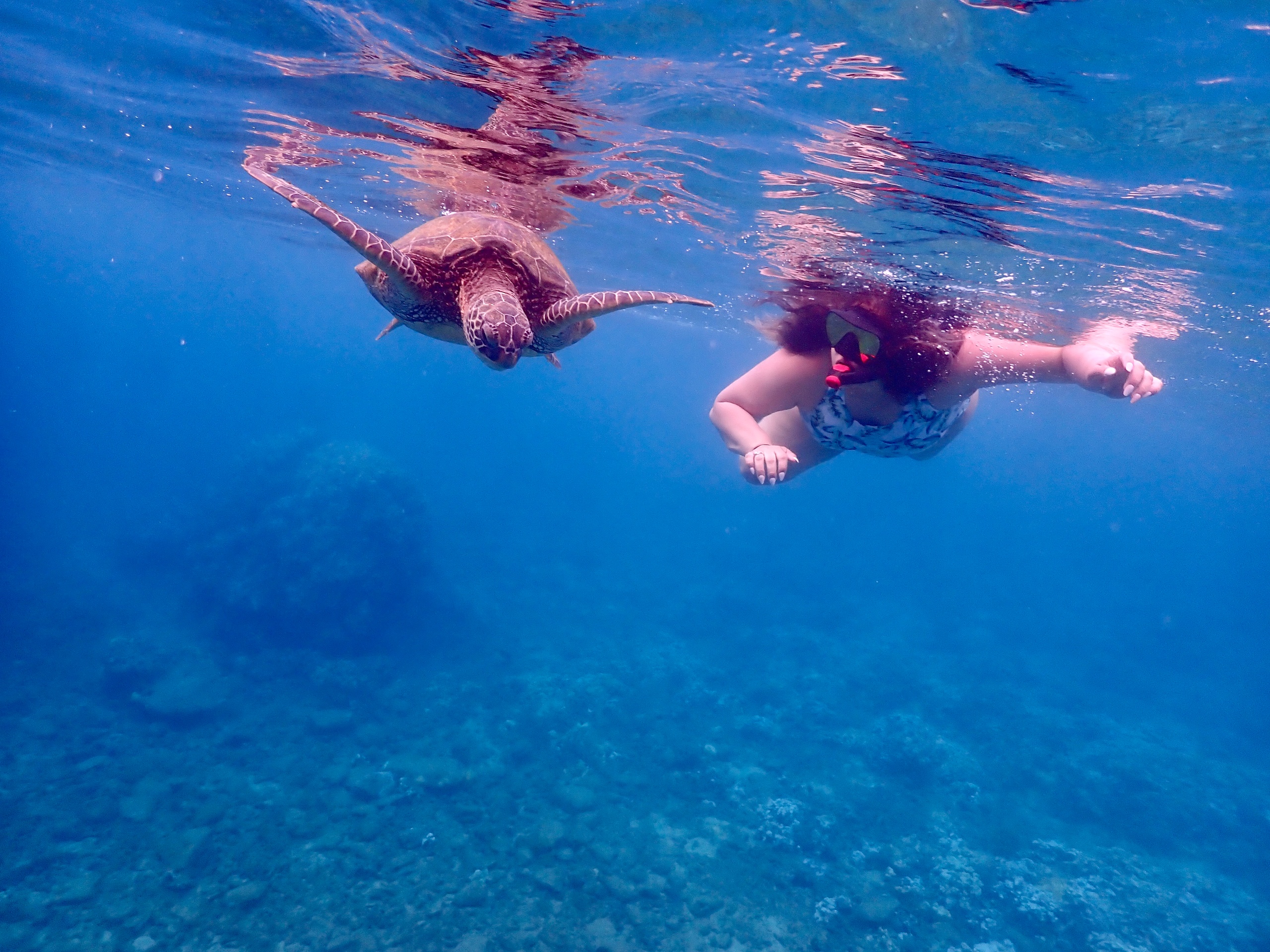 10
10Photography Tour
Lahaina is a compact lens on Maui’s varied light: volcanic coastline, banyan-draped streets, and oceanic horizons that define sunset photography in the islands. Photography tours based in and around Lahaina blend boat time for marine subjects, guided walks through a historic whaling town, and short drives to vantage points where West Maui’s mountains frame dramatic skies. Whether you want to chase humpback whales in winter, master golden-hour seascapes, or learn underwater composition at Molokini and reef sites, Lahaina’s tours are tailored to both technical practice and curiosity-driven exploration.
Explore photography tour → 11
11Kayak
Lahaina’s shoreline reads like an invitation to paddle: glassy mornings, lava-carved coastline, and reefs that pulse with tropical life. This guide focuses on sea kayaking from Lahaina and nearby West Maui launch points, with practical route ideas, seasonal notes on winds and whales, and advice for pairing paddling with snorkeling, dive trips, and coastal hikes.
Explore kayak → 12
12Sailing
Lahaina is where trade-wind seams, gleaming harbors, and a centuries-deep ocean heritage meet modern-day sails. From dawn whale-watching cruises that search the Auau Channel to late-afternoon catamaran snorkel trips off Molokini, Lahaina’s sailing scene blends performance, leisure, and marine stewardship. This guide breaks down the best ways to get on the water—private charters, shared excursions, sportfishing, and lessons—plus seasonal planning, terrain and sea conditions, and the practicalities of launching from this historic port.
Explore sailing → 13
13SUP
Lahaina is a paddleboarder’s study in contrasts: coral-fringed calm in the morning, glassy whale-mottled expanses in winter, and wind-carved channels that teach you how to read the ocean. This guide collects 40 standout SUP experiences—flatwater tours, reef snorkel paddles, downwind runs and surf sessions—anchored in local knowledge, marine etiquette, and seasonal strategy so you can pick the right launch for your skills and ambitions.
Explore sup →14Bike Tour
Lahaina's coastline is an invitation to spin the pedals with ocean spray in your face and a cast of lava-rock promontories, sugar-white beaches, and historic streets passing in a cinematic blur. This guide narrows the focus to Bike Tours—guided and self-guided rides that range from relaxed e-bike shoreline loops to focused road rides and technical singletrack in the West Maui Mountains. Expect bright trade-wind days, dramatic shoreline views, and the cultural pulse of a town that has long been a gateway to Maui’s ocean and mountain landscapes.
Explore bike tour →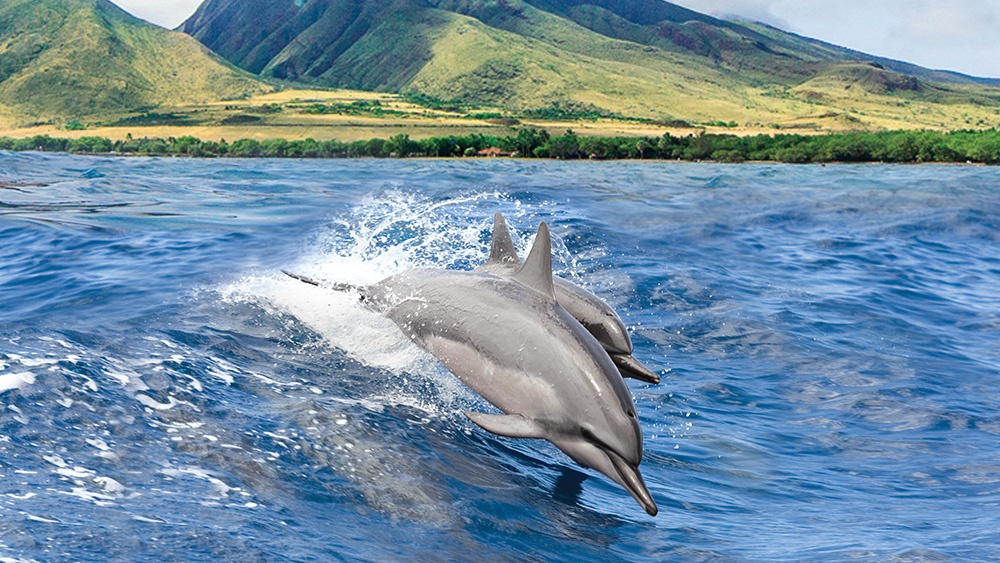 15
15Dolphin
Off Lahaina’s sunlit shores, dolphins thread the blue in constellations—sleek, social, and startlingly close. This guide focuses on dolphin-focused outings from Lahaina: morning snorkel swims with resident pods, quiet kayak approaches along sheltered coasts, and interpretive boat trips that center behavior, conservation, and safe viewing. Expect an experience that’s part marine wildlife theater, part cultural context, and wholly tied to seasonal seas and weather patterns.
Explore dolphin →The city and the sea
Why Lahaina Belongs on Your Adventure Shortlist
Variety without surrendering the day to long transfers.
Lahaina sits at the edge of many things—deep Pacific swell, fringing reefs, and the shadow of the West Maui Mountains—and those edges are where the best adventures live. Step off Front Street and you’re moments from water activities that range from delivery-grade exhilaration to beginner-friendly discovery: kayak loops along calm bays, stand-up paddleboard mornings under soft trade-wind breezes, and boat tours that thread quiet channels to snorkeling sites. In winter, the migratory giants that pass offshore turn whale watch excursions into a ritual; in summer, the reef feels like an aquarium, inviting snorkeling and scuba divers to meet surgeonfish and green sea turtles in clear, warm water. Evenings in Lahaina reward the patient: surf reports, pilot whales breaching in the twilight, or a harbor silhouetted with sails returning after a day at sea. The town is compact enough to be practical and storied enough to feel epic. Historic whaling-era buildings and banyan-shaded squares give Front Street texture—it's a place where sightseeing tours and photography tours overlap with local life. That cultural seam matters: eco tours and guided snorkeling trips are frequently led by residents who fold Hawaiian natural history and marine stewardship into a single narrative, so your ocean time becomes both a spectacle and an education. For those who prefer land to water, the skirting ridgelines and mellow trailheads of the West Maui Mountains offer quick, high-reward hikes with panoramic views back across the island chain. Bike tours along coastal roads let you measure the island’s scale on two wheels, while sunset sailing trips deliver the kind of light and quiet that makes travel feel like a small, treasured ritual. Practical travelers will appreciate how easy it is to sequence activities here: surf a morning break, swap wetsuit for snorkel gear and hop a midday boat tour, then ride a sunset sail or take a short hike for a last look at the ocean. Outfitters in Lahaina specialize in short-window adventures—half-day kayak trips, two-hour snorkeling runs, or sunrise SUP sessions—so you can mix-and-match without losing a whole day. That flexibility is why Lahaina is ideal for everyone from casual travelers chasing a single sunset to repeat visitors crafting a week of layered marine experiences. The trade-off is popularity: the harbor and best beaches book fast during whale season and holiday weeks, so pack early, pick shoulder hours, and bring reef-safe sunscreen. Do this and Lahaina’s most generous gifts—the pelagic encounters, the coral gardens, and the rare, perfectly framed light—tend to reveal themselves.
Access is intuitive: most outfitters are clustered by the harbor, where launches and meetups shave transit time. Guided options cover the skill ladder—boat tours and snorkel trips for families, surf lessons for beginners, and scuba or advanced kayak routes for experienced adventurers. Choose a certified guide for offshore or deep-water activities and ask about group sizes before you book.
Respect for the reef and seasonal wildlife keeps these adventures open. Whale-watch windows and fishing seasons are regulated; similarly, reef etiquette—no standing on coral, reef-safe sunscreen only—preserves the clarity and life that make Lahaina so special. Local operators often offer reusable or rental gear to cut down waste and lighten your pack.
Conditions shape the day
The best time to visit Lahaina.
Lahaina benefits from steady trade winds and warm tropical temperatures year-round. Mornings tend to be calmer—ideal for snorkeling, kayaking, and SUP—while afternoons can see stronger winds and occasional showers. Winter months bring larger swell and humpback whale activity; summer brings clearer, calmer reef conditions.
Best all-around window
Spring + fall
Comfortable mixed-itinerary weather, thinner crowds at beaches and lookouts, and more room to improvise.
Beach season
December–March (whale watching and winter surf crowding plus holiday travel).
Surf + whales
Late spring and early fall offer fewer crowds, lower prices, and reliable water clarity for snorkel and scuba.
Coast to inland
Cool marine mornings often give way to warmer inland afternoons and breezy evenings.
Beginner
Short, guided outings with low technical demand—gentle surf lessons, harbor kayak loops, and family-friendly snorkeling in shallow reefs.
- Half-day guided snorkel trip to a nearshore reef
- Intro surf lesson at a protected break
- Guided harbor kayak or SUP tour
Intermediate
Longer outings or exposed conditions: unguided surf sessions on popular peaks, full-day boat tours, and guided eco tours exploring local marine habitats.
- Full-day boat tour combining snorkeling and coastal sightseeing
- Guided scuba certification dive and shore dives
- Morning SUP across a sheltered bay with windier return
Advanced
Multi-leg sea routes, open-ocean paddles, advanced scuba, and big-wave surfing on winter swells—these require experience, local knowledge, and safety backup.
- Open-ocean kayak or multi-stop sailing trip
- Advanced scuba or drift dives with local operator
- Guided big-swell surf sessions (winter months)
Field kit
What to bring.
Pack for sun, salt water, walking, and a meaningful temperature swing between coast and inland Lahaina.
Essential
Start here
- Reef-safe sunscreen (zinc or approved chemical-free formula)
- Light rash guard or swim shirt for sun and chafe protection
- Waterproof bag or dry sack for essentials
- Light-day pack, water, and snacks
- Sun hat and polarized sunglasses
Water days
Keep it dry
- Snorkel mask (if you prefer your own fit) and snorkel fins
- Quick-dry layers and a light windbreaker for offshore breezes
- Water shoes for rocky shore entries
- Compact binoculars for whale and dolphin spotting
Long days
Stay flexible
- Action camera with float mount
- Small repair kit for bikes or boards (multi-tool, tire levers)
- Reusable water bottle and small trash bag to pack out waste
Insider note
Start early, then keep the geography tight.
Book popular boat tours and whale-watch cruises well in advance during winter. For the best snorkel visibility, choose early-morning departures and ask operators about current conditions and reef etiquette. If you’re paddling, launch from sheltered coves and watch for afternoon wind lines; rentals often come with quick orientation and safety briefings—use them. Carry cash or digital payment for small purchases on Front Street, but rely on outfitters’ online reservation systems for guided tours. Finally, treat the reef and marine wildlife as guests you’re visiting: don’t touch coral or feed fish, and keep a respectful distance from dolphins and whales. These small habits preserve the places you came to see and keep access open for everyone.
Good to know
Frequently asked questions.
Can I do most activities without a guide?
Yes for basic beach snorkeling, casual surf lessons, and short, well-marked hikes. Book guides for offshore snorkeling sites, scuba dives, whale watches, and any trip beyond the reef or in stronger currents.
How do I choose the right time of day for water activities?
Aim for early mornings for calm water and better visibility while snorkeling or diving. Paddle sports and nearshore swims are often most pleasant before trade winds build mid- to late-morning.
Is reef-safe sunscreen required?
While not always legally required, reef-safe sunscreen is strongly encouraged and often requested by local operators to protect coral ecosystems. Look for mineral-based formulas labeled reef-safe.
Ready when you are
Find the trip that fits your Lahaina day.
Compare bookable experiences across the coast, city, and mountains—then save the ones that belong in your plan.
Explore all Lahaina adventures ↗