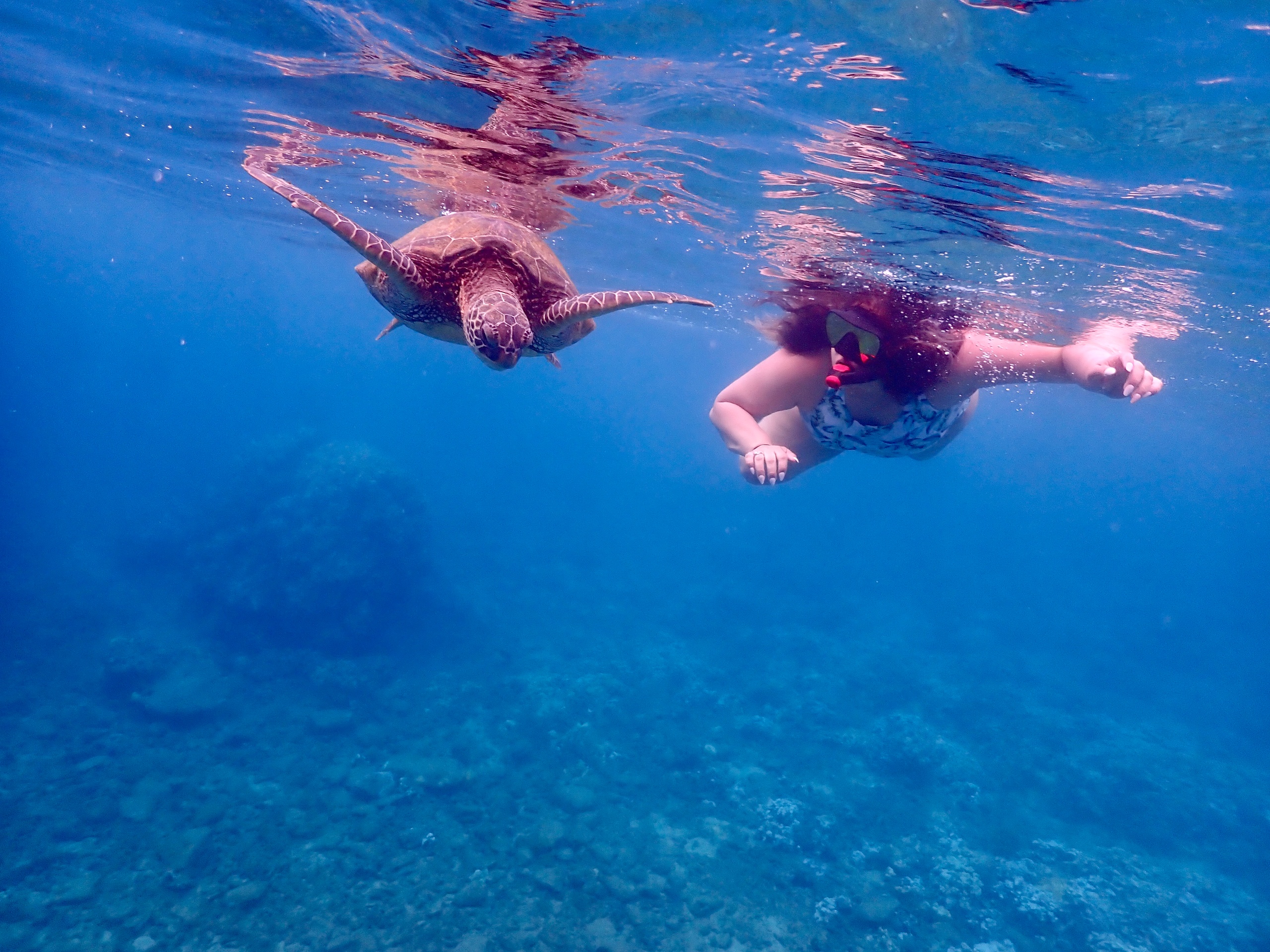
Photography Tours in Lahaina, Hawaii
Lahaina is a compact lens on Maui’s varied light: volcanic coastline, banyan-draped streets, and oceanic horizons that define sunset photography in the islands. Photography tours based in and around Lahaina blend boat time for marine subjects, guided walks through a historic whaling town, and short drives to vantage points where West Maui’s mountains frame dramatic skies. Whether you want to chase humpback whales in winter, master golden-hour seascapes, or learn underwater composition at Molokini and reef sites, Lahaina’s tours are tailored to both technical practice and curiosity-driven exploration.
Top Photography Tour Trips in Lahaina
47 trips • Book with confidence • Instant confirmation
Why Lahaina Is a Standout Photography Destination
Lahaina sits at the juncture of human story and oceanic spectacle, where old whaling-era storefronts and a sprawling banyan tree meet a horizon shaped by Pacific weather and volcanic geology. For photographers, that means an unusual density of compelling subjects within short daylight distances: townscapes drenched in golden hour, basaltic shorelines that create textured foregrounds, and offshore sea life that stages seasonal dramas. In winter months the waters off Lahaina become a theater for humpback whales; their breaches and tails puncture the surface and offer kinetic frames that are both unpredictable and profoundly rewarding. When the whales are absent, the coastline still delivers—sweeping sunset chromas, reflective tide pools, and the interplay of surf on black lava rock provide endlessly variable compositions.
But Lahaina’s appeal isn’t limited to the obvious postcards. The town itself is a primer in layered storytelling: historic whaling buildings, Hawaiian cultural markers, and busy markets form intimate street-level scenes that benefit from a slower, observational approach. Nearby beaches and headlands let landscape photographers isolate minimalist horizons or include dramatic foregrounds of pandanus and ironwood trees. For those who want to work water-level perspectives, boat-based photography tours and snorkeling excursions to nearby reefs and Molokini Crater allow photographers to engage with underwater light—how it softens, filters, and reshapes colors. The unique coastal topography also makes Lahaina a practical base for mixed-format shoots: you can shift from macro shots of volcanic textures to wide-angle seascapes and then to telephoto marine life sessions in the same morning.
Seasonality is part of the craft here. Winter (roughly December–April) brings the richest whale encounters and often calmer ocean windows that favor long lenses and fast shutter work. Summer sees more stable skies and classic, saturated sunsets, but also heightened trade winds—so expect changing conditions and protect gear from salt spray. The proximity of mountain rainfall to the west can create dramatic, localized weather that yields backlit rain shafts and stormy skies—prime raw material for moody coastal images. Finally, Lahaina’s compactness and abundance of guided operators make it an excellent place for photographers at all levels to refine specific skills—sunset timing, wave-foreground composition, long-exposure seascapes, or controlled underwater lighting—without long transfers or backcountry commitments.
A single day can deliver a sequence of learning opportunities: sunrise from a vantage on the harbor, mid-morning street portraits along Front Street, and an afternoon boat run for marine subjects.
Local guides and conservation-minded operators emphasize respectful wildlife distances, cultural sensitivity onshore, and safe handling of expensive gear in saltwater environments.
Best Time to Visit
Best Months
Weather Notes
Trade winds moderate temperatures year-round. Winter brings larger southern swells and whale season but can also offer calmer windows for boat outings. Summer has more consistent clear skies but stronger afternoon winds and brief convective showers.
Peak Season
Winter humpback season (Dec–Apr) and holiday weeks draw the most visitors and sell out guided photography trips.
Off-Season Opportunities
Shoulder months offer quieter beaches, easier bookings for private instruction, and softer light for long-exposure seascapes—expect fewer tour options mid-summer and late spring.
Frequently Asked Questions
Do I need permits for photography in Lahaina?
Casual photography in public spaces typically doesn't require a permit, but commercial shoots, professional crew setups, and drone operation often do. Always check Maui County rules and secure any necessary permits or permissions through your tour operator.
Are guided photography tours suitable for beginners?
Yes. Many operators structure tours for a range of skill levels—beginner-friendly options focus on composition, camera settings for golden hour, and basic post-processing tips, while advanced workshops concentrate on technical skills.
Do boat-based photography tours require swimming ability?
Not usually. Most photo-charters provide stable vessels and life jackets; snorkeling segments require basic comfort in the water and sometimes a short swim. Tell operators your comfort level so they can recommend the best option.
Choose Your Experience Level
Beginner
Short, low-effort excursions focused on composition, timing, and using available light—great for casual shooters and travelers wanting strong images without heavy gear.
- Sunset harbor cruise with guided composition tips
- Historic Front Street walking photo tour
- Beginner-friendly beach and tide-pool session
Intermediate
Half-day to full-day tours that blend technical instruction with varied shooting environments—expect work with longer lenses, filters, and basic underwater techniques.
- Boat-based whale-watching photography tour (winter season)
- Molokini snorkeling photo tour for reef and wide-angle work
- Golden-hour seascape shoot with tripod instruction
Advanced
Specialized workshops and private charters for technical skill development—long telephoto work for wildlife, controlled underwater lighting, drone composition (where permitted), and night/astro projects.
- Private or chartered whale-photography session with extended range lenses
- Underwater lighting workshop with dedicated housings
- Aerial composition workshop (drone legal areas and permissions required)
Insider Tips & Local Knowledge
Confirm tour itineraries, safety protocols, and any wildlife or drone regulations before booking.
Book popular time slots—sunset cruises and winter whale tours—well in advance. Protect gear from salt and spray: use dry bags, lens cloths, and keep silica packets in your camera bag. Check tide charts for intertidal compositions and ask guides about the best vantage on any given day; west-facing coves can produce dramatically different light depending on subtle changes in cloud cover. Respect cultural sites and private property—ask before shooting people or sacred locations. For underwater work, practice buoyancy and camera handling in calm water before attempting reef shoots. Finally, bring multiple memory cards and batteries; long days shooting multiple formats (shore, boat, underwater) deplete power and storage faster than you expect.
What to Bring
Essential
- Mirrorless or DSLR camera with a wide-angle and a 70–300mm telephoto
- Sturdy tripod (lightweight travel tripod for boat use if offered)
- Polarizing and neutral-density filters
- Waterproof dry bag and lens cloths for salt spray
- Sun protection: hat, sunscreen, and reef-safe sunscreen
Recommended
- Underwater housing or a dedicated compact for snorkeling sessions
- Fast telephoto lens (200–600mm) or teleconverter for whale shots
- Extra batteries and high-capacity memory cards
- Light rain shell and windproof layer for exposed evening shoots
Optional
- Intervalometer for time-lapses
- Drone (where permitted) with registration and local permissions
- Small cleaning kit for lenses and sensor care
- Polarizing clip or circular polarizer for underwater clarity
Ready for Your Photography Tour Adventure?
Browse 47 verified trips in Lahaina with instant booking
Explore Top 15 Lahaina, Hawaii Adventures →