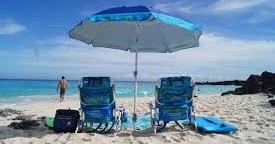
Snorkel Lahaina, Hawaii: Coastal Reefs & Marine Gardens
Lahaina's shallow reefs and nearby protected banks offer some of the most accessible and variety-rich snorkeling on Maui. From sheltered lava outcrops teeming with reef fish to clear-blue boat drops at offshore banks, snorkeling here is as much about easy access and reliable conditions as it is about vivid marine life. This guide focuses on snorkeling experiences that begin in and around Lahaina—shore entry coves, guided boat trips to isolated reefs, and half-day excursions to nearby marine reserves—so you can plan an outing that matches your comfort level and time window.
Top Snorkel Trips in Lahaina
171 trips • Book with confidence • Instant confirmation
Why Lahaina Is a Standout Snorkeling Destination
Lahaina sits on the quieter, drier side of West Maui where trade winds often lay down in the morning and sunlight pours into shallow reefs. The volcanic coastline has produced pocket coves, finger reefs, and molten lava shelves that, over centuries, became coral gardens and nursery grounds. Those formations, combined with clear, warm water and well-established marine-protection practices nearby, make for reliable visibility and abundant wildlife viewing close to shore.
What makes Lahaina especially appealing is accessibility. You don't need to be a deep-water swimmer or an experienced diver to encounter green sea turtles, leis of surgeonfish, or schools of butterflyfish. There are short, sheltered beach entries that are suitable for families and newcomers, and just a short boat ride away are offshore pinnacles and crescent-shaped reefs that reward even veteran snorkelers with encounters—manta rays, rare reef fish, and densely packed coral heads. Guided tours from Lahaina Harbor add local knowledge: captains and naturalists know where currents are gentle, where coral is healthiest the time of year to spot migrating species, and how to minimize impact while maximizing sightings.
Beyond marine life, snorkeling from Lahaina meshes easily with a broader island day: swim in the morning hours when the water is calmest, then return to town for a late lunch in historic Front Street, or combine a morning snorkel with an afternoon coastal hike on the nearby lava plains. Cultural context is everywhere—many sites are adjacent to traditional fishing grounds and wahi kūpuna (ancestral sites)—and responsible operators emphasize local stewardship and reef etiquette. That mix of approachable terrain, biological diversity, and community-minded practices makes Lahaina a smart base for snorkelers who want variety without excessive travel time.
Seasonality matters. Summer through early fall generally brings calmer seas and better visibility, while winter months can produce larger southern swells that push clearer water into offshore banks but make some shore entries rough. For those chasing specific species—such as humpback whales just offshore in winter—combining a snorkel with a whale-watching or marine-education cruise can turn a single day into a layered natural-history experience. Whether you’re planning a gentle shoreline float or a full-day voyage to remote reefs, Lahaina’s snorkeling is distinguished by its convenience, the quality of its nearshore habitats, and an island culture that increasingly centers on marine conservation.
Reef variety: lava rock transitions to sand channels and patch reefs that host a wide cross-section of Hawaiian reef fish and invertebrates.
Access & options: shore-entry coves for beginners, guided snorkel trips for deeper or offshore sites, and combined boat tours that add sunset sails or whale watching.
Conservation mindset: Many tour operators and local agencies emphasize reef-safe sunscreen, no-touch policies, and education on endangered species like hawksbill turtles and monk seals.
Best Time to Visit
Best Months
Weather Notes
Late spring through early fall generally brings calmer seas and the best visibility. Mornings are often the calmest window; trade winds pick up in the afternoon, creating chop and reducing visibility. Winter months can produce larger swells that transform some shore entries, but also push clearer water into offshore banks.
Peak Season
Summer and winter holiday periods draw the most visitors; weekends are busiest at popular shore-entry coves.
Off-Season Opportunities
Weekdays in shoulder seasons offer solitude and lower charter rates. Winter can offer clearer offshore visibility for experienced snorkelers on boat trips but expect rougher conditions at some shore sites.
Frequently Asked Questions
Do I need a boat to snorkel the best spots?
No. Many excellent snorkeling sites are accessible from shore near Lahaina, but boats open access to marine reserves and offshore banks like Molokini, which often have clearer water and deeper reefs.
Are there restrictions or permits for snorkeling?
Most recreational snorkeling doesn’t require permits, but Marine Life Conservation Districts and protected areas have rules—no touching or stepping on coral, keeping distance from turtles and monk seals, and using reef-safe sunscreen.
Is snorkeling safe for non-swimmers or kids?
Yes, with caveats. Shallow, sheltered coves and guided tours with flotation vests are suitable for less confident swimmers and children. Avoid exposed shore entries in rough seas and always follow operator safety briefings.
Choose Your Experience Level
Beginner
Sheltered coves and shallow reefs with easy, short entries. Calm mornings are best; guided family snorkel trips offer extra safety.
- Protected beach cove float
- Short guided nearshore reef tour
- Half-day family-friendly boat trip
Intermediate
Longer swims to patch reefs, guided boat drops at moderate depth, and excursions that may have light current. Good finning ability and comfort with open water recommended.
- Boat trip to Turtle Town
- Guided exploration of fringing reefs
- Morning snorkel combined with coastal hike
Advanced
Offshore pinnacles and exposed banks that require boat access, experience with currents, and a strong comfort level in open water. Often paired with freediving or advanced marine photography.
- Molokini Crater day trip
- Drift snorkeling with current through channels
- Night snorkel or guided advanced marine survey
Insider Tips & Local Knowledge
Respect local rules: no touching coral or marine animals, use reef-safe sunscreen, and follow guides’ instructions to protect fragile habitats.
Go early—boats and shore sites are quietest at first light and water is often clearest before the wind picks up. If you have limited time, pick a morning boat trip to an offshore bank for visibility, then an afternoon shoreline snorkel near Lahaina Harbor. Rent gear from a reputable local shop and try on fins and masks before you leave; ill-fitting equipment ruins a good float. Ask about current and swell forecasts—captains know daily windows where visibility and wildlife encounters are best. Finally, pair your snorkeling with a cultural or conservation-focused tour to learn how local communities and marine biologists are working to protect reefs.
What to Bring
Essential
- Mask, snorkel, and fins (rentals widely available if you fly light)
- Rashguard or wetskin for sun protection and chafe
- Reef-safe sunscreen (non-nano zinc oxide recommended)
- Waterproof bag for phone/keys and a small dry bag
- Hydration and light snacks
Recommended
- Floatation vest or travel-sized snorkel vest for added confidence
- Thin booties for rocky shore entries
- Polarized sunglasses and brimmed hat for transit to launch points
- Small waterproof camera or action cam
Optional
- Surface marker buoy if snorkeling in boat traffic areas
- Light reef-safe insect repellent for post-snorkel shoreline breaks
- Compact binoculars for bird and whale watching from shore or boat
Ready for Your Snorkel Adventure?
Browse 171 verified trips in Lahaina with instant booking
Explore Top 15 Lahaina, Hawaii Adventures →