
Kaaawa adventure guide
Find your way into Kaaawa.
A coastal village pinned to Oʻahu’s windward shore, Kaaawa is where reef-studded shallows meet rolling surf and verdant ridgelines. This guide highlights the top 15 ways to move through salt, sand, and sky here—from snorkel and SUP sessions in glassy mornings to boat tours searching for dolphins and whales—layering practical tips for planning with a sense of place.
Three ways into the city
Pick a landscape. Build a day around it.
Kaaawa is less a single destination than a collection of neighboring worlds. Start with the version of the city that matches your pace, then use the ranked guide below to fill in the details.

Begin where the city meets the sea.
Surf breaks, sheltered harbors, whale routes, and long beach paths make the coast LA’s most immediate outdoor playground.
Explore water activities →
Let a local connect the landmarks.
Use a guided city, walking, or sightseeing tour to turn LA’s sprawl into a coherent story.
Explore boat tour →
Ride the coast and the city.
Beach paths, river corridors, e-bikes, and ridge climbs reveal a more connected Los Angeles.
Explore snorkel →Choose your way into Kaaawa
The top 15 Kaaawa adventures.
Ranked by the number of currently listed trips. Each panel opens the complete local activity collection.
1Water Activities
Tucked along Oʻahu’s windward shoreline, Kaaawa is a narrow ribbon of reef, sand, and clear ocean that yields some of the island’s most intimate water-based experiences. From beginner-friendly paddleboarding in the bay to reef snorkeling at low tide, the area’s warm Pacific waters, dramatic basalt headlands, and long sandy pockets invite months of exploration. This guide focuses on water activities—surfing, SUP, snorkeling, kayaking, guided boat trips, and coastal fishing—framed by local culture, changing swell patterns, and practical planning tips so you can choose the right day on the water.
Explore water activities →2Boat Tour
Kaaawa sits on Oʻahu’s windward coast where emerald ridgelines tumble into a narrow shoreline and the ocean unfurls a palette of reef greens and deep blues. Boat tours from this stretch emphasize intimate coastal access: sheltered bay cruises through Kaneohe’s coral gardens, cultural storytelling by local captains, coastal sightseeing to Kualoa’s dramatic cliffs, and seasonal wildlife watches for humpback whales and spinner dolphins. Whether you’re looking for a short snorkeling hop, a sunset sail, or a hands-on fishing charter, Kaaawa’s boat-based experiences balance accessible waters with big Pacific scenery.
Explore boat tour →3Snorkel
On Oahu's windward shore, Kaaawa offers a quieter, more intimate snorkel experience than the busier south- and north-shore hotspots. Sheltered bays, fringing reefs, and offshore islets like Mokoli‘i (Chinaman’s Hat) create microhabitats for vibrant reef fish, sea turtles, and seasonal visitors. This guide centers on shore-access snorkeling, best launch points, tide-and-current considerations, and how to pair a snorkeling day with paddling, coastal hikes, and cultural visits to Kualoa.
Explore snorkel → 4
4Sightseeing Tour
A narrow coastal ribbon at the foot of the Koʻolau Range, Kaaawa funnels some of Oʻahu’s most cinematic scenery into a handful of memorable tours. Sightseeing here is quietly elemental: palm-lined shorelines, reef-studded turquoise water, a lone offshore islet that reads like a postcard, and a backcountry of steep green ridges and taro loʻi. Tours range from slow coastal drives and cultural walks to boat-based reef and island excursions — each offering a different way to read the landscape and its stories.
Explore sightseeing tour → 5
5Surf
Kaaawa sits where the channeling trade winds meet reef and sand to produce a surf scene that's quietly decisive: sheltered mornings that favor longboards and learners, with access to more exposed reef and point breaks when swells arrive. This guide focuses on surfing Kaaawa's bay and nearby breaks—how to read local conditions, where to take a lesson, what seasons shape the waves, and how surf culture here threads into the island's history and coastal stewardship. Expect a place that rewards patience and respect: gently rolling dawn sessions, afternoon wind shifts, and the occasional swell that prompts a drive to nearby Kualoa or the North Shore for bigger surf.
Explore surf → 6
6Scuba
A narrow, verdant stretch of windward coastline, Kaaawa delivers reef dives that feel personal: shallow coral gardens threaded with lava rock, frequent visits from green sea turtles, and easy access to sheltered bays and nearby boat drops. This guide focuses on scuba experiences—shore entries, sheltered reef gardens, and the nearby boat sites that reward divers who pair patience with a respect for local currents and culture.
Explore scuba →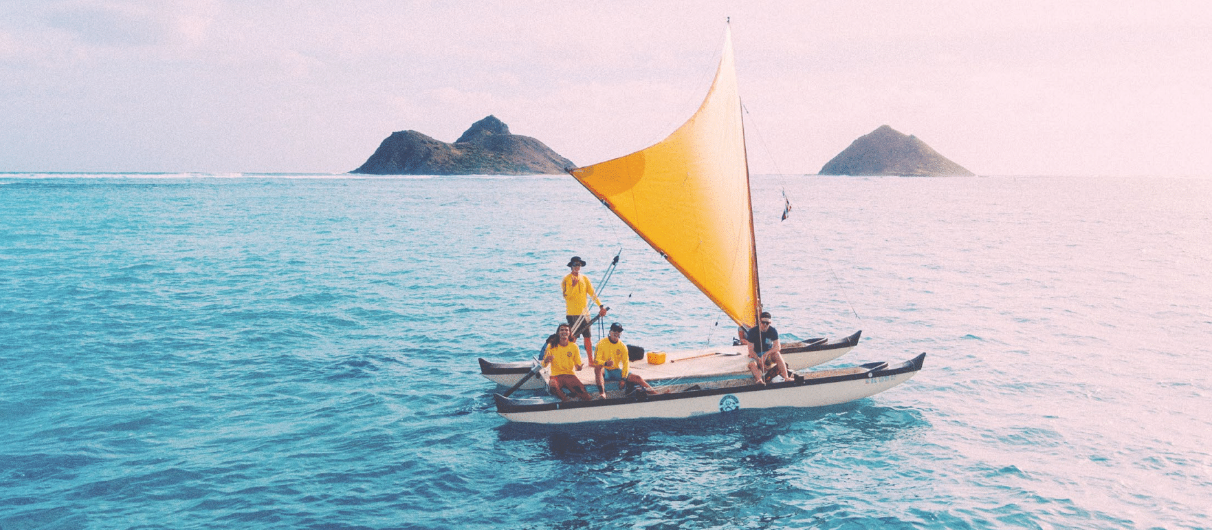 7
7Sailing
Tucked onto Oʻahu’s windward edge, Kaaawa is a small stretch of coast that unlocks big-water tastes of Hawaiian sailing: steady trade winds, reef-sheltered bays, and dramatic green ridgelines dropping to the sea. This guide focuses on sailing experiences—day sails, lessons, coastal runs, and sheltered reef cruises—paired with snorkeling, paddleboarding, and shore hikes that make a full day on the water meaningful.
Explore sailing → 8
8Bus Tour
Kaaawa's shoreline unfurls in a cinematic sweep—palm-framed beaches, green valley ribs, and the distinctive silhouette of Mokoliʻi (Chinaman's Hat) rising from the sea. Bus tours here turn a short drive into an attentive, local-scale journey: coastal lookouts, taro loʻi and ranch country, film-location stops, and narrated histories that tie landscape to culture. Whether you want a relaxed coastline shuttle, a multi-stop cultural loop, or a private charter that links beaches, trails, and ranches, Kaaawa is best explored from the seat of a small coach—or out on an open-air bus when the trade winds are kind.
Explore bus tour →SUP
Kaaawa is a compact, coastal jewel for standup paddleboarding: a sheltered bay framed by emerald ridgelines and a reef-protected nearshore that rewards calm-morning paddles with crystal clarity. Whether you’re learning basic stroke technique, paddling a reef-edge snorkel circuit, or chasing a wind-assisted downwinder, Kaaawa’s shoreline offers varied SUP terrain within a short drive of Oahu’s eastern shore.
Explore sup → 10
10Whale Watch
Kaaawa is a quietly dramatic stretch of windward shore where emerald ridgelines fall into a long sweep of ocean—an ideal vantage for the winter return of humpback whales. Whether scanning from the beach, riding a small charter, or combining a snorkel with a dolphin encounter, whale watching here is intimate and landscape-driven: ridges, reefs, and deep water converge close to shore.
Explore whale watch → 11
11City Tour
Kaaawa is a compact coastal town on Oahu’s windward shore where village rhythms meet dramatic sea-and-valley scenery. City tours here are less about skyscrapers and more about shoreline strolls, cultural touchpoints, and immersive neighborhood stories—taro loʻi and fishing traditions, roadside food stands, WWII-era lookouts, and panoramic coastal viewpoints. A Kaaawa city tour unpacks local history and everyday life against a backdrop of green ridgelines and the Pacific’s steady presence, and pairs naturally with short coastal hikes, tidepool exploration, and water-based outings for a fuller day of exploration.
Explore city tour → 12
12Dolphin
On Oahu’s windward flank, the shallow bays and clear reefs off Kaaawa are a living theater where spinner and bottlenose dolphins pass through in steady numbers. This guide focuses on dolphin-centered experiences — from quiet shoreline watches and kayak launches to guided boat tours and snorkel encounters — with practical advice on reading the water, minimizing impact, and planning a safe, memorable outing.
Explore dolphin → 13
13Photography Tour
Kaaawa is a narrow coastal ribbon of emerald slopes, black-lava outcrops, and glassy tide pools—an intimate portrait of Oahu's windward shore that rewards photographers with dramatic light and accessible shorelines. This guide focuses on guided and self-led photography tours: scouting sessions for sunrise and sunset, cultural portrait shoots, and coastal landscape workshops that pair technical instruction with local context.
Explore photography tour → 14
14Eco Tour
On Oahu’s windward coast, Kaaawa is a narrow band of beach, reef, and valley where the pulse of ocean and land remains palpable. Eco tours here emphasize close encounters with living ecosystems—reef snorkels that skim coral gardens, guided coastal walks through native shoreline plants, and valley-based cultural ecology experiences that link people to place. These are intimate outings that trade spectacle for curiosity, teaching how to see the island’s interwoven marine and terrestrial life rather than just photograph it.
Explore eco tour → 15
15Boat Rental
On Oʻahu’s windward coast, Kaaawa is a doorway to sheltered bays, reef-studded snorkeling, and the low-lying island of Mokoliʻi. Boat rentals here range from solo kayaks and SUPs to small motor skiffs and guided charters—perfect for short coastal hops, reef snorkeling, and exploring quiet beaches beyond the road.
Explore boat rental →The city and the sea
Why Kaaawa Belongs on Your Adventure Shortlist
Variety without surrendering the day to long transfers.
Kaaawa reads like a concise field guide: water, reef, and ridgeline all within a few heartbeats. Mornings here start with the ocean surface glassy enough for a paddleboard to feel like floating above a living map—schools of angelfish and scattered coral gardens unscroll below. As the day warms, the trade winds sketch white lines across the bay and small swell builds for surfers seeking a more intimate break than the crowded points to the south. Boat tours thread the coastline, giving photographers fast, cinematic angles of sea cliffs and the occasional spout of a migrating whale. At the same time, eco-tours and guided snorkel outings emphasize stewardship—how to move through reef systems without touching them, how to read water conditions, and how to amplify conservation-minded behavior. Kaaawa’s strength is variety in scale: short, salt-stashed experiences that fit a half-day between flights and full, itinerary-making outings that demand ocean skills. Beginner travelers can find protected coves for gentle SUP and family-friendly snorkeling; intermediates will appreciate paddle runs to nearby reef fingers and guided boating that opens up fishing and dolphin encounters; advanced adventurers can tack toward offshore currents and surf lines that reward timing and local knowledge. The village itself keeps things low-key—no sprawling resort strip, but enough local outfitters to kit you out for a morning on the water or an afternoon photography tour. That balance—between a place that still feels lived-in and one that supports active exploration—means you can stack boat rentals, sailing trips, and a sunset SUP into a single day without feeling like you crossed into an impersonally curated tourist zone. Practical planning here leans on tide and trade-wind literacy. Mornings and protected coves offer calm water for snorkel and SUP; midafternoon winds tend to pick up and clean the surface but can complicate returns for small craft. Winter months bring an added spectacle—migrating humpbacks cowling off the coast—so whale-watch outings spike, but so do crowds. Book boat tours and guided scuba well ahead for peak windows and pack for sun, salt, and occasional showers. Above all, come with curiosity and patience: Kaaawa rewards slow-looking, quiet observation, whether you’re tracking a dolphin pod or framing a surf set through the spray.
Access is straightforward from Oʻahu’s main corridors, and the area’s activity mix—snorkeling, surf, SUP, boat tours, and eco-tours—means you can pivot by weather without losing momentum. Local outfitters offer rentals and guided trips that scale to skill level.
Respect for reef etiquette and understanding of local currents make the difference between a good day and a memorable one. Bring reef-safe sunscreen, ask about conditions, and favor morning windows for the calmest water and clearest visibility.
Conditions shape the day
The best time to visit Kaaawa.
Kaaawa enjoys tropical, mild temperatures year-round. Mornings are typically calmer for snorkeling and SUP; trade winds strengthen in the afternoon and can favor sailing or challenge small-craft paddlers. Winter months bring larger swell and the best chance of seeing migrating humpback whales.
Best all-around window
Spring + fall
Comfortable mixed-itinerary weather, thinner crowds at beaches and lookouts, and more room to improvise.
Beach season
Holiday weeks and winter months (when whale-watching is most active) draw more visitors—book boat tours and guided scuba in advance.
Surf + whales
Late spring and early fall offer quieter beaches with warm water and fewer bookings; shoulder months are ideal for discounted rentals and more flexible scheduling.
Coast to inland
Cool marine mornings often give way to warmer inland afternoons and breezy evenings.
Beginner
Short, sheltered outings that emphasize calm water and low technical skill—ideal for families and first-time paddlers.
- Morning snorkel in a protected bay
- Introductory SUP lesson in calm conditions
- Short sightseeing boat tour along the windward coast
Intermediate
Longer paddles, guided snorkel reefs with current awareness, and small-boat sailing that require basic ocean skills and comfort with wind changes.
- Guided reef snorkel to deeper coral gardens
- SUP excursion to nearby reef fingers
- Half-day sailing or shared boat tour that includes dolphin watching
Advanced
Offshore trips, surf sessions on exposed breaks, and technical scuba that demand local sea-state knowledge, navigation skills, and proper certifications.
- Guided scuba dives on drop-off reefs
- Experienced-surf sessions on windward breaks
- Boat-based whale-watch and photography runs in season
Field kit
What to bring.
Pack for sun, salt water, walking, and a meaningful temperature swing between coast and inland Kaaawa.
Essential
Start here
- Reef-safe sunscreen (SPF 30+)
- Rashguard or quick-dry layers for sun and wind protection
- Water bottle and light snacks
- Mask, snorkel, and fins (or plan to rent locally)
- Waterproof phone case or small dry bag
Water days
Keep it dry
- Light wind layer for afternoon sailing or paddling
- Water shoes for rocky entries
- Compact binoculars for whale and dolphin spotting
- Small first-aid kit and blister care
Long days
Stay flexible
- Action camera with float tether
- Underwater camera for reef photography
- Eco-friendly reef-safe insect repellent for evenings
Insider note
Start early, then keep the geography tight.
Aim for first light for the calmest water and best visibility. Talk to local operators about tide windows—reef snorkeling and small-craft returns are much easier on an incoming or slack tide. Pack reef-safe sunscreen and a zippered dry bag for electronics. If you book a boat tour, ask about photography-friendly spots and whether the itinerary includes a quiet reef stop; smaller operators often offer more flexible routing. Finally, show aloha: support local guides, leave no trace on beaches, and avoid taking coral or shells.
Good to know
Frequently asked questions.
Can I do most activities without a guide?
Yes for basic snorkeling and short SUP sessions in protected coves, but hire a guide for offshore boat tours, scuba dives, unfamiliar surf breaks, or wildlife-focused outings for safety and local insight.
Is snorkeling safe around the reefs?
Generally yes if you follow reef etiquette: use reef-safe sunscreen, don't touch or stand on coral, and check currents before entering. When in doubt, pick a guided snorkel trip with local operators.
Are boat rentals available by the hour?
Many outfitters offer half-day and full-day boat rentals or tours; hourly rentals are less common—contact local providers ahead of time to confirm availability and any licensing requirements.
Ready when you are
Find the trip that fits your Kaaawa day.
Compare bookable experiences across the coast, city, and mountains—then save the ones that belong in your plan.
Explore all Kaaawa adventures ↗