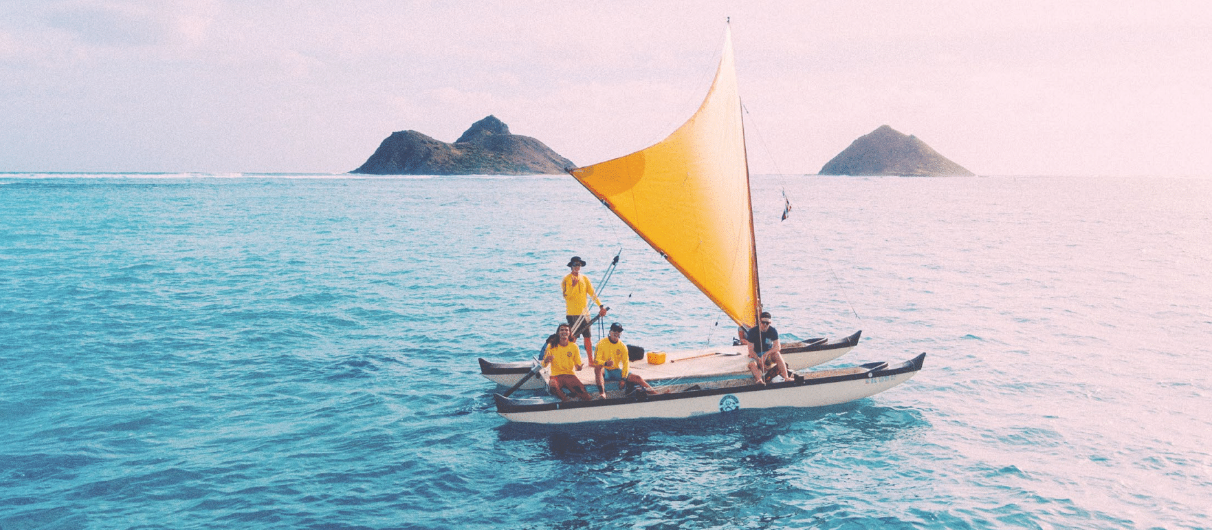
Top 15 Sailing Adventures in Kaaawa, Hawaii
Tucked onto Oʻahu’s windward edge, Kaaawa is a small stretch of coast that unlocks big-water tastes of Hawaiian sailing: steady trade winds, reef-sheltered bays, and dramatic green ridgelines dropping to the sea. This guide focuses on sailing experiences—day sails, lessons, coastal runs, and sheltered reef cruises—paired with snorkeling, paddleboarding, and shore hikes that make a full day on the water meaningful.
Top Sailing Trips in Kaaawa
95 trips • Book with confidence • Instant confirmation
Why Kaaawa Is a Standout Sailing Destination
If you imagine Hawaiian sailing as a single image—a gleaming hull cutting through aquamarine water with verdant ridges as a backdrop—Kaaawa crystallizes that picture. The town’s shoreline sits where coral reefs shape the nearshore geometry and steady northeast trade winds sweep along the coast, offering sailors a mix of placid, protected water and open-coast passages. Short runs behind the reef feel like a different world from the broad, wind-flushed lanes beyond the break. For travelers who want both instruction and exploration, Kaaawa’s proximity to Kaneohe Bay and nearby points such as Kualoa and Mokoliʻi gives a menu of options: calm bay sails for learners and snorkeling, or longer coastal legs that open into rolling swell and horizon vistas.
But the appeal is more than scenery and wind. Sailing here is layered with cultural and natural context. Hawaiians navigated these coasts by canoe long before modern rigs, reading swell, sky, and reef. Today’s outings still carry that sense of place: many local captains will point out wahi pana—storied spots—on approach, describe reef structure beneath the boat, and explain how reefs and currents shape safe anchoring. The bays around Kaaawa are biological thresholds; shallow reef flats harbor colorful corals and reef fish, while deeper channels are travel lanes for larger pelagics. This creates compelling crossovers—half-day sails that double as snorkel circuits, or morning lessons followed by an afternoon paddle or shore hike at a nearby valley.
From a practical perspective, Kaaawa is an excellent base because it compresses logistical friction. You won’t need a long transit to reach sheltered sailing on reef-protected flats, and yet the open ocean is minutes away for captains who want to stretch canvas. That proximity also makes splicing sailing with complementary adventures straightforward—drop anchor for a snorkel swim at a coral garden, beach a kayak for a short coastal walk, or time a sunset sail with a shore-side picnic. For anyone planning a day on the water, understanding the local patterns—trade-wind timing, reef and channel locations, and how currents shift with tides—makes the difference between a serene float and a technical outing.
Lastly, Kaaawa’s seasonal character is forgiving. The trade winds settle into a reliable rhythm in late spring and into summer, offering predictable conditions for both instruction and pleasure sailing. Winter brings larger swell to exposed coasts and occasionally stronger northerly weather, which favors sheltered-bay trips and experienced crews. Across seasons, local operators tailor trips to conditions, so whether you want a gentle family catamaran, a hands-on sail lesson, or a sunlit coastal run with snorkeling, Kaaawa’s mixture of sheltered waters and quick access to open sea makes it one of Oʻahu’s most adaptable sailing playgrounds.
The trade winds are the backbone of sailing here—consistent northeast breezes set up predictable afternoon fills from late spring through early fall.
Reef-protected pockets like parts of Kaneohe Bay offer calm-water options ideal for learners, while nearby points provide quick access to coastal passages and snorkeling stops.
Best Time to Visit
Best Months
Weather Notes
Late spring through early fall brings the most consistent trade winds and generally drier skies—ideal for predictable sailing. Winter months can bring larger north and northwest swells and occasional stormy intervals; sheltered-bay trips remain options on calm days. Afternoon sea breezes commonly build, so plan for stronger wind in the afternoon compared with morning.
Peak Season
May–September sees the most consistent sailing conditions and increased day-trip bookings, especially on fair-weather weekends.
Off-Season Opportunities
Winter and shoulder months can offer quieter charters and chances to sail in sheltered bays with fewer boats around; skilled sailors can also pursue storm-windows for dramatic coastal runs.
Frequently Asked Questions
Do I need prior sailing experience to go out from Kaaawa?
No—many operators run introductory sails and lessons tailored for beginners. If you plan to join an open-coast passage or crew on a performance sail, operators will specify experience requirements.
Are there calm-water options for families and snorkelers?
Yes. Sheltered reef flats and parts of Kaneohe Bay offer calm-water catamaran or motor-assisted sails with planned snorkel stops suitable for families and less-confident swimmers.
What safety or environmental rules should I know before anchoring or snorkeling?
Always use reef-safe sunscreen, avoid standing on coral, and follow captain instructions for anchoring and swim zones. Check with local operators or state resources about marine protected areas before planning independent anchoring.
Choose Your Experience Level
Beginner
Short, sheltered sails and basic lessons that prioritize comfort and instruction—ideal for families and first-timers.
- Half-day catamaran cruise inside the reef
- Introductory sailing lesson with a local school
- Combined short sail and guided snorkel at a reef garden
Intermediate
Longer coastal runs, basic navigation practice, and mixed wind conditions that ask sailors to handle sail trim and short reef crossings.
- Full-day coastal sail to nearby points with snorkel stops
- Sunset sail with active trimming duties for crew
- Hands-on crewed trips practicing anchoring and channel navigation
Advanced
Open-coast passages, heavier-wind days, and multi-leg trips requiring confident helming, reefing techniques, and an understanding of local swell and current patterns.
- Coastal passages beyond the reef into open water
- Weather-dependent runs that demand reefing and heavy-weather seamanship
- Delivery-style or extended day sails requiring navigational planning
Insider Tips & Local Knowledge
Confirm trip details, safety briefings, and sea conditions with your operator on the morning of departure.
Start your sail in the morning if you prefer calmer wind and glassy water; afternoons typically build with the trade-wind pick-up. Choose operators who emphasize reef safety and use reef-safe sunscreen—coral in these waters is fragile. If you’re planning a snorkel stop, ask about gear fit and visibility expectations; tidal changes and wind-driven chop can affect clarity. For photographers, the low-angle light near sunrise or late afternoon yields the best color on water and ridgelines, but be prepared for greater wind then. Finally, support local businesses: pair a sail with a shore-side meal or a short hike at Kualoa for a day that connects sea and land.
What to Bring
Essential
- Sunscreen labeled reef-safe
- Hat and polarized sunglasses
- Non-slip deck shoes or sandals
- Reusable water bottle and snacks
- Light windproof layer (the breeze can feel cool on deck)
Recommended
- Waterproof phone case or dry bag
- Motion-sickness medication if you’re prone
- Snorkel mask (many charters provide gear but personal fit is best)
- Small first-aid kit and blister prevention supplies
- Compact binoculars for spotting seabirds and distant landmarks
Optional
- Underwater camera or action cam
- Light beach towel and quick-dry swimwear
- Small cash for local vendors or tips
- Reusable bag for wet clothing
Ready for Your Sailing Adventure?
Browse 95 verified trips in Kaaawa with instant booking
Explore Top 15 Kaaawa, Hawaii Adventures →