
Johns Island adventure guide
Find your way into Johns Island.
Low-country marshes, tidal creeks and live-oak canopies make Johns Island a live map of coastal adventure. This guide stitches together calm-water paddles and boat tours with salt-of-the-earth fishing, wildlife spotting, and slow-rolling sightseeing—practical intel for anyone who wants to get off the highway and onto the water, trail, or shoreline.
Three ways into the city
Pick a landscape. Build a day around it.
Johns Island is less a single destination than a collection of neighboring worlds. Start with the version of the city that matches your pace, then use the ranked guide below to fill in the details.

Begin where the city meets the sea.
Surf breaks, sheltered harbors, whale routes, and long beach paths make the coast LA’s most immediate outdoor playground.
Explore boat tour →
Let a local connect the landmarks.
Use a guided city, walking, or sightseeing tour to turn LA’s sprawl into a coherent story.
Explore sightseeing tour →
Ride the coast and the city.
Beach paths, river corridors, e-bikes, and ridge climbs reveal a more connected Los Angeles.
Explore wildlife →Choose your way into Johns
The top 15 Johns Island adventures.
Ranked by the number of currently listed trips. Each panel opens the complete local activity collection.
1Boat Tour
Johns Island’s boat tours trace the edges of live oaks and salt marshes, moving between history-steeped waterborne routes and close-up encounters with shorebirds, dolphins, and tidal rhythms. Whether a low-and-slow ecology cruise through braided creeks, a sunset sail skimming Charleston Harbor, or a guided fishing charter leaving from a tucked marina, the island’s network of waterways makes boat-based exploration the best way to understand this part of the Lowcountry.
Explore boat tour → 2
2Water Activities
Salt-marsh tide races, quiet tidal creeks, and broad river mouths make Johns Island a concentrated classroom for Lowcountry water adventures. This guide focuses on paddling, boating, fishing, estuary ecology tours, and tidal exploration that are accessible from island launch points and nearby charters.
Explore water activities →3Sightseeing Tour
Johns Island is an intimate coastal stage for sightseeing tours that move at the rhythm of tides and live oaks. From languid boat rides through brackish marsh channels to slow, interpretive drives past historic plantations, sightseeing here is less about rushing from landmark to landmark and more about listening— to birds, to tidal creeks, to centuries of Gullah-Geechee history. Whether you want a sunlit photography loop with a naturalist, a culinary-and-culture shuttle, or a boat-based birding outing, the island’s low, wide landscapes reward slow attention and simple gear.
Explore sightseeing tour →City Tour
Johns Island folds the idea of a city tour into a coastal, rural tableau—an island where moss-draped live oaks, narrow country lanes, and working farms meet the tidal marshes that define the Lowcountry. City tours here are not about skyscrapers and transit maps but about the texture of place: Gullah-Geechee history, plantation landscapes, oyster-roofed kitchens, and quiet vantage points along the Stono and Kiawah Rivers. Whether you choose a guided cultural drive, a bicycle loop that threads past farmstands, or a curated food-and-history walk, tours on Johns Island foreground stories—agricultural, maritime, and culinary—that are best savored slowly.
Explore city tour → 5
5Walking Tour
A walking-tour canvas of tidal creeks, oak-canopied lanes, and centuries-old plantation landscapes, Johns Island is where Lowcountry history and ecology unfold at human stride. From short interpretive loops through preserved estates to village strolls that trace Gullah cultural threads, the island’s walking tours offer intimate, low-slung panoramas and opportunities for birding, foraging awareness, and local-food stops.
Explore walking tour → 6
6Fishing
Johns Island is a quiet, tidal-edge fishing playground where winding creeks, broad salt marshes, and the Stono River converge. Expect flats and creeks alive with spotted sea trout, red drum, flounder, sheepshead, and seasonal migrants; shallow-water techniques, light tackle, and local knowledge turn ordinary days into memorable tides-and-tail adventures. This guide focuses on how to plan, where to fish, and what to bring for an accessible Lowcountry saltwater experience.
Explore fishing → 7
7Dolphin
Johns Island unspools along a matrix of tidal creeks and marsh channels where Atlantic bottlenose dolphins weave between shrimp boats and oyster racks. For travelers seeking intimate wildlife moments, the island's shallow estuaries and accessible launch points make it one of the most reliable places in the Lowcountry to see dolphins from kayaks, small craft, or guided eco-tours.
Explore dolphin → 8
8Kayak
Johns Island pushes the lowcountry kayak experience into intimate scale: narrow tidal creeks that thread through marsh grass, broad estuary mouths that open to the Stono and Kiawah waterways, and silent morning paddles beneath live oaks hung with Spanish moss. Whether you’re launching a sit-on-top for a family outing, sliding a sea kayak into a slow-moving creek to chase birds, or joining a guided eco-tour at golden hour, the island concentrates easy access to wildlife-rich water and storied coastal landscape.
Explore kayak → 9
9Eco Tour
Johns Island is a mosaic of tidal creeks, wide salt marshes, and shaded maritime forests where sea breeze, bird song, and local histories converge. Eco tours here translate the island’s quiet textures into tangible experiences—paddle trips through winding creeks, boat cruises that skirt oyster beds, guided walks that decode marsh ecology, and cultural outings that explore Gullah-Geechee stewardship. These tours are compact, accessible, and rich with seasonal surprises: migratory shorebirds in spring and fall, oysters and marine life exposed at low tide, and the hush of winter waterfowl on gray mornings. Whether you’re looking for a two-hour kayak loop, a half-day boat exploration, or a combined cultural-and-ecology outing, Johns Island delivers layered perspective—natural history and living culture together—within easy reach of Charleston.
Explore eco tour → 10
10Sailing
Johns Island is where lowcountry tides sculpt a playground for sailors: braided creeks, broad tidal rivers, and quick access to Charleston Harbor create options for sheltered day sails, coastal crossings, and salt‑marsh exploration. This guide focuses on sailing experiences—charters, lessons, coastal cruises, and overnight trips—framed by marshland ecology, shifting currents, and the deep cultural history that lines these waterways.
Explore sailing →11Wildlife
Johns Island is a study in edges: where tidal marsh meets maritime forest, where agricultural fields loosen into braided creeks, and where the rhythms of salt and season choreograph a rich array of wildlife. For birders, photographers, and quiet nature seekers, the island’s shallow estuaries and tidal creeks are a stage for migratory shorebirds, wading egrets, hunting ospreys, and the occasional bald eagle. Dolphins slip the river channels at dawn; river otters and marsh fiddlers animate the mudflats at low tide. The island’s human history—the rice fields, Gullah-Geechee heritage, and old live oaks like the Angel Oak—has shaped habitat patterns that make Johns Island uniquely productive for wildlife. This guide focuses on how to find, read, and responsibly enjoy those wildlife encounters: the best times to go, terrain and access considerations, practical gear, and recommended related activities like estuarine kayaking, boat-based dolphin tours, and low-impact photography outings.
Explore wildlife → 12
12Boat Rental
A labyrinth of tidal creeks, wide estuarine flats, and quiet oyster bars makes Johns Island a uniquely intimate place to pilot a rented boat. Here the navigation is half nature show, half slow-motion puzzle: mud banks rise and fall with the tide, great blue herons stalk the shallows, and live oaks hang Spanish moss like curtains over small launch ramps. Boat rentals—from no-frills skiffs and center consoles to family pontoons and captained charters—turn Johns Island into a neighborhood of waterways where a two-hour sunset cruise and a full-day island hop feel equally possible. This guide focuses on renting and running a boat from Johns Island: how the tides shape every trip, what craft suit the shallow marshes, seasonal weather to watch, and practical planning so your time on the water feels like a deliberate escape rather than a scrambling logistics exercise.
Explore boat rental → 13
13Scuba
Johns Island is a Lowcountry entry point to a surprising range of scuba experiences: tidal creeks and estuaries that teach you to read currents, nearshore reefs that harbor reef fish and stingrays, and a string of shallow wrecks and artificial reefs that bring history down to 30–80 feet. For divers who want short surface intervals, gentle shore entries, and easy access to Charleston’s professional dive services, Johns Island is practical, marine-rich, and quietly rewarding.
Explore scuba →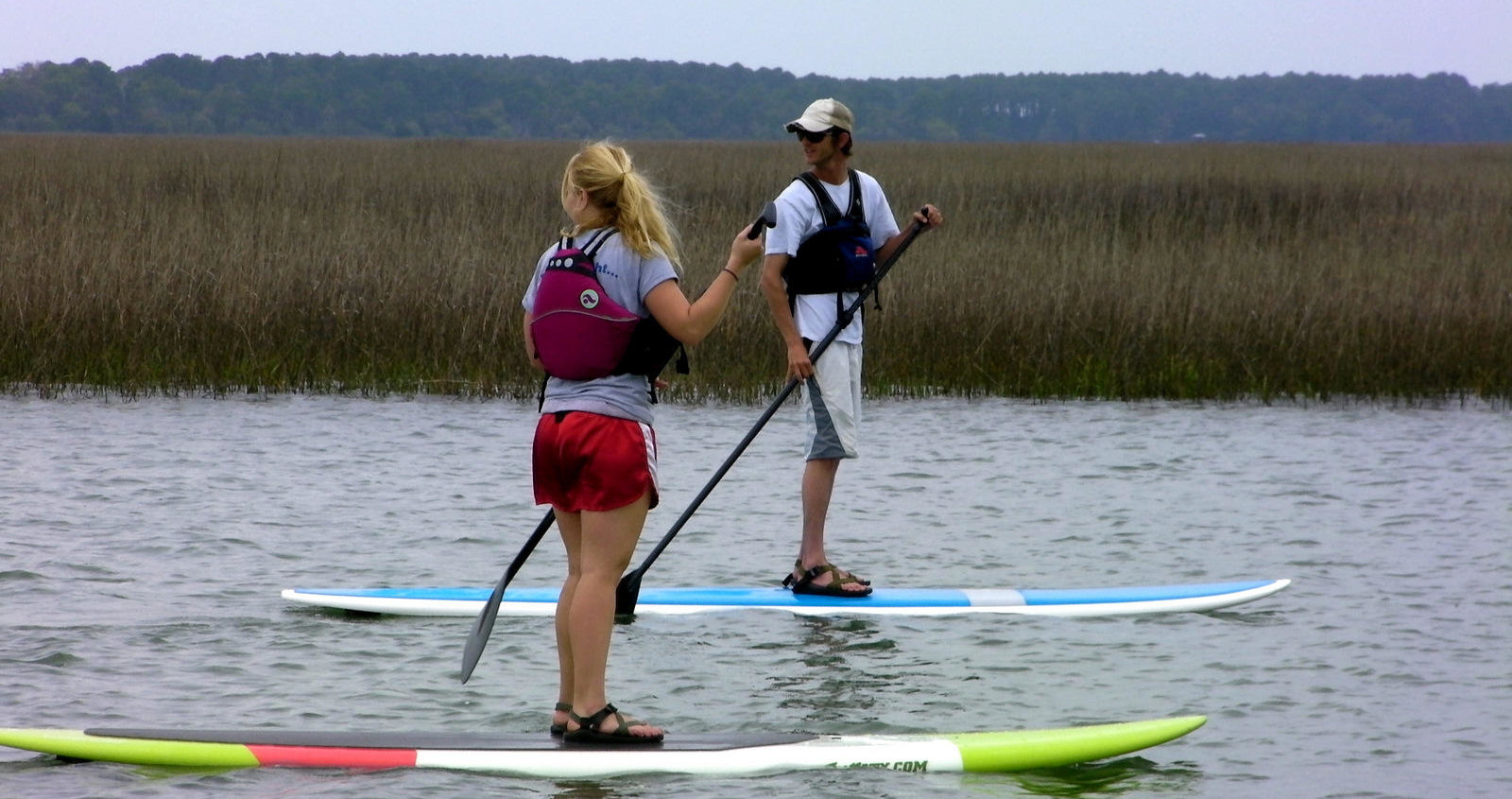 14
14SUP
Johns Island folds the lowcountry into a paddler's playground: wide tidal creeks, shimmering salt marsh, and long, slow riverine corridors framed by live oaks and palmettos. Stand-up paddleboarding (SUP) here is a study in contrasts—placid early-morning glass, tidal currents that require a little planning, and rich wildlife encounters from wading birds to occasional dolphin passes. This guide zeroes in on the best ways to stand on a board and read the marsh, with practical advice for choosing routes, reading tides, booking guides or rentals, and pairing paddles with oyster roasts, bike rides, and Lowcountry history.
Explore sup → 15
15Bike Rental
Johns Island’s low-slung horizon, tidal creeks, and quiet secondary roads make it an ideal canvas for two-wheeled exploration. Bike rental on the island is less about shredding steep descents and more about sensory, slow-travel adventure: dawn rides past salt marshes, breezy excursions along the Stono River, and gravel laps through live-oak tunnels dripping with Spanish moss. Rentals on Johns Island cater to a range of riders—comfort cruisers and beach cruisers for casual riders, hybrid and gravel bikes for mixed surfaces, and pedal-assist e-bikes for longer loops and headwinds. This guide focuses on the rental experience itself: where to find the right bike, what terrain to expect, how weather and tides can shape a ride, and the complementary activities—birding, kayaking, oyster-house stops, and beach hops—that make a rental an island-long memory.
Explore bike rental →The city and the sea
Why Johns Island Belongs on Your Adventure Shortlist
Variety without surrendering the day to long transfers.
Johns Island reads like a coastal field guide: salt marsh stitched with tidal creeks, live oaks draped in Spanish moss, and a low-slung horizon where boat wakes and shorebirds make the first lines of a morning. It’s a place where a boat tour can feel like a local sermon—captains pointing out oyster bars and shrimping gear, narrating the tidal logic that shapes the land—then handing you the binoculars to find a distant flock of pelicans. For travelers who want to pair easy logistics with unhurried exploration, Johns Island excels. You can split a day between a morning kayak through quiet estuaries—where dolphins occasionally carve arcs through glassy water—and an afternoon on a bike rental ride that threads backroads and live-oak avenues. The island’s scale rewards curiosity: short trips reveal big variety. Book a guided eco tour to learn oyster-reef ecology and marsh restoration, or opt for a self-guided SUP session on calm creeks when the tide is at the right level. History and habitat sit close together here, and that matters for how you plan your outing. Sightseeing tours and walking tours through community preserves speak to the agricultural and Gullah-Geechee heritage that shaped these landscapes; angling for redfish off a marsh edge connects you to a tradition that’s both culinary and cultural. For more active days, combine a morning of kayaking or SUP with an afternoon boat rental and a late-day sailing trip out toward the sounds—each activity offers a different vantage on the same tidal choreography. Wildlife viewing is reliably good: egrets, herons, fiddler crabs and, seasonally, dolphin pods are common companions. If you want to dive, local operators will point you to the nearest scuba sites off nearby barrier islands; for most visitors, however, the water-access adventures—kayak, SUP, boat tour, fishing and occasional sailing—deliver the most satisfying, low-friction experiences. Practical rhythm matters. Tide charts, sunscreen, and a loose plan for getting on and off the water transform a good day into a great one. Johns Island’s network of outfitters simplifies logistics—boat rentals and kayak launches cluster near the main access points—and knowledgeable guides can fold in local history and ecology on the fly. Whether you’re after calm flatwater paddling, a family-friendly boat tour that introduces kids to dolphins, or a more focused eco tour that explores marsh restoration and bird migration, Johns Island packs coastal adventure into short travel distances. The landscape encourages a slower pace: fewer summit claims, more horizon time; fewer miles hiked, more tidal miles paddled. For travelers who want to trade elevation for estuary, this is a place to learn the language of the low country—and to bring home a clearer sense of how water shapes both place and culture.
Access is effortless from Charleston—many outfitters handle drop-offs and equipment, and a single day can include a kayak tour, a scenic boat tour, and an evening fishing trip if you’re organized.
Because currents and tides define opportunity, check tide charts before planning kayak, SUP, or coastal fishing outings; guided dolphin and wildlife tours often pick time windows that maximize viewing and safety.
Conditions shape the day
The best time to visit Johns Island.
Spring and fall offer mild temperatures, fewer bugs, and calm water days ideal for kayak, SUP and boat tours. Summers are hot and humid with afternoon thunderstorms; winter is quiet and cooler—good for walks and bike rentals but less reliable for water-based outings.
Best all-around window
Spring + fall
Comfortable mixed-itinerary weather, thinner crowds at beaches and lookouts, and more room to improvise.
Beach season
Spring and early fall for boating, dolphin tours, and fishing charters—expect higher demand and book outfitters in advance.
Surf + whales
Late fall through winter brings quieter beaches and lower rates; some boat and scuba operators scale back service but local walking tours and wildlife viewing remain accessible.
Coast to inland
Cool marine mornings often give way to warmer inland afternoons and breezy evenings.
Beginner
Short, guided paddle trips in sheltered creeks, calm boat tours, and leisurely bike rental rides on low-traffic roads.
- Guided kayak tour of Stono River estuary
- Family-friendly dolphin-watching boat tour
- Short walking tour to Angel Oak and nearby historic sites
Intermediate
Longer self-guided paddles, nearshore fishing trips, mixed flatwater and tidal navigation where timing and basic route-finding matter.
- Half-day SUP on tidal creeks during mid-tide
- Boat rental to explore nearby inlets and oyster bars
- Guided eco tour combining kayaking and shore-based wildlife viewing
Advanced
Extended coastal navigation, offshore sailing or scuba trips requiring certification, and multi-leg routes that require tide planning and strong paddling skills.
- Offshore scuba charter from nearby barrier islands
- All-day tidal navigation by kayak with shuttle planning
- Competitive or long-distance SUP routes across exposed sounds
Field kit
What to bring.
Pack for sun, salt water, walking, and a meaningful temperature swing between coast and inland Johns.
Essential
Start here
- Tide chart app or printed tide table
- Quick-dry clothing and a sun hat
- PFD (personal flotation device) — required for most operators
- Water and salty snacks; insect repellent for marsh edges
- Waterproof phone case or small dry bag
Water days
Keep it dry
- Light layers and windbreaker for evening sailing or changing conditions
- Binoculars for birding and dolphin spotting
- Comfortable closed-toe water shoes for launches and rocky shorelines
- Small first-aid kit and sunscreen (reef-safe if swimming)
Long days
Stay flexible
- Underwater camera for scuba or shallow reef shots
- Compact folding stool or blanket for shoreline picnics
- Multi-tool for basic gear tweaks on longer trips
Insider note
Start early, then keep the geography tight.
Start early for calm water and cooler air—many guided boat, dolphin and kayak tours launch near sunrise. Use tide charts: some put-ins are only practical at mid to high tide, and returning against a falling tide can be slow and tiring. Pack reef-safe sunscreen and insect repellent for marsh edges. Book popular boat tours and fishing charters well ahead in spring and fall. If you want to pair a day on the water with a land-based stroll, plan Angel Oak for golden-hour photos and quieter visitation—midday is busiest. Finally, opt for outfitters that brief you on local ecology; the best guides make every boat tour and eco tour feel like a short, interpretive lesson in how the low country works.
Good to know
Frequently asked questions.
Can I do most activities without a guide?
Yes for basic kayak, SUP and bike rental outings if you have paddling or cycling experience and check tides. Choose a guide for unfamiliar waterways, scouting scuba sites, or when you want local history and ecology woven into the trip.
When is the best time to see dolphins?
Dolphins are commonly seen year-round around estuaries and inlets. Morning tours on calm days and outgoing tides often offer the best viewing windows.
Are there family-friendly options?
Yes—short boat tours, guided kayak trips in protected creeks, and gentle SUP sessions are well-suited for families. Outfitters provide kid-size PFDs and basic instruction.
Ready when you are
Find the trip that fits your Johns Island day.
Compare bookable experiences across the coast, city, and mountains—then save the ones that belong in your plan.
Explore all Johns Island adventures ↗