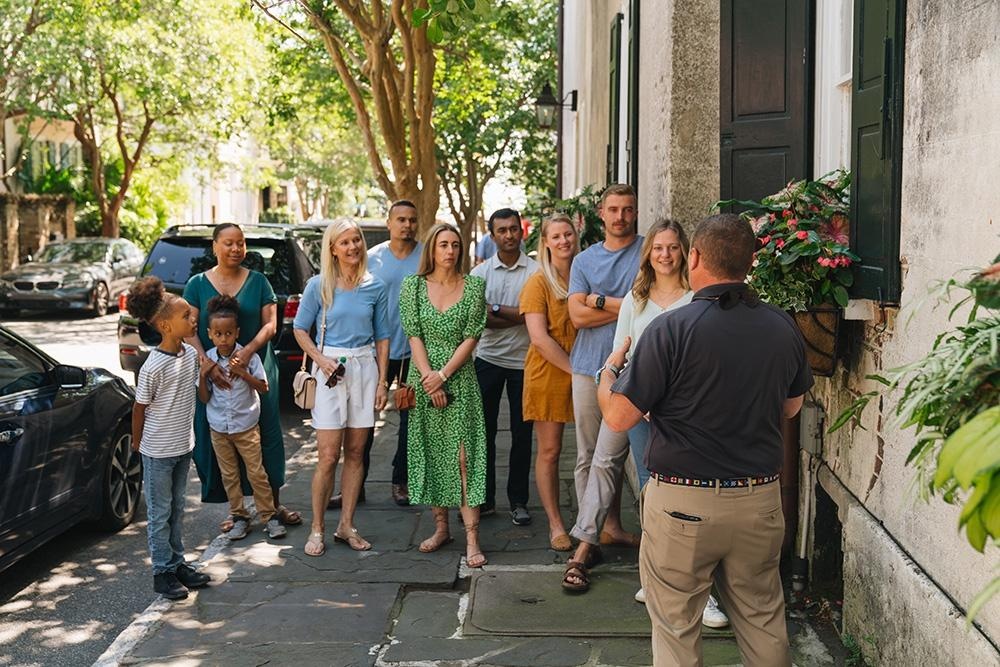
Top 15 Walking Tours in Johns Island, South Carolina

Johns Island, South Carolina

A walking-tour canvas of tidal creeks, oak-canopied lanes, and centuries-old plantation landscapes, Johns Island is where Lowcountry history and ecology unfold at human stride. From short interpretive loops through preserved estates to village strolls that trace Gullah cultural threads, the island’s walking tours offer intimate, low-slung panoramas and opportunities for birding, foraging awareness, and local-food stops.

61
Activities
Year-Round
Best Months

Top Walking Tour Trips in Johns Island

61 trips • Book with confidence • Instant confirmation

Why Johns Island Is a Standout Walking Tour Destination

On Johns Island, walking is a way of reading landscape—every ditch, live oak, and salt marsh flat is a line in a long, layered story. The island sits as a green arm off the Charleston peninsula, where tidal rhythms shape both the ecology and the built heritage. Walking tours here are compact in scale but expansive in detail: you move through ecosystems only a few feet apart—freshwater ponds to saltwater creeks—while also stepping through eras, from Indigenous stewardship to antebellum plantations, and the resilient cultural imprint of the Gullah Geechee people.

What makes Johns Island exceptional for on-foot exploration is this concentration of contrasts. Trails and public loops thread through working farmland, lovingly restored plantation grounds, and quiet residential lanes flanked by centuries-old moss-draped oaks. These are not strenuous mountain hikes; they are observational walks that reward patience. A slow, attentive pace reveals fiddler crabs skittering in tidal flats, osprey perched over creeks, and roadside stands with just-harvested peaches or jars of pimento cheese. Historic markers and interpretive signs often punctuate routes, giving context to plantations, tenant farming, and the island’s role in Lowcountry agriculture.

Beyond natural history, walking tours on Johns Island are an entryway to living culture. Guided village walks and culinary-focused tours place local voices front and center—farmers, fishers, artisans—helping travelers understand how foodways and craft link to place. Birding-focused walks capitalize on the island’s migratory corridors, especially along creeks and marsh edges where warblers, herons, and ibis congregate. Photography strolls are equally popular: the light here is famously generous—soft and golden in mornings, dramatic at sunset—rendering salt marsh geometry and plantation alleys into painterly frames.

Practically, the island’s walking-tour network is highly accessible. Many tours are short, 60–90 minute interpretive loops around estate gardens or marsh overlooks, while others stretch into longer half-day routes connecting multiple sites and stopping at local markets or oyster bars. Because Johns Island is low-lying, expect level terrain more than steep elevation; the preparation is about weather and tidal timing rather than technical gear. Seasonality matters: spring and fall are naturally comfortable and rich with blossoms or migrating birds, while summer brings heat, humidity, and afternoon storms that can change the mood of a walk on short notice. Finally, Johns Island’s proximity to Charleston makes it ideal for half-day excursions that pair well with other activities—kayaking on tidal creeks, cycling rural roads, or following a day of walking with a seafood dinner in nearby Charleston—so each tour can be threaded into a broader Lowcountry itinerary.

The diversity of walking experiences—short historical loops, marsh-edge birding, culinary and farm walks—means both casual travelers and dedicated naturalists find something meaningful in a single visit.

Because the terrain is largely flat, accessibility is generally good, but tour formats vary: some routes use soft-surface boardwalks and maintained garden paths, while others include uneven farm lanes and sandy shoulders along coastal roads.

Local guides often combine natural history with cultural storytelling, which deepens understanding of the Gullah Geechee heritage and the agricultural practices that shaped the island’s landscape.

Activity focus: Walking tours & interpretive strolls
61 matching walking experiences available on and around the island
Terrain: Mostly flat—garden paths, boardwalks, farm lanes, and paved village streets
Best for: birding, cultural history, food-focused walks, short interpretive loops
Proximity: Easy half-day trips from Charleston (drive times under 40 minutes depending on route)

Best Time to Visit

Best Months

MarchAprilMayOctoberNovember

Weather Notes

Spring and fall provide the most comfortable temperatures and lower humidity; summer bring high heat, humidity, and frequent afternoon thunderstorms; winters are mild but can be cool and breezy near marshes.

Peak Season

Spring bloom and fall migration attract the most walkers and guided tours.

Off-Season Opportunities

Winter weekdays offer quieter tours and clear light for photography; tour operators may run reduced schedules in midwinter.

Frequently Asked Questions

Do I need a guide for walking tours on Johns Island?

No—you can self-guide many plantation gardens and public loops—but guided tours offer deeper cultural context, access to private properties, and the chance to meet local stewards.

Are walks family-friendly?

Yes. Many tours are suitable for families and casual walkers, though bring sun protection and snacks for younger children during warmer months.

Is parking available at walking-tour start points?

Most official sites and plantation entrances have parking, but space can be limited during peak season or special events—arrive early when possible.

Choose Your Experience Level

Beginner

Short, flat interpretive loops on maintained paths; ideal for casual sightseers and families.

  • Plantation garden stroll (60–90 minutes)
  • Short marsh overlook walk with interpretive signs
  • Village walking tour of historic Johns Island sites

Intermediate

Longer walks (2–4 hours) that combine multiple sites, include uneven farm lanes or boardwalks, and may involve stops for food or short paddles.

  • Half-day food-and-farm walk with market stops
  • Marsh-edge birding loop at sunrise
  • Combined plantation-to-creek exploratory route

Advanced

Extended exploratory walks that demand navigation, stamina for several hours on mixed surfaces, and attention to tidal timing and remote conditions.

  • Full-day island traverse linking multiple rural lanes and marsh overlooks
  • Photographic field day focused on sunrise-to-sunset light
  • Guided cultural immersion walk with extended site access

Insider Tips & Local Knowledge

Confirm tour start times, meeting locations, and parking with operators; check tide and weather forecasts for marsh-side walks.

Start walks early in the morning to catch cooler temperatures and active birdlife; mid- to late-afternoons can bring heat and passing thunderstorms in summer. Wear light, breathable fabrics and apply insect repellent before arriving at marshy areas. If you're visiting plantation grounds, be mindful of private-property boundaries and any on-site rules—many historic sites balance preservation with public access. Blend a walking tour with complementary activities: a short kayak or paddle on a tidal creek will reveal different perspectives, and local farm stands are perfect for finding seasonal fruit and shrimp to sample afterward. Finally, seek out tours led by local guides when possible—those rooted in the community will weave ecological knowledge with stories of the Gullah Geechee families and island agriculture, making the walk both grounded and memorable.

What to Bring

Essential

  • Comfortable walking shoes with good grip
  • Water bottle (1L+ for warm months)
  • Sun protection—hat, sunglasses, sunscreen
  • Insect repellent (mosquitoes and ticks in warmer months)
  • Phone with offline map or directions

Recommended

  • Light rain shell (sudden coastal showers are common)
  • Binoculars for birding
  • Small field guide or notes app for plants and cultural sites
  • Portable phone charger

Optional

  • Camera with a mid-range zoom for wildlife and architecture
  • Light daypack for snacks and purchases
  • Walking poles for longer soft-surface routes (optional)

Ready for Your Walking Tour Adventure?

Browse 61 verified trips in Johns Island with instant booking

Explore Top 15 Johns Island, South Carolina Adventures →