
Eliot adventure guide
Find your way into Eliot.
A narrow ribbon of working coastline and tidal marsh, Eliot sits where Maine begins and sea routes converge. This guide groups the town’s best low-slung adventures—water activities, boat tours, and shoreline hikes—with quick local knowledge for planning tides, rentals, and seasonal rhythm.
Three ways into the city
Pick a landscape. Build a day around it.
Eliot is less a single destination than a collection of neighboring worlds. Start with the version of the city that matches your pace, then use the ranked guide below to fill in the details.

Begin where the city meets the sea.
Surf breaks, sheltered harbors, whale routes, and long beach paths make the coast LA’s most immediate outdoor playground.
Explore water activities →
Let a local connect the landmarks.
Use a guided city, walking, or sightseeing tour to turn LA’s sprawl into a coherent story.
Explore boat tour →
Ride the coast and the city.
Beach paths, river corridors, e-bikes, and ridge climbs reveal a more connected Los Angeles.
Explore bike rental →Choose your way into Eliot
The top 15 Eliot adventures.
Ranked by the number of currently listed trips. Each panel opens the complete local activity collection.
1Water Activities
Eliot sits at the edge of a tidal world where river meets sea: a compact coastal town whose waterways are defined by sharp tides, sheltered marsh channels, and rocky outcrops that reward low-tide explorers. For paddlers, anglers, and anyone drawn to the layered textures of saltwater landscapes, Eliot offers intimate access to estuarine paddling, short coastal runs, tidepooling, and calm harbor corners ideal for stand-up paddleboarding. This guide zeroes in on water-based experiences—how the tides shape routes, what gear and timing matter most, and how to layer in nearby marine and coastal adventures.
Explore water activities →2Boat Tour
Eliot sits where tides sculpt the shoreline and working waterfronts meet quiet coves — a compact launch point for boat tours that reveal the maritime soul of southern Maine. From short harbor cruises that lock eyes with lobstermen returning to port, to sunset sails and wildlife-focused outings that follow the river into salt-marsh labyrinths, boat tours in Eliot are intimate, varied, and steeped in local seafaring tradition.
Explore boat tour → 3
3Sailing
Eliot sits at the edge of a working coast where tidal logic governs every passage. For sailors, it’s an intimate launching point: short hops to rocky coves, tidal channels that demand respect, and wide ocean access that makes afternoon reaches and overnight island hops equally straightforward. This guide focuses on what to expect when you take the helm here—how to read the currents, where to anchor, and how to turn a day sail into a classic Maine memory.
Explore sailing → 4
4Sightseeing Tour
Eliot’s quiet coastal channels, tidal marshes, and centuries-old river crossings make it a concentrated stage for low-key but richly textured sightseeing tours. From riverfront drives and interpretive walks to boat-based estuary excursions and combined culinary/heritage routes, sightseeing here leans into landscape, history, and the rhythms of tidal Maine.
Explore sightseeing tour →5Bike Rental
Eliot's quiet coastal lanes, salt‑marsh vistas, and gentle backroads make it an unexpectedly excellent base for renting a bike and piecing together half‑day or full‑day self‑guided rides. Whether you want a smooth cruiser for a family outing, a nimble gravel bike for country roads, or an e‑bike to extend your range into nearby villages and riverfront overlooks, rental options around Eliot open up a range of short coastal loops and longer point‑to‑point routes along the Seacoast.
Explore bike rental → 6
6Fishing
Eliot sits where tidal rivers carve into salt marsh and rocky headland—a compact coastline stitched with boat ramps, quiet shorelines, and tidal flats that make for consistently interesting fishing. Anglers come for spring and summer runs of striped bass and bluefish, fall flounder and sea-run trout opportunities, and the simple pleasure of casting from a quiet public landing as eagles wheel overhead. This guide focuses on what to expect on the water, where to launch, the species you’ll encounter, and how to plan a day of coastal and estuarine fishing packed with practical detail.
Explore fishing → 7
7Surf
Eliot sits at the meeting line of river and ocean—an understated surf gateway for travelers who want cold-water waves without the bustle of large beach towns. The town’s shoreline is a patchwork of rocky points, tidal flats, and river mouths; the real surf draws are a short drive away along the southern Maine coast. This guide focuses on surfing from Eliot: reading the local swell and wind, preparing for cold-water conditions, finding nearby beach and point breaks, and layering complementary activities like paddleboarding, tidepooling, and coastal hiking for a fuller seaside trip.
Explore surf →City Tour
Eliot is a compact coastal town where salt-scented breezes, clapboard houses, and river-edge roads make city touring feel like stepping into a living postcard. The 16 curated city tours highlighted here cover slow, walkable historic loops, riverfront strolls, bike-friendly circuits, and guided deep-dives into maritime and colonial heritage. Eliot's scale invites unhurried exploration: you can trace phases of New England life from shipbuilding eras to modern farm-to-table pulses within a single afternoon. These tours are as much about terrain—tidal marsh viewpoints, quiet residential lanes, and small-town greens—as they are about the people who shaped them; each route pairs sensory detail with practical notes on access, seasonality, and recommended pairings like paddling the Piscataqua or hopping over to neighboring Kittery for a seafood stop.
Explore city tour →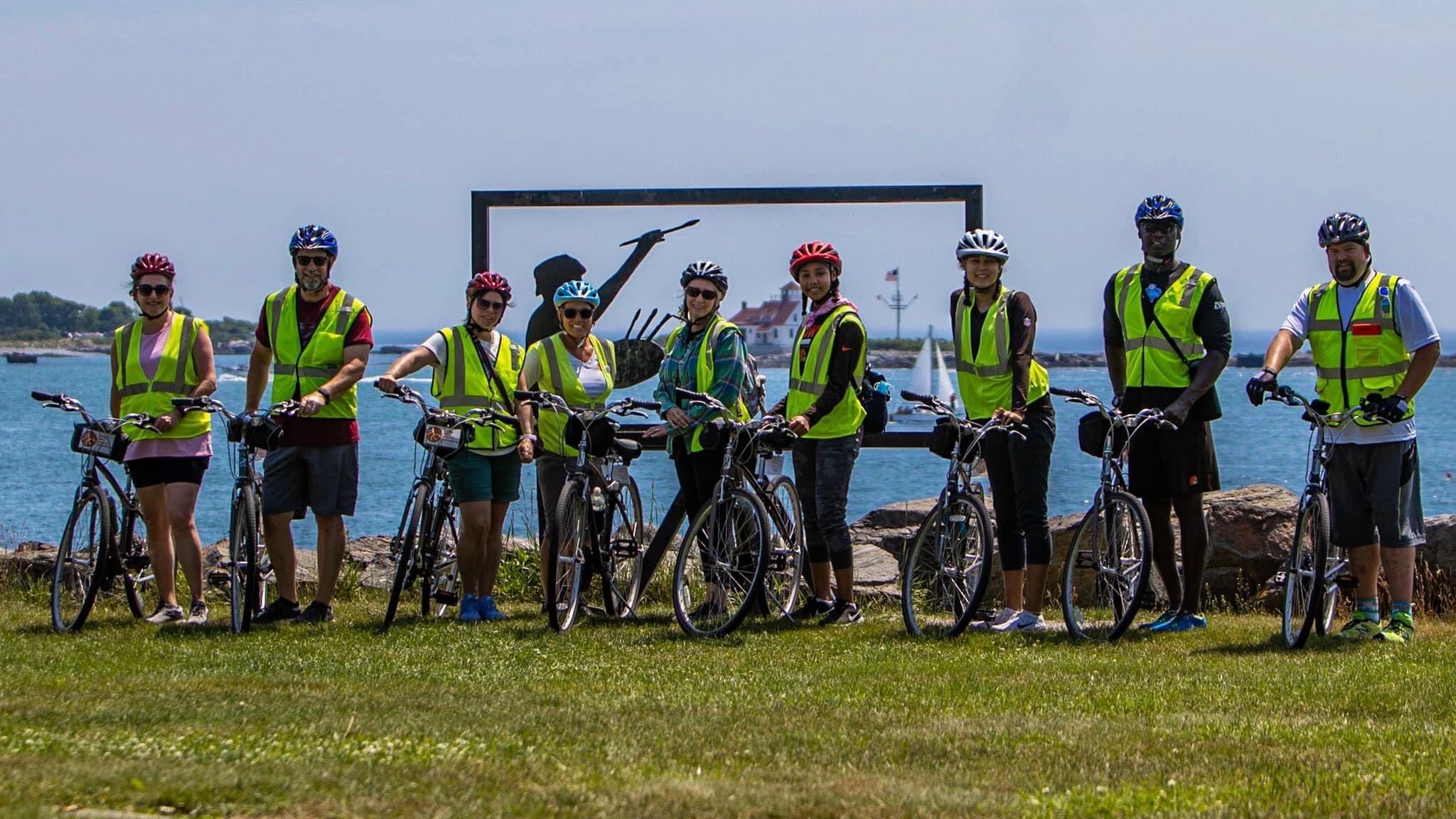 9
9Bike Tour
Eliot is a compact coastal town where quiet country roads, tidal estuaries, and short climbs create disproportionally rich cycling experiences. From gravel-friendly farm lanes to scenic riverfront stretches and quick links to neighboring Kittery and Portsmouth, Eliot’s bike tours reward riders with salt-scented breezes, classic New England shoreline scenery, and plenty of local stops—cafés, farmstands, and seafood counters—that punctuate every ride.
Explore bike tour → 10
10Boat Rental
Eliot sits where tidal rivers carve into rocky New England—an accessible launchpoint for short coastal cruises, estuary explorations, and low-key island hopping. Boat rentals here are all about reading tides and light: gentle summer mornings that reveal salt-marsh flats, afternoon sea breezes that turn a pontoon outing into a lively cruise, and early-fall days when the water shines like hammered pewter. This guide focuses on renting a boat in Eliot—what kinds of vessels work best, how tides and weather shape every day on the water, and how to plan trips that mix nearby history, fishing, and shoreline walks.
Explore boat rental → 11
11Eco Tour
Eliot’s eco tours are intimate studies of coast and creek: guided paddles through tidal channels, interpretive marsh walks, birding cruises at dawn, and shoreline stewardship experiences that connect you to the rhythms of the Piscataqua. Short drives from Portsmouth, these low-impact excursions pair natural history with practical conservation work—perfect for travelers who want to learn as they wander.
Explore eco tour → 12
12Walking Tour
Eliot sits where tidal rivers cut through ancient granite and rolling farmland meets a working coast. The town’s walking tours stitch together shoreline promenades, quiet residential lanes, and stories of shipbuilding, mills, and colonial settlement—making it a compact place to explore by foot. Whether you favor a guided history loop through the village or a self-led nature walk along riverbanks and salt marsh edges, Eliot’s walks reward attention: gull cries, tide-slick rocks, clapboard facades, and the slow, dependable rhythms of New England’s coast.
Explore walking tour → 13
13Hiking
Eliot is a small coastal town where salt air, river corridors, and pocket woodlands create a surprisingly rich hiking palette. Trails here are intimate—short ridge walks, tidal estuary loops, and shore-facing bluffs that shift with the tide and the seasons. This guide focuses on hiking experiences that reveal how closely land and sea are braided in southern Maine, and how a single morning walk can feel like three different landscapes.
Explore hiking →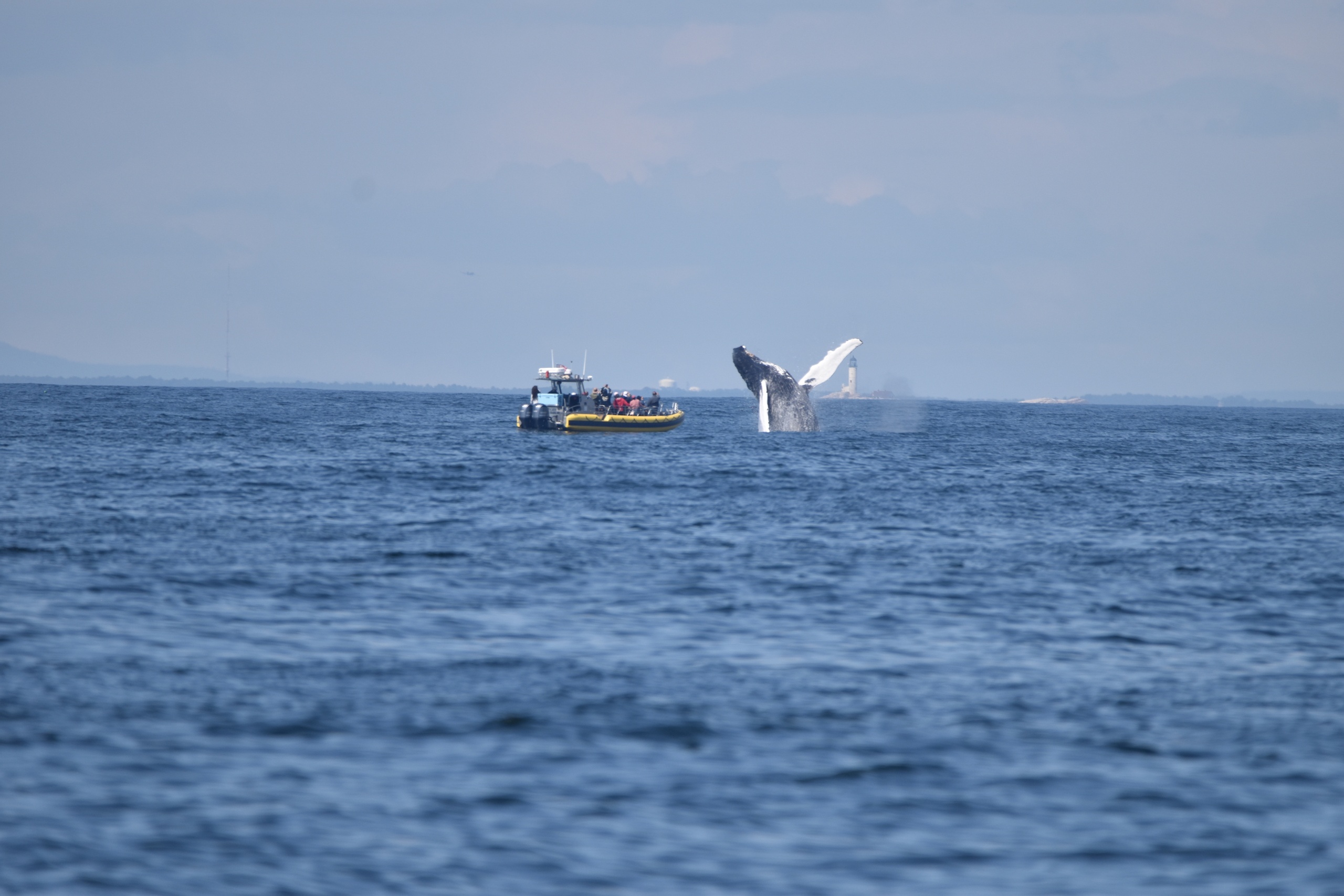 14
14Whale Watch
Eliot is a quiet, tide-sculpted gateway to the rich feeding grounds of the Gulf of Maine. From short harbor cruises to longer pelagic runs launched near the Piscataqua, whale watching here blends Maine’s working-coast character with reliable marine wildlife encounters—particularly in summer and early fall when whales follow dense schools of herring and sand lance into the region.
Explore whale watch → 15
15E-Bike
Eliot is a compact, low-slung town of tidal rivers, stone walls, and country lanes that lends itself perfectly to electric-assisted exploration. With gentle grades, quiet backroads, and scenic coastal marshes, the town is ideal for short loop rides, gravel connectors to neighboring Kittery and Portsmouth, and mellow all-day cruises past historic farms and shoreline views. This guide highlights five practical, accessible e-bike outings and the planning tips you need to ride Eliot with confidence.
Explore e-bike →The city and the sea
Why Eliot Belongs on Your Adventure Shortlist
Variety without surrendering the day to long transfers.
Eliot is the kind of place that rewards a slow approach. From the narrow vantage of a kayak slipping through marsh channels to the open swell beyond Kittery Point where sailboats tack into the Gulf of Maine, the town’s appeal is its immediate access to saltwater life and working-shore culture. Centuries before weekend paddlers and e-bike riders arrived, this stretch of coastline threaded shipyards, lobster wharves, and lighthouse beacons into an economy of tides. Today, those same tidal rhythms shape the best days out: early-morning flats for fishing and stand-up paddleboarding, mid-afternoon thermals for sailing, and low-tide walks along rocky shorelines that reveal shellfish beds and exposed ledge. What makes Eliot sing for travelers is variety within a compact map. A single morning can include a bike rental spin toward nearby coastal lanes, a short boat tour that puts lighthouses and seals within camera range, and an afternoon on a rented skiff chasing bass or mackerel. For families, the sheltered coves and walking tours around conservation land are forgiving and scenic. For seasoned adventurers, the river mouths open into longer boating or sailing runs and nearby surf breaks that reward an early-season swell. Eco-tour operators and local fishing guides read the tides here with near-telepathic precision; hiring local knowledge elevates a day from pleasant to memorable, and it’s a practical way to navigate the shifting channels and private-moored areas. Eliot’s understated character is also a practical advantage. The town isn’t a crowded resort—parking and launch access are easier on weekdays, and seasonal outfitters concentrate services within reachable strips of shoreline. That compactness makes it a great basecamp for hybrid days: a morning hike or walking tour, a midday boat rental to find a quiet cove for lunch, and an evening bike ride as the sun lowers. The cultural texture—local seafood shacks, historic homes, and community-focused stewardship of salt marshes—adds depth to outdoor plans, reminding visitors that these are living landscapes with rhythms worth observing. Whether you’re chasing a whale-watch from a nearby operator, testing an e-bike on coastal lanes, or slipping silently under ospreys on a kayak tour, Eliot rewards a plan that respects tides, seasons, and local guidance.
Access is immediate: short drives to public launches, a handful of outfitters offering boat rental and guided fishing, and a network of quiet roads for bike and e-bike exploration. Tide tables and local knowledge dictate the best windows—plan for early put-ins for fishing, midafternoon sea breezes for sailing, and low-tide shoreline for walking and shellfishing.
Eliot pairs pared-back outdoors with regional stops—Kittery’s eateries, Portsmouth’s history and services, and nearby island-outing options—so you can mix technical outings like surf or whale-watch excursions with low-key sightseeing tours and waterfront dining.
Conditions shape the day
The best time to visit Eliot.
Late spring through early fall brings the most reliable conditions for boating, sailing, and surf. Summer afternoons can develop sea breezes that favor sailing; fog can roll in during cooler mornings. Winters are quiet and cold—great for walking tours and off-season value but limited water activity.
Best all-around window
Spring + fall
Comfortable mixed-itinerary weather, thinner crowds at beaches and lookouts, and more room to improvise.
Beach season
June through August sees the most day visitors and higher demand for rentals and guided boat or whale-watch tours—book outfitters and slips in advance.
Surf + whales
Shoulder months (May, September) offer cooler water temps, fewer crowds, and good fishing and birding; winter weekdays are best for solitary hiking and coastal photography.
Coast to inland
Cool marine mornings often give way to warmer inland afternoons and breezy evenings.
Beginner
Short paddles in sheltered coves, easy walking tours, and gentle bike rides on quiet secondary roads.
- Intro SUP in a protected marsh cove
- Walking tour of Eliot’s shoreline paths
- Short bike rental loop to Kittery Point
Intermediate
Longer boat rentals, guided fishing trips, moderate coastal rides, and off-shore sighting tours that require basic navigation understanding.
- Half-day boat rental to explore nearby islands
- Guided inshore fishing for striped bass
- E-bike tour linking Eliot and nearby Portsmouth
Advanced
Open-water sailing, surf sessions on exposed breaks, and multiday paddles that demand route planning, weather reading, and tide proficiency.
- Coastal sail to outer ledges
- Whale-watch expedition from a commercial operator
- Full-day sea-kayak crossing with tidal planning
Field kit
What to bring.
Pack for sun, salt water, walking, and a meaningful temperature swing between coast and inland Eliot.
Essential
Start here
- Tide table or app and a plan keyed to tide times
- Layered windproof shell for sea breezes
- Personal flotation device for any boat or paddle activity
- Dry bag for electronics and layers
- Footwear suitable for rocky shorelines and slippery ramps
Water days
Keep it dry
- Small first-aid kit and blister care for bike tours
- Sun protection and lip balm (reflective water increases UV)
- Binoculars for birding and whale-watch glimpses
- Waterproof phone case or float leash for action cameras
Long days
Stay flexible
- Lightweight fishing gear if you plan to try local inshore fishing
- Compact tide chart printed or offline
- Reef shoes for low-tide walks and shellfish forays
Insider note
Start early, then keep the geography tight.
Start early for calm water and better fishing; mid-afternoon thermals favor sailing but can roughen small craft. Use local tide charts—many coves and shellfish areas vanish on high tide and expose sharp ledge at low tide. For whale-watching or organized boat tours, reserve tickets in advance during summer weekends. When biking, favor secondary roads and watch for soft shoulders; e-bikes make coastal climbs effortless but be mindful of limited charging options. Respect working wharves: lobsterboats and commercial traffic have right-of-way, and many slips are privately moored. Finally, pack out everything you bring and leave shellfish beds and marshes undisturbed—these resources support both wildlife and the local fishing economy.
Good to know
Frequently asked questions.
Can I do most activities without a guide?
Yes for straightforward options like bike rental, walking tours, and many kayak or SUP launches—provided you check tides and local access. Hire a guide for offshore whale-watch, unfamiliar channels, or if you want to fish productive but tricky spots.
Are tides a big factor for launches and shore walks?
Yes—many launch points, shellfish flats, and low-tide ledges are only accessible on certain tides. Use a tide app and ask local outfitters about safe windows.
How do I get to nearby surf and whale-watch departures?
Local whale-watch and larger boat tours typically depart from nearby Kittery or Portsmouth; surf breaks are short drives away along the coast. Many operators list pickup and parking info on their sites—reserve ahead in summer.
Ready when you are
Find the trip that fits your Eliot day.
Compare bookable experiences across the coast, city, and mountains—then save the ones that belong in your plan.
Explore all Eliot adventures ↗