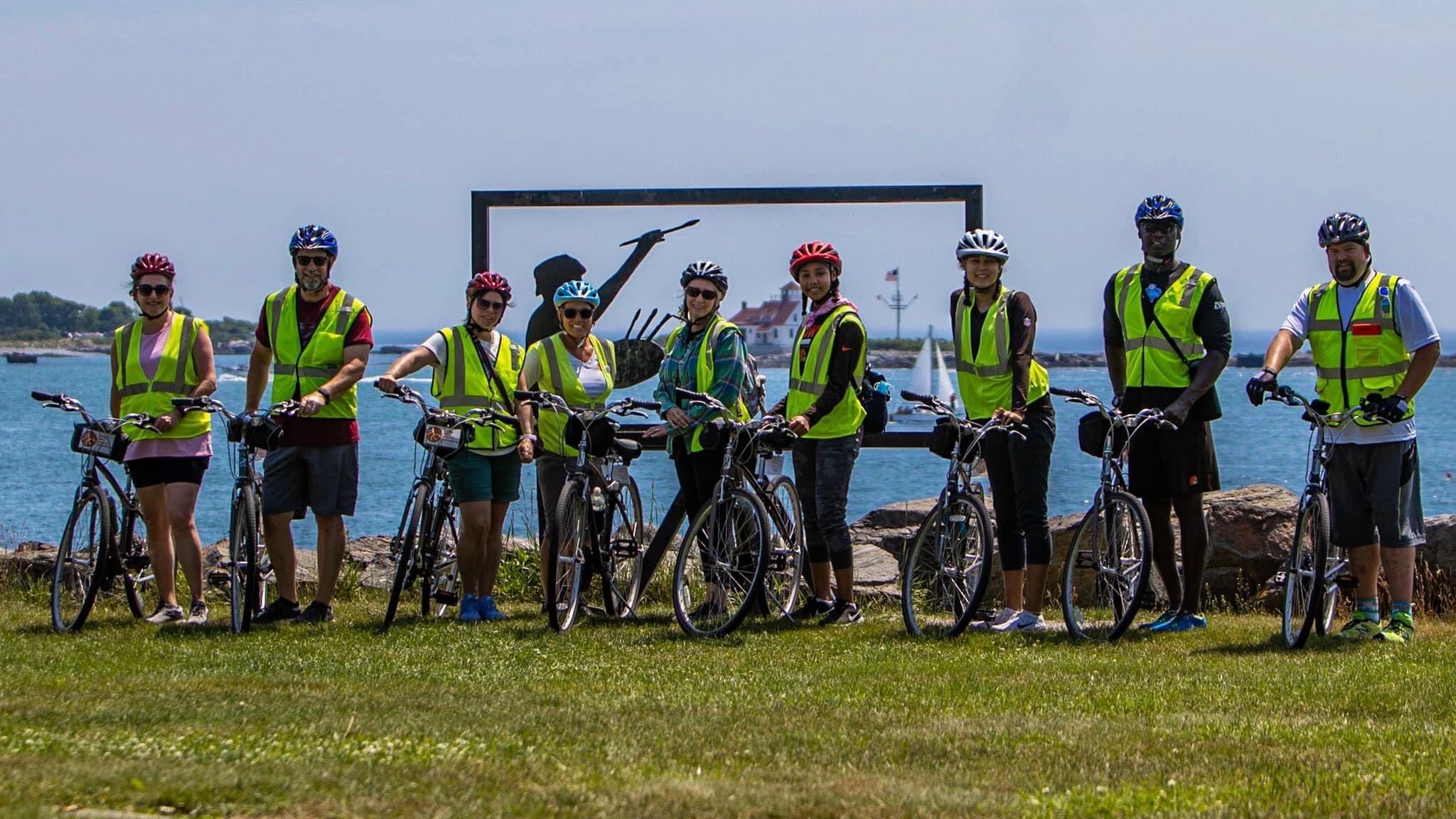
Why Eliot Is a Standout Bike Touring Base
Eliot occupies a particular edge of the Maine seacoast—small enough to feel intimate, but stitched into a wider coastal network that makes it an ideal hub for bike touring. The town’s lanes curve around marshes, thread through low ridges and past tidy farmsteads, and run parallel to scenic rivers that reflect tidal changes across the day. That variety yields short loops for casual afternoon rides, longer mixed-surface excursions for gravel bikes, and simple point-to-point runs that link with neighboring towns for a day of discovery. The roads themselves are the story: soft shoulders in places, narrow pavement elsewhere, and seldom the kind of fast, relentless traffic you find closer to major tourist centers. For many riders the appeal is not one striking summit or a single iconic cliff; it’s the cumulative pleasure of changing views, the salt air at the estuary, the quiet of midweek country roads, and the chance to stop frequently—at a roadside berry stand in June, a bait-and-tackle shop that doubles as a local gossip post, or a small harbor where a pair of lobstermen mend traps.
Historically, Eliot and its neighbors were maritime and agricultural towns—working landscapes that still show those roots. The result for cyclists is a comforting patchwork: tidal flats and salt marshes that glow at low tide, parcels of mixed forest and farmland that create soft rollers rather than punishing climbs, and short spans that cross rivers and inlets, offering instant coastal panoramas. That mix makes Eliot especially friendly to a broad range of cyclists: families seeking a calm, picturesque day ride; gravel riders looking for short off-road connectors; and road cyclists piecing together longer coastal routes that include a ferry hop or a short urban stretch into Kittery or Portsmouth. Because many tours are relatively low-elevation, weather—not altitude—is the primary variable. Winds can shape a ride, and summer humidity or an unexpected coastal shower can change the feel of a route, so planning and timing matter.
Practicality is baked into Eliot’s touring appeal. Distances between cafés, markets, and public access points are compact, so riders seldom need to carry a day’s worth of food if they’re willing to stop. Side trips to local attractions—historic houses, small nature preserves, and riverfront viewpoints—add cultural texture without requiring extra logistical planning. The presence of neighboring towns with bike services, cafes, and accommodations means Eliot works well as a base for multi-day explorations while still being simple enough for single-day itineraries. Finally, Eliot’s riding tempo is democratic: you can aim for a mellow pedal between estuaries, or string together a longer, brisk day that includes gravel connectors and coastal vistas. The town rewards curiosity, offers practical amenities, and puts nature—salt marshes, river channels, and coastal light—squarely at the center of the ride.
Eliot’s road network and short distances between stops make it ideal for mixed-ability groups; everyone can find a comfortable route that still delivers coastal character and rural charm.
Because most rides are low-elevation, wind and weather are the main challenges—plan your route and timing with tides, forecasts, and daylight in mind.
Choose by purpose
Whale watching, snorkeling, sunset sailing, cultural canoeing, harbor sightseeing, or private chartering.
Start near the city
Waikiki and Honolulu Harbor are primary hubs, with some trips launching near Hanauma Bay.
Confirm the vessel
Gangways, shaded seating, and boarding requirements vary according to vessel size and operator.