1

Whale Watching Off Eliot, Maine: A Coastal Guide

Eliot, Maine

Eliot is a quiet, tide-sculpted gateway to the rich feeding grounds of the Gulf of Maine. From short harbor cruises to longer pelagic runs launched near the Piscataqua, whale watching here blends Maine’s working-coast character with reliable marine wildlife encounters—particularly in summer and early fall when whales follow dense schools of herring and sand lance into the region.

6
Activities
Late spring–early fall
Best Months

Top Whale Watch Trips in Eliot

6 trips • Book with confidence • Instant confirmation

Why Eliot Is a Standout Place for Whale Watching

There’s a particular northern light off the Eliot shore that refracts differently when the Gulf of Maine is alive: it bounces off dorsal fins and the slick backs of humpbacks in the same way it hits the steel of a lobster boat. Eliot is not a whale-watch boomtown; it is a quiet seam between river, salt marsh, and open ocean where marine life surges in seasonal pulses. The town’s position on the Piscataqua estuary and easy access to coastal launch points make it a practical base for trips that cross tidal rips and slide into deeper channels where whales follow bait. The Gulf of Maine’s unusually rapid warming in recent decades has shifted prey and predator behavior—making local knowledge, timing, and flexible itineraries more important than ever for a successful sighting.

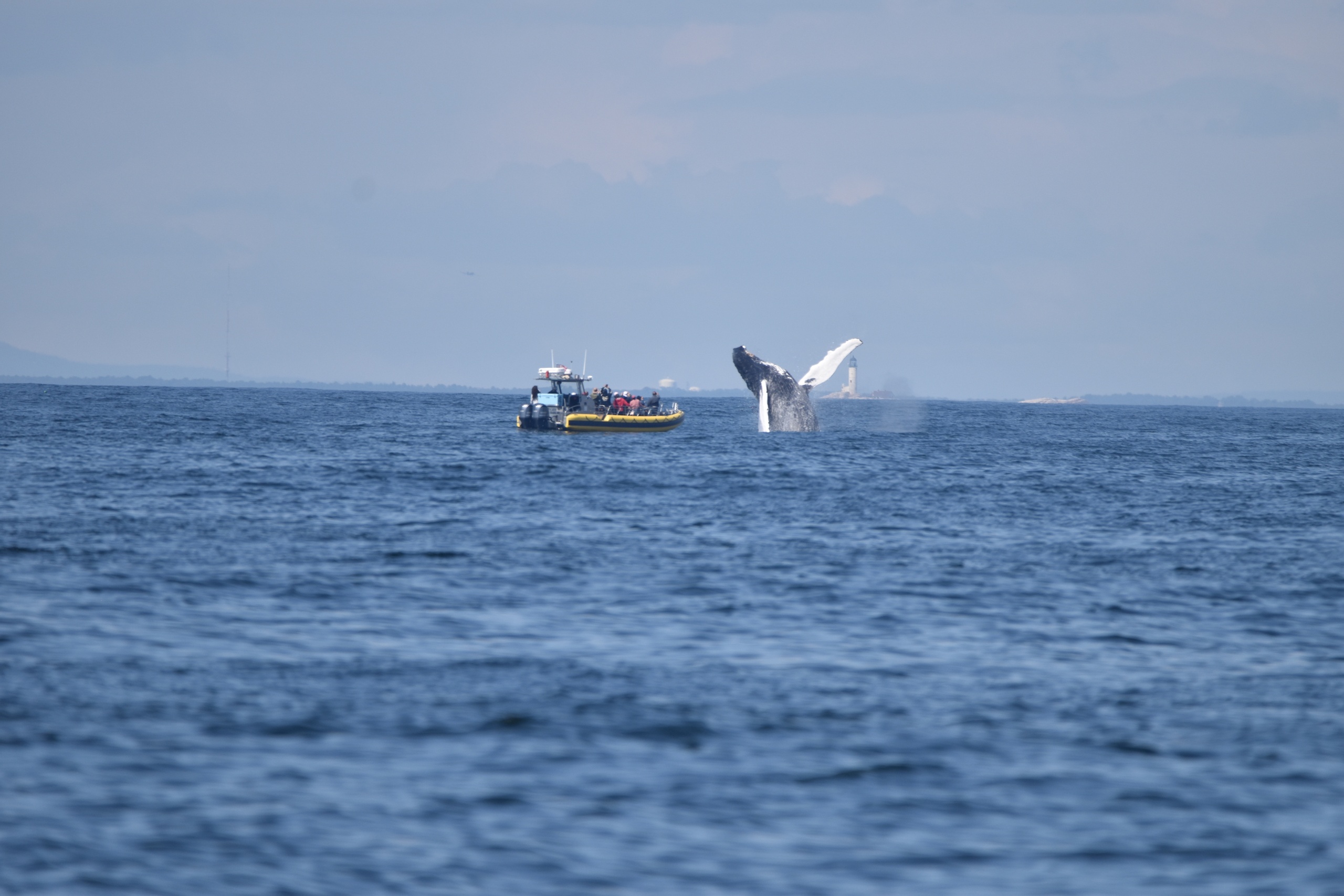
A whale watch out of Eliot feels like a conversation with New England’s maritime history: lobster boats cresting inshore, colonial-era granite marking headlands, and old wooden piers that creak with the same rhythm as the low, distant blows of a whale. That historic texture is part of the appeal, but the real draw is ecological. Humpback whales are the most commonly reported species during the season, often visible in dramatic surface behaviors—tail slaps, breaches, and prolonged bubble-net feeding—while minke and fin whales appear more opportunistically. Lesser-known residents and visitors—seabirds, porpoises, seals—compose the chorus, and on a good day a single trip can feel like a field guide come to life.

Practical considerations seat themselves alongside the poetry: tides matter; wind matters; the captain’s local reading of currents and bait concentrations matters. Eliot-based excursions are typically shorter than long-haul pelagics launched farther east, which makes them accessible for families and travelers who prefer a half-day at sea instead of a full expedition. That accessibility also opens the chance to pair whale watching with nearby coastal activities—sea kayaking in calmer estuary arms, shorebirding on mudflats, lighthouse photography along the coast, or a post-trip meal of fresh seafood in a nearby harbor town. Conservation-minded travelers will notice signs of stewardship: vessels operating under responsible-viewing guidelines, companies participating in local cetacean monitoring, and an increased emphasis on small-group tours to reduce disturbance. For anyone with a soft spot for salt and the sudden, considerate enormity of a whale, Eliot offers a dignified, authentic doorway to the Gulf of Maine’s marine life.

Local captains lean on decades of headland knowledge—reading bait balls, wind, and tidal shifts to put guests where animals are most likely to feed. That local expertise shortens search time and increases meaningful encounters without necessarily increasing distance traveled.

Because Eliot is close to larger harbors and transportation hubs (including Portsmouth, NH), visitors can combine short marine trips with coastal hikes, birding on salt marsh boardwalks, and culinary stops at small harborside restaurants that celebrate the region’s seafood and fishing culture.

Activity focus: Whale watching and marine wildlife viewing
Typical trip lengths: half-day to full-day (varies by operator)
Most commonly seen whales: humpback, minke; fin whales occasionally
Best access: small harbors and launch points near Eliot and neighboring towns
Responsible viewing practices are emphasized by local operators

Best Time to Visit

Best Months

JuneJulyAugustSeptemberOctober

Weather Notes

Summer brings the most predictable calm windows and concentrated feeding as bait moves into coastal channels; coastal fog and sea breeze can affect visibility and comfort. Early and late season trips may be colder and windier—dress in layers and expect chill from spray.

Peak Season

July through September are typically the busiest months for whale-watching activities and the most reliable for sightings.

Off-Season Opportunities

Late spring (May) can yield early arrivals, especially on warm years. Off-season birding and seal-watching from shore remain options when whale activity is low; many companies offer nature cruises focused on seabirds or seals outside peak whale months.

Frequently Asked Questions

Do I need any permits to go whale watching from Eliot?

No permits are required for passengers on commercial whale-watch trips. Operators handle vessel regulations and any necessary marine permits. If you plan independent boating, verify local harbor rules and safety requirements.

Can you see whales from shore in Eliot?

Shore-based whale watching is uncommon and opportunistic; most reliable sightings come from boats that can reach deeper feeding areas. Elevated headlands and certain points can sometimes offer distant views when whales are nearshore.

Are whale-watch trips suitable for children and older adults?

Many operators offer family-friendly half-day trips. Consider sea conditions and the physical demands of boarding over a ramp or ladder. Operators can advise on accessibility and recommend the calmest trip options for mixed-ability groups.

Choose Your Experience Level

Beginner

Short, guided harbor or nearshore cruises designed for first-time viewers and families—lower sea time with an emphasis on accessible viewing and interpretation.

  • Half-day nearshore whale watch
  • Harbor wildlife cruise with seabird identification
  • Sunset wildlife-and-lighthouse tour

Intermediate

Longer nearshore to offshore trips that require moderate tolerance for sea conditions and offer better opportunities to see multiple species and active feeding behavior.

  • Full-morning whale watch to coastal feeding grounds
  • Combined whale-and-birding tour with local naturalist
  • Photography-focused small-group outing

Advanced

Extended pelagic excursions or multi-day trips that go farther offshore, often timed for specific migration windows or to target rarer species—best for experienced sea travelers.

  • Full-day pelagic whale watch
  • Offshore expedition with extended search range
  • Specialist marine ecology trip with research partners

Insider Tips & Local Knowledge

Operators adjust plans to weather, tides, and animal movements—flexibility increases your chance of a quality encounter.

Book early in the peak season and choose morning departures for calmer seas and better light for photography. Talk to your captain—local crews read bait and current patterns and will explain why a search area is chosen. If you’re prone to seasickness, take medication before you board and sit mid-ship where motion is reduced. Combine a half-day whale watch with shore activities—tidepool walks, lighthouse stops, or a seafood lunch in a nearby harbor—for a full coastal day. Respect wildlife: maintain distance when viewing from private vessels, and follow your operator’s guidance to minimize disturbance. Finally, consider small-boat operators and naturalist-led trips for more intimate experiences and better interpretation of behavior when wildlife appears.

What to Bring

Essential

  • Layers and windproof outer layer (coastal wind and spray)
  • Sea-sickness medication if you are prone (take before boarding)
  • Binoculars and a small telephoto lens for wildlife photography
  • Waterproof bag or dry pouch for electronics
  • Good walking shoes for slippery docks and gangways

Recommended

  • Light gloves and warm hat for cooler mornings
  • Sunscreen and polarized sunglasses for glare
  • Reusable water bottle and light snacks
  • Charged phone with offline maps and operator contact info

Optional

  • Field guide or app for identifying whales and seabirds
  • Compact spotting scope for extended viewing
  • Motion-sickness wristbands as an alternative to medication

Ready for Your Whale Watch Adventure?

Browse 6 verified trips in Eliot with instant booking

Explore Top 15 Eliot, Maine Adventures →