THE ADVENTURE COLLECTIVE® · Independent discovery and booking for outdoor travel

Spend a private day tracing Oahu’s northern rim—coffee farms, Dole pineapples, Haleʻiwa plate-lunch and surf-swept beaches—guided from Waikiki with local history and shoreline viewpoints.
Spend a private day tracing Oahu’s northern rim—coffee farms, Dole pineapples, Haleʻiwa plate-lunch and surf-swept beaches—guided from Waikiki with local history and shoreline viewpoints.
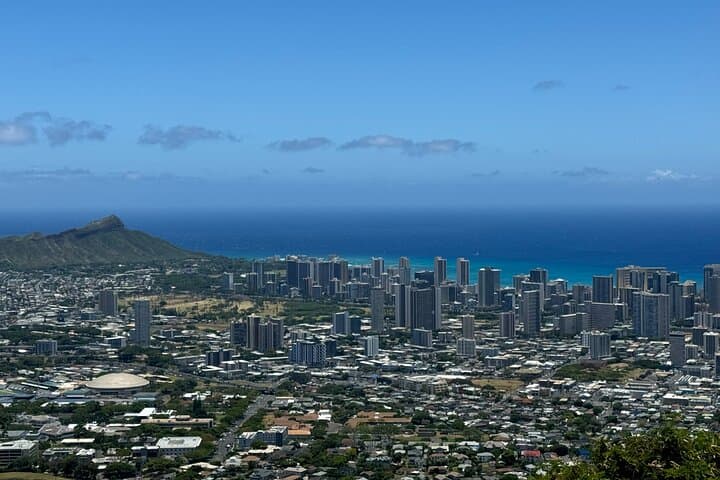
The van slips away from Waikiki before the city discovers its own rhythms—palm shadows still long, traffic a promise rather than a fact. Within minutes the salt in the air thickens and the Koʻolau Mountains push up like a folded wall, their steep pali daring the road to climb. A guide's narration threads the morning: volcanic birth, royal history, plantation-era grit. The island isn't a postcard; it's a landscape that moves and speaks.
Verified experiences and guided adventures in the surrounding area.
Operated by Laulima Tours Hawaii · Honolulu, Hawaii
The van slips away from Waikiki before the city discovers its own rhythms—palm shadows still long, traffic a promise rather than a fact. Within minutes the salt in the air thickens and the Koʻolau Mountains push up like a folded wall, their steep pali daring the road to climb. A guide's narration threads the morning: volcanic birth, royal history, plantation-era grit. The island isn't a postcard; it's a landscape that moves and speaks.
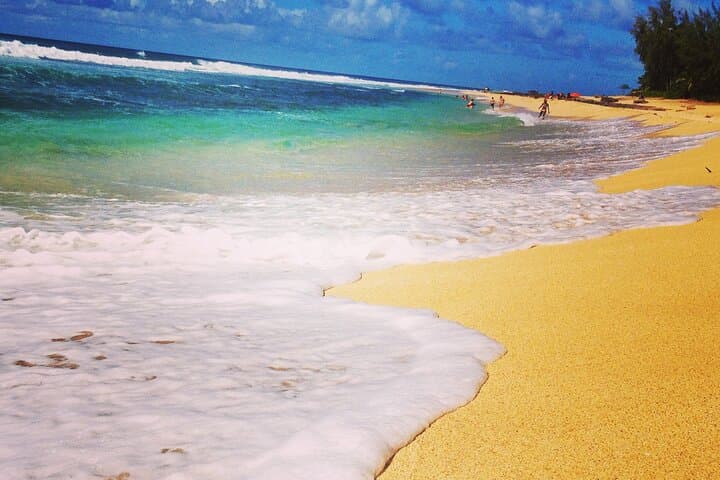
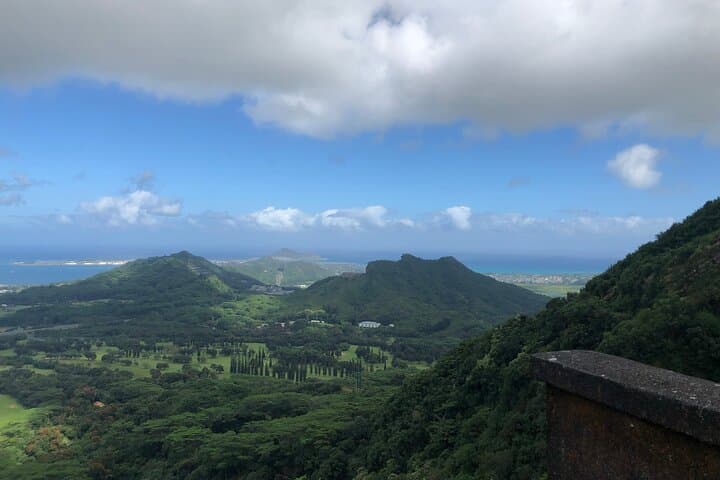
By mid-morning the tour is northbound, the asphalt unwinding past pineapple fields and tidy macadamia groves. At a cliff-side lookout the wind takes hold and the ocean stretches flat and stoppable—sunlit lanes of blue that lead to the North Shore. Here, beaches change personality by season: winter summons monstrous surf and the cliff faces roar; summer draws calm water and snorkelers. The tour pauses at a local coffee farm where the smell of roasted beans competes with sea breeze, and at the Dole plantation for the obvious photo beneath fan-leafed palms and endless pineapple rows.
Haleʻiwa arrives like an island town that refused to modernize. Its storefronts sell surf wax and shave ice beside family-run shops peddling macadamia nuts and aloha shirts. A plate-lunch stop—garlicky shrimp from a well-reviewed truck—is part of the rhythm here: food that feels purposeful, designed to refuel between lookouts.
The coastline on the return leg is quieter, hugs of mangrove and fruit stands offering papaya and lychee. The guide windows into local culture: Iolani Palace as the single American palace, the King Kamehameha statue standing watch, the Koʻolau's volcanic bones exposed after ancient collapse. Geology is visible; the island reads like a cross-section of events—lava flows flattened, seas carving, reefs building.
This private seven-hour route is largely driving with short, easy walks—viewpoints and market stops rather than multi-mile hikes. Expect roughly 80–100 miles of road time depending on detours and traffic. Wear closed-toe shoes for short viewpoint walks and reef-safe sunscreen for any beach stops. Bring a camera with extra memory: turtles and surfers make for sudden subjects.
Practicalities are direct: pickup can be arranged from most Honolulu and Waikiki hotels; the tour is family-friendly and suitable for most fitness levels. Winter offers big-surf spectacle but less beach snorkeling; summer gives calm water and clearer reefs. The experience is part sightline, part local color—a single day that stitches island history, working agriculture, and coastline into an intelligible route for travelers wanting the North Shore beyond the surf mags.
easy.
6–7 hours.
Appropriate for most fitness levels; mostly seated in vehicle with short, easy walks (under 0.5 mile) at viewpoints
Yes—pickup can be arranged from most Waikiki and Honolulu hotels; confirm your exact pickup point when booking.
A plate lunch from a popular shrimp truck is included as described in the itinerary.
Yes; the tour is family-friendly and stroller-accessible for infants and small children.
Turtles are frequently seen on North Shore beaches year-round; humpback whales are common offshore in winter months (December–April).
Most vehicle stops are accessible, but some lookouts and small farm areas have uneven ground—check with the supplier for specific accessibility needs.
Full refund is available if you cancel at least 24 hours before the scheduled departure time.
The tour traces plantation-era agriculture—pineapple and macadamia farming—as well as sites tied to the Hawaiian monarchy, including drive-by views of Iolani Palace and King Kamehameha statute.
Use reef-safe sunscreen, avoid touching turtles and coral, and support family-run farms and outlets to keep local economies resilient and reduce larger tourism impacts.
Laulima Tours Hawaii operates guided outdoor trips and adventures with an emphasis on safety, stewardship, and memorable experiences.
The van slips away from Waikiki before the city discovers its own rhythms—palm shadows still long, traffic a promise rather than a fact. Within minutes the salt in the air thickens and the Koʻolau Mountains push up like a folded wall, their steep pali daring the road to climb. A guide's narration threads the morning: volcanic birth, royal history, plantation-era grit. The island isn't a postcard; it's a landscape that moves and speaks.
The van slips away from Waikiki before the city discovers its own rhythms—palm shadows still long, traffic a promise rather than a fact. Within minutes the salt in the air thickens and the Koʻolau Mountains push up like a folded wall, their steep pali daring the road to climb. A guide's narration threads the morning: volcanic birth, royal history, plantation-era grit. The island isn't a postcard; it's a landscape that moves and speaks.
By mid-morning the tour is northbound, the asphalt unwinding past pineapple fields and tidy macadamia groves. At a cliff-side lookout the wind takes hold and the ocean stretches flat and stoppable—sunlit lanes of blue that lead to the North Shore. Here, beaches change personality by season: winter summons monstrous surf and the cliff faces roar; summer draws calm water and snorkelers. The tour pauses at a local coffee farm where the smell of roasted beans competes with sea breeze, and at the Dole plantation for the obvious photo beneath fan-leafed palms and endless pineapple rows.
Haleʻiwa arrives like an island town that refused to modernize. Its storefronts sell surf wax and shave ice beside family-run shops peddling macadamia nuts and aloha shirts. A plate-lunch stop—garlicky shrimp from a well-reviewed truck—is part of the rhythm here: food that feels purposeful, designed to refuel between lookouts.
The coastline on the return leg is quieter, hugs of mangrove and fruit stands offering papaya and lychee. The guide windows into local culture: Iolani Palace as the single American palace, the King Kamehameha statue standing watch, the Koʻolau's volcanic bones exposed after ancient collapse. Geology is visible; the island reads like a cross-section of events—lava flows flattened, seas carving, reefs building.
This private seven-hour route is largely driving with short, easy walks—viewpoints and market stops rather than multi-mile hikes. Expect roughly 80–100 miles of road time depending on detours and traffic. Wear closed-toe shoes for short viewpoint walks and reef-safe sunscreen for any beach stops. Bring a camera with extra memory: turtles and surfers make for sudden subjects.
Practicalities are direct: pickup can be arranged from most Honolulu and Waikiki hotels; the tour is family-friendly and suitable for most fitness levels. Winter offers big-surf spectacle but less beach snorkeling; summer gives calm water and clearer reefs. The experience is part sightline, part local color—a single day that stitches island history, working agriculture, and coastline into an intelligible route for travelers wanting the North Shore beyond the surf mags.