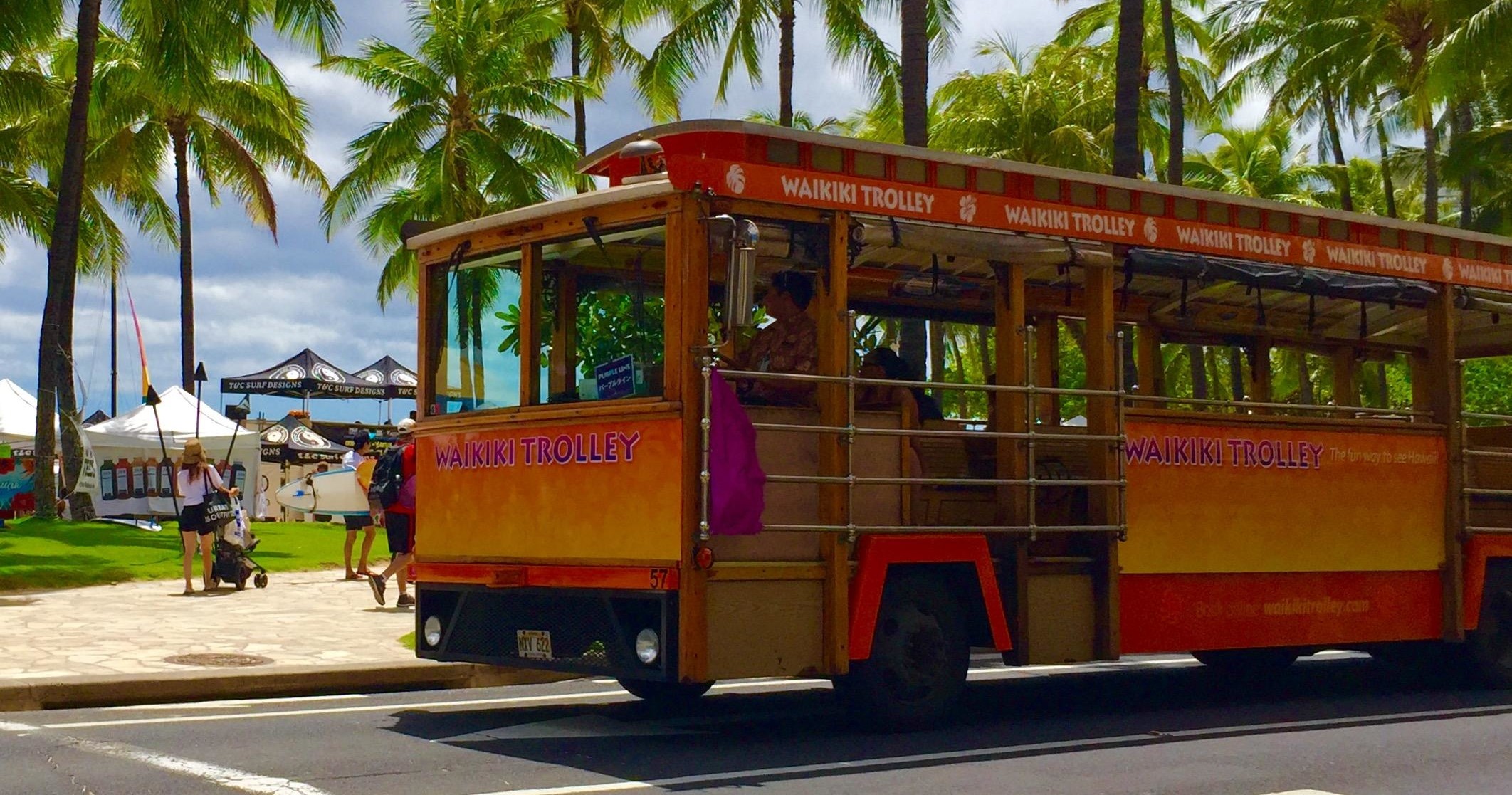
Top Bus Tours in Honolulu, Hawaii
From coastal panoramas to neighborhood stories and historic shorelines, bus tours in Honolulu offer a compact, no-fuss way to read the island’s layered geography and culture. Whether you prefer an air-conditioned hop-on/hop-off loop, an interpretive national-park-style ride to Diamond Head, or a deep-dive historical route to Pearl Harbor, buses condense island logistics into an accessible experience—ideal for travelers who want the broad strokes before committing to hikes, snorkel trips, or surf lessons.
Top Bus Tour Trips in Honolulu
86 trips • Book with confidence • Instant confirmation
Why Honolulu's Bus Tours Are Worth It
Bus tours in Honolulu are an exercise in perspective. From the window seat you watch the island stitch itself together—turquoise bays giving way to high ridgelines, plantation-era neighborhoods that whisper stories of sugar and pineapple, and military sites that mark pivotal moments in the twentieth century. A well-led tour is equal parts geography lesson, oral history, and practical logistics: you arrive at key points rested and with context, and you leave with a clearer idea of where you want to spend the rest of your trip.
The appeal is pragmatic as much as poetic. Oʻahu’s attractions are dispersed—North Shore waves are hours from Waikīkī’s beachfront, the punchbowl cemetery sits above downtown, and Pearl Harbor requires both time and permits for the most visited exhibits. Bus tours collapse those gaps, delivering access without the stress of navigation, parking, or rental-car fees. That’s why they work so well for first-time visitors, travelers on short itineraries, and anyone who prefers to travel with a guide who can layer in Hawaiian language, surf lore, WWII history, and modern urban development without you having to juggle a map.
Good bus tours are also a lesson in rhythm. Morning circle-island routes catch coffee vendors setting up in seaside towns and surfers paddling out before the wind picks up. Afternoon tours through downtown and Punchbowl frame the city against mountain backdrops when the light softens and trade-wind showers are less likely. Specialty routes—like those focused on cultural sites, botanical highlights, or the North Shore’s surf history—let you tailor a single day to a theme and then step off the coach to walk a reef, visit a museum, or sample shave ice.
But bus tours are not a substitute for other modes of exploration; they're the scaffold. Use them to orient yourself, pick the hikes and beaches worth returning to, and layer in deeper experiences—stand-up paddle lessons in Kailua, a snorkel outing in Hanauma Bay, or a sunrise hike up Diamond Head. Accessibility matters here: for travelers with limited mobility, bus tours open a way to see the island’s topography and storylines without long walks between points of interest. Seasonality matters too—trade winds, holiday crowds, and school-break surges shift the best time to ride and where to sit. Treat a bus tour as both an orientation and an invitation: a comfortable, story-forward way to fall in love with Oʻahu’s landscapes and then go find the parts you want to linger in.
Buses are efficient for sampling widely: circle-island and hop-on/hop-off options let you taste neighborhoods and then commit to the ones that deserve more time.
Guided tours often include local interpretation—language, place names, and cultural context—that a map alone cannot provide.
Use a bus tour to stack logistics (parking, permits, time) so you can reserve your energy for hiking trails, surf lessons, and snorkeling adventures.
Best Time to Visit
Best Months
Weather Notes
Honolulu’s climate is warm year-round, with trade winds moderating humidity. Short, localized showers are common, especially in late afternoon. Winter months bring larger swell to the North Shore (viewing opportunity) and higher visitor traffic; summer sees steadier beach weather but more haze.
Peak Season
Late December through March and mid-June through August—expect fuller buses and busier stops during winter holidays and summer breaks.
Off-Season Opportunities
Shoulder months (spring and fall) often provide fewer crowds, easier bookings, and more flexible schedules for guided departures.
Frequently Asked Questions
Do I need to book bus tours in advance?
Advance booking is recommended for popular full-day circle-island trips and tours tied to timed-entry sites like Pearl Harbor exhibits. City loops and hop-on/hop-off services may allow walk-up fares off-season.
Are bus tours wheelchair accessible?
Many commercial bus operators offer wheelchair lifts or accessible boarding; policies vary, so confirm accessibility features and required notice with the operator before booking.
Can I bring luggage or surf gear on board?
Short city tours typically discourage large bags; full-day tours may have limited storage. Surfboards and bulky equipment often require advance notice and sometimes an extra fee—check with the operator.
Choose Your Experience Level
Beginner
Perfect for first-time visitors and travelers seeking low-effort ways to see the island’s highlights.
- Waikīkī city loop and Diamond Head viewpoint
- Hop-on/hop-off Waikīkī–downtown circuit
- Short historical walk paired with a guided bus transfer
Intermediate
For travelers who want sightseeing plus targeted activity—short hikes, beach stops, or museum visits coupled with coach transport.
- Half-day North Shore tour with beach stops
- Pearl Harbor shuttle plus interpretive narration
- Botanical and cultural garden bus tours
Advanced
For those using bus tours as logistical legs within deeper itineraries: multi-stop days that combine surfing lessons, snorkel bookings, and guided hikes.
- Full circle-island tour used to reach remote trailheads
- Multi-stop cultural immersion with museum entry and site-based experiences
- Custom private coach for photography or research-focused days
Insider Tips & Local Knowledge
Confirm pickup location and arrival time; traffic and island events can alter schedules.
Choose a seat on the right side for best views on many circle-island routes; the left side offers ocean views on opposite stretches—check your operator’s route map. Start early to beat morning traffic out of Waikīkī and secure a seat for the best sightlines. If your plan includes a short hike or a beach stop after the tour, bring a towel and quick-dry clothes to change into—the less you carry, the easier the transitions. When possible, combine a bus tour with a follow-up activity that benefits from local context: a guide-led snorkel, a surf lesson near the North Shore, or a food-walking tour downtown. For cultural tours, listen for ʻŌlelo Hawaiʻi place names and ask guides about proper pronunciation; most local guides welcome questions about history, land stewardship, and contemporary Hawaiian life. Finally, keep an eye on the calendar—parades, festivals, and halau events can make a stop unexpectedly lively or congested, which is part of the island’s rhythm but may alter timing.
What to Bring
Essential
- Light layers (coastal breezes can be cool, buses may be air-conditioned)
- Sunscreen and a sun hat for outdoor stops
- Reusable water bottle
- Photo gear or smartphone with extra storage
- ID and any reservation confirmations
Recommended
- Motion-sickness remedies if you’re sensitive to winding coastal roads
- Small daypack for off-bus short walks
- Cash for small vendors or optional gratuities
- Portable charger for long days of photos and maps
Optional
- Binoculars for whale season and offshore birding
- Light rain shell during tradewind showers
- Reusable snack packets to avoid tourist-line delays
Ready for Your Bus Tour Adventure?
Browse 86 verified trips in Honolulu with instant booking
Explore Top 15 Honolulu, Hawaii Adventures →