
Honolulu adventure guide
Find your way into Honolulu.
Honolulu is an island-city where surf wax and lei scent sit beside skyline views. This guide stitches together the city’s best water activities—snorkel havens, surf lessons, and SUP mornings—with cultural city tours, photography-focused sightseeing, and boat-based excursions from whale watch trips to sailing and scuba. Use it to map quick days in Waikiki and longer forays to the North Shore.
Three ways into the city
Pick a landscape. Build a day around it.
Honolulu is less a single destination than a collection of neighboring worlds. Start with the version of the city that matches your pace, then use the ranked guide below to fill in the details.

Begin where the city meets the sea.
Surf breaks, sheltered harbors, whale routes, and long beach paths make the coast LA’s most immediate outdoor playground.
Explore water activities →
Let a local connect the landmarks.
Use a guided city, walking, or sightseeing tour to turn LA’s sprawl into a coherent story.
Explore boat tour →
Ride the coast and the city.
Beach paths, river corridors, e-bikes, and ridge climbs reveal a more connected Los Angeles.
Explore snorkel →Choose your way into Honolulu
The top 15 Honolulu adventures.
Ranked by the number of currently listed trips. Each panel opens the complete local activity collection.
1Water Activities
Honolulu compresses a Hawaiian archipelago of water experiences into a city framed by reef flats, volcanic headlands, and world-class surf breaks. From glassy morning paddling across protected bays to adrenaline-pitched shorebreaks and reef snorkeling among green sea turtles, the city is an accessible launchpad for a spectrum of saltwater adventures.
Explore water activities →2Boat Tour
From sunrise sails off Diamond Head to sunset cruises under the blush of Waikiki, Honolulu's boat tours compress oceanic wonder into accessible, unforgettable windows on the Pacific. Expect humpback whale breaches in winter, kaleidoscopic reefs and snorkeling trips in summer, and culturally rooted voyages aboard outrigger canoes that link modern visitors to centuries of Hawaiian seafaring. Tours range from short harbor histories and glass-bottom launches to full-day snorkeling jaunts, sunset catamaran parties, and private charters that chase remote coves and surf-line vistas.
Explore boat tour →3Snorkel
Honolulu pairs an unmistakable island rhythm with some of Oʻahu's most accessible and vibrant reef snorkel sites. From protected bays with glassy shallows to reef fringes just a short paddle from shore, the city's shoreline lets travelers step straight from sand into a mosaic of fish, coral, and the occasional honu (green sea turtle). This guide focuses on snorkeling: where to go, when to go, how to plan, and how to do right by the reef.
Explore snorkel → 4
4Sightseeing Tour
Honolulu’s sightseeing scene is compact and contradictory in the best way: a palm-lined urban shoreline where reef-strewn seas meet a skyline of mid-century hotels, an island capital that funnels centuries of Hawaiian history into walking tours, war memorials, and market streets framed by volcanic ridgelines. Sightseeing tours here range from mellow harbor cruises and historic walking routes to helicopter flights and reef-focused snorkel expeditions. The draws are immediate—big ocean, big sky, and easily reached cultural touchpoints—but the lasting impressions come from the slower details: the cadence of oli (chants) at a luau, the salt-slick light at a harbor’s edge, the coral gardens visible from a glass-bottom boat.
Explore sightseeing tour → 5
5Surf
Honolulu is where daily surf culture and spectacular reef-and-point breaks converge within minutes of an urban shoreline. From long, forgiving Waikiki funneled into endless beginner rides to winter-facing reef monsters that draw the world’s best, Honolulu offers surf experiences that suit learners, progression seekers, and wave-savvy veterans alike.
Explore surf →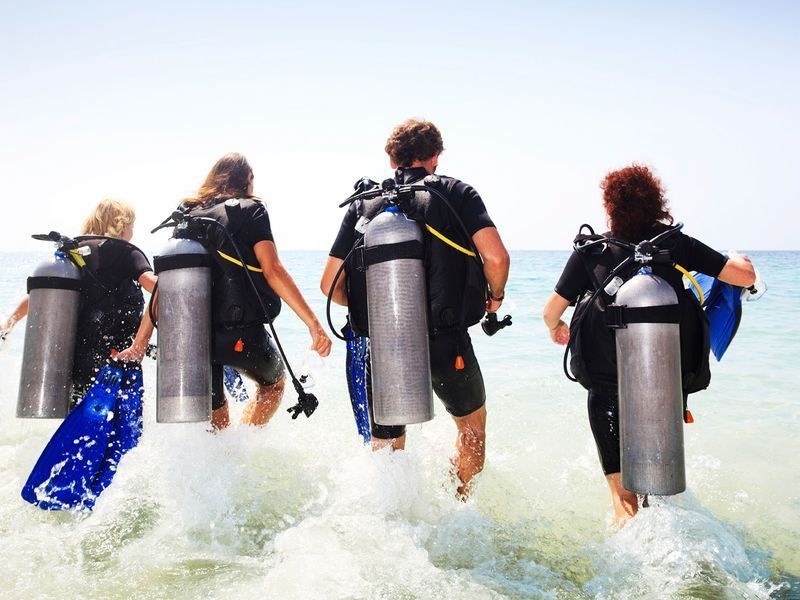 6
6Scuba
Honolulu’s reefs and offshore volcanic structures make it one of the most accessible and diverse scuba destinations in the Pacific. From shallow coral gardens teeming with reef fish and sea turtles to dramatic lava rock walls and offshore pinnacles, diving here is an intimate way to encounter Hawaiian marine life, learn about island geology, and experience the rhythms of tropical ocean weather.
Explore scuba →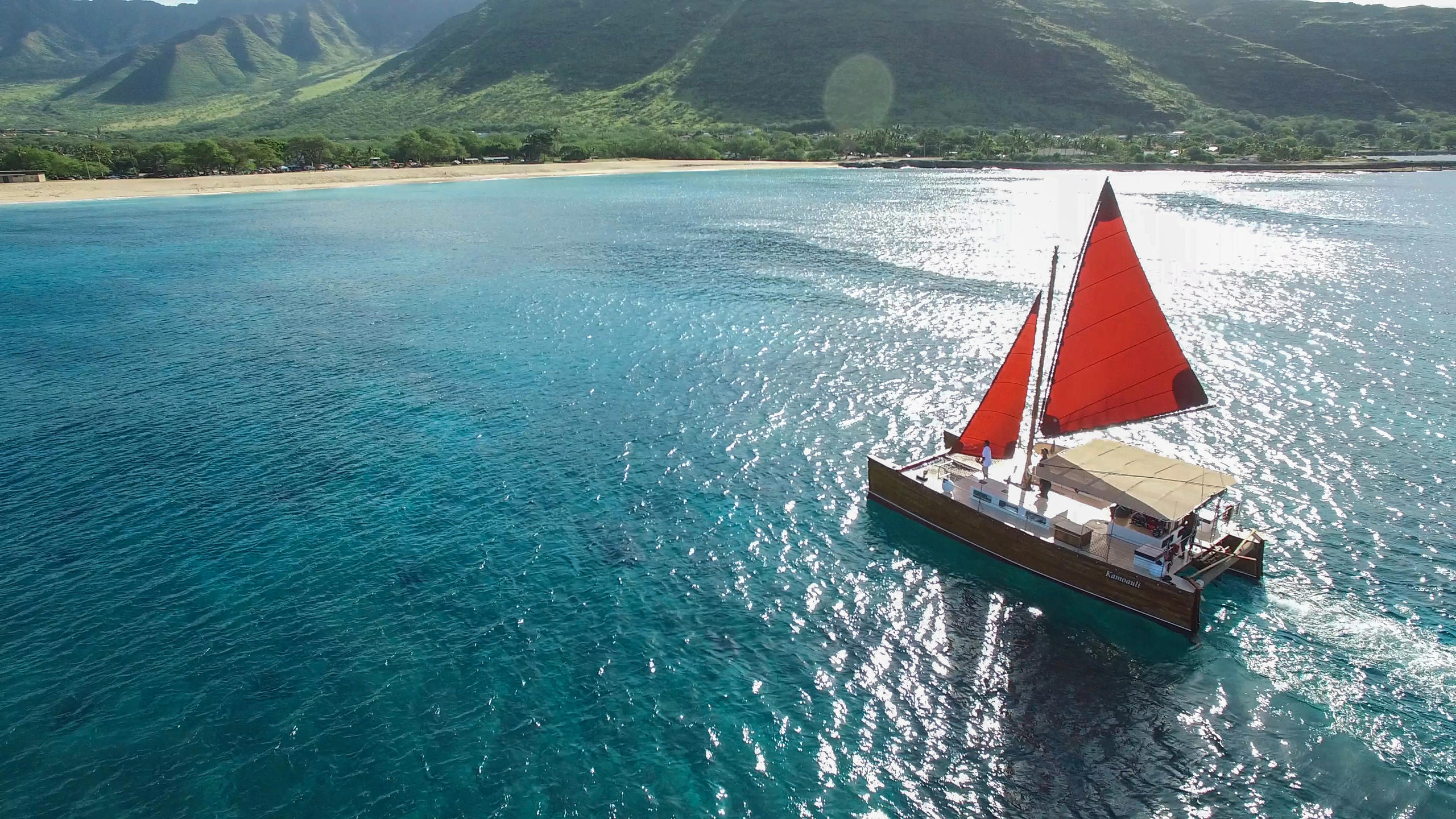 7
7Sailing
Honolulu rewrites what a city sail can be: turquoise coral gardens a short glide from skyscrapers, steady tradewinds off the southeast that turn afternoon catamaran runs into ritual, and a maritime culture threaded through centuries of Polynesian voyaging, commercial harbors, and modern recreational fleets. Whether you want a short sunset cruise beneath Diamond Head, a snorkel-and-sail to calm reef lagoons, or an overnight passage toward the windward or leeward shores of Oʻahu, the options are abundant and readily accessible from Waikiki and Honolulu Harbor.
Explore sailing →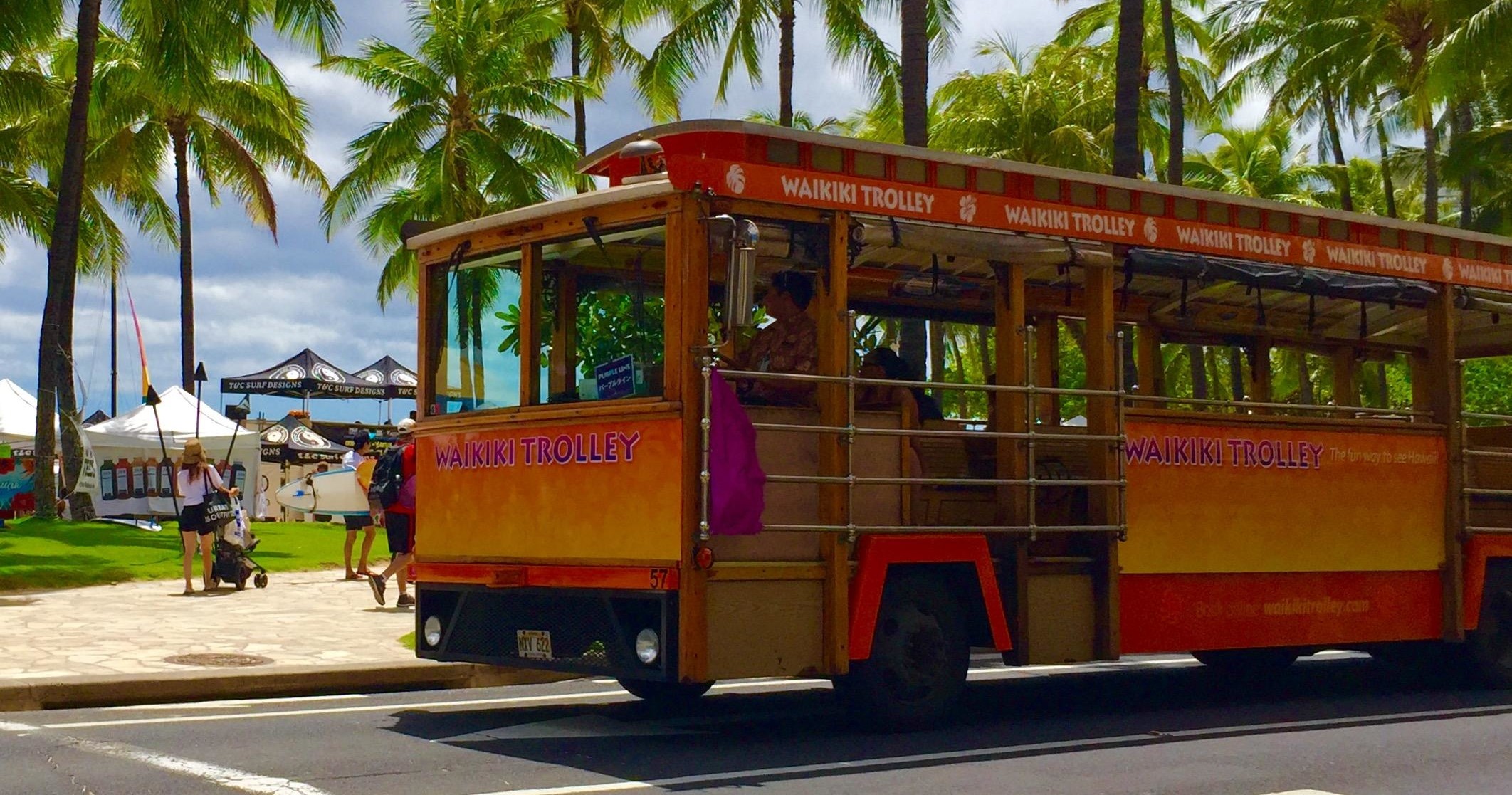 8
8Bus Tour
From coastal panoramas to neighborhood stories and historic shorelines, bus tours in Honolulu offer a compact, no-fuss way to read the island’s layered geography and culture. Whether you prefer an air-conditioned hop-on/hop-off loop, an interpretive national-park-style ride to Diamond Head, or a deep-dive historical route to Pearl Harbor, buses condense island logistics into an accessible experience—ideal for travelers who want the broad strokes before committing to hikes, snorkel trips, or surf lessons.
Explore bus tour → 9
9SUP
Honolulu’s sheltered bays, warm water, and postcard-caliber skyline make stand-up paddling (SUP) one of the city’s most accessible and rewarding water pursuits. Whether you're gliding across the glassy shallows of Ala Moana, chasing the wind and reef passes of Kaneohe Bay, or learning the fundamentals on Waikiki’s gentle rollers, SUP in Honolulu offers a range of experiences for first-timers and seasoned paddlers alike. This guide focuses on the art of paddling here—where to go, when to plan, what to expect, and how to pair a day on the board with snorkeling, outrigger canoeing, or coastal hiking.
Explore sup → 10
10Whale Watch
Each winter, the warm blue shoulders of Hawai‘i become a crossroads for great whales. Honolulu sits on the frontline of one of the planet’s most reliable marine migrations: tens of thousands of North Pacific humpbacks move from Alaskan feeding grounds to Hawai‘i’s shallow breeding waters to mate, calve, and sing. This guide focuses on whale-watching experiences out of Honolulu—what to expect on the water and from shore, how to pick an operator, the ethics of responsible viewing, and the best times and practical tips to make a winter trip into a lasting memory.
Explore whale watch → 11
11City Tour
Honolulu condenses ocean, mountain, history, and hospitality into a walkable urban patchwork. City tours here move at the pace of trade winds: sunlit beachfront promenades, shady banyan-lined streets, and alleys where markets and murals tell the island story. This guide focuses on curated tours—walking, biking, food and history routes—that let travelers read the city as both modern capital and cultural crossroads.
Explore city tour → 12
12Photography Tour
Honolulu compresses an astonishing range of photographic subjects into a small, sunlit frame: volcanic ridgelines and surf-battered shores, luminous reef flats and neon Chinatown streets, intimate cultural rituals and sweeping ocean panoramas. Photography tours here are as diverse as the island’s light—sunrise sessions on windward beaches, surf-and-sky shoots from cliff overlooks, and guided street-portrait walks through historic neighborhoods. This guide focuses on tours and experiences built for photographers: accessible vantage points, seasonal highlights, technical considerations, and the local etiquette that makes respectful photography possible.
Explore photography tour → 13
13Dolphin
From glassy dawn outings that find spinner dolphins threading the surface to small-boat snorkel trips that introduce curious bottlenose pairs, Honolulu is an intimate place to encounter cetaceans against a background of volcanic ridgelines and reef lagoons. This guide focuses on how to plan a responsible, high-quality dolphin experience—what to expect on the water, when to go, and how to pair your marine day with snorkeling, paddling, or coastal hikes.
Explore dolphin → 14
14Eco Tour
Honolulu’s eco tours are a study in contrast: urban shoreline meeting protected reefs, Hawaiian cultural stewardship woven into modern conservation, and volcanic ridgelines spilling into turquoise lagoons. From guided snorkel trips that prioritize reef health to estuary bird walks and kayak outings through hidden sea caves, eco tours in Honolulu reveal the islands’ natural systems with a light-footed, educational approach. These experiences foreground native species, indigenous conservation practices, and low-impact ways to see the island’s living coastline.
Explore eco tour →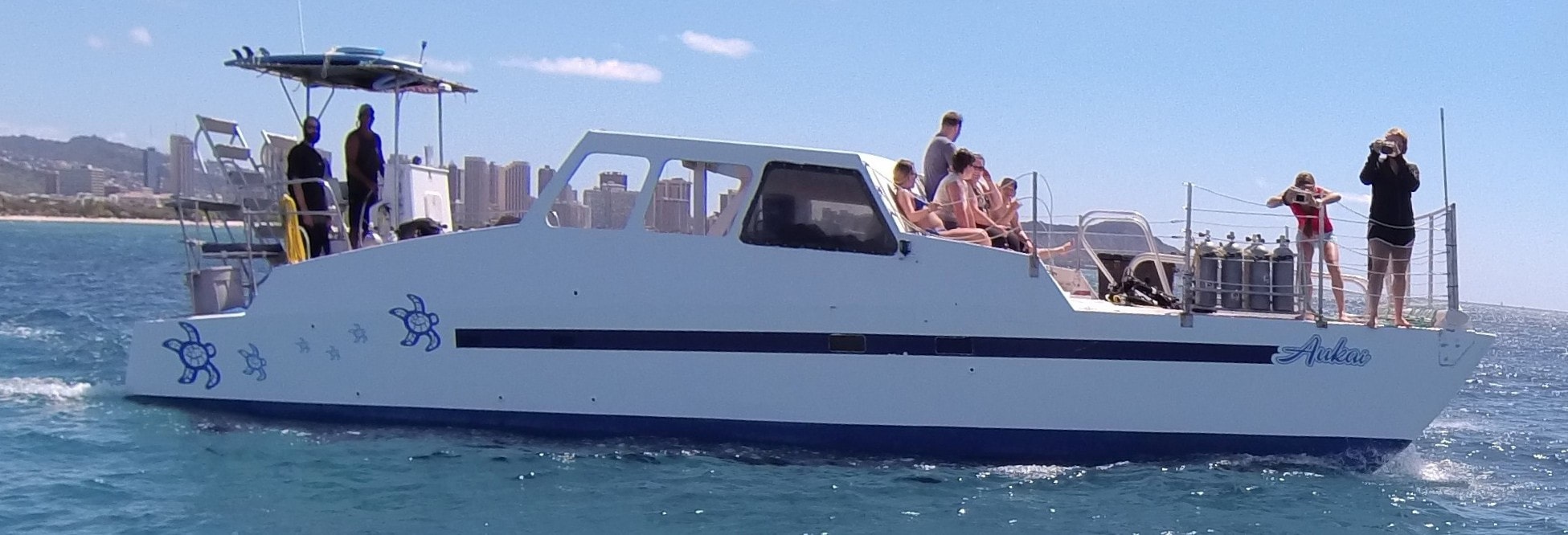 15
15Boat Rental
Renting a boat in Honolulu is the quickest way to trade the city skyline for coral gardens, offshore islets, and open-ocean horizons. Whether it’s a half-day powerboat to secluded snorkel spots, a sunset sail around Diamond Head, or a hands-on day of reef fishing near Kāneʻohe, the island’s boat-rental options put Hawai‘i’s marine playground within reach for casual travelers and seasoned mariners alike.
Explore boat rental →The city and the sea
Why Honolulu Belongs on Your Adventure Shortlist
Variety without surrendering the day to long transfers.
Honolulu is immediate: the city opens onto a reef-studded coastline where the trade winds shape days and the Pacific writes the itinerary. A morning paddle in Ala Moana can be followed by a bus tour to punchy North Shore surf spots by afternoon, or by an evening photography tour that frames Diamond Head against molten sunset light. What makes Honolulu singular is the way its compact urban grid hands you access—within a single day—to surf, snorkel, and a boat tour, then hands you back a vibrant neighborhood meal. The ocean is never far; it’s a living, changeable venue that serves beginner-friendly water activities alongside world-class scuba and seasonal whale watch trips. This isn’t hyperbole: for visitors who want variety without long drives, Honolulu delivers. Start with gentle, instructor-led surf lessons in Waikiki or a morning SUP for calm-water orientation. Slip into Hanauma Bay for snorkeling among reef formations that feel cinematic but are fragile—local eco tours and conservation messaging remind visitors how to look without touching. Come winter and the city becomes a basecamp for whale watch excursions and dramatic swell-surfing broadcasts on the North Shore. For those who crave structure, a city tour or sightseeing tour folds historical stops—Iolani Palace, Kaka‘ako murals—into routes that pair well with afternoon water time. If you prefer a slower rhythm, rent a boat or book a small-group sailing trip at dawn; watching the coastline recede makes clear how volcanic forces shaped everything here. Practical planning matters: reef-safe sunscreen, knowledge of local marine rules, and an understanding of seasonality will keep your trip joyful and responsible. Honolulu’s marine ecosystem is both a playground and a community resource; a sensible itinerary balances thrill with stewardship. Book high-demand activities—boat rental, guided scuba, or specialized photography tours—ahead, particularly around holiday peaks. When you combine a short hike up Diamond Head with a sunset sail or a guided dolphin watch, you get the Hawaiian arc: land, sea, culture, and a view that stays long after you’ve come ashore.
Access and logistics are a strength: many operators run short shuttle loops or start points in Waikiki and Ala Moana, meaning you can layer a morning snorkel with an afternoon city tour and an evening dining crawl.
Ecology and culture are entwined—choose eco tour operators and book guided snorkeling or scuba trips when you want in-depth marine interpretation; these providers prioritize reef safety and local knowledge.
Conditions shape the day
The best time to visit Honolulu.
Honolulu is warm year-round with steady trade winds. Winter months bring larger North Shore swells and more surf spectacle; winter storms can make some boat operations rough. Summer and shoulder months offer calmer seas ideal for snorkeling, SUP, sailing, and boat rentals.
Best all-around window
Spring + fall
Comfortable mixed-itinerary weather, thinner crowds at beaches and lookouts, and more room to improvise.
Beach season
Holiday windows (mid-December to early January) and mid-summer see the highest visitor numbers—book lessons, boat tours, and accommodations early.
Surf + whales
Late spring and fall deliver lower rates and comfortable ocean conditions for swimming, snorkeling, and sailing.
Coast to inland
Cool marine mornings often give way to warmer inland afternoons and breezy evenings.
Beginner
Short lessons, supervised water activities, and easy self-guided city or photography walks. Perfect for travelers building comfort in ocean skills.
- Beginner surf lesson in Waikiki (Surf)
- Snorkel at Hanauma Bay with guided eco orientation (Snorkel, Eco Tour)
- Morning SUP in a protected bay (SUP)
- Short city tour or photography tour around downtown Honolulu (City Tour, Photography Tour)
Intermediate
Longer paddles, shorebreak entry snorkeling, introductory scuba, and full-day boat tours. These outings require basic fitness and familiarity with marine winds and currents.
- Full-day boat tour that includes snorkeling and dolphin watching (Boat Tour, Dolphin)
- Guided scuba discovery dives in nearshore sites (Scuba)
- Stand-up paddle on choppier water or guided coastal SUP (SUP)
- A combined sightseeing and bus tour that links cultural sites with coastal viewpoints (Sightseeing Tour, Bus Tour)
Advanced
Technical surf sessions, multi-dive scuba itineraries, sailing delivery days, and expedition-style boat rentals. These trips demand strong sea sense, local knowledge, and advanced skills.
- Big-wave sessions on Oahu’s North Shore (Surf)
- Deep or multilevel scuba dives with certified operators (Scuba)
- Bareboat or crewed sailing trips around the island chain (Sailing, Boat Rental)
- Offshore whale watch photography charter in peak season (Whale Watch, Photography Tour)
Field kit
What to bring.
Pack for sun, salt water, walking, and a meaningful temperature swing between coast and inland Honolulu.
Essential
Start here
- Reef-safe sunscreen (broad-spectrum SPF)
- Light insulated layer for breezy mornings and evening sails
- Swimwear, quick-dry top, and a rash guard for surf and snorkel
- Waterproof phone case or dry bag
- Comfortable water shoes or reef booties
Water days
Keep it dry
- Mask and snorkel if you prefer your own fit
- Light windbreaker for open-boat trips
- Wide-brim hat and polarized sunglasses for glare reduction
- Reusable water bottle (tap water is potable)
Long days
Stay flexible
- Compact camera with wide-angle lens or action camera with float leash
- Binoculars for whale and dolphin spotting
- Daypack with quick-dry towel and small first-aid kit
Insider note
Start early, then keep the geography tight.
Book high-demand offerings—boat tours, scuba charters, and guided snorkeling—at least a week in advance during peak windows. For calmer water days, aim for mornings before trade winds pick up. If you want to chase whales, reserve a morning whale watch (conditions are often better then), and bring layers; sea spray cools quickly. Choose outfitters that emphasize eco tours and reef stewardship; many programs include a short briefing on reef etiquette. When renting boats, check tide and wind forecasts and confirm what safety gear is supplied. For surf, take lessons in Waikiki to build fundamentals before attempting shoreline breaks elsewhere. Finally, give yourself a cultural margin: attend a short talk or visit a local heritage site—Honolulu’s adventure is as much about place and people as it is about surf and sea.
Good to know
Frequently asked questions.
Do I need a guide for snorkeling or can I go on my own?
You can snorkel on your own at many calm coves and beaches, but guided snorkel trips or eco tours add safety, local marine interpretation, and access to better boat-access sites. Choose a guide if you want instruction, gear, or to visit protected areas.
Can beginners learn to surf in Honolulu?
Yes—Waikiki is famous for gentle, long-rolling waves that are ideal for lessons. Book a certified surf instructor and expect a half- to full-day lesson for a comfortable introduction.
Are whale watch and dolphin trips seasonal?
Whale watch season runs roughly December through April when humpbacks migrate through Hawaiian waters; dolphin encounters are more frequent year-round but sightings depend on conditions and operator routes.
Ready when you are
Find the trip that fits your Honolulu day.
Compare bookable experiences across the coast, city, and mountains—then save the ones that belong in your plan.
Explore all Honolulu adventures ↗