
Gear Essentials for Off-Road Adventures in Red Mountain Mining District
Experience the rugged charm of Colorado's Red Mountain Mining District with gear that keeps you both safe and agile. This guide prepares you to navigate jagged trails and historic corridors with confidence, blending practical tips with vivid insights into one of the Southwest’s most exhilarating off-road adventures.
Bring High-Traction Footwear
The terrain alternates between loose gravel and rocky steps—footwear with a strong grip is essential to avoid slips and fatigue.
Hydrate Continuously
Carry at least 2 liters of water per person; natural streams are often off limits or contaminated. Dehydration can spoil your day quickly.
Start Early for Optimal Light
Morning starts provide cooler temperatures and better light for navigating and photographing the landscape before afternoon winds pick up.
Prepare for Rapid Weather Changes
Layer your clothing and pack rainproof gear since mountain weather can shift abruptly, moving from warm sun to sudden showers.
Gear Essentials for Off-Road Adventures in Red Mountain Mining District

Corkscrew Pass and Beyond
Largest Variety of Landscapes
Experience the thrill of Colorado's rugged terrain on the Corkscrew Pass and Beyond jeep tour. This guided adventure delivers stunning mountain views, historical stories, and unforgettable off-road fun—all in one exhilarating trip.
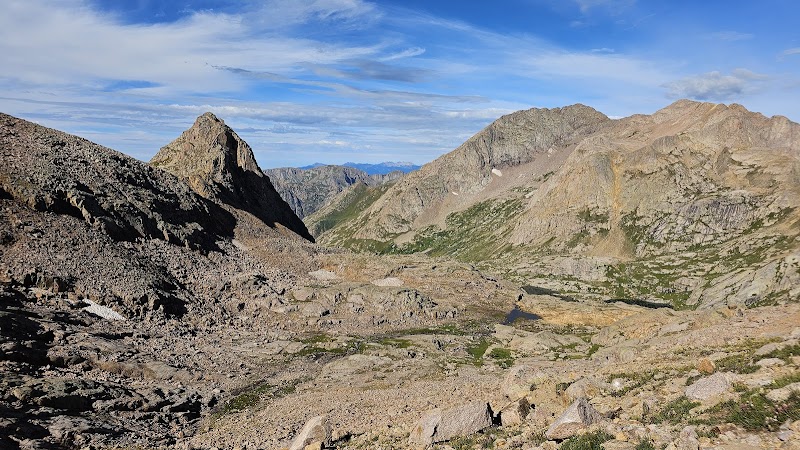
The Red Mountain Mining District in Colorado invites adventurers to explore rugged terrain steeped in history and sharp natural beauty. Spanning roughly 6 miles for the primary off-road routes, expect elevation changes near 1,000 feet with rocky, often uneven paths threading through dense stands of spruce and pine. The earth here is fiercely itself, presenting unexpected challenges like loose scree and sudden climbs that demand respect and preparation.
Before you set out, gear choices can make or break your trip. Durable, high-traction footwear is a must; the trails are a patchwork of gravelly switchbacks and soft dirt that shifts underfoot. Layered clothing adapts well to the mountain's mood swings—cool, damp mornings give way to dry, sun-drenched afternoons. Hydration packs or water bottles with at least 2 liters capacity are essential since natural water sources may be scarce or unreliable.
Off-road vehicles need thorough prep too. Tires with robust tread and a spare are non-negotiable; the route's rocky inclines can be punishing. A quality GPS device, paired with physical maps of the region, keeps you oriented when the landscape folds into shadow or fog. Emergency kits including first aid, extra food, and weatherproof gear should be accessible at all times.
Starting early maximizes daylight and allows you to experience the shifting light sliding over mountain ridges and mining ruins. Position yourself by the Ano Nuevo Vista point around mid-morning to witness the sun casting long shadows over the old ore carts and dilapidated cabins. The rushing rivers across the valley dare you to press onward, their currents relentless but clear. They bring life and sound, punctuating the stillness with their steady insistence.
Off-road trips here ask you to engage fully—with every step, turn of the wheel, and glance back at the placid valleys below. The Red Mountain Mining District isn’t tamed; it rewards preparedness and warns against complacency.
Nearby Trips
All Adventures
Boat Charters
Water Activities
Adventures near Silverton
Discover the unique and memorable adventures that make Silverton special.
Frequently Asked Questions
What is the best way to navigate the mining district's trails?
Use a combination of GPS and physical topographic maps since cell service can be unreliable. Reviewing trail markers before departure and tracking your progress reduces the risk of getting lost.
Are there any historical sites accessible during the off-road trips?
Yes, several abandoned cabins, ore carts, and mine entrances punctuate the area. While safe to observe, explore with care and avoid entering unstable structures.
What wildlife might I encounter on the trails?
Look out for mule deer, black bears, and mountain goats. Early mornings and late afternoons are prime times for spotting these animals as they forage or move quietly through the forest.
Is the Red Mountain Mining District suitable for beginners?
The terrain can be moderately challenging due to its rocky and uneven surfaces, making it better suited for hikers or drivers with some off-road or mountain experience.
Are water sources along the route reliable?
Natural streams flow through the area but may not be safe to drink without purification due to mining runoff and natural debris. Always carry sufficient water or purification methods.
When is the best time of day for off-roading here?
Morning hours provide cooler temperatures, reduced wind, and excellent light for navigation and photography before the terrain fully heats up.
Recommended Gear
Sturdy Hiking Boots
Provide critical traction and ankle support required for rocky, variable terrain.
Hydration Pack (2+ liters)
Ensures you maintain hydration in dry mountain air where water sources are scarce.
Layered Clothing System
Allows quick adaptation to shifting temperatures, especially from chilly mornings to warm afternoons.
Portable GPS and Topographic Maps
Crucial for navigation across the shifting, poorly marked trails of the mining district.
Local Insights
Hidden Gems
- "Ano Nuevo Vista point—offers sweeping views of mining relics without crowds"
- "The forgotten gold stamp mill ruins off the main trail"
Wildlife
- "Mule deer often pause at trail edges"
- "Pika sightings in rocky outcrop areas"
- "Vigilant raptors circling thermals"
History
"Once a booming mining area during Colorado's Silver Boom in the late 19th and early 20th centuries, the district hosts relics that remind visitors of the region’s industrious past. These remnants reveal both the promise and peril faced by early miners braving the unforgiving mountains."