
Choosing the Right Fishing Gear for William's Fork Reservoir: Your Practical Guide
William’s Fork Reservoir offers a rewarding fishing experience framed by pine forests and mountain views. This guide provides practical advice on selecting the right fishing gear to help anglers, from novices to seasoned veterans, match their equipment to the reservoir’s unique challenges and bounties.
Choose a Medium-Action Rod
Opt for a 6-7 foot medium-action spinning rod to balance power and sensitivity suitable for bass and trout.
Pack Versatile Baits and Lures
Bring a mix of live bait and artificial lures like crankbaits and spinnerbaits to adapt to changing fish behavior and seasons.
Wear Sturdy Footwear
The shoreline is rocky and uneven; waterproof hiking boots with good traction help maintain stability and safety.
Monitor Weather and Water Conditions
Early mornings and evenings offer the best fishing; watch for wind shifts that affect fish activity and casting conditions.
Choosing the Right Fishing Gear for William's Fork Reservoir: Your Practical Guide

Nick Hass - Grand Lake Open Water
Rate $500/up to 3 people-$600/4 people -All ages • Max 4 people • 4 hours • Private Charter
Discover the thrill of open water fishing at Grand Lake with a private guide from Fishing with Bernie. Perfect for all skill levels, this experience combines stunning mountain scenery with expert instruction and the chance to catch Colorado’s native fish. Read on to learn more about this incredible adventure.
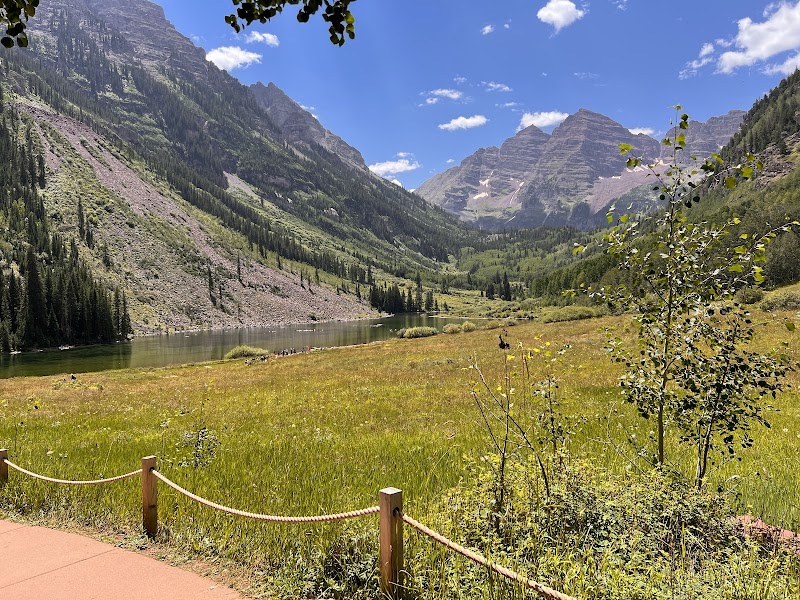
William's Fork Reservoir, framed by dense pine stands and craggy peaks, offers anglers a quiet playground where water and wilderness test your resolve. The reservoir's currents, steady but unyielding, invite you to pair patience with precision. Picking the right fishing gear here isn’t just about convenience; it’s about meeting an environment that demands respect and preparation.
Start with your rod. A medium-action spinning rod between 6 and 7 feet fits the bill, balancing sensitivity and strength for the largemouth bass and trout that call these waters home. William's Fork waters can ripple with sudden winds; your setup should flex but not falter. Pair this with a reliable spinning reel in the 2500 to 3000 size range—durable enough for rocky shorelines and variable fish sizes.
Line choice matters. A monofilament or fluorocarbon line around 6 to 10-pound test offers a balance of invisibility and resilience. Fluorocarbon, in particular, blends into the reservoir’s clear depths where trout lurk beneath shifting shadows. Braided lines, though tough, risk startling wary fish if not managed skillfully.
Baits and lures must fit the species and habitat. Bring a mix: live bait such as worms or minnows work well, especially in spring and early summer when fish are more active near the shoreline. For artificial options, crankbaits, spinnerbaits, and soft plastics mimic natural prey, triggering strikes from bass hiding in submerged timber or rocky beds.
Don’t overlook your tackle box essentials. A quality pair of needle-nose pliers, a hook remover, and a small first-aid kit ensure you handle the unexpected efficiently. William's Fork's terrain is rugged; every step along the shore can shift underfoot, so wear sturdy boots with good traction and waterproofing.
Timing and weather shifts shape your experience. Early morning and late evening tend to be the most productive, as fish push closer to warmer shallow areas. Keep an eye on the wind direction, which sweeps across the reservoir, sending ripples that ripple like invitations or warnings. This body of water speaks in currents and weather, daring anglers to listen closely.
Hydration and layered clothing are your silent companions. Altitude sits around 8,600 feet; the air thins, and sun exposure intensifies. Dress in breathable layers to adapt swiftly, carry plenty of water, and plan for sudden weather swings.
Fishing at William’s Fork Reservoir means engaging with a place fiercely itself — a test of your gear choices and your readiness to adjust to the reservoir’s moods. Equip with care, respect the wilderness, and the reservoir rewards you with moments of focused calm and the thrill of the catch.
Nearby Trips
All Adventures
Boat Charters
Water Activities
Adventures near Granby
Discover the unique and memorable adventures that make Granby special.
Frequently Asked Questions
What fish species can I expect to catch at William’s Fork Reservoir?
The reservoir is known for largemouth bass, rainbow trout, and lake trout. Seasonal behavior varies, with trout more active in cooler months and bass thriving as waters warm.
Are live baits or artificial lures more effective here?
Live baits like worms or minnows are particularly effective in spring and early summer, while artificial lures such as crankbaits and spinnerbaits ramp up your chances later in the season when fish chase moving prey.
Is the shoreline accessible for fishing or do I need a boat?
Both options work. Shore fishing is common along developed areas with rocky access, though many anglers use boats to reach deeper waters and hidden coves.
How does elevation impact fishing at William's Fork Reservoir?
At roughly 8,600 feet, altitude can affect physical endurance and weather conditions rapidly shift. Fish may also respond to oxygen and temperature changes caused by this elevation.
Are there any fishing regulations I should be aware of?
Yes, the reservoir follows Colorado state fishing regulations, including specific seasons, catch limits, and gear restrictions. Checking current local guidelines before fishing is essential.
What safety precautions should I take when fishing here?
Prepare for sudden weather changes, stay hydrated, wear sturdy, non-slip footwear, and be cautious of slippery rocks along the shoreline. Carry a basic first-aid kit and inform someone of your fishing plans.
Recommended Gear
Medium-Action Spinning Rod
Flexible yet strong enough for varying fish species in the reservoir.
Spinning Reel (2500-3000 size)
Durable reel matched to rod for smooth line management.
Fluorocarbon or Monofilament Line (6-10 lb test)
Invisibility in water and balanced strength for the fish in William's Fork.
Waterproof Hiking Boots
Protect feet on rocky, sometimes wet shorelines.
Local Insights
Hidden Gems
- "The northwest cove offers quieter access with less foot traffic and rich aquatic vegetation attracting fish."
- "A small island near the middle of the reservoir provides excellent casting vantage points for boat anglers."
Wildlife
- "Look for osprey hovering over the water searching for prey."
- "Beaver activity shapes the shoreline ecosystem, creating varied habitats ideal for fishing."
History
"William's Fork Reservoir was developed in the early 1950s for water storage but has since become a favored recreational spot, reflecting the balance between utility and nature preservation."