
Waipahu adventure guide
Find your way into Waipahu.
Where sugar-plantation history brushes up against lagoon-blue seas, Waipahu is a practical launchpad for ocean-first adventures. Expect a mosaic of Water Activities—snorkel and scuba reefs, surf lessons in sheltered breaks, boat tours that slip past reef and coastline, and SUP mornings in calm coves. Use this guide to stitch together quick coastal outings with deeper cultural and eco-minded tours.
Three ways into the city
Pick a landscape. Build a day around it.
Waipahu is less a single destination than a collection of neighboring worlds. Start with the version of the city that matches your pace, then use the ranked guide below to fill in the details.

Begin where the city meets the sea.
Surf breaks, sheltered harbors, whale routes, and long beach paths make the coast LA’s most immediate outdoor playground.
Explore water activities →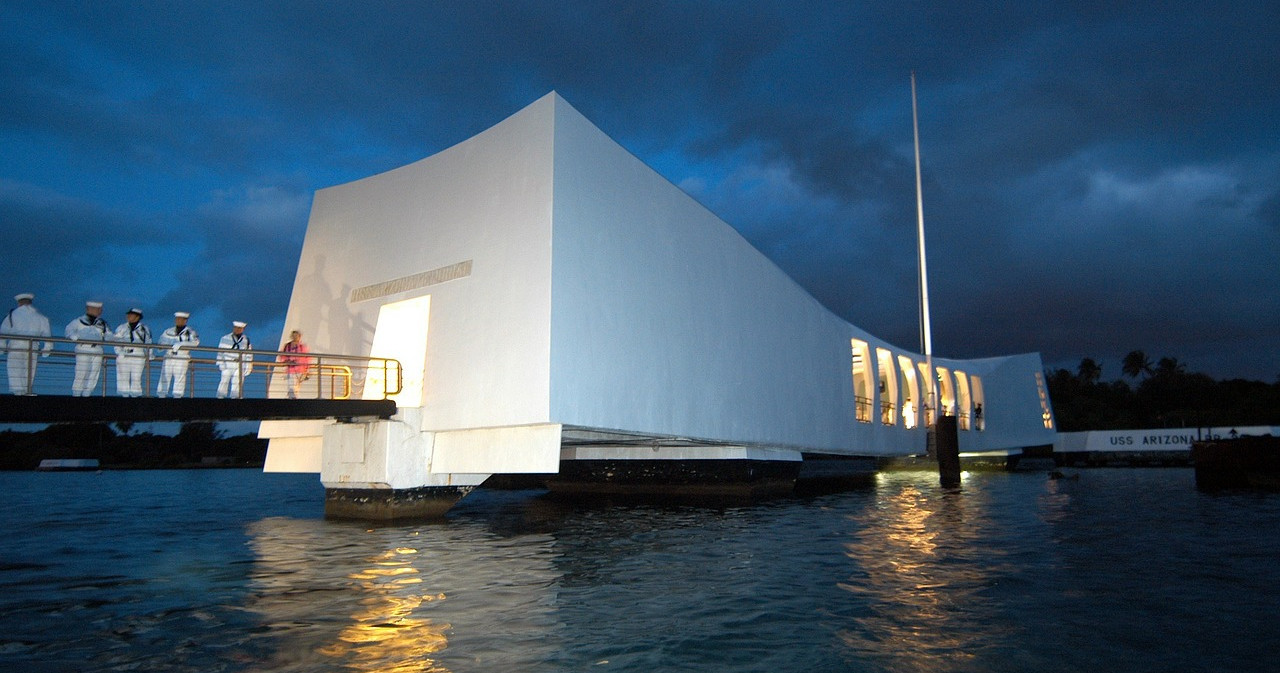
Let a local connect the landmarks.
Use a guided city, walking, or sightseeing tour to turn LA’s sprawl into a coherent story.
Explore boat tour →
Ride the coast and the city.
Beach paths, river corridors, e-bikes, and ridge climbs reveal a more connected Los Angeles.
Explore snorkel →Choose your way into Waipahu
The top 15 Waipahu adventures.
Ranked by the number of currently listed trips. Each panel opens the complete local activity collection.
1Water Activities
Waipahu sits inland on Oahu’s leeward plain, but its proximity to Pearl Harbor, Ewa Beach, Barbers Point and the Ko Olina lagoons makes it an unexpected launch point for an enormous range of water activities. From calm, family-friendly lagoon snorkeling and stand-up paddleboarding in protected flats to offshore fishing charters, surf breaks on the west and south shores, and historical harbor cruises, the water options around Waipahu reward both beginners and seasoned sea-goers. This guide focuses on the water experiences you can realistically plan from Waipahu: where to find sheltered reef snorkeling, when and where surf and wind pick up, how to join a local outrigger canoe paddle, and the essential safety and stewardship practices to keep reefs healthy while you explore.
Explore water activities →2Boat Tour
Waipahu sits on Oʻahu’s leeward flank—an unassuming gateway to coastal boat experiences that range from historically charged harbor cruises to reef-scrubbing snorkeling runs and glass-smooth sunset sails. Boat tours here thread together WWII history at Pearl Harbor, shallow fringing reefs alive with turtles and tang, and the long swell lines of the west coast where calm mornings often yield exceptional visibility. Whether you’re after an educational harbor transit, a family-friendly lagoon cruise, a private fishing charter, or a seasonal humpback-watch, Waipahu’s boat-operator ecosystem offers a compact, easy-to-reach launch point with an island-sized variety of on-water experiences.
Explore boat tour →3Snorkel
Waipahu sits inland on the fertile ʻEwa Plain, but it functions as a practical base for west-Oʻahu snorkeling: a short drive delivers you to sheltered lagoon swims, lava-formed reef gardens, and clear shore entries favored by local divers. This guide focuses on shore-access snorkels, what to expect in reef terrain around West Oʻahu, and planning notes for safe, low-impact time in the water.
Explore snorkel →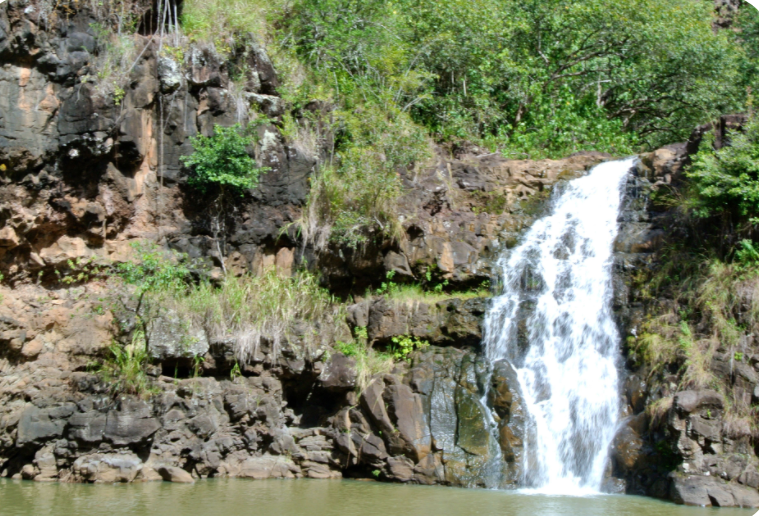 4
4Sightseeing Tour
Waipahu sits at the heart of Oahu’s central plains — a compact town that reads like a living archive of Hawaii’s plantation era and multicultural community life. Sightseeing tours here move at the pace of people and place: guided walks through neighborhood streets and cultural gardens, short van routes that link historic sites, and e-bike or self-guided loops that pair murals and market stops with agricultural edges. These tours are ideal for travelers who want palpable context — the smell of rain on sugarcane fields remembered in place names, the layered architecture of workers’ cottages, and the steady hum of community markets where many of the island’s food traditions are preserved.
Explore sightseeing tour → 5
5Surf
Waipahu is often overlooked on surf maps, but its proximity to diverse breaks and its role as a practical launch point for both beginner lessons and local lineups make it an ideal base for surf-focused travelers. This guide focuses on surfing from Waipahu—when to go, what to expect, how to prepare, and how to thread complementary coastal experiences into a single trip.
Explore surf → 6
6Scuba
Waipahu sits inland from some of Oahu’s most accessible and ecologically lively shore- and boat-diving sites. The stretch of coast west of town—best known to divers as Kahe Point or “Electric Beach”—gives access to warm clear water, healthy coral patches, and resident green sea turtles. Divers here mix easy reef swims with drift and deeper boat drops, making Waipahu a practical base for both first-timers taking guided discovers and experienced divers chasing reef walls, caverns, and seasonal pelagic visits.
Explore scuba → 7
7Sailing
Waipahu sits inland from some of Oʻahu’s most navigable waters—Pearl Harbor’s sheltered basins, the broad sweep of the Leeward Coast, and nearby launch points at Keehi Lagoon and Barbers Point. Sailing here blends sheltered-day-sail comfort with easy access to open-ocean trade wind runs, reef snorkeling stops, and culturally rich shorelines. This guide distills the best ways to experience sailing from Waipahu: short coastal charters, sunset cruises, hands-on lessons, and extended coastal passages for adventurous crews.
Explore sailing →Bus Tour
Waipahu sits at the intersection of plantation history, suburban Oʻahu life, and easy access to coastal panoramas—making it an ideal base for short, focused bus tours that blend culture, cuisine, and accessible outdoors. Whether you want a narrated hop-on hop-off loop that traces pineapple fields and WWII sites, a shore-to-shore transfer with guided stops, or a curated local-knowledge shuttle that unlocks food, markets, and shoreline walks, bus tours in and around Waipahu are about low-effort discovery and high-context storytelling.
Explore bus tour →SUP
Set in the low-lying plains of central Oʻahu, Waipahu is a surprising launchpad for calm-water stand-up paddleboarding that blends sheltered lagoon paddles, estuary ecology, and a distinct Hawaiian cultural backdrop. Here, SUP is less about big-swell heroics and more about quiet mornings on glassy water, reef-fringed channels, and sensitive coastal wetlands where seabirds, reef fish, and the echoes of plantation-era history meet. This guide breaks down the best local launch spots, seasonal wind and swell patterns, gear and safety notes, and how to layer SUP in Waipahu into a broader West Oʻahu adventure—snorkeling shallow reefs, exploring nearby estuaries, and learning the island’s mālama (care for) practices.
Explore sup → 10
10Whale Watch
Waipahu sits inland on Oʻahu, but it’s an intelligent base for whale-watching excursions that launch along the island’s western shoreline. During winter months, humpback whales migrate through Hawaiian waters in force, offering dramatic surface behavior — breeches, tail slaps, and mothers with calves — visible from small-boat tours, larger catamarans, and even careful shoreline lookouts. This guide focuses tightly on the whale-watch experience: when to go, what to expect on the water, how to choose an operator, and practical tips to turn a day at sea into a meaningful encounter without disturbing marine life.
Explore whale watch →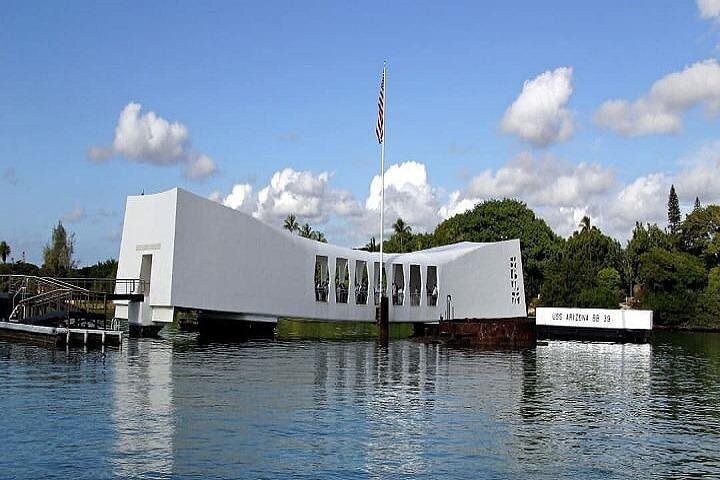 11
11City Tour
Waipahu is a compact, layered town where the hum of former sugar mills meets the smells of freshly cooked plate lunches and poi. A city tour here is less about marquee monuments and more about encountering everyday aloha: plantation-era villages, community gardens, neighborhood markets, and the stories stitched into sidewalks and storefronts. This guide focuses on walking and short transit loops that reveal Waipahu’s cultural mosaic while pointing to nearby outdoor diversions across West Oahu.
Explore city tour →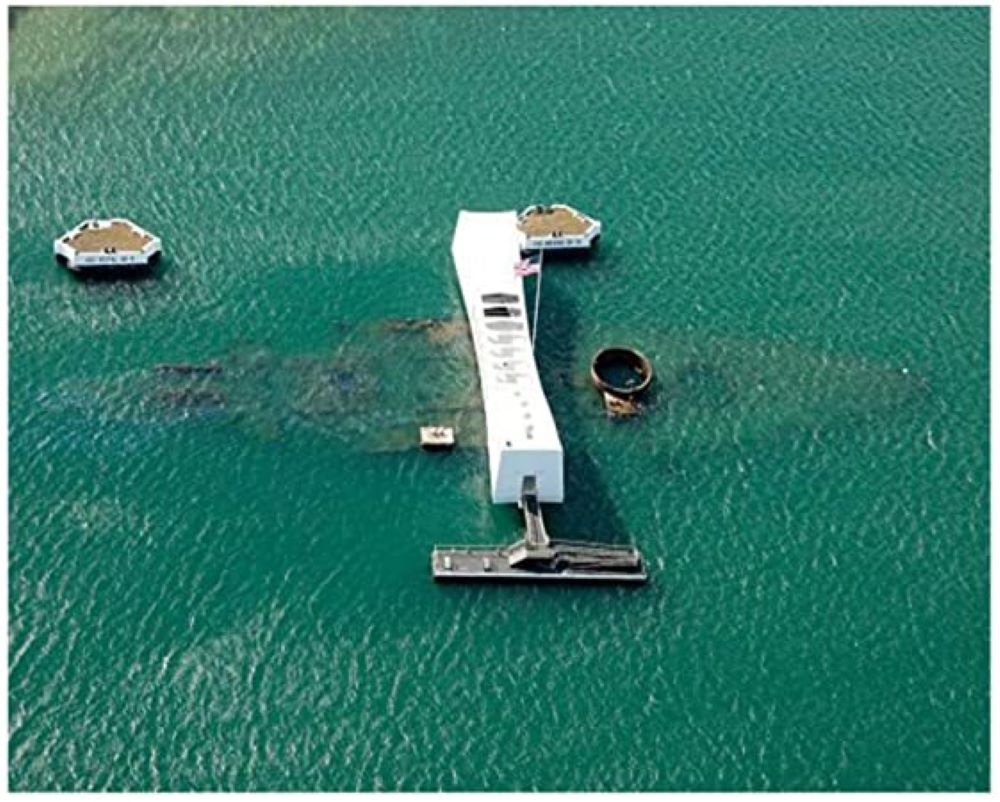 12
12Photography Tour
Waipahu is an intimate lens on Oʻahu that rewards photographers who want to trade postcard clichés for human-scale stories, sugar‑era textures, and the interplay between island agriculture and coastal light. Photography tours here blend street and cultural portraiture with nearby coastal and wetland landscapes—ideal for photographers seeking color, character, and approachable compositions without long drives.
Explore photography tour → 13
13Dolphin
Waipahu sits inland from Oʻahu’s western shores, but it’s a smart base for dolphin-focused outings that push off from nearby harbors and calm reef-lined bays. The region’s marine environment hosts both playful spinner dolphins and resident bottlenose groups; encounters range from observing pods from deck-level on a small boat to snorkel and swim experiences led by licensed guides. This guide concentrates on dolphin-centered activity—watching, photographing, and (ethically) swimming near dolphins—while weaving in complementary adventures like reef snorkeling, paddleboarding, and sunset cruises that make a day on the water feel complete.
Explore dolphin → 14
14Eco Tour
Waipahu's story—once a humming sugar‑plantation hub, now a community weaving cultural revival with ecological stewardship—makes it an unexpected and rewarding base for eco tours. Experiences here emphasize living landscapes: restored lo‘i (taro patches), remnant wetlands, community farms, and interpretive walks that pair natural history with human history. Eco tours in and around Waipahu are often intimate, community-led outings that connect travelers with native plants and birds, cultural practices, and local conservation projects.
Explore eco tour → 15
15Boat Rental
Waipahu sits inland from some of Oahu’s most sheltered inshore waters—making it a strategic base for boat renters who want quick access to calm lagoons, reef-side snorkeling, and short coastal runs without the long transits of the island’s more tourist-clustered marinas. This guide focuses on renting vessels around Waipahu: what to expect on the water, how to plan for conditions and restrictions, and which complementary adventures amplify a boating day in West Oahu.
Explore boat rental →The city and the sea
Why Waipahu Belongs on Your Adventure Shortlist
Variety without surrendering the day to long transfers.
Waipahu sits on Oahu’s leeward edge, a short drive from Honolulu yet feeling like a quieter hinge between busy harbors and open Pacific swell. The town itself carries the layered stories of plantation life and immigrant communities—an earthy cultural counterpoint to the crystalline water activities that define the shoreline. From tidy boat rentals and guided Boat Tour options that leave from nearby marinas to small-group eco tour operators who know the best snorkeling pockets and dolphin corridors, Waipahu is a pragmatic hub for travelers who want to maximize time on the water without sacrificing local color. The real draw is the water: shallow reef systems that welcome snorkelers and beginner Scuba divers, sheltered coves suited to SUP and calm-day Sailing, plus access to larger swells for Surf lessons when conditions permit. Whale Watch season sweeps up the coast in winter, turning many local operators into boat-based classrooms about migrations and marine stewardship. Photography Tour and Sightseeing Tour options let you record the juxtaposition of surf and suburbia—portrait-worthy golden hours appear where reef edges glow and backdrops include sugar-mill silhouettes and swaying palms. Beyond adrenaline or gear lists, Waipahu rewards a slower, more curious approach. Take a Bus Tour or City Tour that pairs market stops with cultural history, or choose a small Boat Rental to island-hop, search for dolphins, and find a private snorkeling patch. Eco Tours emphasize reef health and teach safe reef etiquette—how to avoid contact with coral, why sunscreen choice matters, and when to respect marine wildlife distances. That practical education preserves the reefs you came to see. Planning is straightforward but intentional: mornings are best for calm seas and clearer visibility, afternoons can bring tradewind chop, and winter months offer the spectacle of whales off Oahu’s coast. Local outfitters provide everything from photography-friendly vessel setups to guided Snorkel trips for families. Whether you’re stacking a half-day SUP with an afternoon Surf lesson or turning a Photography Tour into a full-day island exploration, Waipahu’s proximity to major marinas and its range of Water Activities, Boat Tour routes, and eco-conscious experiences make it an efficient, soulful base for ocean-first travel.
Access is simple: major marinas and rental operators are a short drive away, and many trips launch early—book morning slots for calmer water and better visibility. Outfitters often bundle Boat Rental, Snorkel gear, and a short orientation, so you can move from learning to doing in one day.
Pair active water time with culture: local food trucks, markets, and plantation-era sites give context between outings. Respect local marine guidance—read up on reef-safe sunscreen, no-touch rules for coral and marine mammals, and how best to support responsible Boat Tour operators.
Conditions shape the day
The best time to visit Waipahu.
Waipahu’s leeward position favors drier conditions year-round. Mornings are typically glassy for snorkeling and SUP; tradewinds often build in the afternoon. Winter months bring bigger swell on exposed coasts and prime whale-watching conditions but can also mean rougher seas.
Best all-around window
Spring + fall
Comfortable mixed-itinerary weather, thinner crowds at beaches and lookouts, and more room to improvise.
Beach season
December through March (holiday travel and whale-watch season) — book tours and rentals early, especially around holidays.
Surf + whales
Late spring and early fall deliver calmer water, fewer crowds, and better pricing for guided Scuba and photography-focused Boat Tours.
Coast to inland
Cool marine mornings often give way to warmer inland afternoons and breezy evenings.
Beginner
Short, supervised outings and calm-water activities that require minimal gear or prior skill.
- Guided Snorkel at a protected reef
- Intro SUP in a sheltered lagoon
- City Tour or Bus Tour of local markets and cultural sites
- Photography Tour geared toward easy-access viewpoints
Intermediate
Longer days, light currents, or activities that benefit from prior water experience.
- Half-day Boat Tour that visits reefs and dolphin zones
- Beginner-to-intermediate Surf lesson at a mellow break
- Sailing trips with basic helm time
- Guided Eco Tour focusing on reef ecology and marine conservation
Advanced
Technical outings requiring certifications, strong ocean skills, or experience with dynamic conditions.
- Open-water Scuba dives on deeper reef sections
- Advanced Surfing on windward or north-coast breaks (season-dependent)
- Independent Boat Rental for offshore navigation (experience required)
- Photography Tour targeting marine megafauna during Whale Watch season
Field kit
What to bring.
Pack for sun, salt water, walking, and a meaningful temperature swing between coast and inland Waipahu.
Essential
Start here
- Reef-safe sunscreen (non-nano, mineral-based)
- Lightweight rashguard or wetsuit top for sun and chafe protection
- Waterproof bag for phone and documents
- Snorkel mask (or plan to rent a fitted one) and fins for better reef access
- Hat, sunglasses with retention strap, and reusable water bottle
Water days
Keep it dry
- Quick-dry towel and change of clothes
- Water shoes with secure fit for rocky entry points
- Compact first-aid kit with blister care
- Small dry box or float for cameras
- Light wind shell for early-morning boat wakes
Long days
Stay flexible
- Underwater camera or action cam with float leash
- Binoculars for Whale Watch and dolphin spotting
- Compact reef guide or pocket ID cards
- Mask defog and snorkel keeper
Insider note
Start early, then keep the geography tight.
Book morning departures for the calmest water and best underwater visibility. For Snorkel and Scuba, get a mask fit check from your outfitter—comfort and seal matter more than brand. Choose reef-safe sunscreen and avoid directly entering the water after applying chemical sunscreens; use a rashguard for added protection. If you rent a boat, carry a basic VHF radio or make sure your operator briefs you on check-in points and emergency procedures. During Whale Watch season, respect distance guidelines—let guides handle approaches to animals. Bring cash for small market vendors and tip boat crews when service is good; small-boat operators rely on repeat local business and stewarding the reefs pays dividends for future visits.
Good to know
Frequently asked questions.
Can I do most activities without a guide?
Yes for basics like City Tour, casual SUP, or calm-day Snorkel close to shore. Hire a guide for Scuba, open-water boat routes, surf in unfamiliar breaks, and Whale Watch trips where spotting and safety matter.
Are there protected reefs or rules to follow while snorkeling?
Yes. Many reef areas are protected—never touch or stand on coral, use reef-safe sunscreen, keep a respectful distance from marine life including dolphins and whales, and follow your guide’s instructions.
Is paddleboarding safe for beginners here?
Absolutely in sheltered lagoons and calm mornings. Choose a guided SUP session or a flat-water rental, and start near a shoreline with shallow entry points.
Ready when you are
Find the trip that fits your Waipahu day.
Compare bookable experiences across the coast, city, and mountains—then save the ones that belong in your plan.
Explore all Waipahu adventures ↗