2

Top Boat Tours in Waipahu, Hawaii

Waipahu, Hawaii

Waipahu sits on Oʻahu’s leeward flank—an unassuming gateway to coastal boat experiences that range from historically charged harbor cruises to reef-scrubbing snorkeling runs and glass-smooth sunset sails. Boat tours here thread together WWII history at Pearl Harbor, shallow fringing reefs alive with turtles and tang, and the long swell lines of the west coast where calm mornings often yield exceptional visibility. Whether you’re after an educational harbor transit, a family-friendly lagoon cruise, a private fishing charter, or a seasonal humpback-watch, Waipahu’s boat-operator ecosystem offers a compact, easy-to-reach launch point with an island-sized variety of on-water experiences.

393
Activities
Year-Round (seasonal highlights)
Best Months

Top Boat Tour Trips in Waipahu

393 trips • Book with confidence • Instant confirmation

Why Waipahu Is a Standout Boat Tour Destination

From the moment the hull parts glass-calm water into the waking light above Pearl Harbor, boat tours operating out of the Waipahu area feel like short chapters of island history and marine life stitched together. This stretch of Oʻahu’s leeward coast packs dense contrasts: sheltered harbors where history sits in steel and stone, broad reef flats that tangle with clear-water snorkeling lanes, and open blue that leads to deepwater fishing and seasonal whale corridors. Boat operators use this compact variety to offer curated experiences—some tours are narrative driven (WWII and maritime culture), others are ecological (reef ecology and native species), while many are purely recreational (snorkel stops, sunset sails, and game-fishing charters). The result is a day on the water that never feels generic; it reads like a local guidebook delivered by a captain who knows the swell patterns, the best turtle-cleaning ledges, and which cove will hold wind for a graceful sail.

Practical conditions make Waipahu particularly attractive for a wide range of travelers. The leeward position of West Oʻahu often yields calmer sea states in the morning; operators commonly schedule snorkeling and family-oriented excursions for early departure when transparency and smoothness are at their peak. Afternoon trade winds can pick up enough to give sail-based tours drama and speed but may roughen small-boat rides, a factor operators and passengers both should mind when choosing time of day and vessel type. Because boat tours here intersect with protected reefs, naval facilities, and culturally sensitive shorelines, many reputable companies fold interpretive elements into their itineraries—educating guests about marine conservation, the historical significance of Pearl Harbor, and protocols for respectful wildlife viewing.

Environmental stewardship is a through-line among the best outfits. Guides often emphasize reef-safe sunscreen, no-touch policies for corals and turtles, and how traditional Hawaiian fishponds and loko iʻa once shaped coastal life—an important cultural note for visitors whose sense of place may begin on deck. Seasonally, whale watching between December and April brings another agenda of interest: slow, majestic encounters with humpbacks, combined with educational commentary about migration and the marine protected areas offshore. For travelers planning logistics, the compact geography of Waipahu means short transfers from lodging, quick provisioning before departure, and a diverse menu of trip lengths—two-hour harbor tours to full-day island circumnavigations—making boat trips here accessible for families, active adventurers, and those seeking contemplative afternoons on the water alike.

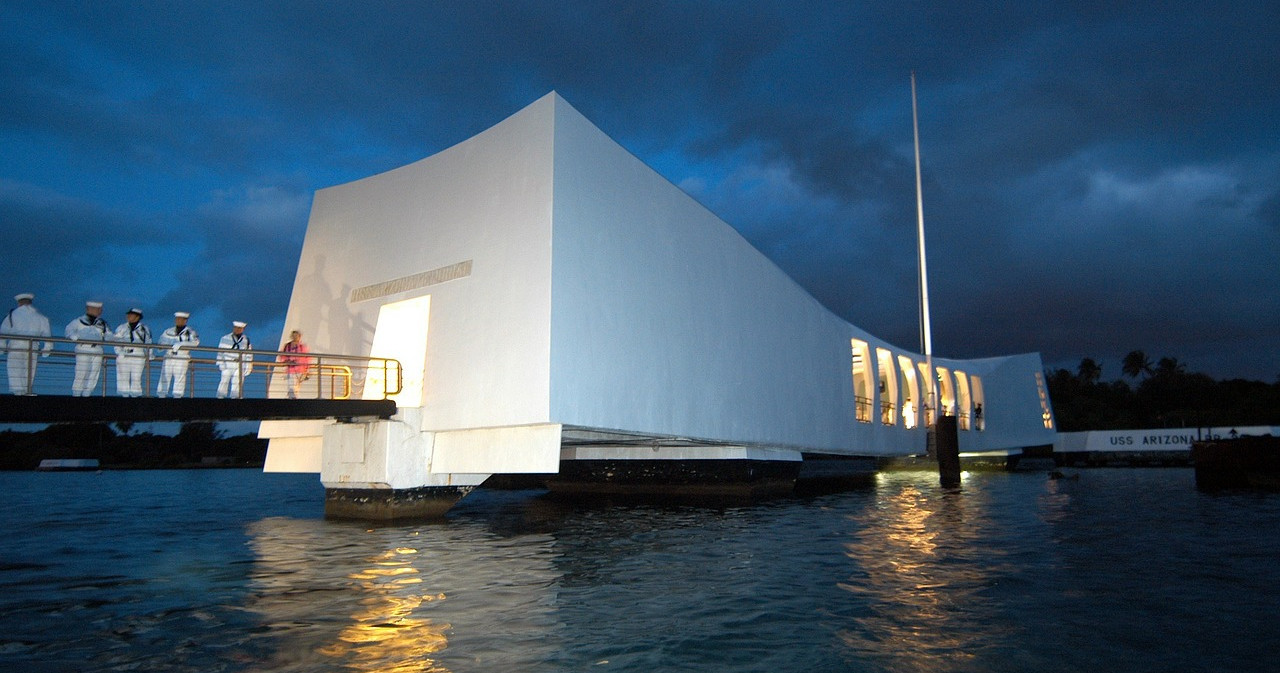
Waipahu’s proximity to Pearl Harbor makes history a natural companion on many boat tours—expect interpretive stops, memorial views, and the chance to contextualize the coastline’s role in 20th-century events.

Leeward-coast reefs offer excellent snorkeling for beginners and families—operators tend to choose protected lagoon spots with shallow reefs and strong visibility.

Seasonal wildlife lines the calendar: spinner dolphins and green turtles are regular sightings, while humpback whales dominate winter itineraries between December and April.

Activity focus: Boat tours—historical cruises, snorkeling runs, sunset sails, fishing charters, and whale watching
Departure points are typically short drives from Waipahu (Pearl Harbor and nearby marinas)
Morning departures generally offer the calmest conditions and best snorkeling visibility
Operators often include cultural and conservation interpretation as part of the tour
Sea conditions change with trade winds; choose vessel type and time accordingly

Best Time to Visit

Best Months

April–October (calmest seas and best visibility for snorkeling)December–April (peak humpback whale season for guided whale-watch tours)

Weather Notes

Waipahu’s leeward location generally yields fewer showers and calmer mornings. Trade winds strengthen in the afternoon, so morning departures are best for smooth conditions and clear water. Ocean swell can increase suddenly on the outer coast—check operator advisories.

Peak Season

Winter (December–April) for whale-watching tours and holiday travel periods with increased charter bookings.

Off-Season Opportunities

Late spring and early fall can offer quieter marinas and reduced prices while still providing excellent visibility for snorkeling.

Frequently Asked Questions

Do I need a permit to visit reefs or enter marine protected areas?

Most short recreational boat tours do not require a visitor permit, but some guided activities within marine protected areas will follow specific access rules set by state agencies. Operators will brief guests on local regulations; if you plan private trips, verify permit requirements with local authorities.

Are boat tours in Waipahu child- and family-friendly?

Yes. Many operators offer family-focused snorkeling and lagoon cruises with shallow entry points, life jackets for kids, and shorter trip durations. Confirm age limits and safety provisions when booking.

What about seasickness—should I be concerned?

Morning trips generally have the calmest seas. If you’re prone to motion sickness, choose larger vessels or morning departures, take over-the-counter medication before boarding, and opt for a spot mid-ship where motion is minimized.

Choose Your Experience Level

Beginner

Short harbor tours, protected-lagoon snorkeling trips, family sunset sails with minimal sea time.

  • Pearl Harbor interpretive harbor cruise
  • Ko Olina lagoon guided snorkel
  • Early-evening sunset cruise

Intermediate

Half-day reef snorkel runs, nearshore fishing charters, guided wildlife-watching cruises requiring moderate sea comfort.

  • Half-day snorkeling + reef ecology tour
  • Nearshore bottom-fishing charter
  • Seasonal whale-watching cruise

Advanced

Full-day offshore fishing, blue-water expeditions, multi-stop island circumnavigations that demand sea savvy and tolerance for extended offshore conditions.

  • Full-day deep-sea game fishing charter
  • Extended west-coast circumnavigation
  • Private multi-stop snorkeling and remote-cove exploration

Insider Tips & Local Knowledge

Boat conditions, access rules, and wildlife patterns change—always check with your operator and local marine advisories before leaving shore.

Book morning slots for the calmest seas and clearest snorkeling. Ask operators about reef sensitivity and choose tours that emphasize reef-safe practices. If you want a more intimate experience, consider a private charter—Waipahu’s short transfers mean more time on the water and flexible itineraries. For history-minded travelers, combine a harbor cruise with onshore visits to interpretive centers. If you hope to spot humpback whales, plan trips in mid-winter and be patient—wildlife sightings are never guaranteed. Finally, bring reef-safe sunscreen and a small tip for the crew if they’ve made your trip memorable; local operators are often small teams that pride themselves on personalized service.

What to Bring

Essential

  • Reef-safe sunscreen (required by many operators)
  • Hat and polarized sunglasses
  • Water, light snacks, and motion-sickness medication if prone
  • Swimwear and a quick-dry cover-up
  • Light waterproof jacket for wind and spray

Recommended

  • Snorkel mask (many operators provide gear, but a personal mask fits better)
  • Small dry bag for phone and valuables
  • Camera with waterproof case or a compact waterproof camera
  • Closed-toe water shoes for rocky shore entries

Optional

  • Binoculars for whale and seabird viewing
  • Reusable water bottle to refill onboard
  • Light layer for cooler early-morning starts or evening sails

Ready for Your Boat Tour Adventure?

Browse 393 verified trips in Waipahu with instant booking

Explore Top 15 Waipahu, Hawaii Adventures →