
Waimea adventure guide
Find your way into Waimea.
Waimea in Hawaii is less a single place than a tide of experiences—salt-slick mornings, reef-orange sunsets, and a local tempo shaped by surf, boats, and the sea. This guide stitches together the town's strongest threads: Water Activities that range from tranquil snorkeling and scuba to the full-throttle rush of surf; boat-based options such as Boat Tour, Catamaran, Sailing, and Boat Rental; wildlife outings like Whale Watch and Dolphin encounters; and land‑side rhythms in Walking Tour and Hiking routes that frame the shore. Whether you chase a perfect wave, hunt soft coral with a snorkel, or sign up for an eco tour to learn how reefs and fish are stewarded, Waimea hands travelers a compact menu of island adventure.
Three ways into the city
Pick a landscape. Build a day around it.
Waimea is less a single destination than a collection of neighboring worlds. Start with the version of the city that matches your pace, then use the ranked guide below to fill in the details.

Begin where the city meets the sea.
Surf breaks, sheltered harbors, whale routes, and long beach paths make the coast LA’s most immediate outdoor playground.
Explore water activities →
Let a local connect the landmarks.
Use a guided city, walking, or sightseeing tour to turn LA’s sprawl into a coherent story.
Explore boat tour →
Ride the coast and the city.
Beach paths, river corridors, e-bikes, and ridge climbs reveal a more connected Los Angeles.
Explore surf →Choose your way into Waimea
The top 15 Waimea adventures.
Ranked by the number of currently listed trips. Each panel opens the complete local activity collection.
1Water Activities
Where a working landscape meets open ocean, Waimea offers a compact but richly varied palette of water experiences—calm estuary paddles, reef snorkeling in clear summer seas, and winter surf that calls the world’s best big-wave riders. This guide focuses on water-based adventures and the practical details that help you pick the right day on the water.
Explore water activities →2Boat Tour
Waimea is a launching point for sea‑level exploration: short wildlife cruises, multi-hour snorkeling runs, and all‑day coastal voyages that read the island’s geology from the water. Boat tours here pair dramatic shoreline scenery with first‑hand encounters with marine ecosystems—best when planned around seasonal swell, wind patterns, and wildlife windows like winter whale migrations.
Explore boat tour →3Surf
Waimea is the place where surf lore and raw Pacific power meet. From the colossal winter peaks that demand elite big-wave sleds to the glassy summer shores that welcome longboard cruises and first-time wave riders, Waimea’s surf scene is a study in extremes. This guide focuses on surf experiences—big-wave spectating, expert tow and paddle sessions, summer beginner breaks, and the coastal culture that shapes them—helping travelers understand when to go, what to bring, and how to move through this storied stretch of shoreline.
Explore surf → 4
4Snorkel
Waimea’s stretch of coastline on Hawaiʻi Island offers a surprising palette of snorkel experiences: sheltered lava-rock coves with coral gardens, broad white-sand bays with gentle sloping reefs, and deep channels where reef fish and honu (green sea turtles) cruise in plain sight. This guide focuses on snorkeling around Waimea—how to read the sea and tides here, when the water is glassy, which shores are best for beginners, and how to plan boat or shore-based outings that get you to the fish, not stuck in the surf.
Explore snorkel → 5
5Scuba
Waimea’s surf-cut cliffs give way to a mosaic of lava-formed reef and black-sand pockets where the Pacific shapes underwater gardens. Scuba diving around Waimea blends sheltered shore entries and short boat runs to reefs that support vibrant coral outcrops, schooling fish, and swim-throughs carved by volcanic flows. This guide focuses on scuba-specific terrain, conditions, and planning so divers from certified novices to seasoned nitrox users can make deliberate choices about when and how to explore the North Big Island’s nearshore oceans.
Explore scuba →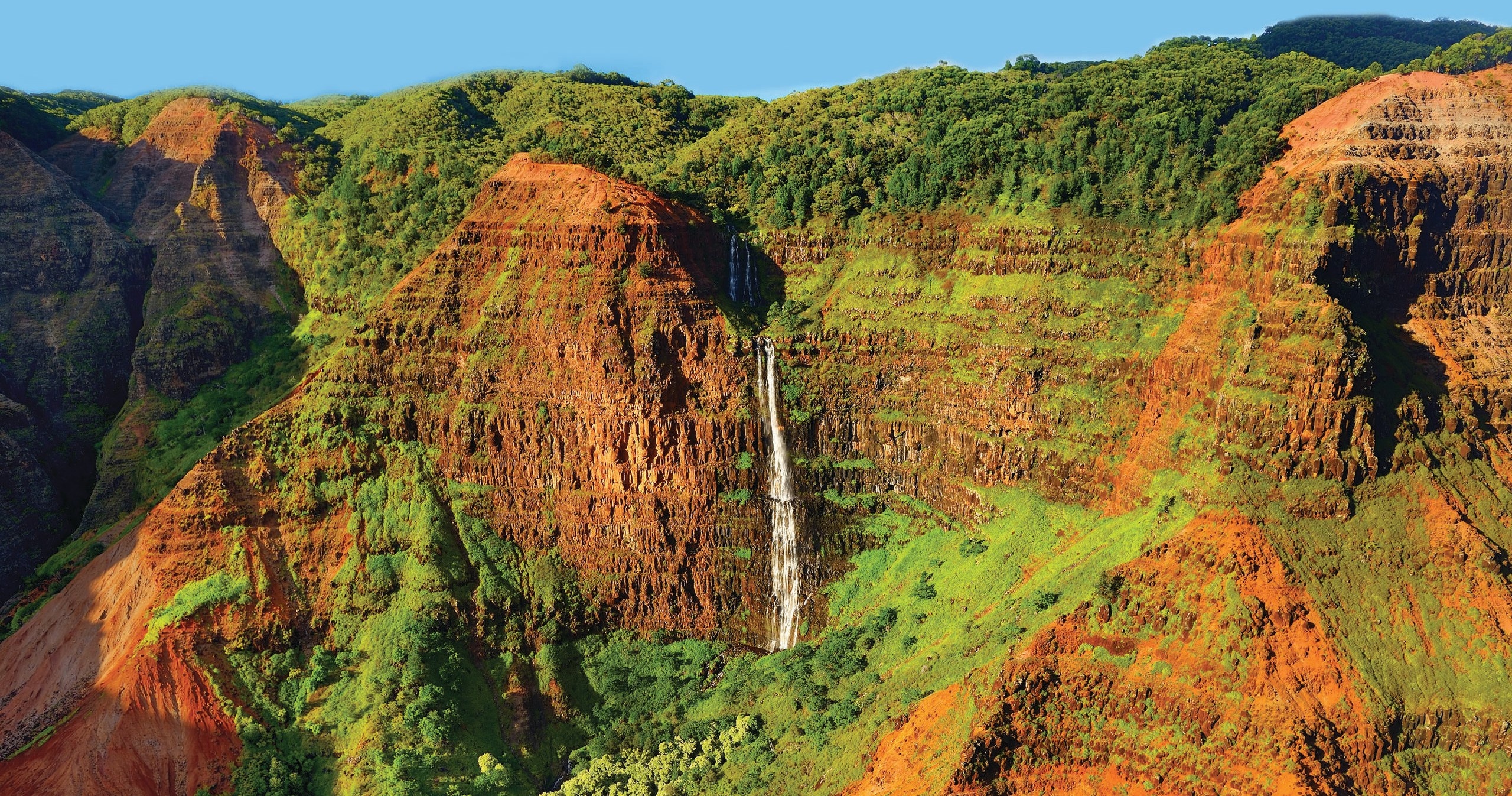 6
6Sightseeing Tour
Waimea (Kamuela) sits at a crossroad of island stories — paniolo ranchlands meet rugged coastline and high-country vistas. Sightseeing tours here trade skyscraper viewing decks for panoramic pastureland, historic mission sites, coastal lookout drives, and a taste of Hawaii’s mixed agricultural culture. This guide focuses on experiencing Waimea by sight: driving loops, short cultural stops, farm-and-market immersion, and easy-to-access overlooks that reveal why this inland town is a gateway to Big Island variety.
Explore sightseeing tour → 7
7Boat Rental
Waimea’s shoreline is a compact study in contrasts: sheltered river mouths and reef flats for calm launching, rugged open-coast stretches that demand respect, and offshore water that can deliver world-class sportfishing or quiet snorkeling in the same day. This guide focuses on renting craft—from paddleboards and kayaks to center-console skiffs and skippered charters—so you can choose the right boat for surf, reef, or deep-water outings and plan around seasonal conditions.
Explore boat rental → 8
8Hiking
Waimea’s hiking identity is a study in contrasts: wide-open ranch country and rolling uplands give way to steep, fern-lined valleys and jagged coastal cliffs within a short drive. Trails here thread through a living cultural landscape—pastureland grazed for generations, ancient valley paths, and pockets of native forest where endemic birds still sing. This guide collects the twelve best day-hiking options that originate from or are easily reached from Waimea, tuned to a variety of fitness levels and trip styles, and framed by practical planning notes for weather, access, and seasonality.
Explore hiking → 9
9Catamaran
Waimea—set high above the Kohala shoreline on Hawaiʻi Island—is less a port town than a launch point for ocean stories. From nearby Kawaihae Harbor and resort slips along the Kohala Coast, catamarans unfurl into wide Pacific water that curves north toward secluded coves and south toward reef-studded snorkel grounds. Whether you want a slow sunset glass-of-wine cruise, a lively snorkel-and-lunch day sail, or a rugged coastal transit to sight whales and dolphins, catamarans offer stability, space, and a relaxed way to read the sea. This guide focuses on what to expect when you chase those sails out of Waimea—seasonality, sea state, packing, and the kinds of outings you can plan so you maximize time on the water and minimize surprises on land.
Explore catamaran → 10
10Walking Tour
Waimea's walking tours thread together ranchland panoramas, paniolo (Hawaiian cowboy) history, and unexpectedly cool upcountry air. These short, interpretive walks and self-guided routes deliver a compact experience—where cultural storytelling, seasonal blooms, and wide skies matter as much as the pavement underfoot.
Explore walking tour → 11
11Whale Watch
Each winter the deep blue off Hawaiʻi's Kohala coast becomes a theater for one of the planet's great migrations: North Pacific humpback whales making landfall in warm, shallow waters to breed, calve, and sing. From shore viewpoints near Waimea to morning boat departures along the Kohala coastline, whale watching here blends high probability sightings with a distinctly Hawaiian sense of place—ancient shorelines, savory regional food, and a community that reads the sea like a calendar.
Explore whale watch → 12
12Air Activities
Waimea sits at an unusual junction: broad upland pasture, sharp coastal cliffs to the north, and volcanic high country to the east. Those contrasts make it an evocative base for airborne experiences—scenic airplane and helicopter flights that stitch ocean, canyon, and lava fields into a single sweep; early-morning ballooning and ultralight routes over rolling ranchland; and launch sites for paragliders and hang gliders that use stable trade-wind thermals off the Kohala slopes. Whether you want a smooth photo-rich float, an adrenaline-fueled descent, or a calm sunrise above cattle country, Waimea’s mix of elevation, wind patterns, and clear light delivers a varied palette of aerial perspectives.
Explore air activities → 13
13Dolphin
Waimea’s shoreline is a doorway to clear water, curious dolphins, and a handful of operators who know how to read surf, tide, and cetacean behavior. Whether you’re scanning the horizon from a small vessel, slipping into a calm bay for a snorkel, or standing on a guided kayak pushing through glassy water at sunrise, the peninsula around Waimea offers encounters that feel wild but responsible—up close enough to thrill, distant enough to respect. This guide focuses on the experiences, terrain, access, and planning details you need to chase those grins, flips, and porpoising arcs while keeping marine life welfare front and center.
Explore dolphin → 14
14Eco Tour
Waimea is a hinge between deep canyon country and jagged sea cliffs, where native forests, coastal reefs, and living Hawaiian culture meet. Eco tours here range from canyon rim botany walks to guided marine snorkel trips—each focused on conservation, native species, and the stories that shape the land.
Explore eco tour → 15
15Sailing
Waimea is a launching point for intimate coastal sails, open‑ocean crossings, and wildlife-rich excursions. From easy sunset cruises to skill-building lessons and multi-hour whale-watch trips, sailing here blends steady trade-wind afternoons, dramatic shoreline cliffs, and the constant possibility of dolphins or humpbacks breaching offshore. This guide zeroes in on the sailing experience—what the sea feels like, how to plan around winds and swell, and how to choose the trip that fits your comfort level.
Explore sailing →The city and the sea
Why Waimea Belongs on Your Adventure Shortlist
Variety without surrendering the day to long transfers.
Waimea reads like a coastal primer on why island travel matters: the ocean is both highway and classroom, the shoreline a living exhibit of coral, birds, and the faint trail of a surf set. In town you’ll find the practical side of adventure—boat ramps and outfitters that stage Boat Rental and Boat Tour departures; a few well‑worn paths that lead to vantage points for Whale Watch and dolphin sightings; and small harbors where Catamaran and Sailing charters gather in morning light. But the real story is how accessible these experiences feel. A dawn Surf paddle transforms into a midday Snorkel cruise and an afternoon Scenic Walking Tour—each activity stacks into a single, richly varied day. There’s an intimate cultural thread as well. Island communities here are shaped by centuries of navigation and reef stewardship, so many eco-tour operators and local guides frame activity with conservation in mind. Take an Eco Tour and you’ll hear about reef cycles, local fish species, and the techniques used by contemporary stewards to balance human use with reef recovery. Air Activities—helicopter or small‑plane scenic flights when available—offer a vertigo‑free perspective on the coastline and give context to why the reef and shore act like a single living system. For active travelers, the attraction is the menu: Scuba trips that peel you into coral valleys, Dolphin swims that feel improbably close, and Boat Tours that let you lean into the island’s maritime history without needing expert skills. Practicality keeps this place special. Outfitters commonly offer combined itineraries—book a morning Whale Watch or Dolphin excursion and tack on an afternoon of Snorkel or Scuba—so you can maximize time on the water without repeated transit. Hiking options range from short coastal walks that double as birding routes to longer inland trails that reward effort with quieter overlooks and shade. If you’re new to ocean activities, start with a supervised Snorkel or a guided Boat Tour; intermediate and advanced adventurers can chase surfing swells or dive into deeper Scuba sites and offshore Sailing legs. The climate is forgiving—Year‑Round access means a flexible travel window, though certain seasons favor specific activities: winter swell and Whale Watch windows, and the calmer summer months for snorkeling and calmer Sailing. In short, Waimea offers the kind of compact adventure economy that rewards planning but stays generous to improvisation.
Access is straightforward: local outfitters stage rentals and tours from small harbors or beach ramps, so you spend more time on the water and less time in logistics. That makes Waimea a flexible base for multi-activity days where you can combine Surf in the morning, a Catamaran cruise through midday, and a sunset Walking Tour along the shore.
Pair local adventure with local knowledge—ask guides about reef etiquette, seasonal wildlife patterns, and sheltered coves for beginner snorkelers. Bring reef-safe sunscreen and respect posted closures; those small choices help keep Waimea’s coral and marine life vibrant for future trips.
Conditions shape the day
The best time to visit Waimea.
Tropical coastal climate with warm water year‑round. Winter months (roughly December–March) bring larger surf and increased whale activity; summer offers calmer seas for snorkeling and beginner sailing. Brief, localized showers can appear any time—pack a light wet‑weather layer.
Best all-around window
Spring + fall
Comfortable mixed-itinerary weather, thinner crowds at beaches and lookouts, and more room to improvise.
Beach season
Winter months draw surf enthusiasts and whale‑watchers; holidays and school breaks increase local demand—book charters and gear rentals early.
Surf + whales
Late spring and early fall offer quieter harbors and lower rates while still providing calm water windows for snorkelers and divers.
Coast to inland
Cool marine mornings often give way to warmer inland afternoons and breezy evenings.
Beginner
Short, supervised water outings, calm‑water snorkeling, easy walking tours, and introductory boat tours that require minimal prior skill.
- Guided Snorkel at a sheltered bay
- Half‑day Boat Tour for coastal sightseeing
- Walking Tour of waterfront and harbor areas
Intermediate
Longer paddles, surf sessions on manageable breaks, guided Scuba dives in moderate conditions, and multi‑stop catamaran cruises.
- Group Surf lesson at a local break
- Catamaran afternoon sail with snorkeling stops
- Guided Eco Tour that combines short hikes and shore snorkeling
Advanced
Exposed surf lines, advanced Scuba sites, extended sailing legs, and technical hiking that demands endurance and local knowledge.
- Offshore Sailing charters or racing events
- Advanced Scuba dives to deeper reef sites
- Surf sessions on winter swells with an experienced crew
Field kit
What to bring.
Pack for sun, salt water, walking, and a meaningful temperature swing between coast and inland Waimea.
Essential
Start here
- Reef‑safe sunscreen and sun protection (hat, sunglasses)
- Light waterproof layer or windbreaker for boat decks
- Quick‑dry clothing and a towel
- Daypack with water, snacks, and ID
- Water shoes or strap sandals for uneven, rocky launches
Water days
Keep it dry
- Snorkel mask and fins (many rentals available but fit matters)
- Dry bag for electronics and extra layers
- Basic first aid kit and seasickness remedies if prone
- Light shell or rashguard for extended sun exposure
Long days
Stay flexible
- Compact binoculars for whale and bird spotting
- Action camera with floatation tether
- Guidebook or species checklist for snorkeling, diving, or birding
Insider note
Start early, then keep the geography tight.
Start early to catch calmer water and softer light—many Boat Tours and Catamaran departures leave at first light. Book combined excursions when possible (for example: Whale Watch plus Snorkel) to minimize transport time. Practice reef etiquette: wear reef‑safe sunscreen, avoid touching coral, and follow your guide’s instructions on wildlife distance. If you’re new to surf or Scuba, choose operators that prioritize local briefings and small group sizes. Keep a flexible day in your plan—ocean conditions can shift, and swapping a planned Surf session for a sheltered Snorkel or a Walking Tour often leads to a better, safer day.
Good to know
Frequently asked questions.
Do I need a guide for snorkeling or scuba?
For snorkeling, many coves are safe for confident swimmers, but guided snorkel trips are recommended in areas with currents or sensitive reef—guides also point out marine life. Scuba should only be done with certified operators and local briefings; follow local depth and marine‑park rules.
When is whale watching best?
Humpback whale season in Hawaiian waters peaks in winter months—typically December through April—when guided Whale Watch tours are common and sightings are more likely.
Are rentals available for boats, surfboards, and other gear?
Yes. Boat Rental, surfboard and SUP rentals are commonly available through local outfitters; reserve during peak periods and confirm what safety gear is included.
Ready when you are
Find the trip that fits your Waimea day.
Compare bookable experiences across the coast, city, and mountains—then save the ones that belong in your plan.
Explore all Waimea adventures ↗