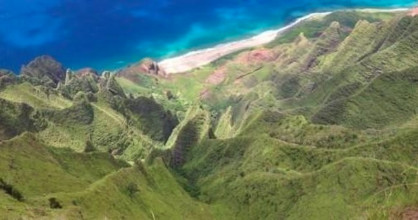
Top 12 Hiking Adventures in Waimea, Hawaii
Waimea’s hiking identity is a study in contrasts: wide-open ranch country and rolling uplands give way to steep, fern-lined valleys and jagged coastal cliffs within a short drive. Trails here thread through a living cultural landscape—pastureland grazed for generations, ancient valley paths, and pockets of native forest where endemic birds still sing. This guide collects the twelve best day-hiking options that originate from or are easily reached from Waimea, tuned to a variety of fitness levels and trip styles, and framed by practical planning notes for weather, access, and seasonality.
Top Hiking Trips in Waimea
12 trips • Book with confidence • Instant confirmation
Why Waimea Is a Standout Hiking Destination
Waimea’s trails are not just routes through the landscape; they are living cross-sections of Hawaii’s layered geography and human history. Start a morning in humid valley shade and, within an hour, find yourself on an open saddle with views that read like a geography lesson—patchwork pasture, scalloped shorelines, and the serrated ridges where native forest clings to cooler air. The town’s upland position moderates temperature compared with coastal heat, making early- and late-season hikes pleasantly cool. But that temperate feel is deceptive: Waimea’s weather can change rapidly, trade winds can rise to bracing gusts on exposed ridgelines, and localized showers can make red soil slick and river crossings tricky. The best hikes take advantage of these contrasts—walks that begin among pasture fences and old stone markers, traverse lava-formed knolls or volcanic soils, and finish overlooking a valley where waterfalls gather after storms.
Culturally, hiking around Waimea is a gentle education in mana‘o and stewardship. Trails frequently pass through lands shaped by paniolo (Hawaiian cowboy) culture, by plantation-era roads, and by ancestral routes between mountain and sea. Interpretive signage is spotty, so a little research pays: local museums, ranger stations, and community centers often provide context about place names, endemic species, and access etiquette. For travelers, this means hikes are as much about listening and observing as they are about exertion—birdsong, the scent of ‘ōhi‘a blossoms, and the sight of a solitary cow on a ridge all become part of the narrative.
Ecologically, the area hosts a surprising range of habitats: dry coastal scrub and kiawe in lowlands, pasture mosaics at middle elevations, and remnant wet pockets where native flora persists. That variety makes Waimea a useful base for hikers who want a mix of short, scenic loops and longer ridge-to-valley days. Because access patterns vary—some trails cross private or leased ranchland, others begin at state or county parks—planning is practical as much as physical. Expect clear navigation challenges in lesser-used routes, and treat water sources as uncertain. With modest preparation, Waimea rewards hikers with intimate landscapes, dramatic vantage points, and a chance to feel like you’re following routes that island residents still use, rather than isolated tourist corridors.
The terrain variety is the draw: open pastures and rolling uplands for fast, sunlit miles; steep valley descents where humidity and native ferns reclaim slope; and coastal approaches where trade winds sculpt scrub and seabird colonies can be spotted offshore.
Seasonality is microclimatic. Drier months often deliver clearer views and firmer trails, but green seasons rejuvenate waterfalls and deepen the color of the valleys—both offer different but equally compelling reasons to visit.
Best Time to Visit
Best Months
Weather Notes
Late spring and early fall typically offer the best balance of clearer skies and moderate temperatures. Summer brings more trade-wind-driven showers in the afternoons; winter can produce wetter conditions in valley bottoms. Microclimates mean one acreage can be dry while a neighboring hollow is wet—plan for both.
Peak Season
Local holidays and summer months see increased visitation on the most accessible trailheads and overlook points.
Off-Season Opportunities
Green seasons (winter and late-wet months) deliver lush valleys and active waterfalls with fewer crowds—expect muddier trails and intermittent closures.
Frequently Asked Questions
Do I need permits for most hikes?
Most day hikes do not require permits, but some popular or protected areas may have access rules or require reservations. Because many routes intersect ranchlands or easements, verify access with local resources before you go.
Are trails suitable for beginners?
Yes. The selection includes gentle pasture loops and short lookout walks ideal for casual hikers, as well as longer, steeper ridge and valley routes for those with more experience.
How should I approach water and navigation?
Carry enough water for the full outing—reliable springs and taps are uncommon on many routes. Download offline maps and GPS tracks; some lesser-used paths are poorly signed and can be deceptively complex in low visibility.
Choose Your Experience Level
Beginner
Short, well-marked loops and low-elevation pasture walks with modest footing and minimal elevation gain.
- Sunrise pasture loop to a local lookout
- Short coastal viewpoint walk
- Heritage trail near town
Intermediate
Moderate climbs, exposed ridgelines, and longer valley descents that may include uneven footing and short scrambling sections.
- Ridgeline traverse with panoramic views
- Valley descent with stream crossings
- Half-day loop incorporating native forest pockets
Advanced
Full-day routes with sustained elevation change, route-finding on unmarked tracks, or multi-ecosystem traverses that require strong navigation and fitness.
- All-day saddle-to-coast traverse
- Remote ridge linking two valleys
- Technical descent into a wet valley with slick terrain
Insider Tips & Local Knowledge
Always verify trail access, closures, weather alerts, and seasonal regulations before heading out.
Start early for cooler temperatures, softer light, and quieter trailheads. Carry cash or a phone number for local land managers when routes cross private or working-ranch land, and close gates behind you. Afternoon showers are common in warmer months—plan exposed ridge miles for morning hours. Respect cultural sites and customary uses: do not remove artifacts or disturb marked features. Leave no trace: pack out trash, avoid creating new social trails, and keep dogs leashed where signage requests it. If you’re seeking solitude, midweek mornings or lesser-known valley approaches reward persistence; popular lookouts fill quickly on weekends. Finally, ask locally—lodging hosts, visitor centers, and outfitters often have the best up-to-date intel on trail conditions and temporary restrictions.
What to Bring
Essential
- Lightweight hiking boots or trail shoes with good grip
- At least 1–2 liters of water per person for day hikes
- Sun protection: hat, sunscreen, sunglasses
- Rain shell or packable waterproof layer
- Navigation: downloaded offline maps or GPS route files
Recommended
- Trekking poles for steep or wet descents
- Small first-aid kit and blister care
- Layered clothing—temperatures vary with elevation and wind
- Emergency whistle and headlamp for unexpected delays
Optional
- Binoculars for coastal and upland birdwatching
- Light camera or smartphone with portability for scenic shots
- Trail gaiters during muddy seasons
Ready for Your Hiking Adventure?
Browse 12 verified trips in Waimea with instant booking
Explore Top 15 Waimea, Hawaii, United States Adventures →