
Wailea adventure guide
Find your way into Wailea.
Sunlight pours into calm coves and reef gardens here; Wailea stitches luxury resorts to lava-sculpted shoreline and trails that drop into blueglen surf. This guide pairs practical planning with evocative moments—early-morning SUP sessions, afternoon snorkels among reef fish, and whale-watch afternoons when spouts perforate the horizon.
Three ways into the city
Pick a landscape. Build a day around it.
Wailea is less a single destination than a collection of neighboring worlds. Start with the version of the city that matches your pace, then use the ranked guide below to fill in the details.

Begin where the city meets the sea.
Surf breaks, sheltered harbors, whale routes, and long beach paths make the coast LA’s most immediate outdoor playground.
Explore water activities →
Let a local connect the landmarks.
Use a guided city, walking, or sightseeing tour to turn LA’s sprawl into a coherent story.
Explore boat tour →Ride the coast and the city.
Beach paths, river corridors, e-bikes, and ridge climbs reveal a more connected Los Angeles.
Explore bike tour →Choose your way into Wailea
The top 15 Wailea adventures.
Ranked by the number of currently listed trips. Each panel opens the complete local activity collection.
1Water Activities
Wailea's sapphire coves and reef-rich shallows make it one of Maui's premier playgrounds for water-based adventures. From glassy morning stand-up paddle sessions in protected bays to world-class snorkeling trips to Molokini, this guide focuses on the water experiences that define Wailea—practical, place-based, and tuned to seasonal rhythms.
Explore water activities →2Boat Tour
Wailea’s shoreline reads like a marine itinerary: coral crescents, hidden coves, and a chain of volcanic islets that funnel birds, fish, and whales along predictable paths. Boat tours—ranging from glass-bottom catamarans and sunset sails to guided snorkel runs to Molokini—are the most direct way to experience South Maui’s underwater gardens, migratory wildlife, and coastal panoramas. Expect short runs for morning snorkeling and longer excursions for whale watching, fishing, or multi-stop discovery trips that pair marine ecology with local history and hospitality.
Explore boat tour → 3
3Snorkel
Wailea’s shoreline reads like an invitation: sugar-soft sand and reef-protected coves that cradle glassy, warm water and a living mosaic of coral, tropical fish, and hulking green sea turtles. Snorkeling here is as much about ease and access—short swims from resort beaches and gentle launch points—as it is about the vivid underwater scenes you’ll find offshore. Whether you step off a beach in flip-flops or board a morning boat for a Molokini run, the snorkeling options around Wailea are approachable, scenic, and remarkably rich for such a compact shoreline.
Explore snorkel → 4
4Surf
Wailea’s shoreline reads like a lesson in contrast: long, sun-drenched beaches that cradle beginner-friendly shorelines, and pocketed reef breaks that reward local knowledge and seasonal patience. For surfers the place is equal parts accessibility and nuance — a welcoming frontline for lessons and longboard glides, and a quietly serious stage when southern swells arrive. This guide focuses on surf-specific planning: where to find waves for your level, how the seasons shape the breaks, safety and reef etiquette, and practical tips to turn a day on the water into a memorable South Maui session.
Explore surf → 5
5Sightseeing Tour
Wailea's sightseeing tours are a polished blend of golden shoreline, raw lava coastline, and curated luxury—where guided boat cruises and coastal drives wind past dramatic headlands and sheltered coves. This guide focuses on the sightseeing experiences that let you learn the land: narrated coastal drives, glass-bottom and snorkeling excursions, seasonal whale-watching trips, and shorter walking tours that spotlight cultural sites and coastal ecology.
Explore sightseeing tour → 6
6Whale Watch
Wailea sits on the sun-drenched southern shore of Maui, where seasonal humpback migrations and calm offshore waters make whale watching one of the most memorable marine experiences in Hawaii. From glassy-morning zodiac runs to relaxed sunset cruises and shore-based vantage points, Wailea offers a range of ways to encounter giants of the Pacific—paired with ocean-scented breezes, volcanic backdrops, and a culture that reveres the sea.
Explore whale watch → 7
7Scuba
Wailea is a polished gateway to some of Maui’s best reef diving—short boat rides deliver you to protected crater walls, coral gardens, and turtle-rich shallows. Expect clear visibility, abundant reef life, and a mix of sheltered bays and thrilling drift options. This guide focuses on scuba experiences accessible from Wailea: day boat trips, shore-access reserves, and complementary activities like snorkeling, snorkel safaris, and marine-naturalist cruises.
Explore scuba → 8
8Hiking
Wailea’s hiking is a study in contrasts: sunlit coastal boardwalks that thread hotel lawns and golden beaches give way within minutes to ancient lava flows, stunted scrub, and a wind-polished shoreline that feels as remote as it is raw. From gentle seaside promenades and low-elevation cinder climbs to lava-field scrambles and day trips up to Haleakalā’s slopes, hiking here blends easy access with surprising geological variety. This guide focuses on hiking experiences in and around Wailea—what the terrain demands, how to time a visit, and the practical details to make a day on these trails both safe and unforgettable.
Explore hiking → 9
9Eco Tour
Wailea’s sunlit coves, clear offshore reefs, and caring conservation culture make it a compact laboratory for eco-minded travelers. This guide curates the best guided experiences—snorkel-based reef tours, coastal stewardship days, cultural nature walks, and marine biology expeditions—so you can experience and support the living systems that define south Maui.
Explore eco tour → 10
10Photography Tour
Wailea compresses textbook Hawaiian light, coastal geology, and resort polish into a compact, photographic playground. From black lava outcrops and tide-pool reflections to long golden sands and crater-top panoramas, photography tours here emphasize framing contrasts—rock and surf, formal landscaping and raw shoreline, whales breaking the winter horizon and the slow arc of moonlit tides. This guide focuses on organized photography tours and guided outings centered in Wailea, with practical notes on seasonality, terrain, and how to plan shoots that take full advantage of Maui's microclimates.
Explore photography tour →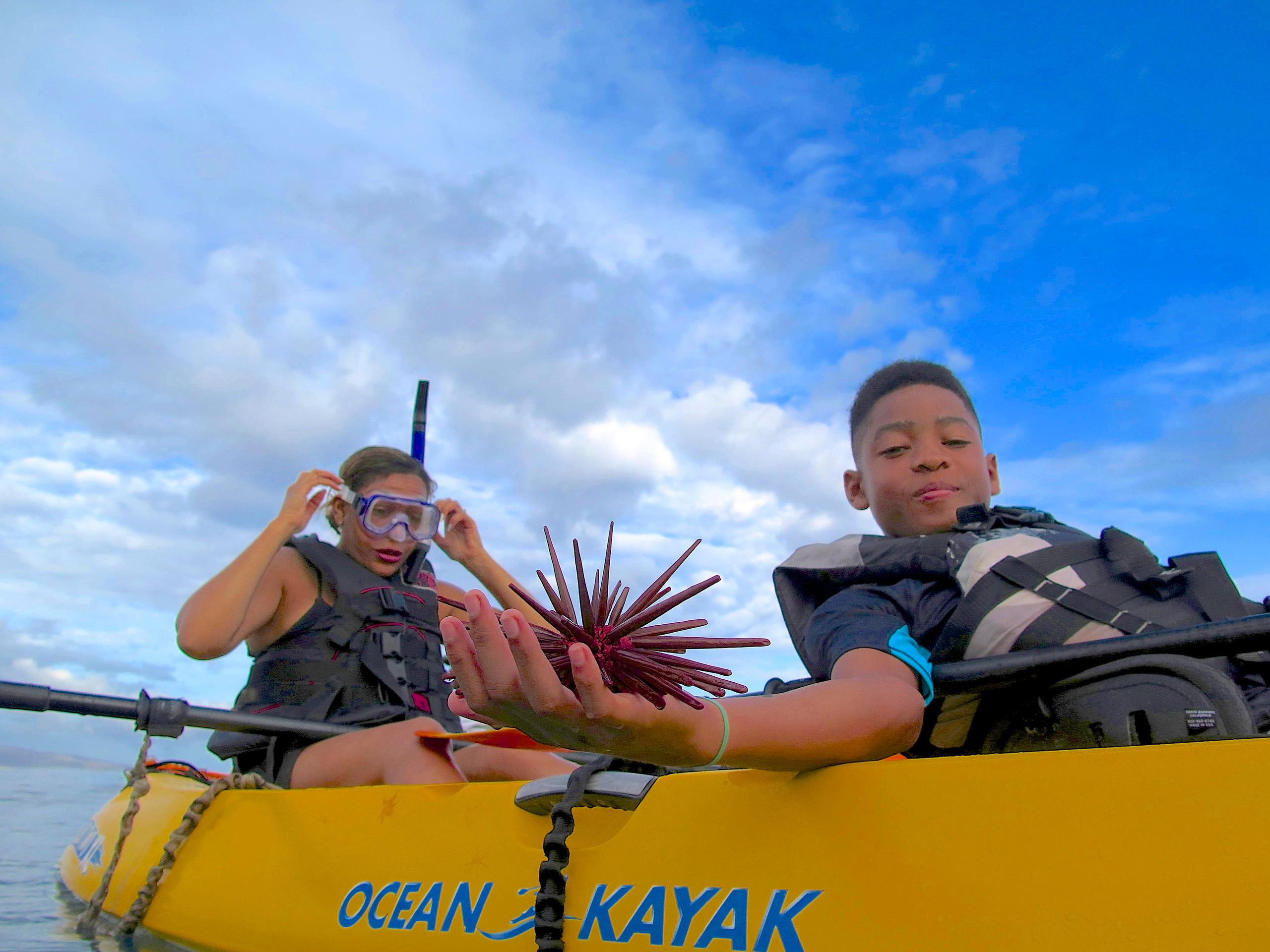 11
11Kayak
Wailea’s shoreline reads like an invitation: turquoise lagoons, protected reef gardens, and offshore pinnacles that funnel life into concentrated pockets. For paddlers, the area offers everything from glassy beginner bays to open-water runs past volcanic headlands—plus an easy dose of snorkeling, sea-turtle encounters, and seasonal whale watching. This guide focuses on making those paddles accessible, safe, and unforgettable.
Explore kayak → 12
12Sailing
Wailea’s shoreline reads like an invitation for sailors: broad golden beaches, protected coves, and deep-blue channels that open toward Molokini and the open Pacific. Sailing here blends relaxed coastal cruising with world-class snorkeling, seasonal whale encounters, and enough trade-wind drama to keep each outing memorable. Expect catamarans and sailing charters to dominate day tours, while smaller sport-fishing and private-skipper options offer a more intimate way to feel the wind and sea. This guide focuses on the on-water experience—what the terrain and ocean conditions are like, how seasons shape every trip, and how to choose the right sail for your appetite, from chilled sunset cruises to active offshore runs.
Explore sailing → 13
13SUP
Wailea’s sheltered bays, clear reef-protected water, and long sandy shorelines make it one of Maui’s most approachable places to stand on a board and explore. From calm, beginner-friendly flatwater paddles off Wailea Beach to more adventurous reef-hopping and coastal runs toward Makena, SUP here mixes warm water, abundant marine life, and a Pacific horizon that unfolds with every stroke.
Explore sup →Bike Tour
Wailea's bike tours fold together glittering Pacific panoramas, quiet resort boulevards, and coastal headlands carved from ancient lava flows. Rides here are as likely to thread manicured sidewalks and seaside bike paths as they are to flirt with wind-swept country roads that drop toward Makena's black rock beaches. Whether you want a relaxed e-bike beach loop, a guided cultural ride through Hawaiian heritage sites, or a long day that connects to Haleakalā approaches, Wailea presents concise, unforgettable routes within easy reach of resort amenities.
Explore bike tour →Dolphin
Wailea’s glassy mornings and clear offshore reefs create some of Maui’s most reliable dolphin encounters. Whether you’re slipping into the water on a guided snorkel, scanning the horizon from a catamaran, or paddling a kayak at dawn, wild dolphins—mostly spinner and bottlenose—thread the blue beyond the reef. This guide focuses on marine-oriented adventures: responsible dolphin watches, snorkeling with resident pods, and the quieter ancillary experiences that make a day on the water feel like the reason you came to Maui.
Explore dolphin →The city and the sea
Why Wailea Belongs on Your Adventure Shortlist
Variety without surrendering the day to long transfers.
Wailea arrives like a promise: sugar-white beaches hemmed by coral gardens, a slow coastal walk that invites sunrise ritual, and a lagoonal calm that makes complex ocean sports feel inviting. This is a place where itinerary ambitions—snorkel trips that thread the reef, a morning kayak past hidden coves, and an afternoon on a sailing charter—are all within reach of a single basecamp. Water activities dominate for good reason. The reef systems here create sheltered pockets for SUP and snorkeling, and they shelter a network of wildlife viewing opportunities where spinner dolphins and, in season, migrating humpbacks become the day's headline act. Beyond the water, Wailea's lava fields and coastal greenways feed short hikes and photography tour stops: every cinder cone and coastal bluff is a frame-ready composition for landscape photographers and travelers who favor slow, purposeful exploration. The practical charm of Wailea is its adjacency. A boat tour that launches before breakfast can return by midday, leaving time for a snorkeling session off Molokini or a guided scuba dive for certified divers who want to go deeper. Eco tours lead conversations about native vegetation, coral resilience, and the history of Hawaiian voyaging—a cultural layer that elevates sightseeing tours into meaningful context. Even surf lovers find friendly conditions: sheltered breaks for learners and reef passes for more experienced riders close enough for a short transfer. If you want to layer experiences—kayak to a snorkeling mooring, then hop a sailing trip that turns into a whale watch at dusk—Wailea lets you arrange that day rhythm without long drives. Pragmatically, timing matters. Winter months bring larger swell to West-facing exposures and the spectacle of whale watching; shoulder seasons yield clearer water for snorkeling and sparser crowds. Outfitters in Wailea are experienced and plentiful: they rent kayaks and SUPs, run guided snorkel and scuba outings, operate photography tours and eco tours, and staff whale-watch and dolphin excursions. For travelers, that means more choices and better options for matching skill level to experience—novice paddlers can find calm sheltered bays while intermediate kayakers and surfers can seek out the passable surf lines. Bring reef-safe sunscreen, plan bookings for whale-watch and Molokini trips well in advance during peak months, and favor early-morning departures when water clarity and light are at their best.
Wailea’s coastline is compact but rich: take the Wailea Beach Walk for a connected string of beaches and resort access points, then branch off to guided kayak tours that tuck into coves and lava-formed tidepools. Boat tours and sailing charters offer a different rhythm—less intimate than a paddle, but expansive, with opportunities for snorkeling stops and sunset vantage points.
The hiking and bike options here are short and scenic rather than alpine endeavors: coastal trail strolls, low-elevation ridge walks, and bike tours of South Maui’s pastoral roads. Those seeking quieter nature moments should consider eco tours and photography tours that focus on the island’s natural history and marine life, especially during seabird nesting and the whale migration window.
Conditions shape the day
The best time to visit Wailea.
Wailea enjoys warm, marine-moderated weather year-round. Trade winds are common and pleasant; winter months bring larger ocean swells and cooler surface temperatures—great for whale watching but sometimes choppy for small-boat outings. Early mornings have the best water clarity for snorkeling and photography.
Best all-around window
Spring + fall
Comfortable mixed-itinerary weather, thinner crowds at beaches and lookouts, and more room to improvise.
Beach season
Winter months (December–March) draw whale-watchers and holiday crowds—book boat tours and scuba trips early.
Surf + whales
Spring and fall shoulder seasons offer lower crowding, clearer water, and better value on accommodations and guided experiences.
Coast to inland
Cool marine mornings often give way to warmer inland afternoons and breezy evenings.
Beginner
Gentle beaches, guided snorkeling floats, and flatwater SUP and kayak outings designed for first-timers and families.
- Guided snorkel at a protected reef garden
- Morning SUP on a calm lagoon
- Short sightseeing tour and coastal walk
Intermediate
Longer paddles to nearby coves, reef snorkeling with moderate currents, and introductory surf lessons on gentler breaks.
- Kayak tour to a lava coastline and tidepools
- Boat-based snorkeling trip to Molokini (with snorkeling stops)
- Half-day bike tour of South Maui roads and coastal viewpoints
Advanced
Open-ocean paddles, advanced surf at exposed breaks, guided scuba dives on deeper reefs, and photography tours targeting marine life in dynamic conditions.
- Guided scuba dive on offshore reefs
- Open-water kayak or SUP crossings with a guide
- Photography tour timed for whales or dramatic surf lines
Field kit
What to bring.
Pack for sun, salt water, walking, and a meaningful temperature swing between coast and inland Wailea.
Essential
Start here
- Reef-safe sunscreen (SPF 30+)
- Lightweight layers and a windbreaker for early-morning boat trips
- Water shoes or sandals with grip for rocky entries
- Swimwear and a quick-dry towel
- Snorkel mask or prescription mask if you prefer your own fit
Water days
Keep it dry
- Waterproof daypack or dry sack
- Light long-sleeve rash guard for sun and brush protection
- Wide-brim hat and polarized sunglasses
- Reusable water bottle and small first-aid kit
Long days
Stay flexible
- Underwater camera or action cam with float leash
- Binoculars for whale and dolphin spotting
- Travel-size reef-safe reef-safe sunscreen for reapplication
Insider note
Start early, then keep the geography tight.
Book whale-watch and Molokini trips early in peak season. Use reef-safe sunscreen and avoid standing on coral—both are essential for reef health. Favor early departures for calmer seas and best visibility; midafternoon often brings breeze and chop. For photography and wildlife viewing, sit slightly upwind on boats for steadier frames and quiet approaches. When choosing outfitters, look for guides who brief on marine etiquette, carry safety gear, and show knowledge of local currents. Keep a flexible plan: if surf or swell closes a site, switch to a calm snorkeling bay or an inland eco tour, and use bike tours to explore agricultural pockets and upcountry vistas when ocean conditions aren’t ideal.
Good to know
Frequently asked questions.
Can I snorkel off the shore in Wailea without a boat?
Yes—several beaches and coves have accessible reef flats for snorkeling. For deeper reef gardens like Molokini, a boat tour is required. Always check local conditions and follow posted guidelines about reef access and safety.
When is the best time to see whales from shore or a boat?
Humpback whales migrate through Hawaiian waters mainly between December and April, with peak activity often in January–March. Boat-based whale watches increase your odds and offer closer viewing than shore-based spotting.
Is Wailea family-friendly for water activities?
Very much so. Calm bays and supervised beaches are suitable for kids; outfitters offer family-oriented kayak, snorkel, and SUP programs. Choose operators who provide life jackets in appropriate sizes and look for guided trips for younger participants.
Ready when you are
Find the trip that fits your Wailea day.
Compare bookable experiences across the coast, city, and mountains—then save the ones that belong in your plan.
Explore all Wailea adventures ↗