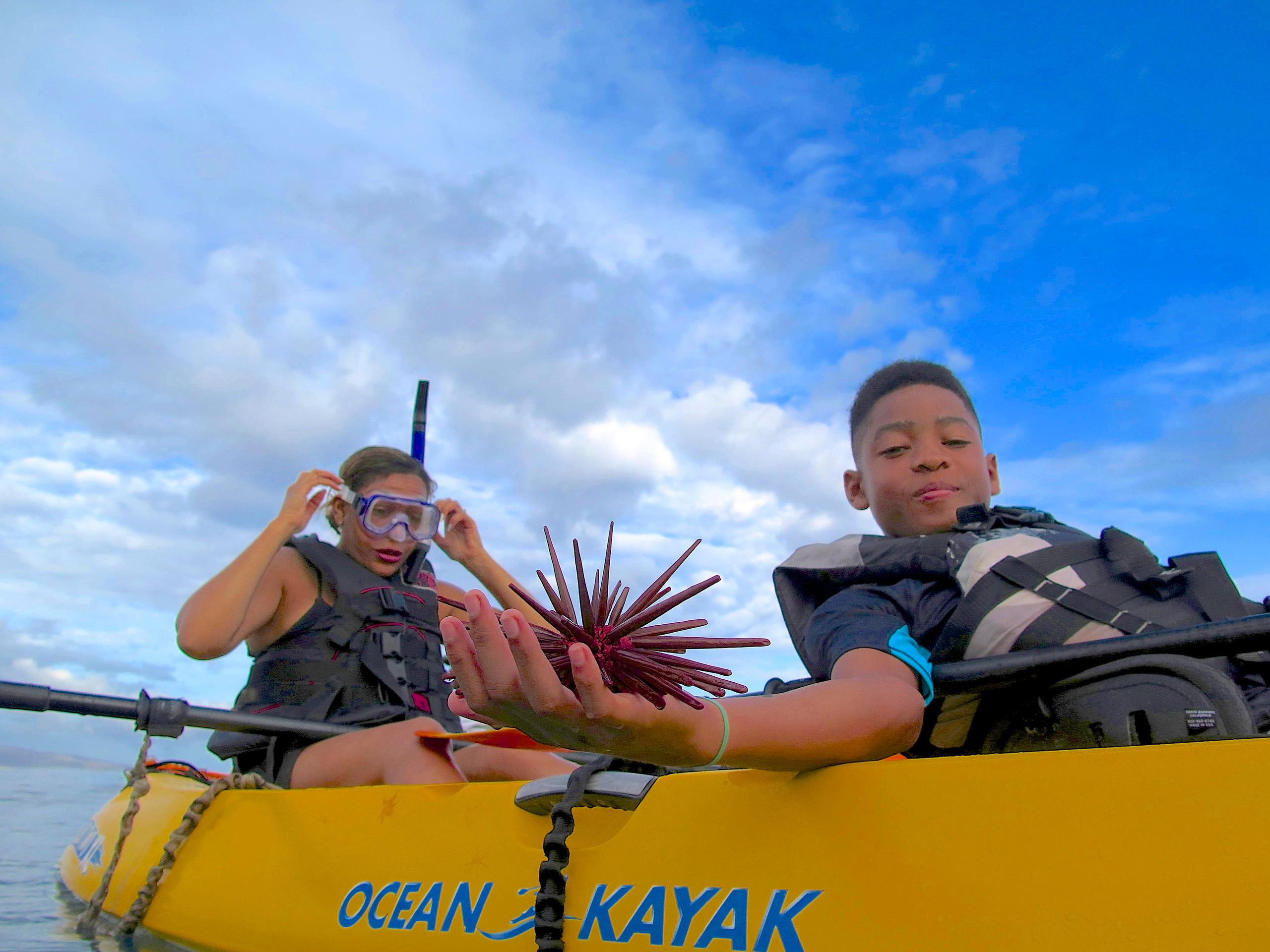
Top Kayaking Adventures in Wailea, Hawaii
Wailea’s shoreline reads like an invitation: turquoise lagoons, protected reef gardens, and offshore pinnacles that funnel life into concentrated pockets. For paddlers, the area offers everything from glassy beginner bays to open-water runs past volcanic headlands—plus an easy dose of snorkeling, sea-turtle encounters, and seasonal whale watching. This guide focuses on making those paddles accessible, safe, and unforgettable.
Top Kayak Trips in Wailea
41 trips • Book with confidence • Instant confirmation
Why Wailea Is a Standout Kayaking Destination
Paddle out from the soft sands of Keawakapu or Wailea Beach and you quickly understand why Wailea is more than a resort coastline—it's a living edge between deep Pacific swell and calm reef-sheltered lagoons. The geography here is compact but varied: fingers of volcanic rock and lava-formed reefs create sheltered channels and pockets of crystal-clear water that reveal gardens of coral and the steady, slow rhythm of marine life. For the kayaker, that means short, rewarding excursions with dramatic payoff—clear snorkeling stops, frequent green sea turtle (honu) sightings, and the chance to glide along nearshore cliffs that bear the weathered fingerprints of lava and sea.
Culturally, these waters carry the memory of voyaging and fishpond stewardship. Hawaiian place names and ancient practices still shape how locals move through the ocean: respect for no-take zones, seasonal patterns, and simple etiquette—give turtles space, avoid trampling reefs, and approach wildlife from the side rather than head-on. Environmental stewardship is central here; many paddles connect directly to marine management zones like Ahihi-Kinau and Molokini’s protected waters, where conservation priorities influence when and where tours operate. Practically, paddlers benefit from a mix of options: sheltered morning windows when trade winds are subdued; afternoon onshores that can be brisk and challenge novices; and winter months when humpback whales migrate through Maui’s offshore lanes, offering spectacular distant displays if conditions allow.
Beyond the immediate paddle, Wailea’s kayaking sits within a network of complementary experiences—stand-up paddleboarding for calm-lagoon days, snorkeling and freediving at shallow reef gardens, boat snorkel trips that reach further offshore, and coastal hikes that give you the view from above. Whether you're launching on a guided half-day that pairs paddling with snorkeling at Molokini, renting a recreational kayak for a gentle bay loop, or planning a longer cross to exposed headlands, Wailea rewards paddlers who balance curiosity with caution: timing launches with tides and wind, bringing reef-safe sunscreen and a dry bag, and leaving no trace on the fragile reef ecosystem.
The relative compactness of Wailea’s paddle zones makes it ideal for mixed-activity days: a morning kayak and snorkel, lunch on the beach, and an afternoon hike or cultural visit without a long commute.
Seasonal patterns—calmer trade-wind mornings in spring and summer, and the winter whale season—shape the local experience. Planning around winds and tides unlocks the best conditions for safety and wildlife encounters.
Best Time to Visit
Best Months
Weather Notes
Calmest ocean windows tend to occur in spring and summer mornings before the trade winds kick up; afternoons commonly develop breezes that can increase chop. Winter months bring larger swells and the humpback whale migration—spectacular for sightings but sometimes choppier for small-craft paddling. Short, sudden showers are common year-round.
Peak Season
Summer months, major holidays, and school vacation periods draw the most visitors to beaches and guided tours; winter sees increased marine wildlife viewing from boats.
Off-Season Opportunities
Winter weekdays can offer lower land-based visitation and unique whale-watching opportunities; advanced paddlers may find larger swell days compelling for exposed coastal routes.
Frequently Asked Questions
Do I need experience to kayak in Wailea?
No—sheltered bays and guided tours make kayaking accessible for beginners. However, experience with open-water paddling is helpful for longer crossings or when winds and swell pick up; consider a guided option if you’re new to ocean conditions.
Are there guided kayak tours and rentals?
Yes. Wailea supports a mix of guided kayak-and-snorkel trips, single- and tandem-rental options, and outfitters that provide gear and instruction. Availability and policies vary by operator.
Are permits required to paddle or snorkel near Molokini or protected areas?
Regulations vary by location and activity; some marine reserves have access rules or operator permit systems. Check with local authorities or licensed outfitters for current restrictions before planning.
Choose Your Experience Level
Beginner
Calm, short paddles inside reef-protected bays focusing on skill-building, snorkeling stops, and wildlife viewing close to shore.
- Protected-bay loop from Wailea Beach
- Guided sheltered-lagoon kayak with snorkeling
- Keawakapu Beach short paddle and beach stop
Intermediate
Longer coastal paddles that require basic navigation, tide awareness, and the ability to handle moderate wind or chop.
- Makena coastline day paddle with multiple snorkel stops
- Guided paddle to nearshore pinnacles and reefs
- Combined SUP/kayak tour with brief open-water segments
Advanced
Open-ocean crossings, offshore runs, and paddles that demand strong stroke technique, current and swell experience, and self-rescue skills.
- Offshore crossings in variable conditions (advanced only)
- Long coastal traverses linking exposed points around headlands
- Independent navigation to offshore pinnacles with contingency planning
Insider Tips & Local Knowledge
Always check local weather, wind, and marine advisories; coordinate with licensed outfitters for conditions and regulations.
Launch early—morning windows often offer the calmest water and best visibility for snorkeling. Watch the trade-wind forecast: winds typically pick up midday and can make return trips more demanding. Respect marine life and reef rules: no touching or standing on coral, keep distance from turtles and resting marine animals, and use only reef-safe sunscreen. Pack light, but bring a dry bag with phone, ID, and a small first-aid kit. If you plan to paddle independently, tell someone your route and estimated return time—cell service can be spotty near some headlands. Finally, consider booking guided trips for Molokini or marine-reserve visits; guides know the safest lines, local rules, and the best snorkel spots, which improves both safety and the quality of the experience.
What to Bring
Essential
- Personal flotation device (PFD) — provided on guided trips but confirm before launch
- Reef-safe sunscreen and sun-protective clothing
- Hydration and electrolyte snacks
- Dry bag for phone, keys, and layered clothing
- Light waterproof layer/windbreaker for cool mornings or spray
Recommended
- Reef shoes or water sandals for rocky launches and snorkeling
- Mask, snorkel, and fins (many operators include gear)
- Hat with retention strap and polarized sunglasses
- Waterproof camera or action camera with float
- Basic first-aid items and blister care
Optional
- Light long-sleeve rashguard for extended sun protection
- Small reef-safe insect repellent for beach stops
- Binoculars for whale-watching offshore in season
Ready for Your Kayak Adventure?
Browse 41 verified trips in Wailea with instant booking
Explore Top 15 Wailea, Hawaii Adventures →