
Waianae adventure guide
Find your way into Waianae.
On Oahu’s leeward edge, Waianae feels like a coastal story no longer hurried by the city: reef-lined coves, wind-sculpted palms, and long stretches of surf where generations have read swell and tide like a language. This guide stitches together the top ways to experience that coastline—water activities and boat tour adventures that place you inside coral gardens for snorkel and scuba sessions, early-morning SUP and sailing runs across glassy inlets, and surf sessions at Makaha that lure seasoned riders. Sightseeing tour options and photography tours highlight Kaʻena Point’s tidal shelves and seabird colonies; eco tours and dolphin and whale watch outings bring you face-to-face with marine life while boat rental and private charters let you write your own itinerary. Whether you’re chasing a sunrise paddle, booking a bus tour from town, or slipping into a quiet cove for a guided snorkel, Waianae rewards curiosity with wave-battered authenticity and practical access to a rich marine environment.
Three ways into the city
Pick a landscape. Build a day around it.
Waianae is less a single destination than a collection of neighboring worlds. Start with the version of the city that matches your pace, then use the ranked guide below to fill in the details.
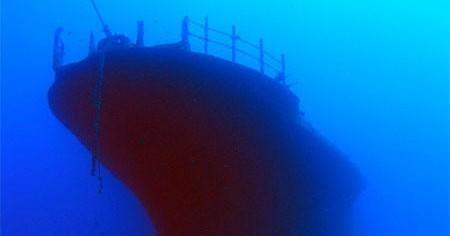
Begin where the city meets the sea.
Surf breaks, sheltered harbors, whale routes, and long beach paths make the coast LA’s most immediate outdoor playground.
Explore water activities →
Let a local connect the landmarks.
Use a guided city, walking, or sightseeing tour to turn LA’s sprawl into a coherent story.
Explore boat tour →
Ride the coast and the city.
Beach paths, river corridors, e-bikes, and ridge climbs reveal a more connected Los Angeles.
Explore snorkel →Choose your way into Waianae
The top 15 Waianae adventures.
Ranked by the number of currently listed trips. Each panel opens the complete local activity collection.
1Water Activities
Waianae's west shore is where raw Pacific energy meets coral gardens and secluded pocket beaches. This guide focuses on the water experiences that define the region—nearshore snorkeling along fringing reefs, surf and shorebreak play at Makaha, glassy dawn stand-up paddle sessions, coastal kayak runs, local fishing traditions, and seasonal whale-watching. Expect dramatic lava-jutted shoreline, clear water in sheltered coves, and rapidly changing ocean moods that reward respect, timing, and local knowledge.
Explore water activities →2Boat Tour
Waianae's long, rugged leeward coast carves a different portrait of Oʻahu: volcanic ridgelines dropping into blue shelves, wind-sculpted reefs, and a marine world that rewards any hour you can spend on the water. Boat tours here thread a unique seam between cultural shoreline, quiet reefs, and offshore life—snorkel stops at flourishing coral gardens, seasonal humpback-watching routes, coastal fishing charters, and days spent searching for dolphins off the point. This guide focuses on boat-based experiences out of Waianae: what the sea conditions feel like, how the cultural and natural history shapes each outing, and practical planning for choosing the right trip and packing smart for both comfort and stewardship.
Explore boat tour →3Snorkel
Waianae's west-facing reefs offer a distinct snorkeling character: lava-formed shorelines, clear drop-offs, and pockets of sheltered coral that attract colorful reef fish, Hawaiian green sea turtles, and seasonal visitors like spinner dolphins. Less trafficked than Oahu's windward or south shore sites, the Waianae coast rewards travelers who plan around swell, tides, and access points. This guide focuses on shore-entry snorkeling, common hazards, how to find calm conditions, and the complementary outdoor experiences that pair naturally with a day in the water—coastal hikes, surf breaks, and cultural sites.
Explore snorkel → 4
4Sightseeing Tour
Waianae’s shoreline reads like a coastal primer: raw lava benches, secluded bays, and the slow green sweep of the Waianae Mountains backing every view. Sightseeing tours here favor intimacy over spectacle—small-boat trips that thread close to cliffs, van tours that pause for cultural stories and sea-view lookouts, and guided walks to ecological reserves where seabirds and monk seals haul out. This guide focuses on how to see Waianae responsibly and well: the seasons that matter, the terrain you’ll traverse, and the choices that make a shore-side afternoon into a rich, place-based experience.
Explore sightseeing tour → 5
5Surf
On Oahu's leeward shore, Waianae is where Pacific swell meets steep reef and long surf culture. From thunderous winter slabs at Makaha to soft summer longboarders in protected coves, this stretch delivers a rhythm of waves that define West Oahu surfing. This guide focuses on reading the surf, choosing the right breaks, and planning trips that match skill level and season.
Explore surf →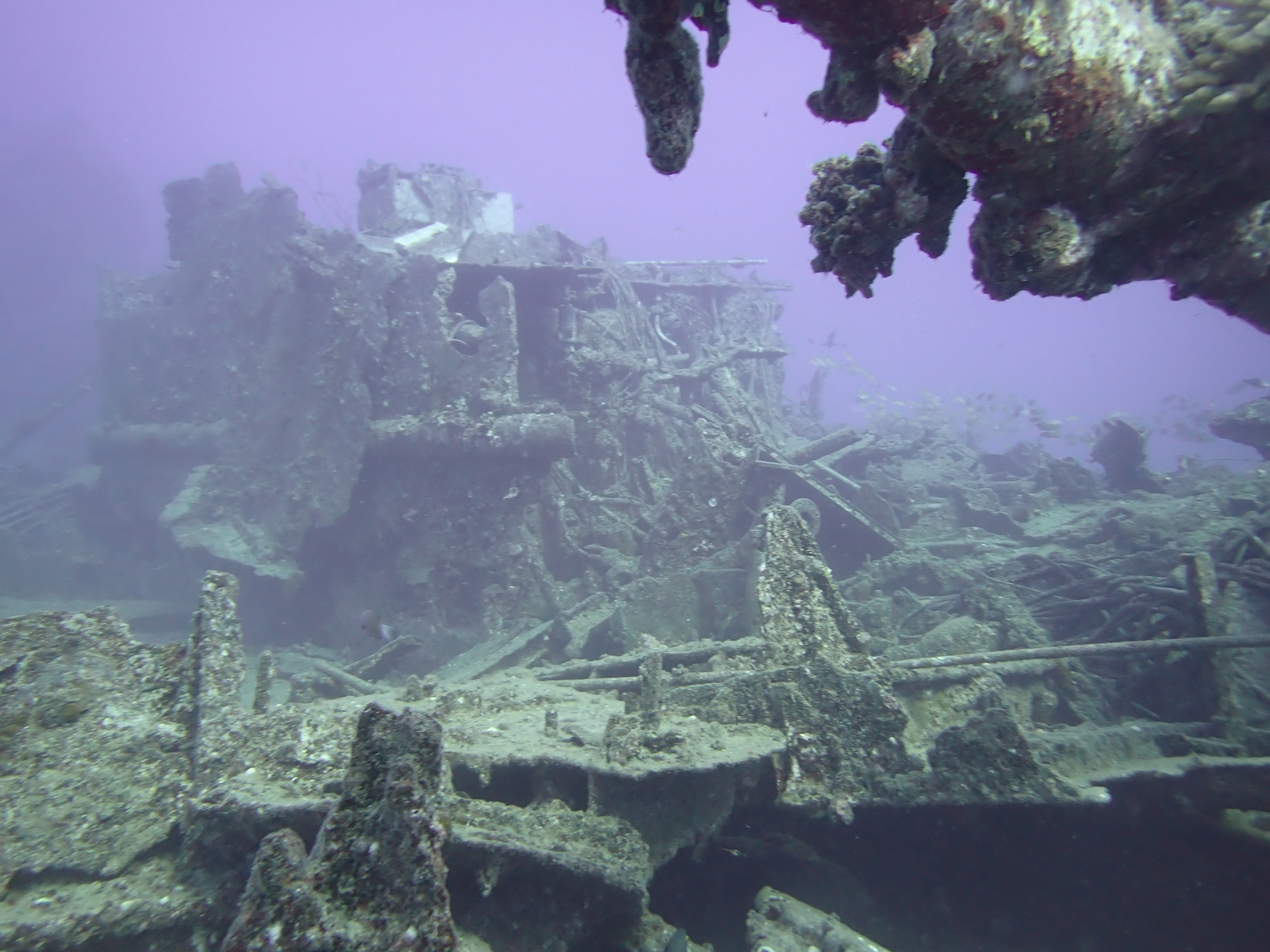 6
6Scuba
Waianae’s coast feels like the island’s weathered edge—raw lava ridgelines falling into warm Pacific blue, reef gardens threaded with swim-throughs, and offshore shelves where open-ocean visitors ghost past. Scuba here is a mix of sheltered reef dives for beginners and technical bluewater or drift outings that reward confident divers with turtles, reef sharks, schooling jacks, and seasonal visitors offshore. Local operators run shore, boat, and specialty dives that pair well with snorkeling, freediving, surf breaks at Makaha, and the coastal hikes to Kaʻena Point. The vibe is less polished tourist corridor and more island workaday: knowledgeable captains, tight local knowledge about currents and moorings, and dive sites shaped by lava flows rather than coral atolls.
Explore scuba → 7
7Sailing
Waianae’s western shoreline is where raw Hawaiian coastlines meet sea-skillet trade winds. Sailing here is a study in contrasts: sheltered bays framed by jagged lava cliffs, glassy inlets over coral gardens, and open-ocean stretches where vessels pick up the long Pacific swell. Whether you’re carving a day-sail along the leeward reefs, chasing migrating humpback whales in winter, or rigging for a multi-day cruise toward Kaʻena Point, Waianae offers accessible launch points, rich marine life, and a strong cultural thread of voyaging and coastal stewardship.
Explore sailing →Bus Tour
Bus tours in Waianae unwrap the far-west coast of Oʻahu like a slow-motion postcard: rugged cliffs meeting blue Pacific, plantation towns with roadside shrimp trucks, and hidden beaches reached by short walks from coastal pullouts. These curated drives pair close-up coastal panoramas with accessible storytelling—history, reef ecology, and local culture—making them ideal for travelers who want ocean views without long hikes or complicated logistics.
Explore bus tour → 9
9SUP
Waianae's leeward coastline is a study in contrast: broad, wind-swept bay mouths give way to long, shallow reef flats and secluded coves that, when conditions align, make for some of Oahu's most satisfying stand-up paddling. Here SUP is less about crowded lagoons and more about reading currents, spotting honu (green sea turtles), and slipping along reef-sheltered waterlines with a Pacific horizon to the west.
Explore sup → 10
10Whale Watch
The long, raw sweep of Waianae's coastline—cliffs, coral shelves, and open Pacific—forms one of Oʻahu’s quietest front-row seats for migrating humpback whales. From shore-based sightings off rocky outcrops to small-boat excursions launched from Waianae Harbor, the experience here is intimate and marine-first: fewer crowds, generous vantage points, and a sense that you’re watching a seasonal pilgrimage rather than a commercial spectacle. This guide focuses on whale-watch opportunities in Waianae, practical planning advice, and complementary coastal activities to round out a marine-minded visit.
Explore whale watch → 11
11City Tour
Waianae's city tours steer you through a living coastal community where surf, food, and Hawaiian culture meet open sky. These walks and guided routes emphasize neighborhood life, agricultural and marine traditions, and the shoreline landscapes that shape day-to-day rhythms on Oʻahu’s west side.
Explore city tour → 12
12Dolphin
Waianae's leeward shores open directly onto clear, deep waters where spinner and spotted dolphins move between reef flats and offshore foraging grounds. This guide focuses on dolphin-centered activity—shore watching, guided boat tours, kayak and paddleboard outings, and snorkeling encounters—framing each with local ecology, safety and stewardship guidance, and the practical details you need to plan responsibly.
Explore dolphin → 13
13Photography Tour
Waianae's rugged leeward coast stitches together razor-edged ridgelines, basalt cliffs, wind-carved beaches, and long, cinematic sunsets. For photographers it offers an alternative Oahu narrative: fewer crowds, raw coastal geology, intimate cultural sites, and dynamic light that rewards patience. This guide maps the photographic opportunities here—shoreline compositions, summit vantage points, underwater encounters, and night-sky frames—while giving clear, practical advice for planning and safety.
Explore photography tour → 14
14Eco Tour
Waianae's wild leeward coastline is a study in contrasts: wind-sculpted lava fields, low coastal scrub, secret beaches and a marine shelf that gathers a startling diversity of life. Eco tours here emphasize cultural landscape, reef restoration, seabird habitat, and the human stories of mālama ʻāina—care for the land. Small-group coastal walks, guided snorkel and reef-monitoring trips, and community-run conservation experiences offer up-close learning, conservation action, and a quiet, less-commercial side of Oʻahu.
Explore eco tour →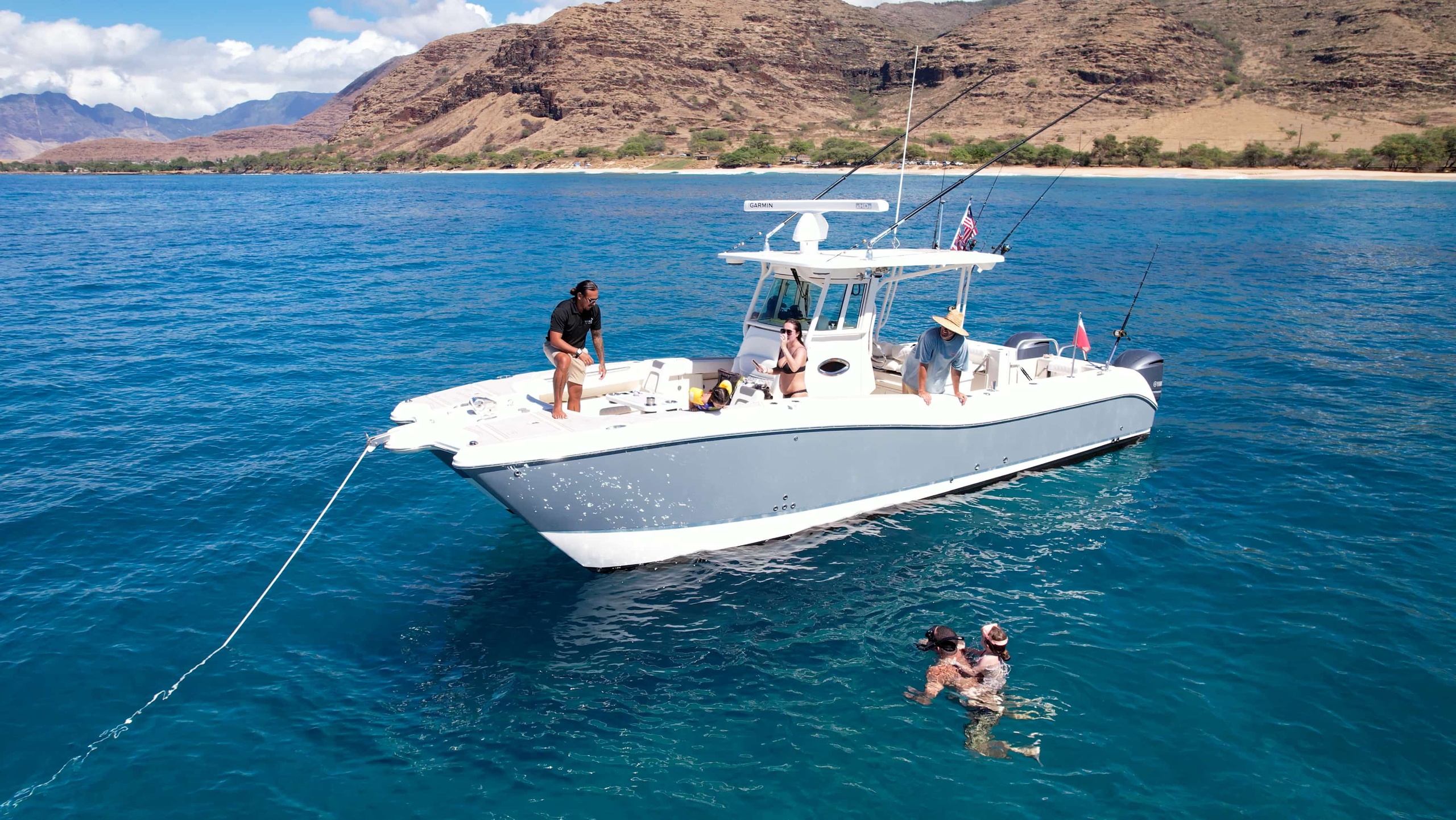 15
15Boat Rental
Waianae’s long, wind-swept coastlines and close-to-shore reefs make it one of Oahu’s most rewarding places to take a boat. Rentals range from small skiffs and runabouts for coastal cruising and reef snorkeling to larger center-consoles for fishing and sunset charters. This guide focuses on the practicalities of getting out on the water here—what the sea feels like off the leeward shore, the best seasons for glassy conditions and whale watching, how to plan reef- and wildlife-respectful outings, and which complimentary activities—snorkeling, shore hikes to Kaʻena Point, stand-up paddleboarding—pair naturally with a day afloat.
Explore boat rental →The city and the sea
Why Waianae Belongs on Your Adventure Shortlist
Variety without surrendering the day to long transfers.
Waianae sits at the westward margin of Oahu where trade winds bend around headlands and sunsets fall into the Pacific with an audience of coral reefs and pinnacles. The place reads like a compact manual for coastal adventure: start with the practical—rent a boat, book a boat tour, or join a small-group sightseeing tour to scope reefs and seabird colonies—and layer in time-sensitive delights like snorkeling at Pokai Bay, a photography tour aimed at golden-hour shoreline vistas, or a SUP across a sheltered lagoon at dawn. On calm days, sailing and stand-up paddleboarding reveal reef topography in startling detail; on windier afternoons, the same swell that makes this coast famous opens lines for surf and for experienced sailors carving windward runs. There is cultural depth here, too. Fishing and voyaging traditions continue to shape local rhythms; eco tours around Kaʻena Point are as much about stewardship and native habitat as they are about wildlife viewing. That intersection—where active recreation meets place-based knowledge—creates a practical guidepost for visitors: show up with curiosity and a modest kit (reef-safe sunscreen, reef booties, a waterproof phone case), and you’ll unlock both easy water activities and longer, harder outings. Boat rentals and private charters are especially useful in Waianae because they turn travel time into exploration time: skip packed public beaches, set a course for a remote snorkel patch, or plan a sunset sail that finishes with a shore-side meal. For planners, Waianae is forgiving in ways that matter. The leeward location typically brings calmer seas in late spring and early fall, making those months ideal for snorkeling, scuba, and SUP; winter brings larger surf and the drama that draws advanced surfers to Makaha, along with humpback sightings offshore. Guides and outfitters here specialize in small groups—boat tours designed for photography, dolphin encounters that prioritize animal welfare, and eco tours that thread cultural history into field notes—so you can choose level-appropriate experiences without committing to big-boat crowds. Combine a morning snorkel or scuba dive with an afternoon sightseeing or city tour of nearby towns, and you have a day that feels both expansive and deeply local: ocean time balanced by shore-side plates of fresh fish and conversations with people who live the coast every day.
It’s easy to sequence activities: early calm for snorkel and SUP, midday for a cultural or eco tour, and late afternoon for surf checks or a photography tour that hones in on light and texture. Outfitters in Waianae often offer combined options—snorkel-plus-dolphin watch, or boat rental with guide—so you can stack experiences without doubling travel time.
Practical access matters: roadside parking is limited at favored points and trailheads near Kaʻena Point are protected to preserve nesting birds. That makes advance planning, tide checks, and respecting posted closures part of the trip. The reward is quieter coves, healthier reefs for snorkel and scuba, and wildlife encounters that feel intimate rather than staged.
Conditions shape the day
The best time to visit Waianae.
Waianae’s leeward position usually means drier, sunnier weather than windward Oahu. Late spring and early fall tend to bring the calmest seas—ideal for snorkel, scuba, SUP, and sailing—while winter months produce bigger surf at Makaha and increased chance of swell-driven closures. Trade winds are common; check daily marine forecasts before heading out.
Best all-around window
Spring + fall
Comfortable mixed-itinerary weather, thinner crowds at beaches and lookouts, and more room to improvise.
Beach season
December–March for winter surf and whale-watch interest plus holiday travel—expect busier outfitters and limited weekend parking.
Surf + whales
Late spring and early fall offer quieter beaches with stable sea conditions and good value on rentals and guided outings.
Coast to inland
Cool marine mornings often give way to warmer inland afternoons and breezy evenings.
Beginner
Gentle, low-commitment activities that let you sample Waianae’s coast without specialized skills—perfect for families and first-timers.
- Shallow snorkel session in a protected bay with guide
- Guided boat tour for sightseeing and dolphin watching
- Morning SUP on a sheltered lagoon
Intermediate
Requires some comfort on the water and basic skills—appropriate for confident swimmers and paddlers who want longer outings or mild surf exposure.
- Guided scuba boat dive to a nearshore reef
- Surf lesson or guided surf session at a moderate break
- Eco tour to Kaʻena Point with light hiking and wildlife viewing
Advanced
For seasoned ocean-goers: big-wave surfing, technical boat navigation, or multi-hour offshore trips where conditions can change quickly.
- Big-wave surf sessions at Makaha in peak winter conditions
- Private sailing or overnight charter with open-ocean navigation
- Advanced offshore scuba or photography expeditions to remote pinnacles
Field kit
What to bring.
Pack for sun, salt water, walking, and a meaningful temperature swing between coast and inland Waianae.
Essential
Start here
- Reef-safe sunscreen and sun-protective clothing (rashguard, hat)
- Light watershoes or reef booties for rocky entries
- Waterproof drybag for phone, keys, and travel documents
- Basic first-aid kit and motion-sickness remedy if you’re prone
- Reusable water bottle and reef-friendly snacks
Water days
Keep it dry
- Mask, snorkel and fins (many outfitters rent gear; personal fit is best)
- Light wind shell for open-boat sailing or early-morning paddles
- Compact camera with waterproof housing or action camera with float leash
- Printed tide chart or app with tide and swell forecasts
Long days
Stay flexible
- Binoculars for seabird and whale watching
- Portable charger for longer boat days
- Wetsuit top or spring suit for morning dives in winter
- Compact picnic kit for beachside dinners after a day on the water
Insider note
Start early, then keep the geography tight.
Start early—sunrise paddles and morning boat tours often find the calmest water and the best light for photography. Park thoughtfully; many shore-access points have limited spaces and fragile vegetation. Respect cultural sites and posted closures at Kaʻena Point to protect nesting seabirds and native flora. Choose reef-safe sunscreen and avoid touching coral or feeding wildlife. If renting a boat, confirm insurance and safety gear, and brief your skipper on reef locations to reduce anchoring impact. For whale watch and dolphin trips, pick operators who follow NOAA best-practice approach distances. Finally, ask local guides about tide windows: low tides can expose reefs and make some entries hazardous, while high slack tides often provide the calmest conditions for snorkel, scuba, SUP and photography.
Good to know
Frequently asked questions.
Do I need a guide for snorkeling and scuba?
You can snorkel independently at many protected coves, but hiring a guide or joining a boat tour improves safety, helps you find the healthiest reef patches, and supports local knowledge about currents and protected areas. Scuba divers should dive with a certified operator for boat dives and reef briefings.
Are there reliable boat rental options if I want to explore on my own?
Yes—boat rental and private charter options exist, but they require familiarity with local navigation, reef hazards, and potentially a transient vessel permit. If you lack experience, opt for a guided charter or a skippers-included rental.
What marine wildlife might I see and when?
Expect spinner dolphins and reef fish year-round; humpback whales are most commonly sighted in winter (December–May). Dolphin, whale-watch, and eco tours run seasonally and follow guidelines to minimize disturbance.
Ready when you are
Find the trip that fits your Waianae day.
Compare bookable experiences across the coast, city, and mountains—then save the ones that belong in your plan.
Explore all Waianae adventures ↗