1

Boat Rentals in Waianae, Hawaii

Waianae, Hawaii

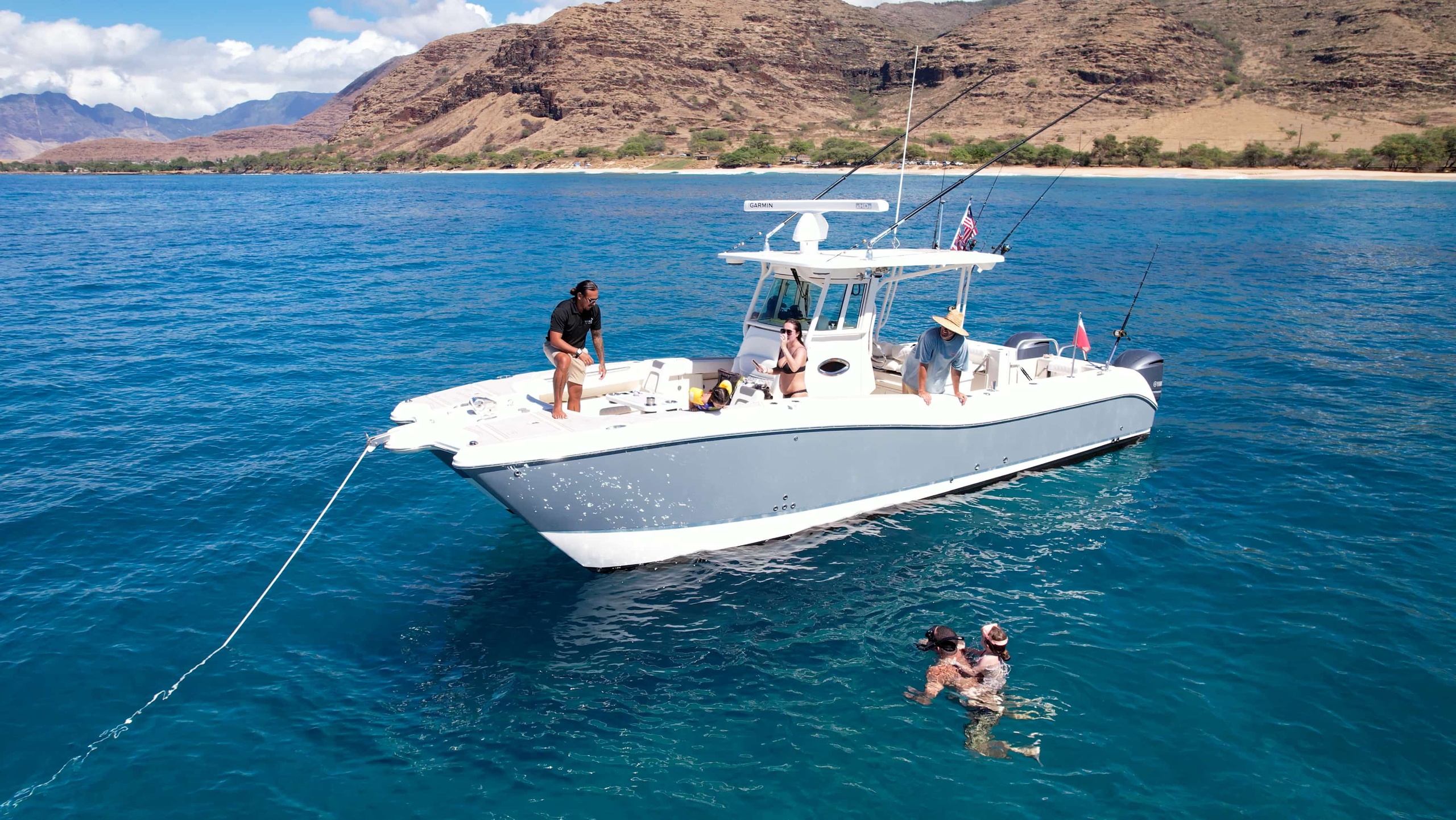
Waianae’s long, wind-swept coastlines and close-to-shore reefs make it one of Oahu’s most rewarding places to take a boat. Rentals range from small skiffs and runabouts for coastal cruising and reef snorkeling to larger center-consoles for fishing and sunset charters. This guide focuses on the practicalities of getting out on the water here—what the sea feels like off the leeward shore, the best seasons for glassy conditions and whale watching, how to plan reef- and wildlife-respectful outings, and which complimentary activities—snorkeling, shore hikes to Kaʻena Point, stand-up paddleboarding—pair naturally with a day afloat.

54
Activities
Mostly year-round; season-dependent conditions
Best Months

Top Boat Rental Trips in Waianae

54 trips • Book with confidence • Instant confirmation

Why Waianae Is a Standout Boat Rental Destination

The Waianae Coast feels unlike the bustle of Honolulu—its shoreline runs long and low, a succession of reefs, coves, and beaches that open onto wide Pacific horizons. Rent a boat here and you trade parking lots for tide-slick lava, traffic for trade-wind sighs, and hotel crowds for a coastline still shaped by island rhythms: fishing kas, small harbors, and the visible outlines of cultural places like Kaʻena Point at the island’s western tip. On clear mornings the water between the reef and the drop-off turns from jade to cobalt; in the shallows, patched reef gardens hide turtles and schools of reef fish. Beyond the reef, bluewater anglers find deep structure and seasonal pelagics, while snorkelers and freedivers favor protected coves and offshore pinnacles.

There’s a pragmatic clarity to boating in Waianae. Distances are close—many of the best fishing grounds and snorkel sites sit within a short run from Waianae Boat Harbor—so day trips are both efficient and flexible. That proximity makes Waianae ideal for a variety of renters: families looking for a calm coastal cruise, anglers chasing bottomfish and tuna, and small groups staging a sunset sail or private snorkeling trip. Local operators and independent renters alike tend to know the coast intimately; hiring someone with local knowledge turns an otherwise ordinary rental into a route of discovery, where you learn where the reef openings are, which coves hold the best visibility, and where monk seals or turtles like to haul out.

Cultural and environmental context is integral here. Kaʻena Point and other coastal areas are culturally significant and, in places, ecologically sensitive. As a renter you’re part of that story—how people move through and steward nearshore waters. Responsible rentals respect no-anchoring zones, reef-safe sunscreen, and the simple rules of approach distances for wildlife. The payoff is not simply better behavior but better experiences: clearer water over healthy reef, calmer anchorages, and more reliable wildlife encounters. Complementary adventures are abundant. Launch a skiff for a morning of shallow-reef snorkeling, then drop a line for an afternoon of bottom fishing. Run your boat to a secluded beach for a short shore hike to a coastal trail. Or, in winter months, turn the lens outward: whales pass south of Oahu and can be encountered on offshore runs—an entirely different way to appreciate the island’s marine life.

Finally, the tactile pleasures of boating on Waianae are immediate and memorable: the smell of salt and broken coral, a breeze warm with trade winds, the vertical drop of the ocean at the reef edge, and the quiet of a west-coast sunset seen from a small vessel. Whether your aim is solitude, fishing, snorkeling, or simply the uncomplicated joy of being on water, Waianae’s leeward coast rewards careful planning and a spirit of respect for land, sea, and local communities.

Efficient access: Many prime snorkel and fishing spots sit within a short run of Waianae Boat Harbor, making full days easy to manage without long transit times.

Marine diversity: Shallow reef gardens, drop-offs, and offshore structure produce a mix of snorkeling and angling opportunities—turtles and reef fish close in, pelagics farther out.

Cultural landscape: Coastal landmarks like Kaʻena Point carry cultural significance and ecological sensitivity; local knowledge helps navigate access and stewardship.

Solitude and sunsets: Compared with windward or metro launch points, Waianae often offers quieter harbors and expansive sunsets visible from the water.

Activity focus: Boat rentals for snorkeling, fishing, cruising, and sunset trips
Primary launch point: Waianae Boat Harbor (regional harbor access varies)
Popular nearby destinations: Kaʻena Point, shallow reef coves, offshore pinnacles
Seasonal highlights: Whale sightings in winter; calmer leeward seas in spring–fall
Local considerations: Respect reef closures and wildlife approach guidelines

Best Time to Visit

Best Months

AprilMayJuneSeptemberOctober

Weather Notes

Waianae sits on Oahu’s leeward side and often enjoys calmer seas and sunnier conditions in spring and fall. Trade winds strengthen in summer and can create choppier surface conditions; winter brings bigger northern swells that can affect exposed launch points. Sea conditions can change quickly—check short-term marine forecasts and local harbor advisories before departing.

Peak Season

Winter months (December–March) see increased marine life activity—most notably whale migration—and can draw more charter interest; summer holidays and weekends bring higher leisure rental demand.

Off-Season Opportunities

Shoulder seasons and weekday winters can offer quieter harbors and lower rental rates. Winter offshore trips can produce dramatic whale encounters but require experienced operators or larger vessels.

Frequently Asked Questions

Do I need a boating license to rent a boat in Waianae?

Requirements vary by operator and vessel size. Many rental companies offer captained charters if you don't have experience; check each operator’s rules and Hawaii State boating regulations before booking.

Are reef and wildlife interactions regulated?

Yes. Avoid stepping on or anchoring on reefs, give turtles and seals plenty of space, and observe posted or operator-advised closures. Confirm local protections and guidelines before visiting sensitive areas like Kaʻena Point.

What sea conditions should I expect and how should I prepare?

Expect trade winds, variable swell, and changing visibility. Bring layered clothing, reef-safe sunscreen, and motion-sickness remedies if you are sensitive. Choose a larger vessel or hire a captain for rougher conditions or offshore trips.

Choose Your Experience Level

Beginner

Calm, short coastal runs inside the reef, sheltered coves for snorkeling, and sunset cruises with a hired captain.

  • Protected bay snorkeling
  • Leisurely afternoon cruise along the coast
  • Sunset or evening harbor cruise with a licensed operator

Intermediate

Half-day runs to nearshore pinnacles, mixed reef-and-dropoff snorkeling, and daytime bottom fishing on moderate swells.

  • Snorkel at offshore reef openings
  • Inshore bottom fishing with basic angling skills
  • Exploration runs to remote beaches with short shore hikes

Advanced

Offshore bluewater fishing, long coastal passages in variable conditions, or self-powered multi-stop itineraries requiring navigation proficiency and safety experience.

  • Bluewater sportfishing trips well beyond the reef
  • Self-navigated, daylong coastal runs in changing winds
  • Trips timed for seasonal whale watching that require rough-sea experience

Insider Tips & Local Knowledge

Check local harbor advisories, hire local captains if unsure, and prioritize reef-friendly behavior.

Book early for weekend or holiday rentals—Waianae’s limited harbor space fills quickly. If you’re new to the area, hire a captain for the first trip; their local knowledge of reef channels and anchorages is invaluable. Carry reef-safe sunscreen and avoid anchoring on live coral—use mooring buoys where available. For wildlife viewing, keep a respectful distance and minimize noise. Finally, plan provisioning in advance: stores and fuel stations are sparse near some launch points, so top up before you arrive.

What to Bring

Essential

  • Personal flotation device (PFD) — bring one per person or confirm the renter provides them
  • Sunscreen labeled 'reef-safe' (zinc oxide or other mineral formulations)
  • Plenty of water and high-energy snacks
  • Hat, polarized sunglasses, and a windproof layer for early mornings or evenings
  • Light footwear that can get wet and protect toes on rocky beaches
  • Local charts or navigation app and a charged phone in a waterproof case

Recommended

  • Snorkel set (mask, snorkel, fins) and a mesh bag for gear
  • Dry bag for electronics and spare clothes
  • Small first-aid kit and seasickness remedies if you’re prone
  • Portable anchor and anchor line if not supplied by the rental
  • Camera with wide-angle or waterproof housing for marine shots

Optional

  • Fishing gear if you plan to fish—confirm local regulations beforehand
  • Binoculars for distant whale or seabird watching
  • Compact cooler for refreshments or to store a catch
  • Light-weight tarp or shade for midday sun protection

Ready for Your Boat Rental Adventure?

Browse 54 verified trips in Waianae with instant booking

Explore Top 15 Waianae, Hawaii Adventures →