
Waialua adventure guide
Find your way into Waialua.
A pocket of old Oʻahu where surf lore and ʻāina (land) stewardship meet endless blue, Waialua is equal parts salt, sky, and local history. The North Shore's calmer western flank gives way to reef-protected bays for snorkeling, SUP, and family paddling; shorelines where surf breaks swell in winter; and launch points for boat tours, sailing charters, and boat rental options that put you on the water at dawn. Divers and scuba enthusiasts find out-of-the-way walls and reef gardens nearby, while photographers and eco-tour operators craft slow, observant itineraries around native seabirds, humpback whales in season, and the green sea turtles that haul out on sandy corners. This guide pulls together the Top 15 activity threads—water activities, boat tour, snorkel, sightseeing tour, surf, scuba, sailing, bus tour, SUP, whale watch, city tour, dolphin encounters, photography tour, eco tour, and boat rental—into a practical plan for travelers who want the kind of days that begin with surf checks and end with tide-lit horizons.
Three ways into the city
Pick a landscape. Build a day around it.
Waialua is less a single destination than a collection of neighboring worlds. Start with the version of the city that matches your pace, then use the ranked guide below to fill in the details.

Begin where the city meets the sea.
Surf breaks, sheltered harbors, whale routes, and long beach paths make the coast LA’s most immediate outdoor playground.
Explore water activities →
Let a local connect the landmarks.
Use a guided city, walking, or sightseeing tour to turn LA’s sprawl into a coherent story.
Explore boat tour →
Ride the coast and the city.
Beach paths, river corridors, e-bikes, and ridge climbs reveal a more connected Los Angeles.
Explore snorkel →Choose your way into Waialua
The top 15 Waialua adventures.
Ranked by the number of currently listed trips. Each panel opens the complete local activity collection.
1Water Activities
Waialua’s coastline is a study in contrasts: placid turquoise coves for snorkeling and SUP in summer, raw, world-class surf on winter swells, and estuarine pockets where birds and brackish water meet the sea. This guide focuses on the water—surfing, snorkeling, paddling, and coastal exploration—and the seasonal rhythms, terrain, access, and local context that shape every outing along this storied stretch of Oʻahu.
Explore water activities →2Boat Tour
Waialua sits on Oʻahu’s less‑visited North Shore, where sugarcane fields meet a jagged coastline and the sea hums with a different rhythm than the surf breaks farther east. Boat tours from Waialua and nearby harbors range from calm coastal cruises and snorkeling floats to wildlife‑focused outings and sunset sails. The experience centers on marine access: kelp forests, coral fringing reefs, seabird colonies near sea cliffs, and seasonal whale passage just offshore. This guide focuses on what to expect on a Waialua boat tour—how the local ocean shapes the itineraries, which seasons favor different experiences, and what to pack and arrange so your time on the water is safe, comfortable, and memorable.
Explore boat tour →3Snorkel
Waialua’s coast is quieter than nearby tourist hubs but no less rich in shallow reefs, tide-pool edges, and short boat runs to clear drop-offs. This guide focuses on snorkel experiences here—where sheltered bays meet surf-sculpted reef, and calm summer seas reveal schools of reef fish, turtles, and living coral close to shore. Expect an approachable mix of shore-entry swims and local boat outings, plus practical notes on currents, tides, and seasonal safety.
Explore snorkel → 4
4Sightseeing Tour
Waialua—anchored on Oahu’s quieter North Shore—rewards slow travel. Sightseeing tours here trade high-speed sightseeing for close-up encounters: shoreline viewpoints, weathered sugar-mill relics, small-town storefronts, and working agricultural sites that reveal the island’s layered past. Tours range from curated walking routes through the historic town to coastal drives and small-group visits to local farms and beaches. Expect short walks, photo stops, and plenty of cultural context woven into easy half-day and full-day itineraries.
Explore sightseeing tour → 5
5Surf
Waialua sits on Oahu’s fabled North Shore where winter swells build into world-class surf and summer settles into gentle walls perfect for learners. This guide focuses on surfing the Waialua corridor—reading reef and sand breaks, timing tides and winds, and pairing sessions with snorkeling, SUP, and coastal hikes for a full island-surf rhythm.
Explore surf →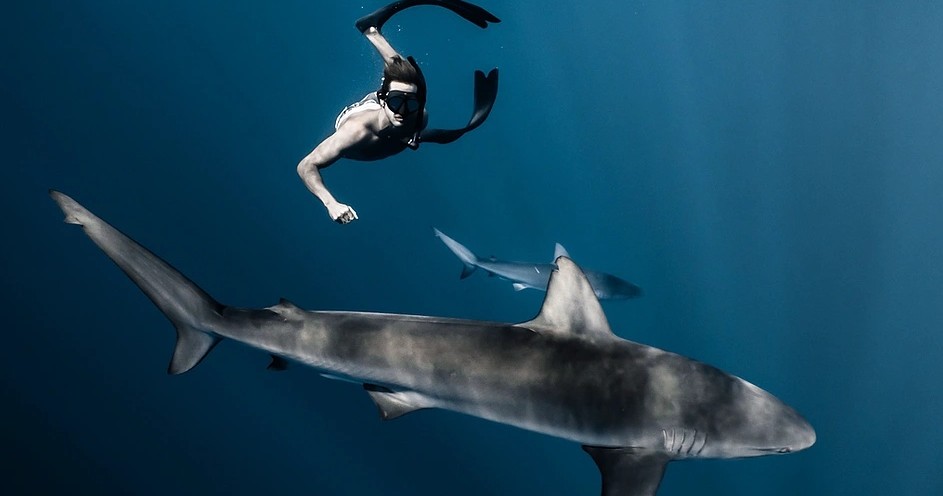 6
6Scuba
Waialua's stretch of North Shore coastline trades the crowded reef experience of south Oʻahu for dramatic lava-formed drop-offs, sheltered coves, and reef gardens that host hawksbill turtles, schooling tropical fish, and seasonal pelagics. This guide focuses on scuba options around Waialua—shore-entry reef dives, boat charters to offshore pinnacles, and specialty experiences suited to both newly certified divers and seasoned technical divers.
Explore scuba →Sailing
Waialua's stretch of the North Shore offers a unique sailing palette: steady trade winds, reef-sheltered anchorages, and dramatic offshore swells that roll long and clean. Whether you're after a lazy sunset cruise off Haleiwa, a snorkel-and-sail to a reef garden, or a bold coastal run toward Kaʻena Point, the sailing here is defined by ocean clarity, cultural shoreline features, and a tight community of local skippers who know how to read Mānoa's moods.
Explore sailing → 8
8Bus Tour
Bus tours in and around Waialua are an invitation to slow travel: cushioned seats, panoramic windows, and a guide who translates the landscape—from cane fields and shoreline cliffs to surf legends and living Hawaiian culture. Whether you want a half-day agricultural tour, a full-day coastal circuit for surf-spot viewing, or a mixed itinerary that pairs scenic drives with short walks and beach stops, bus trips turn the North Shore’s patchwork of farms, beaches, and small-town charisma into an effortless, richly contextualized day out.
Explore bus tour → 9
9SUP
Waialua’s shoreline compresses two faces of Oahu: the glassy, palm-bordered bays that welcome flatwater paddlers in summer, and the raw, world-class swell the North Shore turns on in winter. For stand-up paddleboarding, Waialua is a study in contrasts—quiet, reef-protected flats for exploration and learning; fast, hollow outer reefs for experienced surf-SUP. This guide focuses on reading conditions, choosing the right launch, and planning safe, memorable paddles that make the most of Waialua’s cultural shoreline and marine life.
Explore sup →Whale Watch
Waialua’s coastal line—where reef, swell, and blue water converge—offers some of Oʻahu’s most reliable opportunities to see migrating humpback whales. Whether you choose a guided small-boat trip from Haleiwa, a comfortable catamaran departing nearby harbors, or a patient vantage from the surf-side cliffs and beaches, whale watching here blends high-energy marine theater with North Shore sensibility.
Explore whale watch → 11
11City Tour
Waialua's city tours fold the island’s coastal rhythm, plantation history, and surf-town energy into approachable walks and short drives. These tours favor human-scale discovery—artisanal coffee roasters, reclaimed sugar-mill architecture, shore-facing viewpoints, and quiet side streets where generations of families have woven local stories into the landscape. Whether guided or self-directed, a city tour in Waialua pairs cultural context with outdoor time: a stroll down a shaded sidewalk, a detour to a tidepool, or a short bike ride to a historic plantation site.
Explore city tour → 12
12Dolphin
Waialua's sweeping shoreline and clear, warm waters create one of Oahu's friendliest stages for dolphin encounters. From quiet mornings watching spinner dolphins leap at dawn to guided snorkeling and kayak trips that emphasize respect and distance, this guide focuses on how to find rewarding, low-impact dolphin experiences along the North Shore.
Explore dolphin → 13
13Photography Tour
Waialua’s coastline reads like a photographer’s storyboard: wind-swept shorelines, surf that sculpts light into glass and spray, and inland fields where late-afternoon sun gilds rows of former plantation land. Photography tours here focus on horizon-driven compositions—big skies, tidal foregrounds, and the kinetic poetry of surf. Local guides turn raw locations into reliable opportunities for capturing mood, color, and context, whether you’re chasing barrel light, scanning the reef line for seabirds, or composing a wide-angle landscape with a distant mountain silhouette.
Explore photography tour → 14
14Eco Tour
Waialua's coastline folds the island's ecological story into calm bays, reef gardens, and lowland wetlands. Eco tours here prioritize hands-on stewardship and slow observation—snorkel-guided reef walks, cultural-ecology farm visits, wetland bird surveys, and shoreline restoration outings that reveal how land and sea meet on Oʻahu's quieter North Shore.
Explore eco tour → 15
15Boat Rental
Waialua sits at the briny edge of Oahu’s famed North Shore: a stretch of coastline where reef, swell, and tradewind choreography create a boating playground with clear rules. Boat rentals here unlock access to snorkeling pockets and surf-sheltered coves that are unreachable from shore, plus offshore flats for day fishing and seasonal whale watching. This guide focuses on renting and reliably operating small craft—center consoles, bowriders, and licensed skiff charters—so you can plan conditions-aware days that balance adventure with local stewardship.
Explore boat rental →The city and the sea
Why Waialua Belongs on Your Adventure Shortlist
Variety without surrendering the day to long transfers.
Waialua sits at the quieter western edge of Oʻahu’s famed North Shore, a place where the island's surf mythology is balanced by reef flats, quiet fishing coves, and pockets of agricultural history. Walk through the town and you'll find the ghost of the sugar plantation era in old warehouses and packing sheds, but look seaward and the story is all current and light: turquoise shallows for snorkeling and SUP sessions, offshore reefs that shelter diving sites, and open water that invites sailing, boat tours, and private boat rentals. For photographers, Waialua’s coastline is a study in contrasts—wind-sculpted surf lines in winter, glassy morning bays in summer, and golden hour that softens lava rock and coconut palms alike. The town acts as a hinge between active, crowd-drawing spots like Haleʻiwa and the quieter strands beyond Kaʻena Point, making it an ideal base for mixing guided experiences—eco tours and whale watch trips—with self-directed days on the water or along coastal lanes. Practicality is baked into the place: outfitters and small operators operate seasonally, offering everything from beginner-friendly SUP and snorkel outings to guided scuba and photography tours that lean into the North Shore’s wildlife—dolphins that drop by in calm seas, green sea turtles that graze reef flats, and humpback whales in the winter months. Boat tours and sailing charters often double as sighting platforms and mobile photography blinds; they’re also the gateway to quieter snorkeling spots unreachable from shore. Land-based options are equally varied. Sightseeing tours and bus tours highlight cultural points, local farms, and roadside shrimp trucks, while eco tours focus on restoration projects and native habitats near Kaʻena Point and adjacent coastal reserves. For planners: match the activity to the season. Surf peaks in winter—watch the waves, but seek lessons or guided surf trips if you're new. Snorkel, SUP, and casual sailing are best in the shoulder and summer months when reefs are calmer. Dive operators schedule trips based on visibility and swell; advanced scuba and freediving sessions are typically led by experienced local guides. Boat rental gives you autonomy but requires respect for reef maps, marine protected areas, and local no-approach rules for wildlife. Whatever you choose, pack reef-safe sunscreen, a light wind layer for offshore mornings, and a healthy respect for changing ocean conditions. Waialua is not about one big attraction; it’s a stackable place—combine a morning snorkel, an afternoon photography tour, and an evening shoreline stroll for a day that tastes like the place: quiet, salty, and rich with stories.
Access is straightforward from Honolulu along Farrington Highway; parking at popular boat launches and beach parks fills by mid-morning, so early starts pay off. Outfitters in town and in nearby Haleʻiwa offer gear, lessons, and guided options—book whale watch and boat tours in advance during winter months.
Respect for local culture and the reef matters: use reef-safe sunscreen, do not touch or feed wildlife, and follow guidance from eco tours and park signage. Conservation-minded activities—photography tours with a focus on habitat protection, eco tours that support restoration, and low-impact sailing—are common and easy to find.
Conditions shape the day
The best time to visit Waialua.
Waialua experiences warm tropical weather year-round. Winter brings bigger north swells ideal for surf spectators and experienced surfers; summer and shoulder months offer calmer seas, clearer water for snorkeling, and more predictable conditions for sailing and boat tours.
Best all-around window
Spring + fall
Comfortable mixed-itinerary weather, thinner crowds at beaches and lookouts, and more room to improvise.
Beach season
November–March for surf viewing and winter whale-watch demand—book guided outings and boat tours early.
Surf + whales
Late spring and early fall provide quieter beaches, friendlier conditions for SUP and snorkel, and often better pricing on guided snorkeling, scuba, and sailing excursions.
Coast to inland
Cool marine mornings often give way to warmer inland afternoons and breezy evenings.
Beginner
Gentle shore entries, calm bay paddles, and guided snorkeling make Waialua accessible for newcomers. Many operators tailor lessons for first-time surfers and SUP users.
- Guided snorkel in a reef-protected bay
- Intro SUP lesson and short guided paddle
- Short sightseeing tour of Waialua and Haleʻiwa
Intermediate
Longer SUP routes, off-shore boat-snatched snorkeling, and midday surf sessions in smaller breaks are best for paddlers and surfers with some experience.
- Full-day boat tour that includes snorkeling and coastal sightseeing
- Guided photography tour focusing on coastal wildlife
- Sailing or small-group scuba trips to nearby reef sites
Advanced
Big-wave surf in winter, technical scuba dives, and independent boat rentals for open-water navigation require advanced skills, local knowledge, and proper safety equipment.
- Experienced surf sessions on North Shore winter breaks (with local spot knowledge)
- Advanced scuba dives led by local operators to deeper reefs and walls
- Self-led boat rental for experienced captains following marine charts and protected-area rules
Field kit
What to bring.
Pack for sun, salt water, walking, and a meaningful temperature swing between coast and inland Waialua.
Essential
Start here
- Reef-safe sunscreen and sun protection (hat, UV shirt)
- Swimwear and quick-dry layers
- Light windbreaker for mornings offshore
- Water, snacks, and a small dry bag for electronics
- Water shoes or reef-safe sandals for rocky shore entries
Water days
Keep it dry
- Mask, snorkel, and fins (many rentals available; good to bring your own for hygiene and fit)
- Small waterproof camera or phone in a dry pouch for photography tours
- Reusable water bottle and reef-safe insect repellent
- Light daypack with first-aid basics and blister care
Long days
Stay flexible
- Binoculars for whale watch and birding
- Wetsuit or spring suit for cooler winter dips (if you plan to dive or paddle long sessions)
- Portable power bank for long days on the water
Insider note
Start early, then keep the geography tight.
Start early—parking and beach access fill quickly. Choose outfitters who emphasize small groups and reef-safe practices; many eco tours contribute to local restoration. For surf, watch conditions from shore and take lessons from reputable instructors if you're new. If you rent a boat, bring charts, a VHF or reliable phone, and know the no-approach rules for wildlife—leave space for dolphins and whales and never chase turtles. When photographing wildlife, use a long lens and avoid flash or close approaches. Finally, support local businesses in Haleʻiwa and Waialua for gear, guides, and the kind of regional knowledge that makes a trip safer and richer.
Good to know
Frequently asked questions.
Can I snorkel and SUP directly from Waialua beaches?
Yes—there are reef-protected coves suitable for beginner SUP and snorkel outings, especially in calmer months. Always check local conditions, tide charts, and reef maps; if in doubt, go with a local guide or rental operator.
When is whale-watching season in Waialua?
Humpback whale season on Hawaiian waters generally runs from roughly December through April, with peak sightings in mid-winter. Whale watch boat tours operate during these months; confirm schedules and safety protocols with operators.
Is it safe to drive to nearby Kaʻena Point?
Kaʻena Point has a protected reserve with limited vehicle access; much of it is best experienced on foot via marked trails. Obey signage, respect closures, and consider guided eco tours for the best interpretive experience.
Ready when you are
Find the trip that fits your Waialua day.
Compare bookable experiences across the coast, city, and mountains—then save the ones that belong in your plan.
Explore all Waialua adventures ↗