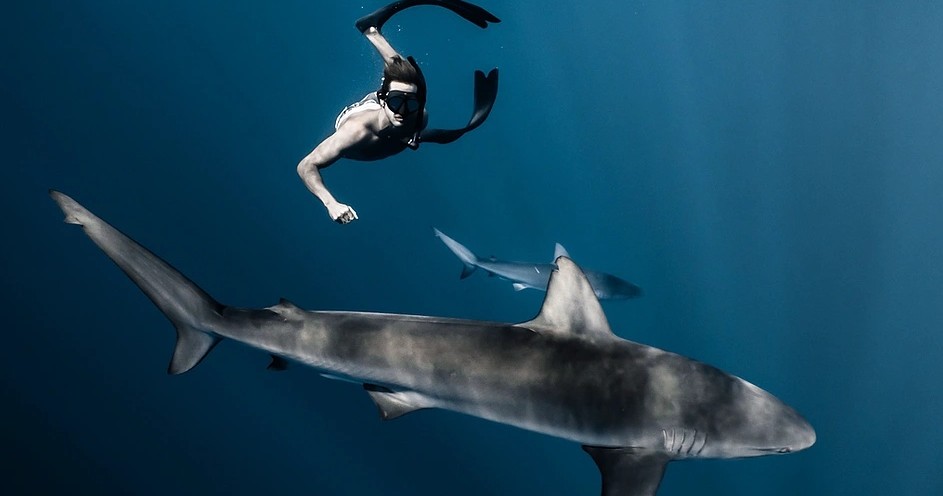
Top Scuba Adventures in Waialua, Hawaii
Waialua's stretch of North Shore coastline trades the crowded reef experience of south Oʻahu for dramatic lava-formed drop-offs, sheltered coves, and reef gardens that host hawksbill turtles, schooling tropical fish, and seasonal pelagics. This guide focuses on scuba options around Waialua—shore-entry reef dives, boat charters to offshore pinnacles, and specialty experiences suited to both newly certified divers and seasoned technical divers.
Top Scuba Trips in Waialua
141 trips • Book with confidence • Instant confirmation
Why Waialua Is a Standout Scuba Destination
Waialua’s coast reads like a geological memoir: hardened lava fingers meet turquoise lagoons, and where rock narrows to a shelf the ocean drops into a marine neighborhood alive with color and motion. Jump beneath the surface and the story changes scale. Close to shore you’ll find reef gardens stitched with hard and soft corals, interspersed with ledges that serve as perches for queen angelfish and rabbitfish. Toward the outer edges, the reef gives way to steep walls and volcanic pinnacles that attract larger visitors—schools of jacks, occasional reef sharks, and in winter months the ghostly silhouettes of migrating humpbacks far offshore. The North Shore’s character is more rugged than the calm resort bays to the south; current, swell, and tidal exchange shape each dive, and those conditions create clarity, nutrient flows, and a diversity of life that rewards site selection and timing.
Scuba in Waialua is compelling because it blends contrasts: accessible shore dives from pocket beaches and the famous coves like Shark’s Cove sit beside boat-access walls and offshore features that require local knowledge to reach. The harbor in Waialua and neighboring launch points support small charter operators who run half-day and full-day trips to quieter sites outside the break zone. For travelers, that means you can plan a relaxed intro dive from a protected cove in the morning and opt for a deeper or drift-style exploration in the afternoon if conditions and crew experience align. The North Shore's seasonal energy also shapes the experience. Summer months typically produce glassy mornings and excellent visibility, ideal for beginners and photographers; winter brings larger surf, frequent north swells, and stronger currents that reduce easy shore access but concentrate pelagic sightings for boat dives. That rhythm—calm, visible summers and dynamic winters—gives Waialua a year-round appeal with clear preferences for planning.
Beyond physics and fauna, scuba here is woven into local stewardship and culture. Hawaiian regulations protect marine life and place strict rules on contact, collection, and gear that interfaces with reefs. Many local operators emphasize reef-safe practices and partner with community groups in reef monitoring and restoration. So a dive in Waialua is as much about observation and respect as it is about adrenaline and discovery. Whether you’re ticking a certification milestone, chasing a rare macro subject, or seeking the quiet thrill of a steep wall in solitude, Waialua offers a compact, memorable palette of dives that scales for novices and veteran divers alike.
Waialua's diving variety is a major draw: sheltered shore entries and tidepool edges for confident beginners contrast with deeper walls, pinnacles, and occasional wrecks for advanced divers.
Seasonality matters: summer (Apr–Oct) provides calmer seas and the best visibility for most shore dives, while winter swells increase risk but can concentrate larger pelagics offshore.
Local operators are small and experienced; they know tides, swell windows, and the micro-sites that change with every swell. Book with a crew that prioritizes safety and reef stewardship.
Best Time to Visit
Best Months
Weather Notes
Trade-wind patterns and north swells shape dive windows. Summers bring calmer seas and higher visibility; winters bring larger surf and stronger currents that may close shore sites but can improve offshore pelagic sightings.
Peak Season
Summer months for calm diving and family-friendly conditions; holiday weekends on Oʻahu increase general visitation.
Off-Season Opportunities
Winter (Nov–Mar) can offer dramatic pelagic encounters on boat dives and fewer onshore divers; operators often time trips for mid-day slack water and protected channels.
Frequently Asked Questions
Do I need a certification to dive in Waialua?
Yes for independent scuba dives. Discover Scuba or introductory programs are available for non-certified guests under professional supervision; certified divers must show their card.
Are shore dives common or do I need a boat?
Both. Many popular sites are accessible from shore with short entries, but several prime walls and pinnacles are only practical by boat—check conditions and operator recommendations.
Is marine life feeding or touching allowed?
No. Hawaii enforces strict protections: do not touch, chase, or feed marine life, and do not collect coral or shells.
Choose Your Experience Level
Beginner
Protected shallow reefs and guided shore entries with mild conditions—ideal for newly certified divers or Discover Scuba participants.
- Guided shore reef dive at a protected cove
- Introductory Discover Scuba session in calm waters
- Photo-friendly shallow reef swim with brief descents
Intermediate
Deeper reef margins, light drift sections, and multi-dive days from small boats—requires comfort with current and basic navigation skills.
- Half-day boat trip to outer reef pinnacles
- Drift-assisted reef wall dives
- Night dives in protected bays (with operator and light)
Advanced
Wall dives, strong-current sites, deeper offshore pinnacles, and specialty dives (nitrox, advanced buoyancy) that benefit from local experience and robust planning.
- Deep wall or pinnacle exploration with experienced charter
- Current-managed drift dives targeting pelagics
- Technical or specialty training sessions (nitrox, deep, and buoyancy workshops)
Insider Tips & Local Knowledge
Prioritize local operators, check daily swell/tide forecasts, and respect reef rules—conditions change quickly on the North Shore.
Book early-morning trips for the calmest sea state and best visibility. Talk to your dive operator about recent site conditions—operators here run small, experienced crews who watch swell windows carefully. Bring your own mask and fins if you can; rental gear quality varies. If shore-diving, wear reef booties and enter at marked or well-used access points to avoid stepping on coral. Consider nitrox for multi-dive days to extend no‑decompression margins. Finally, leave room in your schedule: uncertain surf or weather can reschedule a dive, and having an extra day gives you the best chance to hit the ideal window.
What to Bring
Essential
- Certification card (or proof of completed training for guided dives)
- Dive computer with charged batteries or fresh batteries
- Mask, snorkel, and comfortable fins (rentals available but bring personal fit gear if possible)
- Logbook and emergency contact information
- Reef-safe sunscreen and a wetsuit or exposure protection appropriate for water temperature
Recommended
- Surface signaling device (SMB/DSM B) for open-water or drift dives
- Spare mask and a small repair kit for straps and fin buckles
- Waterproof camera or housing with lanyard for reef photography
- Light jacket or windbreaker for post-dive comfort on exposed boat decks
Optional
- Underwater slate for communication and notes
- Dive torch for crevice work or night dives
- Small personal first-aid kit and seasickness remedies
Ready for Your Scuba Adventure?
Browse 141 verified trips in Waialua with instant booking
Explore Top 15 Waialua, Hawaii Adventures →