
Tres Pinos adventure guide
Find your way into Tres Pinos.
Tucked into the foothills of San Benito County, Tres Pinos is the kind of low-key gateway that rewards travelers who want to trade crowds for clarity. The town itself is a quiet hinge between oak-studded ridgelines and California's coastal valleys; days here can be shaped by pocket paddles at nearby reservoirs, wind-scoured coastline drives, and woodland hikes that end at golden vistas. Use this guide to stitch together short escapes—boat rentals, kayak runs, and wildlife spotting—with deeper, itinerary-ready outings like guided eco tours or a dawn surf session an hour toward the coast.
Three ways into the city
Pick a landscape. Build a day around it.
Tres Pinos is less a single destination than a collection of neighboring worlds. Start with the version of the city that matches your pace, then use the ranked guide below to fill in the details.
Begin where the city meets the sea.
Surf breaks, sheltered harbors, whale routes, and long beach paths make the coast LA’s most immediate outdoor playground.
Explore water activities →Let a local connect the landmarks.
Use a guided city, walking, or sightseeing tour to turn LA’s sprawl into a coherent story.
Explore boat tour →
Ride the coast and the city.
Beach paths, river corridors, e-bikes, and ridge climbs reveal a more connected Los Angeles.
Explore wildlife →Choose your way into Tres
The top 15 Tres Pinos adventures.
Ranked by the number of currently listed trips. Each panel opens the complete local activity collection.
Water Activities
Tres Pinos's water scene is subtle rather than flashy: quiet reservoirs tucked into oak-dotted hills, seasonal creeks that run with winter rain, and shoreline pockets that invite a morning paddle or an afternoon cast. This guide focuses on water-based pursuits you can realistically plan around a rural California day—stand-up paddleboarding across glassy water, kayak loops that thread coves and cattail fringes, family-friendly lake swims, shore fishing for bass and trout, and birding from a boat or the bank. Expect a mix of peaceful solitude, early-morning light, and the practicalities of inland water recreation—variable water levels, limited facilities, and an emphasis on self-sufficiency.
Explore water activities →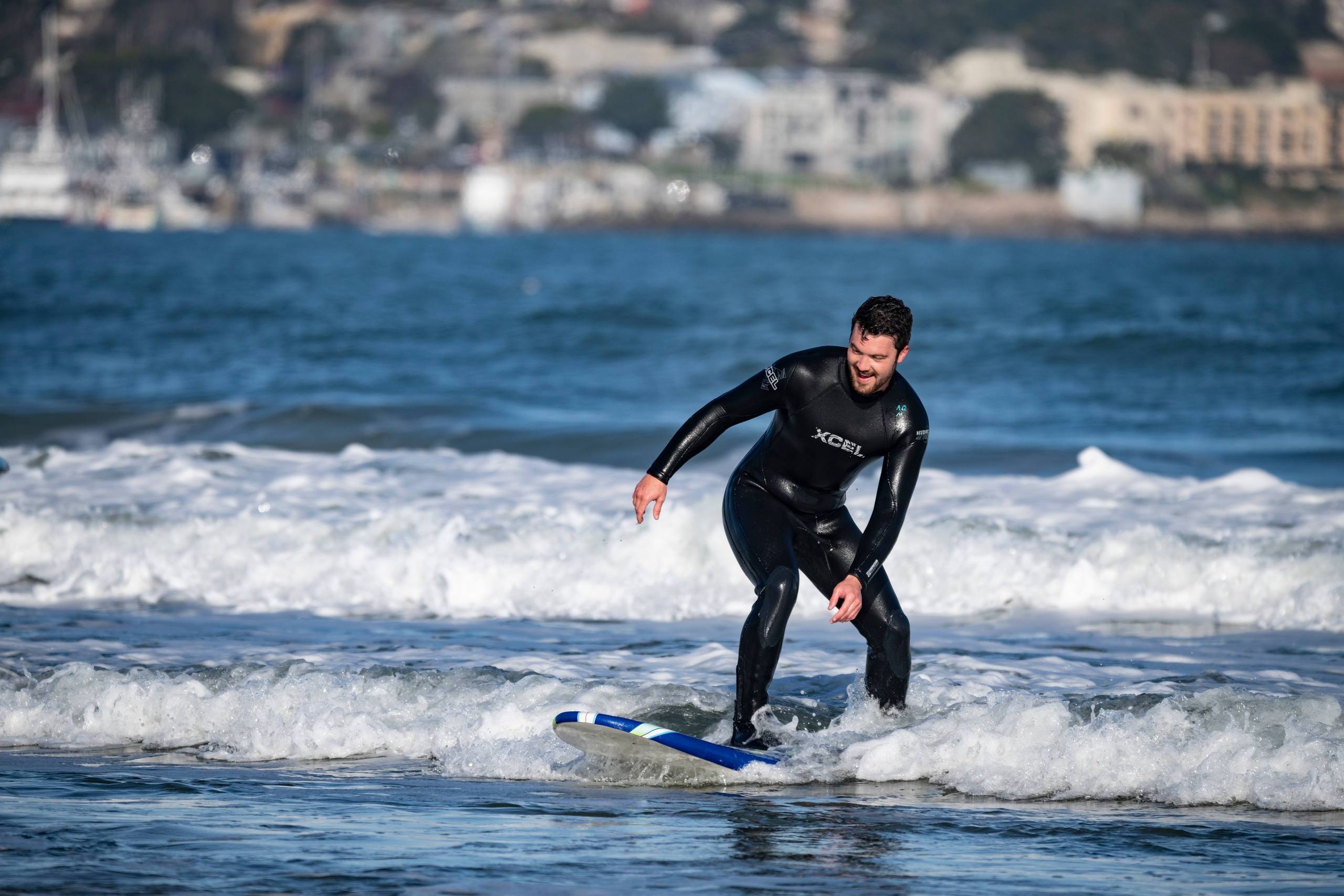 2
2Surf
Tres Pinos is not a beach town, but it makes for an uncommon and appealing base for surfers who want rural calm, lower-cost lodging, and easy access to a string of Central Coast breaks. This guide focuses on planning surf days from an inland starting point—how to choose the right breaks by season and tide, what to bring for day trips, and complementary activities for non-surfers traveling with you.
Explore surf →Boat Tour
Boat tours around Tres Pinos are an exercise in quiet discovery—an inland approach to waterborne exploration where reservoirs, spillways, and slow-moving river corridors replace the ocean's rumble. Expect small-boat charters, guided wildlife cruises, seasonal fishing trips, and rentable pontoons that let you drift beneath wide skies. Given Tres Pinos's inland setting, boat touring here is less about big-deck spectacle and more about intimate encounters with migratory birds, riparian oak-lined shorelines, and the spare beauty of California's interior waters. These outings pair well with hiking at nearby Pinnacles National Park, early-morning birding, and evenings at farm-to-table restaurants in neighboring towns.
Explore boat tour → 4
4Whale Watch
Tres Pinos sits inland, tucked beneath oak-strewn ridges and the shadow of Pinnacles National Park, but it makes a surprisingly practical base for whale watching along the Central California coast. From gentle shore watches on sea cliffs to full-day boat outings into Monterey Bay National Marine Sanctuary, the whale-watching options you can reach from Tres Pinos are diverse: trip planners choose between short drives to shore vantage points and half-day or full-day charters launched from harbors an hour or so away. Expect the stately, shore-hugging migration of gray whales in late winter and spring, lively humpback and blue whale encounters in deeper waters, and a smattering of orca and sperm whale reports when conditions align. This guide is about more than sightings: it lays out where to go from Tres Pinos, how to read the seasonality and sea conditions, what to bring for comfort and photography, and how to pair a whale watch with coastal hikes, tidepooling, and kayaking for a richer coastal loop trip.
Explore whale watch → 5
5Scuba
Tres Pinos sits inland in San Benito County, a quiet agricultural town with surprisingly strong access to two distinct diving worlds: coastal kelp forests, wrecks, and pelagics a drive away on the Monterey coast, and freshwater training and exploratory dives in nearby quarries and reservoirs. This guide organizes the nine best scuba experiences reachable from Tres Pinos, balancing technical adventure, shore and boat options, and training opportunities for every level of diver.
Explore scuba → 6
6Sailing
Sailing around Tres Pinos is an exercise in contrasts: inland waters and managed reservoirs that teach seamanship fundamentals, and nearby coastal gateways that unlock blue-water days on Monterey Bay. This guide stitches together lake-based lessons, local launch logistics, and accessible coastal charters so you can plan everything from a first-time dinghy lesson to a multi-day coastal cruise.
Explore sailing → 7
7Golf
Tucked into the oak-dotted foothills north of the Salinas Valley, Tres Pinos offers an unpretentious, sun-drenched approach to California golf. The scene here favors walkable layouts and respectful pace-of-play over ostentation: short to mid-length courses that reward shot-making, short-game practice areas for dialing in touch, and inland views that shift from wide pasture to low chaparral. This guide collects six accessible golf experiences around Tres Pinos — ideal for day-trippers, weekend road-trippers, and travelers looking to pair tee times with hiking at nearby Pinnacles or tasting local wines. Expect forgiving fairways, reachable par-3s, and a seasonality that makes spring and fall prime windows for golf. Read on for terrain notes, when to visit, what to pack, and practical tips to plan a smooth golf-focused trip in and around Tres Pinos.
Explore golf → 8
8Kayak
Tres Pinos sits at the edge of California’s inland-Central Coast transition: sun-baked valleys, scrubby ridgelines, and a scattering of calm reservoirs and backwaters that make for excellent, low-stress kayaking. This guide focuses on how to find the best paddle corridors near Tres Pinos—ideal for beginner-friendly flatwater loops, wildlife watching, and quick day trips that pair well with hiking, climbing, and wine-country downtime.
Explore kayak → 9
9Boat Rental
Tres Pinos is a low-key launch point for people who want water time without the crowds—quiet reservoirs, sheltered coves, and agricultural waterways sit beneath oak-studded ridges. Boat rentals here lean practical: kayaks and canoes for shoreline exploration, small aluminum fishing boats and pontoons for family outings, and occasional motorized rentals when reservoir conditions permit. This guide compares five local rental experiences, highlights the terrain and seasonal constraints, and offers planning notes for anglers, photographers, families, and travelers seeking a calm day afloat.
Explore boat rental → 10
10Fishing
Tres Pinos sits at the soft edge of California’s coastal foothills, where oak-studded ridgelines give way to small reservoirs, irrigation ponds, and seasonal creeks. For anglers this patchwork landscape delivers approachable water, predictable seasonal windows, and an easy rural pace—perfect for day trips that pair fishing with birding, hiking, or a quiet campfire at dusk.
Explore fishing → 11
11SUP
Nestled inland from the surf and craggy coasts of California’s Central Coast, Tres Pinos unlocks a quieter, surprising world for stand-up paddleboarders: placid reservoirs framed by oak-studded ridges, slow-moving river stretches that collect migrating birds, and easy-access launch points within short drives. This guide collects the best SUP outings reachable from town—short flatwater loops for beginners, wind-sheltered coves for calm cruising, and longer cross-reservoir routes for paddlers craving distance and solitude. Expect variable water levels through the seasons, panoramic views of Pinnacles’ spires on clear days, and the kind of local hospitality that turns a day on the board into a full outdoor escape.
Explore sup →12Wildlife
Nestled between oak-dotted foothills and broad agricultural valleys, Tres Pinos is a quiet lens into Central California's wild heart. Here, wildlife emerges in contrast—the small dramas of riparian corridors and ridgetop thermals, the furtive movement of nocturnal mammals, and the steady procession of migrant songbirds each season. This guide focuses on five accessible ways to meet the area's fauna up close: dawn bird surveys, raptor-watching on ridgelines, wetland and river-edge walks, seasonal nocturnal surveys, and guided photography outings. Expect intimate encounters rather than sweeping herds—Tres Pinos rewards patience, local knowledge, and a willingness to read the landscape: oak savanna, chaparral, seasonal wetlands, and sinuous drainages that funnel life through a mostly agricultural region.
Explore wildlife → 13
13Catamaran
Tres Pinos sits inland but serves as an understated base for catamaran adventure—think coastal day sails, sheltered reservoir runs, and the kind of slow, wind-forward travel that catamarans do best. This guide focuses on how to experience catamaran sailing when Tres Pinos is your home base: where to launch, what to expect from the water, how seasons and weather shape the experience, and practical planning notes for travelers who want to combine land-based adventures with time on the water.
Explore catamaran → 14
14Eco Tour
Tres Pinos is a small inland crossroads where oak-studded ridgelines slope down into riverine valleys and working farms — the kind of place where thoughtful eco tours translate local stewardship into an unforgettable day outdoors. These curated experiences focus on habitat restoration, farm-to-table practices, and low-impact wildlife viewing, pairing close-up nature encounters with tangible conservation context.
Explore eco tour → 15
15Environmental Attraction
Tres Pinos is a low-key hub for environmental attractions where oak-studded hills, seasonal wetlands, and the meandering San Benito River create a concentrated experience of Central California’s working landscape and wildlife. This guide focuses on the natural features—wetland pulses, grassland-balds, and riparian stretches—that reward short walks, birding sessions, and contemplative outdoor time, while pointing to nearby hikes and cultural stops that round out a responsible day in the field.
Explore environmental attraction →The city and the sea
Why Tres Pinos Belongs on Your Adventure Shortlist
Variety without surrendering the day to long transfers.
Tres Pinos arrives like a soft exhale after a long stretch of highway: small, honest, and oriented toward the land. What it lacks in tourist fanfare it makes up for in access—access to quiet reservoirs where kayaks and SUP boards slip across glassy mornings, access to regional boat rentals that let anglers and families set their own pace, and access to an ecological web that ties inland chaparral to coastal currents. Here, a single day can hold a sunrise paddle, a mid-morning birding stop for raptors and shorebirds, and an afternoon spent charting a local eco tour that puts emphasis on fisheries, wetlands, and the seasonal surge of wildlife. The catalog of options—Water Activities, Surf, Boat Tour, Whale Watch, Scuba, Sailing, Golf, Kayak, Boat Rental, Fishing, SUP, Wildlife, Catamaran, Eco Tour, Environmental Attraction—reads like an invitation to customize: a gentle SUP lesson for beginners, a catamaran or sailing day for people who want breezes and horizon time, or a focused whale-watch leg for those timed to migration windows. You’ll find the tempo here is forgiving. Outfitters in and around Tres Pinos favor practical, small-group offerings rather than mass-market boat tours, meaning you’ll often work directly with local skippers and guides who know where the fish are, which coves hold the calmest paddle routes, and where water conditions favor snorkel or scuba. The landscape stacks well for mixed days: early fitness-focused hikes in the Gavilan foothills, a lakeside picnic, and a late-afternoon fishing session before light softens. For families and mixed-ability groups, boat rentals and gentle kayak routes create flexible options—take a half-day and return when the light is right; for specialists, guided diving and seasonal whale watch departures anchor the calendar with bucket-list potential. Practicalities tilt in the traveler’s favor. Tres Pinos is a compact base with nearby fuel, supply stops, and a handful of casual eateries that tastefully bridge country hospitality and outdoor practicality. Weather tends to be Mediterranean—mild winters, warm summers, and shoulder-season days that reward early starts and late light. Because the area connects inland trails to coastal ecosystems, it’s particularly rewarding to think across environments: one morning in the freshwater quiet of a reservoir, an afternoon matching wind and swell at a coastal surf break, and an evening spent on a slow eco walk where interpretive guides unpack the human stories behind tidal marsh restoration and regional fisheries. The result is a short-escape destination with depth: not flashy, but richly connective—perfect for anyone who prefers thoughtfully curated activity over a checklist of selfie stops.
Practical access to both inland lakes and the greater coastal network makes Tres Pinos an efficient hub. Outfitters here often coordinate with regional marinas and eco-tour operators so you can mix a kayak morning with an afternoon whale watch or a sunset sail without reworking your whole day.
Because many offerings are seasonal—scuba charters and whale-watch windows in particular—book guided trips for those experiences early. For solo or small-group paddles and casual fishing, check local launch rules and water-level reports; outfitters can usually advise same-day options when conditions shift.
Conditions shape the day
The best time to visit Tres Pinos.
Spring and fall deliver mild temperatures, stable water conditions, and good visibility for scuba and wildlife viewing; summers bring warmer inland heat and reliable coastal swell for surf and sailing; winters are quieter with intermittent rain—check reservoir and river conditions before paddling.
Best all-around window
Spring + fall
Comfortable mixed-itinerary weather, thinner crowds at beaches and lookouts, and more room to improvise.
Beach season
Late spring through early fall for warm-water activities and sailing; book whale-watch and scuba charters in peak marine seasons.
Surf + whales
Late fall and winter weekdays offer quieter trails and value-oriented rates on guided trips.
Coast to inland
Cool marine mornings often give way to warmer inland afternoons and breezy evenings.
Beginner
Short, supervised paddles, calm-water boat rentals, introductory SUP lessons, and easy wildlife walks.
- Guided half-day kayak on a local reservoir
- Intro SUP lesson in a sheltered cove
- Short eco walk at a nearby environmental attraction
Intermediate
Longer flatwater paddles, shoreline fishing trips, basic coastal sailing, and longer hikes with modest elevation gain.
- Full-day kayak tour combining estuary and open-coast sections
- Boat rental for a self-guided fish-and-sightseeing day
- Guided eco tour focusing on wetlands and wildlife viewing
Advanced
Offshore sailing or catamaran charters, organized whale-watch photography trips, technical scuba dives, and multi-segment expeditions requiring planning and local knowledge.
- Day-long catamaran or sailing charter for offshore conditions
- Scuba charter to regional kelp beds or deeper sites
- Guided whale-watch with photo-focused itinerary
Field kit
What to bring.
Pack for sun, salt water, walking, and a meaningful temperature swing between coast and inland Tres.
Essential
Start here
- Waterproof daypack and water bottle
- Layered sun protection (wide-brim hat, SPF 30+, sunglasses)
- Quick-dry clothing and a light windbreaker
- Footwear that can get wet (water shoes or sandals) for boat and kayak days
- Basic first-aid kit and personal flotation device if not provided by outfitter
Water days
Keep it dry
- Dry bag for electronics and extra layers
- Binoculars for wildlife and whale-watch viewing
- Light camera or action cam with float tether
- Reef-safe sunscreen and reef booties for shore snorkeling or scuba
Long days
Stay flexible
- Compact fishing kit (if planning to fish—check local regulations)
- Portable snacks or picnic kit for half-day rentals
- Portable charger for long-day excursions
Insider note
Start early, then keep the geography tight.
Book specialty outings—scuba charters, seasonal whale watches, and catamaran departures—well in advance during spring and summer. For flexible days, reserve kayak or boat rentals the morning of your trip when possible; smaller operators are often willing to advise same-day options based on wind and water levels. Start mornings early for calmer water on paddles and better light for wildlife viewing. If you’re mixing inland hikes with coastal activities, plan for temperature layers and allow transit time: inland trails can be notably warmer and drier than coastal launch points. Respect local environmental attractions—stay on marked trails near sensitive wetlands, use reef-safe sunscreen when swimming or diving, and pack out what you pack in.
Good to know
Frequently asked questions.
Can I do most activities without a guide?
Yes for many low-risk activities like basic kayaking, SUP, and short hikes. For scuba, whale watch, open-water sailing, or unfamiliar boat rental operations, a guided option is recommended for safety and local knowledge.
Are there family-friendly options?
Absolutely—boat rentals, gentle kayak routes, family SUP lessons, and guided eco tours are well-suited to mixed groups. Confirm age and weight limits with outfitters before booking.
Do I need permits for fishing or launching boats?
Yes—state fishing licenses and launch permits may be required depending on location. Check California Department of Fish and Wildlife regulations and local marina rules before heading out.
Ready when you are
Find the trip that fits your Tres Pinos day.
Compare bookable experiences across the coast, city, and mountains—then save the ones that belong in your plan.
Explore all Tres Pinos adventures ↗