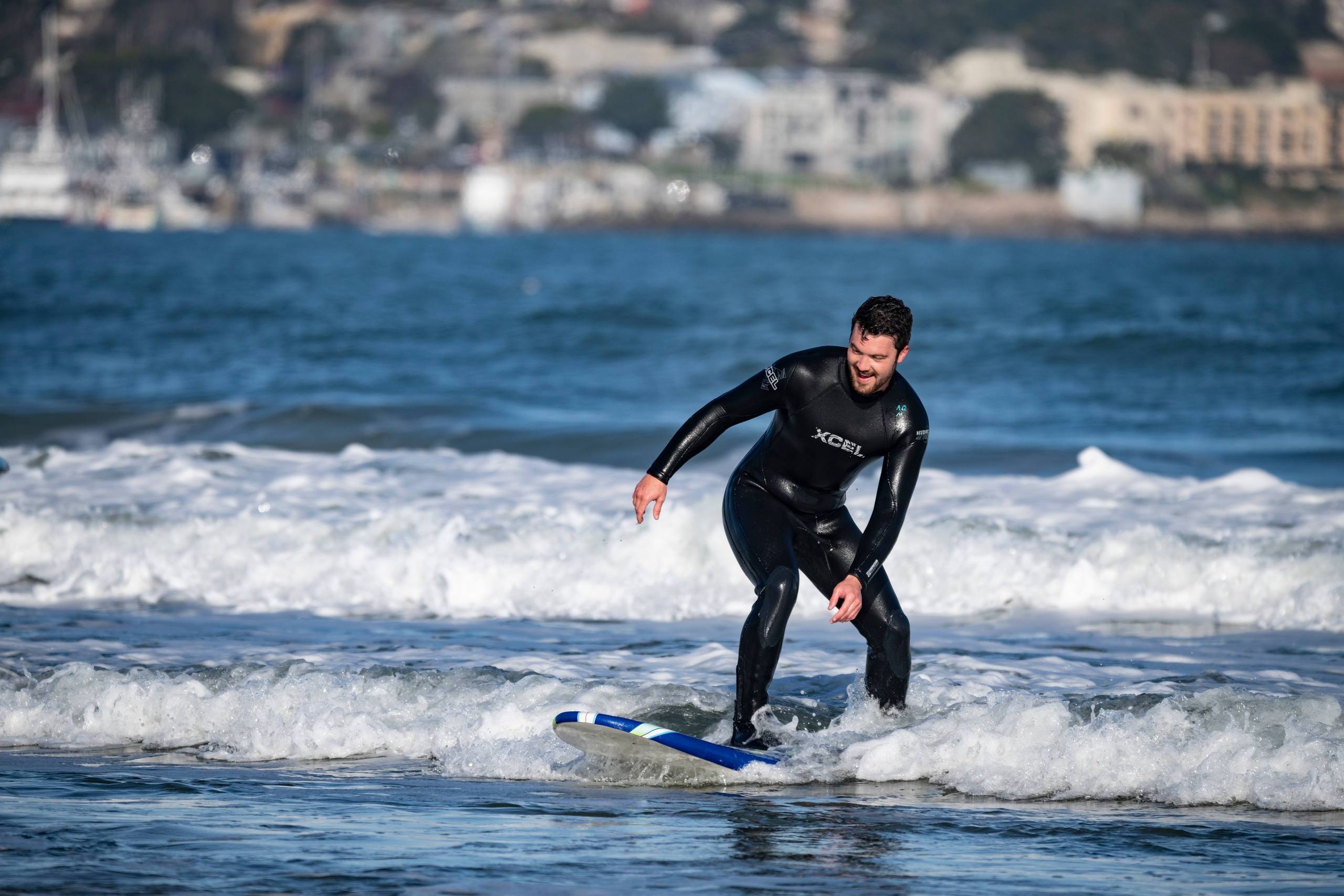
Surfing Near Tres Pinos, California

Tres Pinos, California

Tres Pinos is not a beach town, but it makes for an uncommon and appealing base for surfers who want rural calm, lower-cost lodging, and easy access to a string of Central Coast breaks. This guide focuses on planning surf days from an inland starting point—how to choose the right breaks by season and tide, what to bring for day trips, and complementary activities for non-surfers traveling with you.

21
Activities
Best surf season: Fall–Spring (Oct–Apr)
Best Months

Top Surf Trips in Tres Pinos

21 trips • Book with confidence • Instant confirmation

Why Tres Pinos Works as a Surf Gateway

There’s a pleasing contradiction to surfing from a town like Tres Pinos. The place itself is oak-dotted and inland—rolling ranchlands, quiet back roads, and a slower pulse than the churning sea. Yet that distance becomes an asset: you wake to farmland light, pack the truck, and trade wide-open skies for the narrow, wind-scoured beaches of the Central Coast. For surfers who prize solitude at their lodgings and the option to chase a swell across several distinct coastlines in one day, Tres Pinos serves as a practical, character-rich home base.

From here the coast is reachable as a deliberate outing rather than an impulse. That changes how you plan. You start watching swell models the night before, considering tide windows and wind forecasts for Santa Cruz, Half Moon Bay, and Monterey Bay. You think in day trips: an early session at a sheltered beach break while the onshore breeze is still shy, a mid-morning coffee on a coastal main street, and a late-afternoon recon of a point break when the swell organizes. The inland-to-coast rhythm lets you combine surf with other pleasures—farm-to-table breakfasts, vineyard detours, and quiet hikes through lowland chaparral—so your trip feels like a curated collection of moments rather than a single-minded sprint to endless waves.

Culturally, the region gives you access to rich surf histories without the constant crowds of a surf town. Santa Cruz and Monterey carry generations of surf culture—board builders, long-running surf schools, and storied breaks—while Half Moon Bay offers heavy-water experiences closer to the storm tracks. Learning to read how each spot responds to swell direction and tidal change is part of the reward: on any given swell you might opt for a mellow beach break for a lesson, a rippable sandbar when the swell is small and clean, or a more serious reef or point when the ocean is pushing. Because you’ll be commuting to the coast, planning becomes practical: pack the right wetsuit, carry a tow strap and roof racks that lock, and leave plenty of time for tide checks and parking logistics. The payoff is surf days that balance intent with the relaxed pace of inland life—early surf sessions followed by long lunches, quiet evenings, and the chance to sleep off salt and sun under a canopy of inland stars.

Tres Pinos is best thought of as a strategic base camp: peaceful nights, easier parking for vehicles with boards, and access to multiple surf microclimates within a manageable drive.

Nearby coastal hubs—Santa Cruz, Monterey Bay, and Half Moon Bay—offer a range of waves from beginner-friendly beach breaks to serious point and reef exposures that respond to winter storms.

Seasonality matters: fall and winter bring the more consistent, powerful swells; summer and early fall can offer cleaner, smaller sessions suitable for learners and longboarders.

Complementary experiences include coastal wildlife viewing, tidepooling on protected shores, vineyard visits, and inland trail runs that help balance surf-focused days.

Primary activity: Surfing (using Tres Pinos as a nearby base)
Closest surf regions: Monterey Bay, Santa Cruz Coast, Half Moon Bay
Number of matching surf-focused adventures from this base: 21
Best swell season: Fall–Spring storm windows; summer offers smaller, cleaner conditions
Expect to drive to the coast—treat surf days as planned excursions, not walkouts from town

Best Time to Visit

Best Months

OctoberNovemberDecemberJanuaryFebruaryMarchApril

Weather Notes

Northern California surf is driven by Pacific storm systems: fall through early spring tends to bring the most consistent swell and bigger waves. Summer often produces smaller, cleaner surf with lighter winds in the morning. Coastal fog and wind can be sweeping—mornings are usually glassier and afternoons can see an onshore breeze.

Peak Season

Winter storm season (roughly Nov–Mar) brings the most consistent swell and can draw larger crowds at marquee breaks.

Off-Season Opportunities

Late spring and summer offer mellow conditions ideal for lessons, longboarding, and sheltered bays. Off-season travel can also mean quieter coastal parking and better chances for mixed-activity days (surf plus biking or wine tasting).

Frequently Asked Questions

Is there surf in Tres Pinos itself?

No. Tres Pinos is inland. Surfing requires a drive to the coast—plan surf days as excursions to Monterey Bay, Santa Cruz, Half Moon Bay, or other Central Coast spots.

Where are the closest reliable breaks?

The Monterey Bay and Santa Cruz coasts are the most commonly referenced nearby regions, with Half Moon Bay offering additional heavy-water options. Choose your destination based on swell direction, tide, and wind forecasts.

Can I rent boards and get lessons nearby?

Yes. Coastal towns in the region have surf shops that offer rentals, lessons, and local advice. If you plan to base in Tres Pinos, map shops and lesson providers before you go so you can coordinate pickup or meet your instructor at the beach.

Choose Your Experience Level

Beginner

Suits travelers learning to surf or preferring forgiving waves. Seek out sandy, sheltered beach breaks on smaller swells and take lessons in supervised conditions.

  • Beginner group lesson at a protected beach break
  • Mellow longboard session in a sheltered bay
  • Tidepool and beach orientation morning with a local instructor

Intermediate

For surfers comfortable in variable conditions—readily navigating shorebreaks, rips, and expanding to point breaks when swell allows. You’ll be choosing surf spots based on swell direction and tide.

  • Mid-sized beach or sandbar session at Monterey Bay
  • Exploratory runs along several coastal breaks to find the cleanest conditions
  • Afternoon surf followed by a coastal hike or wildlife-viewing stop

Advanced

Experienced surfers targeting reef and point breaks that may demand precise timing, strong paddling, and local knowledge. Expect heavier water in winter storm windows and selective lineups.

  • Big-swell sessions at exposed points or reef breaks (check local forecasts and hazards)
  • Scouting alternate exposures based on swell direction and tide
  • Full-day surf safaris to multiple breaks to match wind and swell

Insider Tips & Local Knowledge

Treat surf days from Tres Pinos as tactical trips: plan, check forecasts, and give yourself extra time for coastal parking and tide access.

Start your surf day early—coastal winds usually build midday. Check swell direction and tide windows the night before and prioritize sheltered breaks on windy days. Respect local lineups and marine protected areas; many beaches have sensitive intertidal zones and wildlife closures. If you don’t want to haul boards daily, arrange rentals or drop a board at a trusted shop in advance. Combine surf sessions with quieter inland activities—vineyards, farm stands, or short trails—so non-surfers in your group enjoy the trip as much as you do. Finally, keep a flexible plan: the Central Coast can offer surf somewhere, but which spot works best will depend on the day’s swell, wind, and tide.

What to Bring

Essential

  • Surfboard(s) suited to expected conditions; bring a quiver if you can
  • Wetsuit appropriate for Northern California (layers for colder water)
  • Leash, wax, traction pad, and a board bag or secure roof racks
  • Tide chart and a reliable swell/wind forecast app
  • Waterproof bag for keys, phone, and a lightweight change towel

Recommended

  • Roof racks or secure straps and a locking system for boards
  • Spare fin set and repair kit (dings happen on rocky beaches and reefs)
  • Booties and thicker wetsuit options for colder months
  • Daypack with layers, snacks, hydration, and a basic first-aid kit

Optional

  • Small cooler for post-surf picnic
  • Camera or action cam with waterproof housing
  • Guidebook or list of local surf shops and rental options
  • Binoculars for checking distant sets and coastal wildlife

Ready for Your Surf Adventure?

Browse 21 verified trips in Tres Pinos with instant booking

Explore Top 15 Tres Pinos, California Adventures →