
Treasure Island adventure guide
Find your way into Treasure Island.
A slim barrier island threaded with sugar-sand beaches and low-slung palm canopies, Treasure Island is where saltwind mornings become slow, sun-glazed afternoons. The place earns its name with easy access to boating and water activities that run from calm flatwater paddles to wind-scattered sailing afternoons. Rent a boat or hop a boat tour from John's Pass for dolphin watching and sunset runs; launch a kayak or SUP for private coves and mangrove labyrinths; or plug into a jet ski rental for a faster coastal thrill. This guide balances imagination with logistics—what to bring, when to go, and how to stack boat rental, fishing, snorkeling, and eco tour options into a day that fits your energy and experience level.
Three ways into the city
Pick a landscape. Build a day around it.
Treasure Island is less a single destination than a collection of neighboring worlds. Start with the version of the city that matches your pace, then use the ranked guide below to fill in the details.

Begin where the city meets the sea.
Surf breaks, sheltered harbors, whale routes, and long beach paths make the coast LA’s most immediate outdoor playground.
Explore boat tour →
Let a local connect the landmarks.
Use a guided city, walking, or sightseeing tour to turn LA’s sprawl into a coherent story.
Explore sightseeing tour →
Ride the coast and the city.
Beach paths, river corridors, e-bikes, and ridge climbs reveal a more connected Los Angeles.
Explore bike rental →Choose your way into Treasure
The top 15 Treasure Island adventures.
Ranked by the number of currently listed trips. Each panel opens the complete local activity collection.
1Boat Tour
Treasure Island is a small, sun-drenched barrier island that reads like a promise on the water: shallow sandbars to explore, broad Gulf sunsets, and a string of boat tours that connect you to dolphins, seagrass flats, and historic coastal outposts. This guide focuses on boat-based experiences—dolphin and wildlife cruises, sandbar and shelling trips, sunset sails, and private charters—offering practical planning tips and local context so you can pick the trip that matches your pace and curiosity.
Explore boat tour → 2
2Water Activities
Nestled on a thin barrier island between the warm sweep of the Gulf and the sheltered flats of Boca Ciega Bay, Treasure Island is a compact playground for water lovers. From sugar-white beaches and gentle Gulf swells to calm bay paddles, the area supports a wide range of activities: stand-up paddleboarding, shallow-water kayaking, inshore fishing, jet-skiing, boating and sunset cruises, and easy snorkel or reef exploration around seasonal sandbars. Short drives connect you to full-day charters, shelling beaches, and protected estuaries for birding and eco-tours.
Explore water activities → 3
3Boat Rental
Treasure Island’s low-slung beaches and sheltered backwaters make it a natural launching point for boat rentals—from nimble skiffs to spacious, captain-led charters. Whether you’re chasing a quiet morning of flats fishing, a high-sun run to shell-strewn sandbars, or a slow twilight cruise to watch the sky melt into the Gulf, renting a boat here is as much about rhythm (tides and wind) as it is about the horizon.
Explore boat rental → 4
4Kayak
Treasure Island stretches narrow and inviting between the open Gulf and the sheltered waters of the bay—an ideal playground for kayakers seeking calm flats, mangrove tunnels, and short open-water runs with wide horizon views. Whether you chase quiet shelling flats at low tide, paddle through labyrinthine mangroves, or time a sunset run with dolphins, kayaking here is as much about rhythm and light as it is about technique.
Explore kayak →5Sightseeing Tour
Treasure Island is a compact, sunlit barrier island where sightseeing tours meet easygoing beach life. Days here are paced by salt breezes, shallow turquoise water, and a coastline that rewards both slow exploration and energetic outings. Whether you glide past low dunes on a sunset cruise, paddle through mangrove canals, or take a narrated trolley loop that ties together waterfront history and seafood culture, the island’s sightseeing options are built around water, wildlife, and shoreline living. The best tours reveal how a small Gulf island fits into a larger coastal system—its bird populations, shelling beaches, and neighboring fishing villages—and they pair natural observation with the simple pleasures of warm sand and wide skies.
Explore sightseeing tour → 6
6Fishing
Treasure Island is a compact, salt-splashed playground where surf, flats, and nearshore structure converge into one of Florida’s most diverse fishing canvases. Expect sight-casting for redfish along shallow sandbars, late-afternoon tarpon shows, and short runs to productive nearshore wrecks and reefs. Whether you prefer a rod from the beach, a flats skiff guided by a local pro, or a multi-species offshore day, Treasure Island’s fishing is defined by accessibility, variety, and a steady pulse of migratory and resident gamefish.
Explore fishing →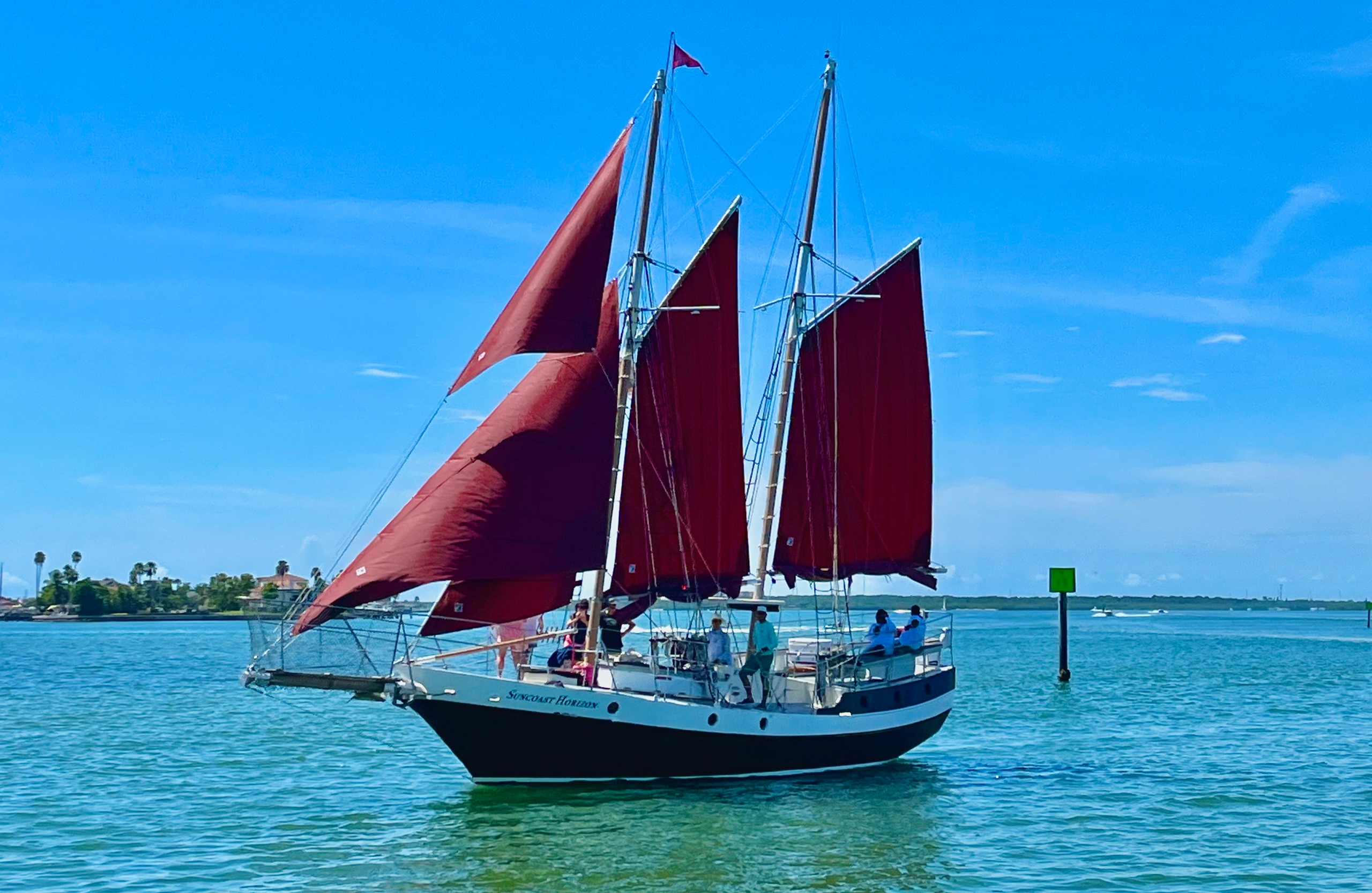 7
7Dolphin
Treasure Island’s shallow Gulf flats and protected bays make it one of the most approachable places on Florida’s Gulf coast to encounter wild bottlenose dolphins. From glassy-morning eco-cruises and kayaks that slip into dolphin playgrounds toshoreline watches and small-group photo charters, the town offers a spectrum of dolphin-focused experiences built around ethics, safety, and spectacle.
Explore dolphin → 8
8Sailing
Treasure Island is a compact, sun-washed launching point for short coastal sails, breezy afternoon bay runs, and glassy sunset cruises. With shallow bays, barrier islands, and quick access to the Gulf, the area suits first-time sailors, families chartering a dayboat, and skippers looking for calm training ground before longer coastal passages. Expect low-swell days and warm water, punctuated by afternoon seabreezes and seasonal weather systems.
Explore sailing →9Bike Rental
Treasure Island's compact, flat streets and shimmering Gulf shoreline make it an ideal place to trade engine noise for spokes. Bike rentals here run the gamut from classic cruiser bikes for sunset rides along the beach to e-bikes for longer loop explorations. This guide focuses on the on-the-ground experience of renting and riding on Treasure Island—what the terrain feels like, when to go, how to choose the right rental, and nearby routes and activities that pair naturally with two wheels.
Explore bike rental → 10
10City Tour
Treasure Island condenses the Gulf Coast into a walkable palette of salt air, pastel storefronts, and long, low horizons. City tours here blend shoreline promenades, small-town maritime culture, and easy access to boat-based excursions—perfect for travelers who want an urban coastal day with plenty of outdoor time.
Explore city tour → 11
11Snorkel
Treasure Island condenses Gulf Coast snorkeling into approachable shore entries, shallow reefs, and long seagrass flats teeming with small fish, rays, and juveniles. Expect easy beach access for first-timers, a handful of popular boat-access sites for clearer water and structure, and a coastal scene that pairs surfside relaxation with quietly productive marine habitat. This guide focuses on what to expect in the water, how to plan trips across seasons and tides, and practical details that help you choose between a casual shore snorkel and a guided reef run.
Explore snorkel → 12
12SUP
Treasure Island compresses quintessential Florida paddling into a few square miles: broad, forgiving Gulf flats for open-water cruising; calm, mangrove-edged bays for exploratory touring; and a handful of lively passes and inlets where tidal flow adds challenge and speed. This guide is built for SUP travelers who want to paddle with purpose—learn where to go for glassy sunrise laps, sheltered family-friendly outings, and whitecap-hunting sessions when the wind picks up.
Explore sup → 13
13Wildlife
A narrow barrier island hugging the Gulf coast, Treasure Island is a compact wildlife stage where shorebirds, dolphins, manatees, and sea turtles play out daily. This guide focuses on wildlife-focused outings—shoreline birding, estuary kayak tours, and low-key boat trips—that let travelers experience Florida’s coastal ecosystems with minimal travel time and maximum payoff.
Explore wildlife → 14
14Eco Tour
Treasure Island’s eco tours are compact lessons in coastal ecology: low dunes, whispering mangroves, shallow seagrass flats, and the broad, changeable Gulf. Operators here specialize in small-group kayak and paddleboard trips through protected waterways, boat-based wildlife cruises that skirt dune-backed shorelines, and snorkeling/interpretive outings in calm, shallow water. This guide focuses on those experiences—how to read tides, where wildlife concentrates, when tours shine, and how to choose an operator that balances adventure with conservation.
Explore eco tour → 15
15Jet Ski Rental
Treasure Island unwraps like a ribbon of sand and sun along the Tampa Bay coast, and from the handlebars of a rented jet ski it becomes an immediate, kinetic study in salt, spray, and easy horizon. Rentals here put you between the calm bays and the broader Gulf swells—perfect for quick thrill runs, slow coastal cruises, and sunset loops past low-profile barrier islands and hidden sandbars. This guide focuses on where to rent, when to ride, what to expect on the water, and how to pair a jet-ski day with fishing, paddleboarding, or a sunset beach picnic.
Explore jet ski rental →The city and the sea
Why Treasure Island Belongs on Your Adventure Shortlist
Variety without surrendering the day to long transfers.
Treasure Island is compact in footprint but wide in option: morning kayak loops through glassy inlets, midday boat rental jaunts to hidden sandbars, and evening boat tours that thread low sun and frolicking dolphins. The island's geography—a narrow spit facing the Gulf with wide passes on either side—creates an accessible palette for every water activity. You can pin a full day to the water without the logistics headache: local outfitters at John's Pass and along Gulf Boulevard keep kayaks, SUPs, sail charters, and jet ski rentals on quick standby. That proximity makes it possible to blend a sightseeing tour with a fishing trip, or to follow a family-friendly snorkel stop with a relaxed beach picnic. The island is equally hospitable to solo explorers and groups. If you're craving quiet, slide out at first light on a SUP to find glasslike flats and early-rising birdlife; if you want a social outing, a midafternoon sailing cruise or a popular jet ski route provides that energetic, sun-drenched scene. Culturally, Treasure Island leans Old Florida: low-rise motels, seafood shacks with neon signs, and a boardwalk energy concentrated around John's Pass Village. But beneath that relaxed facade is a practical outdoor infrastructure—charters and outfitters that know the currents, guides who run eco tours through mangrove corridors, and knowledgeable captains who point out local wildlife and the best snorkeling pockets. Fishing is a local rhythm here, from light-tackle inshore trips that target snook and redfish to deeper-water charters for grouper and snapper; many anglers pair a morning fish with an afternoon beach unwind. For wildlife lovers, dolphin pods are a near-daily sighting on boat tours, and shorebird flocks populate the quieter stretches of beach and the nearby protected parks. Even as tourism pulses in peak months, the island's layout and abundance of water-based activities—boat tour, boat rental, kayak, SUP, snorkel, sailing, jet ski rental—let you find your pace. Practical note: tidal windows and afternoon seabreezes shape good plans. Mornings are great for calm paddles and snorkeling; later in the day the breeze picks up, favoring sailing and brisk sightseeing tours. That simple rhythm—paddle at dawn, cruise at midday, watch the light at sunset—keeps Treasure Island feeling both immediate and effortless.
Access and convenience are core strengths. Outfitters line John's Pass and Gulf Boulevard; many will shuttle gear, brief novices on safety, and tailor routes for families or experienced paddlers. Combine a half-day boat rental with a guided eco tour to learn local currents and wildlife hotspots without the guesswork.
Treasure Island pairs well with short regional hops: Fort De Soto State Park, a quick ferry or drive away, expands options with multi-mile trails, a famed dog beach, and sheltered paddling. Use Treasure Island as a base for multi-day coastal exploration—each day can feel fresh by simply switching the craft: kayak, SUP, sailboat, or a rented bay boat for fishing.
Conditions shape the day
The best time to visit Treasure Island.
Spring and late fall offer warm, comfortable beach days with lower humidity. Summers are hot and humid with frequent afternoon thunderstorms; tropical systems are possible in hurricane season (June–November). Mornings are generally calmer for paddling and snorkeling, while afternoons bring steadier onshore breezes that favor sailing and powered-craft activities.
Best all-around window
Spring + fall
Comfortable mixed-itinerary weather, thinner crowds at beaches and lookouts, and more room to improvise.
Beach season
Spring break and summer months draw the largest crowds—book popular boat tours, rentals, and lodging in advance.
Surf + whales
Late fall through early spring brings fewer crowds and better rates; water temperatures remain mild for many visitors, and wildlife viewing can be excellent.
Coast to inland
Cool marine mornings often give way to warmer inland afternoons and breezy evenings.
Beginner
Short, guided outings and rentals let newcomers sample the water with minimal commitment—calm bay paddles, family-friendly boat tours, and beginner-friendly SUP lessons.
- Guided half-day kayak through mangrove-lined inlets
- Family-friendly boat tour for dolphin watching and sightseeing
- Beginner SUP lesson in sheltered flats
Intermediate
Combine independence with a bit more range: self-guided boat rental to sandbars, afternoon sailing, and inshore fishing with light tackle.
- Rent a bay boat to explore nearby sandbars and snorkeling pockets
- Half-day inshore fishing trip targeting redfish and snook
- Sail on a small-boat excursion around the island
Advanced
Longer routes and time-on-water skills pay off—crossing to nearby keys, navigating tidal passes, or combining multi-stop snorkel and wreck dives.
- Full-day charter for offshore fishing or extended sightseeing
- Self-guided multi-stop boat day including nearby state parks
- High-speed exploration on a jet ski rental along coastal runs
Field kit
What to bring.
Pack for sun, salt water, walking, and a meaningful temperature swing between coast and inland Treasure.
Essential
Start here
- Waterproof sunscreen and sun-protective clothing
- Light dry bag for phone, keys, and snacks
- Water bottle and quick snacks for boat days
- Proper footwear for boat decks and sandy beaches
- ID and any required fishing license for chartered trips
Water days
Keep it dry
- Compact binoculars for dolphin and shorebird spotting
- Rashguard or thin wetsuit for extended snorkeling or SUP sessions
- Waterproof phone case or action camera with float
- Hat and polarized sunglasses to reduce glare on the water
Long days
Stay flexible
- Inflatable tow float for swimmers when snorkeling from a beach
- Light travel towel and change of clothes for post-activity comfort
- Small first-aid kit for blisters or sun irritation
Insider note
Start early, then keep the geography tight.
Book popular boat tours and weekend rentals in advance during spring and summer. For calm paddles and clear snorkeling, aim for early morning launches—winds typically pick up after mid-morning. If you plan to fish, confirm whether the charter provides tackle and licenses. When exploring sandbars, be mindful of tidal windows and marked channels; shallow patches can change with storms. For wildlife and quiet beaches, head to less-trafficked stretches at either end of the island, and consider a short ferry or drive to Fort De Soto for expanded trails and sheltered paddling. Lastly, support local outfitters for up-to-date safety briefings—local captains know the currents, where the dolphins like to feed, and which spots clean up after storms.
Good to know
Frequently asked questions.
Can I rent a boat or jet ski on short notice?
Yes—many outfitters accept walk-ups, but peak-season weekends often sell out. For fishing charters, specialty boats, or larger groups, reserve ahead.
Are dolphin sightings guaranteed on boat tours?
No wildlife can be guaranteed, but dolphins are commonly seen on morning and midday boat tours. Choose reputable operators who know local feeding areas for the highest odds.
Is snorkeling good around Treasure Island?
Snorkeling can be rewarding around sandbars and near passes where fish concentrate. Visibility varies with tides and recent weather—early mornings after calm conditions are best.
Ready when you are
Find the trip that fits your Treasure Island day.
Compare bookable experiences across the coast, city, and mountains—then save the ones that belong in your plan.
Explore all Treasure Island adventures ↗