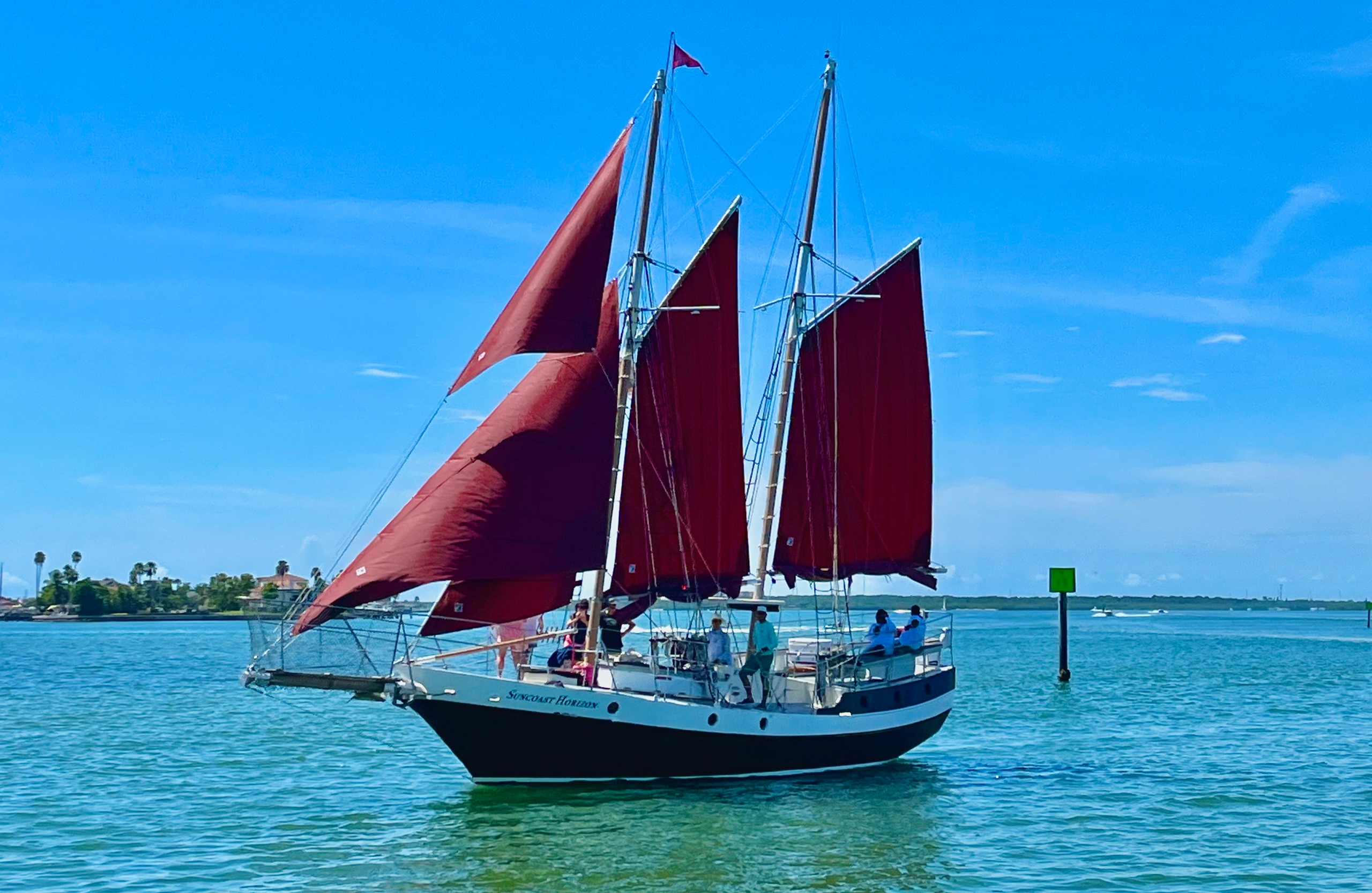
Dolphin Experiences in Treasure Island, Florida
Treasure Island’s shallow Gulf flats and protected bays make it one of the most approachable places on Florida’s Gulf coast to encounter wild bottlenose dolphins. From glassy-morning eco-cruises and kayaks that slip into dolphin playgrounds toshoreline watches and small-group photo charters, the town offers a spectrum of dolphin-focused experiences built around ethics, safety, and spectacle.
Top Dolphin Trips in Treasure Island
57 trips • Book with confidence • Instant confirmation
Why Treasure Island Is a Standout Dolphin Destination
Treasure Island sits on a gentle cusp where open Gulf waters meet the shallow, seagrass-lined bays of the Tampa Bay system — a mosaic of habitat that bottlenose dolphins favor. In early morning light the water morphs into a silver sheet and pods fan out along sandbars and passes, riding tidal currents and following schools of mullet and pinfish. The encounters here feel intimate not because dolphins are captive or tame, but because the geography concentrates food, movement, and curiosity into predictable corridors. That predictability makes Treasure Island an ideal place for travelers who want reliable sightings without sacrificing wildness.
The town’s dolphin scene is plural: you’ll see commercial eco-cruises narrating natural history, small skiffs slipping quietly into shallow lanes, kayakers hovering at the edge of a pod’s path, anglers watching dorsal fins midcast, and beachgoers witnessing a mother and calf roll by in the shallows. Each setting offers a different rhythm — the broad, communal excitement of a sunset cruise; the hush of a solo paddler sharing space with a foraging group; the camera-first focus of a dedicated photo charter seeking close but respectful angles. Guides here have adapted to a growing ethic: observing without intruding, explaining behavior, and discouraging feeding or touching. That cultural shift matters. It keeps interactions legal, safer for animals, and far more rewarding for conscious travelers.
Treasure Island’s proximity to other marine destinations — Pass-a-Grille’s quiet beaches to the south, Fort De Soto’s protected bays to the southwest, and the deeper-water channels leading into the open Gulf — makes multi-activity days simple. You can pair a morning kayak with a midday beach picnic and an afternoon snorkeling stop over seagrass beds, all with frequent dolphin encounters as the connective tissue. For photographers and citizen scientists, operators often share sighting logs, water-condition notes, and occasional tagging-study insights. For families and casual travelers, short, narrated cruises deliver high odds of seeing playful behavior: bow riding, spy-hopping, and surface rolls that look choreographed.
Planning matters. The best encounters come in calm conditions — early mornings or late afternoons when winds are light and the sea is glassy — and on outgoing tides that channel fish through passes. But the very accessibility that makes Treasure Island appealing also creates pressure on space and wildlife. Local operators, park staff, and volunteer networks emphasize a simple mantra: watch, don’t touch; give dolphins room to choose. Travelers who adopt that approach find the most meaningful experiences are those built on patience, respect, and a little local knowledge.
Dolphin encounters in Treasure Island are typically with wild bottlenose dolphins—no swim-with programs in captivity—so experiences vary by season, tide, and weather.
Local operators prioritize low-wake vessels, small-group kayaks, and naturalist-led cruises to reduce disturbance while increasing sighting success.
Combine dolphin watching with kayaking, fishing, shorebirding, or a guided photography charter for a fuller marine-day itinerary.
Best Time to Visit
Best Months
Weather Notes
Dolphins are present year-round, but calm seas and warm mornings in spring through fall create the most comfortable viewing conditions. Summer brings warm water and active feeding, but also afternoon thunderstorms and higher humidity; winter can be cooler but still offers reliable sightings.
Peak Season
Late spring through early fall is the busiest period for tours, especially holidays and long weekends.
Off-Season Opportunities
Winter months offer lower visitation and still-good sighting odds; operators may run fewer trips but often with smaller groups and better vantage points for photography.
Frequently Asked Questions
Can I swim with dolphins in Treasure Island?
Swimming with wild dolphins is discouraged and often illegal under federal and state guidelines; reputable operators will not encourage or arrange direct contact. Look for guided observation trips that prioritize distance and natural behavior instead.
Do I need to book in advance?
Advance reservations are recommended during peak season and for specialized experiences like photography charters or kayak trips. Short, narrated cruises may offer walk-up availability in shoulder seasons.
How close will the dolphins get?
Wild dolphins may approach vessels or kayakers out of curiosity, but operators follow guidelines to maintain respectful space. Closeness depends on behavior, tide, and individual animals; there are no guarantees of near contact.
Choose Your Experience Level
Beginner
Accessible options with low physical demand and high odds of sightings.
- Narrated dolphin-watching cruise
- Shoreline and pier sightings at sunrise
- Family-friendly sunset cruise
Intermediate
Small-group outings and paddling trips that require basic fitness and comfort on the water.
- Guided kayak eco-tour through passes and flats
- Small skiff eco-cruise with naturalist
- Stand-up paddleboard (calm-water) dolphin watching
Advanced
Focused, skill-forward experiences for photographers, citizen scientists, and repeat visitors seeking tailored observation.
- Private photography charter with experienced skipper
- Citizen-science sighting trips and data-collection outings
- Multi-activity marine days combining fishing, snorkeling, and observation
Insider Tips & Local Knowledge
Prioritize licensed operators and follow NOAA guidelines for marine mammal viewing.
Aim for first light or late afternoon for calmer winds and active dolphin behavior. If you want photos, ask operators about lens suggestions and boat positioning before you leave the dock. On kayaks and small crafts, keep paddles low and movements steady—sudden motion can startle animals. Never feed, touch, or chase dolphins; the best operators will maintain a hands-off policy and will brief you on safe viewing distances. When booking, check cancellation policies for weather and seas, and consider a morning slot to avoid afternoon thunderstorms. If you see unusual behavior or an animal in distress, report it to local authorities or the marine mammal stranding network rather than intervening yourself.
What to Bring
Essential
- Light waterproof jacket or windbreaker
- Sunscreen and wide-brim hat
- Reusable water bottle
- Polarized sunglasses for glare reduction
- Motion-sickness remedies if you’re prone to seasickness
Recommended
- Binoculars for distant sightings
- Telephoto lens (200–400mm) or zoom lens for photography
- Waterproof phone case or dry bag
- Quick-dry clothing and water shoes for kayak trips
Optional
- Compact field guide or species ID app
- Notebook for citizen-science observations
- Snorkel gear for combined snorkeling trips (where allowed)
Ready for Your Dolphin Adventure?
Browse 57 verified trips in Treasure Island with instant booking
Explore Top 15 Treasure Island, Florida Adventures →