
Thousand Oaks adventure guide
Find your way into Thousand Oaks.
Perched at the edge of the Santa Monica Mountains, Thousand Oaks is a quietly scenic basecamp that stitches oak-dotted hills, suburban greenways, and coastal access into easy day-trip loops. This guide highlights short ridge hikes and waterfall strolls, town-centered walking tours, and water-adjacent escapes—think SUP and scenic boat rental options a short drive away—so you can build a single morning hike into an afternoon of surf, photography, or a sunset boat tour. Where the suburban grid meets wild ridgelines, opportunities for bike tours and e-bike outings mix with wildlife watching and photography tours; and when you want salt air, Point Mugu and nearby marinas open the coastline for sailing and surf runs.
Three ways into the city
Pick a landscape. Build a day around it.
Thousand Oaks is less a single destination than a collection of neighboring worlds. Start with the version of the city that matches your pace, then use the ranked guide below to fill in the details.
Begin where the city meets the sea.
Surf breaks, sheltered harbors, whale routes, and long beach paths make the coast LA’s most immediate outdoor playground.
Explore water activities →
Let a local connect the landmarks.
Use a guided city, walking, or sightseeing tour to turn LA’s sprawl into a coherent story.
Explore city tour →
Ride the coast and the city.
Beach paths, river corridors, e-bikes, and ridge climbs reveal a more connected Los Angeles.
Explore bike tour →Choose your way into Thousand
The top 15 Thousand Oaks adventures.
Ranked by the number of currently listed trips. Each panel opens the complete local activity collection.
Water Activities
Thousand Oaks sits at the comfortable intersection of suburban ease and wild-water access: seasonal creek corridors, hidden plunge pools, and a short drive to Malibu’s coast. This guide focuses on water activities — from creekside swims and waterfall hikes to stand-up paddleboarding, inshore kayaking, and coastal day trips — explaining when to go, what to expect, and how to plan for safe, memorable outings.
Explore water activities →2City Tour
Thousand Oaks is a quietly elegant Southern California city where suburban calm meets immediate access to oak-studded hills and scenic canyons. City tours here feel less like frenetic urban sightseeing and more like a series of close encounters—with public art, historic ranching remnants, craft food scenes, and trailheads that step straight out of town into open space. This guide focuses on city-tour experiences: walkable neighborhood routes, guided heritage tours, food-and-drink circuits, and hybrid urban-nature outings that pair a downtown stroll with a short hike or scenic overlook.
Explore city tour → 3
3Sightseeing Tour
Thousand Oaks' oak-studded hills, pocket canyons, and quietly scenic streets reward slow travel. This guide focuses on sightseeing tours—guided walks, nature drives, cultural spotlights, photography circuits, and family-friendly loops—that reveal the city's layered natural history, Chumash roots, and small-town California charm without a long haul from Los Angeles.
Explore sightseeing tour → 4
4Boat Rental
Thousand Oaks sits inland from the Pacific but within easy reach of quiet reservoirs, scenic lake coves, and coastal harbors—making it an unexpected, quietly convenient base for short boat rentals. Whether you want a sunlit paddle on calm water, a lazy pontoon cruise with friends, or a day trip down the coast from a nearby marina, the region’s mix of inland reservoirs and accessible seaside launch points gives you a range of craft and conditions within an hour’s drive.
Explore boat rental → 5
5Boat Tour
Thousand Oaks sits tucked in the Conejo Valley, a short drive from a surprisingly diverse set of marine adventures. While the city itself is inland, it functions as a comfortable launchpad for everything from family-friendly harbor cruises and seasonal whale-watching trips to full-day excursions to the Channel Islands and private charters that explore the Pacific coastline. This guide focuses on boat tour experiences you can reasonably reach from Thousand Oaks—what they feel like, when to go, and how to plan your day so a short drive turns into an unforgettable marine outing.
Explore boat tour →6Bike Tour
Thousand Oaks is a surprising stitch of coastal foothills, oak-studded valleys, and durable singletrack tucked into the western edge of the Los Angeles metro area. Bike tours here span smooth valley cruises and punchy coastal-cliff climbs to technical singletrack carved into chaparral and oak woodland—accessible, seasonally generous, and ideal for mixed-ability groups.
Explore bike tour → 7
7Bus Tour
Thousand Oaks is a quietly scenic base for narrated, small-group, and chartered bus tours that stitch together coastal bluffs, chaparral ridgelines, and suburban cultural anchors. From short neighborhood shuttles to half-day excursions into the Santa Monica Mountains and coastal overlooks, bus tours here are about effortless access to landscape and local stories—ideal when you want to sightsee without the logistics of driving, parking, or trail scouting.
Explore bus tour → 8
8Surf
Thousand Oaks sits inland but lives on the edge of the Pacific’s most varied surf terrain. From the polished point breaks of Malibu to the long, rippable beach breaks of Ventura and the punchy reef sections near Point Mugu, the region delivers sessions for longboarders, shortboarders, and wave hunters alike. This guide maps the drive-time surf options, seasonality, gear notes, and local customs so you can plan a dawn-to-dusk surf itinerary that begins in Thousand Oaks and ends in salt.
Explore surf → 9
9Bike Rental
Thousand Oaks is a gateway to gentle valley cruises, singletrack edges, and coastal-slope climbs—an inviting place to pick up a rental bike and explore everything from shaded park loops to rolling country roads. This guide focuses on renting the right bike for the terrain, reading trail access and e-bike rules, and pairing your ride with nearby experiences like hiking, wine tasting, and scenic drives.
Explore bike rental →Walking Tour
Thousand Oaks pairs broad oak-dotted landscapes with quietly walkable neighborhoods and a pocket of coastal-mountain trails. Walking tours here move between shaded suburban streets and open-savanna trailheads, where Chumash history, ranching past, and contemporary greenways meet. Expect short cultural loops, botanical strolls, and naturalist-led hikes that suit both casual travelers and committed walkers who want to trade urban crowds for wide skies and close-up nature.
Explore walking tour →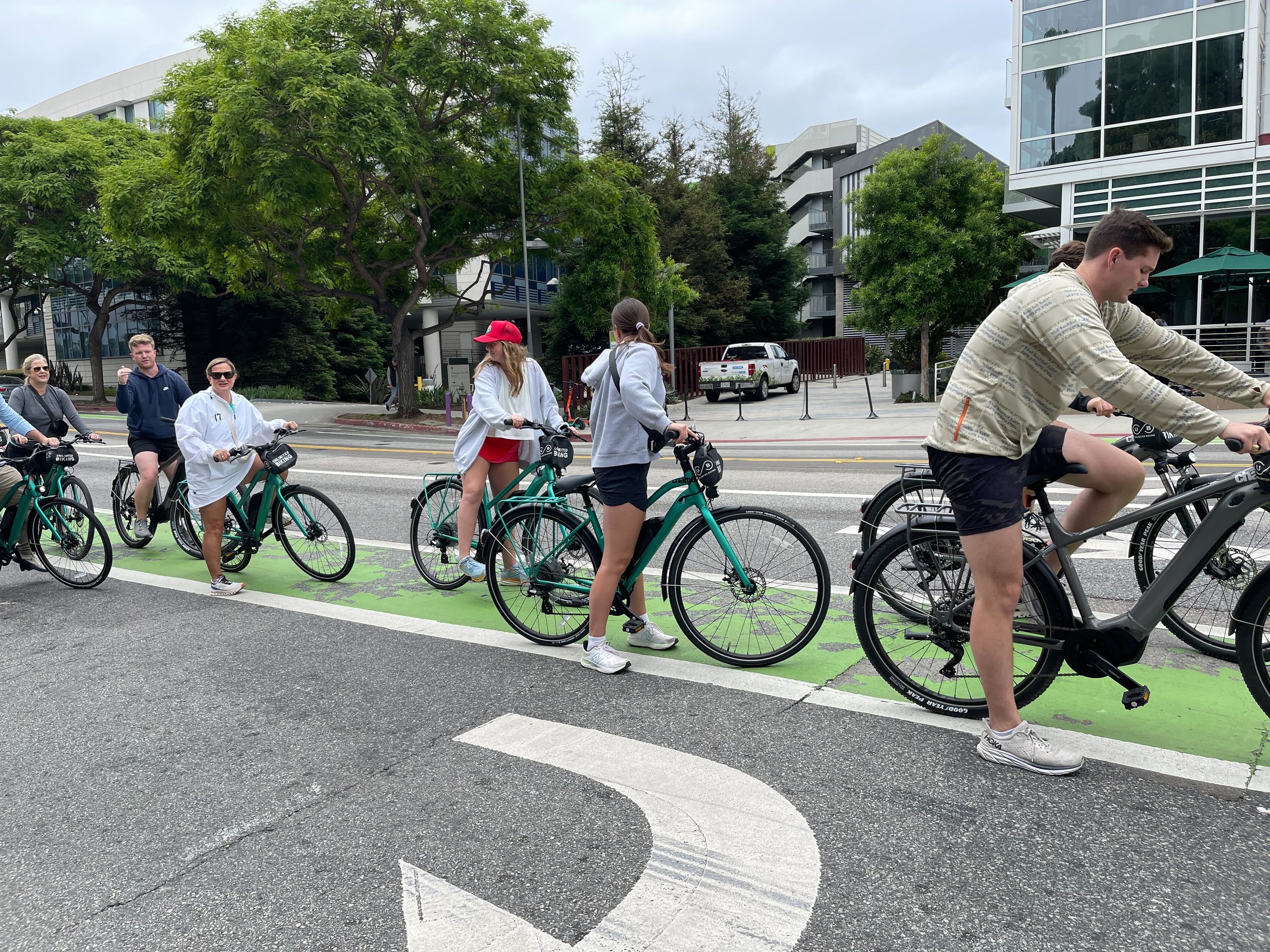 11
11E-Bike
Thousand Oaks is a quietly dramatic place for e-bike exploration: oak‑dotted valleys, sunburnt chaparral, and a stitched network of fire roads and singletrack that open onto long coastal views. E-bikes broaden the radius—turning what might be a long mountain-bike day into a half‑day adventure—and they make ridge rides, winery loops, and town-to-trail days accessible to a wider range of riders. This guide focuses on where to ride, how to plan for California weather and local access rules, and the best ways to pair an e-bike outing with hiking, picnicking, and short climbs in the Santa Monica range.
Explore e-bike → 12
12Marina
Thousand Oaks sits at a crossroads between quiet inland waters and the expansive Southern California coast. This guide focuses on marina experiences that begin in the Conejo Valley—from sheltered community docks and lakefront launch points to short drives that open onto busy coastal harbors. Expect easy access to paddle sports, calm practice waters, and gateway options for day sails and sportfishing along the Pacific.
Explore marina → 13
13Wildlife
Thousand Oaks sits where coastal scrub meets oak-studded hills and freshwater wetlands—an intersection that concentrates wildlife. From raptors thermalling above ridgelines to secretive bobcats and the migratory flocks that pass through the Conejo Valley, this suburban landscape supports surprising biodiversity within easy reach of town. This guide focuses on wildlife watching—where to go, what to expect by season, safety and etiquette, and how to layer related outdoor activities like hiking, birding, and evening nature photography into a thoughtful trip.
Explore wildlife → 14
14Photography Tour
Thousand Oaks condenses California's light, landscape variety, and wildlife into short drives and trailheads that reward photographers with big-sky panoramas, intimate oak groves, and seasonal wildflower carpets. This guide focuses on photography tours and practical planning—when to go, where to aim your lens, and how to pair a shoot with a hike, sunset picnic, or wildlife-focused outing.
Explore photography tour → 15
15Sailing
Thousand Oaks sits tucked into the Conejo Valley, a short, scenic drive from the Pacific and a surprisingly convenient launchpad for coastal sailing. While the city itself isn’t a marina town, its proximity to Ventura County’s harbors and the blue expanse of the Santa Barbara Channel makes it an excellent base for day sails, island hops, and evening breezes. This guide focuses on sailing experiences you can realistically plan from Thousand Oaks—charters and lessons at nearby marinas, coastal cruising along a wildlife-rich coastline, and multi-hour trips that touch Channel Islands anchorages. Expect a mix of tranquil mornings under marine layer skies and lively afternoon sea breezes that shape the best local sailing windows.
Explore sailing →The city and the sea
Why Thousand Oaks Belongs on Your Adventure Shortlist
Variety without surrendering the day to long transfers.
Thousand Oaks lives in the soft topography between city and coastline: low foothills roll into chaparral-lined canyons, suburban parks open onto long regional trails, and within a half-hour you can trade oak-studded ridgelines for sandy surf breaks. For the traveler who prizes itineraries that stack—trail run at dawn, a mid-morning photography tour along a ridge, an afternoon of water activities on a nearby lake, and an evening boat tour or sunset surf—this place fits into a single, satisfying day. The town’s human scale means access is rarely more than a short drive; trailheads at Wildwood Regional Park or the Backbone Trail require minimal approach, and local outfitters make bike rental, e-bike tours, and boat rental practical options when you want to travel light. This is a region of layered edges: cultural edges where city-tour routes meet quiet neighborhoods, and ecological edges where chaparral gives way to riparian corridors. Those edges create pockets of wildlife viewing—songbirds and raptors patterned against sandstone—and vantage points ideal for photographers chasing golden-hour light. The diversity of experiences is also very practical. On a single trip you can join a guided bike tour, a walking tour focused on local history, and still leave room for a short surf session or a sailing outing from a nearby marina. That mix makes Thousand Oaks compelling for multi-activity travelers and families who want varied days without long drives. There’s a quiet confidence here: trails are well-maintained, community resources like the Conejo Valley Botanic Garden add calm layovers between outdoor sectors, and regional parks offer clear signage and mapped loops so you can plan self-guided hikes or book a sightseeing tour. If you favor logistics-light travel—rent a bike for a morning loop, book a boat tour for the afternoon, and slot in a short photography tour at dusk—Thousand Oaks rewards careful curation. For adventurers who prefer to follow local rhythm rather than conquer peak lists, the town’s year-round climate and the short distances between different activity types mean you can pivot from inland trails to coastal sailing on a whim, especially during shoulder seasons when trails and beaches feel wide open.
Access is unusually efficient here: trailheads, bike rentals, and regional boat-launch points sit within a compact driving radius. Outfitters in nearby towns handle shuttles and rentals for bike tours, SUP sessions, and small-boat experiences, which is a big advantage if you’re layering activities in a single day.
Pair the outdoors with low-key culture—coffee shops and casual eateries dot the Conejo Valley—so days of hiking, wildlife viewing, or a photography tour can end with a relaxed meal. For families and mixed-ability groups, short walking tours and mellow water activities give everyone a way to participate.
Conditions shape the day
The best time to visit Thousand Oaks.
Southern California’s Mediterranean pattern means mild, dry summers and cool, wetter winters. Spring and fall are prime for trails and photography: light is forgiving and temperatures are pleasant. Summer is ideal for water activities and surf, though inland heat spikes can make midday hiking uncomfortable. Winter brings occasional coastal storms—good for dramatic surf and dramatic photography but check conditions before heading out.
Best all-around window
Spring + fall
Comfortable mixed-itinerary weather, thinner crowds at beaches and lookouts, and more room to improvise.
Beach season
Late spring and early summer see higher local visitation on weekends for popular Wildwood trails and coastal beaches; summer weekends bring beach crowds and heavier marina activity.
Surf + whales
Winter weekdays offer quieter trails and reduced lodging rates.
Coast to inland
Cool marine mornings often give way to warmer inland afternoons and breezy evenings.
Beginner
Short, well-marked trails, flat greenways, and calm water outings let newcomers build confidence without remote logistics.
- Easy loop at Wildwood Regional Park
- Leisurely walking tour of downtown Conejo Valley
- Intro SUP session on a nearby lake or calm marina cove
Intermediate
Longer ridge hikes, mixed-surface bike tours, and coastal sightseeing tours require more stamina and basic route-finding.
- Morning ridge hike on the Backbone Trail segment
- Half-day bike tour of local trails with a bike rental
- Photography tour at a coastal overlook followed by a scenic boat tour
Advanced
Multi-hour traverses, technical singletrack, and surf or sailing in exposed conditions ask for solid experience and local knowledge.
- Full-day ridgeline traverse with significant elevation and unmarked connectors
- Challenging mountain-bike singletrack run in the Santa Monica Mountains
- Open-ocean sailing or surf sessions that require skill and current awareness
Field kit
What to bring.
Pack for sun, salt water, walking, and a meaningful temperature swing between coast and inland Thousand.
Essential
Start here
- Sturdy trail shoes or boots for ridgeline and canyon trails
- Sun protection (hat, SPF 30+, sunglasses)
- Water bottle or hydration pack—hydration is key in chaparral terrain
- Light daypack for layers and snacks
- Phone with offline map or printed trail map
Water days
Keep it dry
- Wind shell for coastal afternoons
- Compact binoculars for wildlife viewing
- Camera with a zoom lens for ridge and wildlife photography tours
- Dry bag for phones and keys if you plan boat rental, boating, or SUP
Long days
Stay flexible
- Inflatable SUP or small floatation device for lake sessions
- Trekking poles for longer ridge descents
- Action camera with helmet or board mounts for surf and boat tours
Insider note
Start early, then keep the geography tight.
Start early to beat heat and crowds—dawn light is also best for wildlife viewing and photography tours. If you plan to mix activities, map parking and rental locations ahead of time: some marina and beach lots fill by mid-morning on summer weekends. During spring and winter, be mindful of muddy or eroded singletrack and favor paved connectors to protect trails. For surf and sailing, consult regional swell and tide forecasts and consider booking instruction for unfamiliar breaks. Keep a compact dry bag for electronics and a small first-aid kit for ridge and coastal outings.
Good to know
Frequently asked questions.
Can I do most activities without a guide?
Yes. Many hikes, walking tours, and bike-loop routes are well-signed and suitable for self-guided trips. Book a guide for technical surf instruction, specialized wildlife or photography tours, or if you want a curated boat tour or sailing lesson from a marina.
Where are the nearest places to surf or sail?
Point Mugu State Park and nearby Malibu beaches are the most accessible surf spots; several marinas along the coast offer boat tours and sailing lessons within a 30–45 minute drive—check local tide and swell reports before you go.
Are rentals (bike, e-bike, boats) easy to find?
Yes. Bike rental and e-bike options are available locally or in nearby towns; boat rental and guided boat tours or SUP sessions can be booked at marinas and lakes within a short drive. Reserve summer weekend slots in advance.
Ready when you are
Find the trip that fits your Thousand Oaks day.
Compare bookable experiences across the coast, city, and mountains—then save the ones that belong in your plan.
Explore all Thousand Oaks adventures ↗