
Summerland Key adventure guide
Find your way into Summerland Key.
A low-lying ribbon of mangroves, palms, and salt-slimmed roads, Summerland Key is a gateway to the shallow reefs, backcountry flats, and slow, sunlit days that define the middle Keys. Days here are measured in tides and the angle of light on the Atlantic—boat tours and boat rental options tessellate the calendar with dolphin sightings and shearwater wings; anglers chase bonefish and permit on the flats; snorkel and scuba trips slip over coral bommies and seagrass beds where parrotfish grind the reef into rain. Whether you launch a kayak from a quiet mangrove cut, step onto a catamaran for a sunset sail, or join an eco tour that threads wildlife and conservation context into a relaxed sightseeing tour, Summerland Key’s activities skew toward water: water activities, fishing, snorkel, scuba, sailing, dolphin-spotting, and slow, deliberate sightseeing tours that pair well with walking tours or a day renting a bike to explore the island lanes.
Three ways into the city
Pick a landscape. Build a day around it.
Summerland Key is less a single destination than a collection of neighboring worlds. Start with the version of the city that matches your pace, then use the ranked guide below to fill in the details.
Begin where the city meets the sea.
Surf breaks, sheltered harbors, whale routes, and long beach paths make the coast LA’s most immediate outdoor playground.
Explore boat tour →
Let a local connect the landmarks.
Use a guided city, walking, or sightseeing tour to turn LA’s sprawl into a coherent story.
Explore sightseeing tour →
Ride the coast and the city.
Beach paths, river corridors, e-bikes, and ridge climbs reveal a more connected Los Angeles.
Explore bike rental →Choose your way into Summerland
The top 15 Summerland Key adventures.
Ranked by the number of currently listed trips. Each panel opens the complete local activity collection.
1Boat Tour
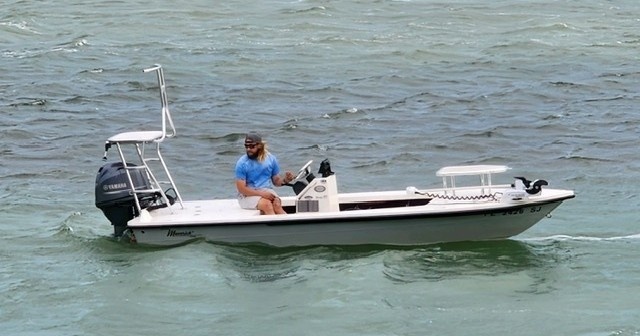
Summerland Key is a narrow, hammock-draped island where boat tours unlock a quieter, salt-licked side of the Keys. From shallow backcountry cruises through mangrove mazes to reef snorkel runs and sunset sails, the region’s shallow flats and protected channels make it ideal for intimate, wildlife-forward excursions. Expect glassy mornings, quick-changing afternoon weather, and an emphasis on conservation-minded operators who read tides and marine regulations as closely as charts.
Explore boat tour →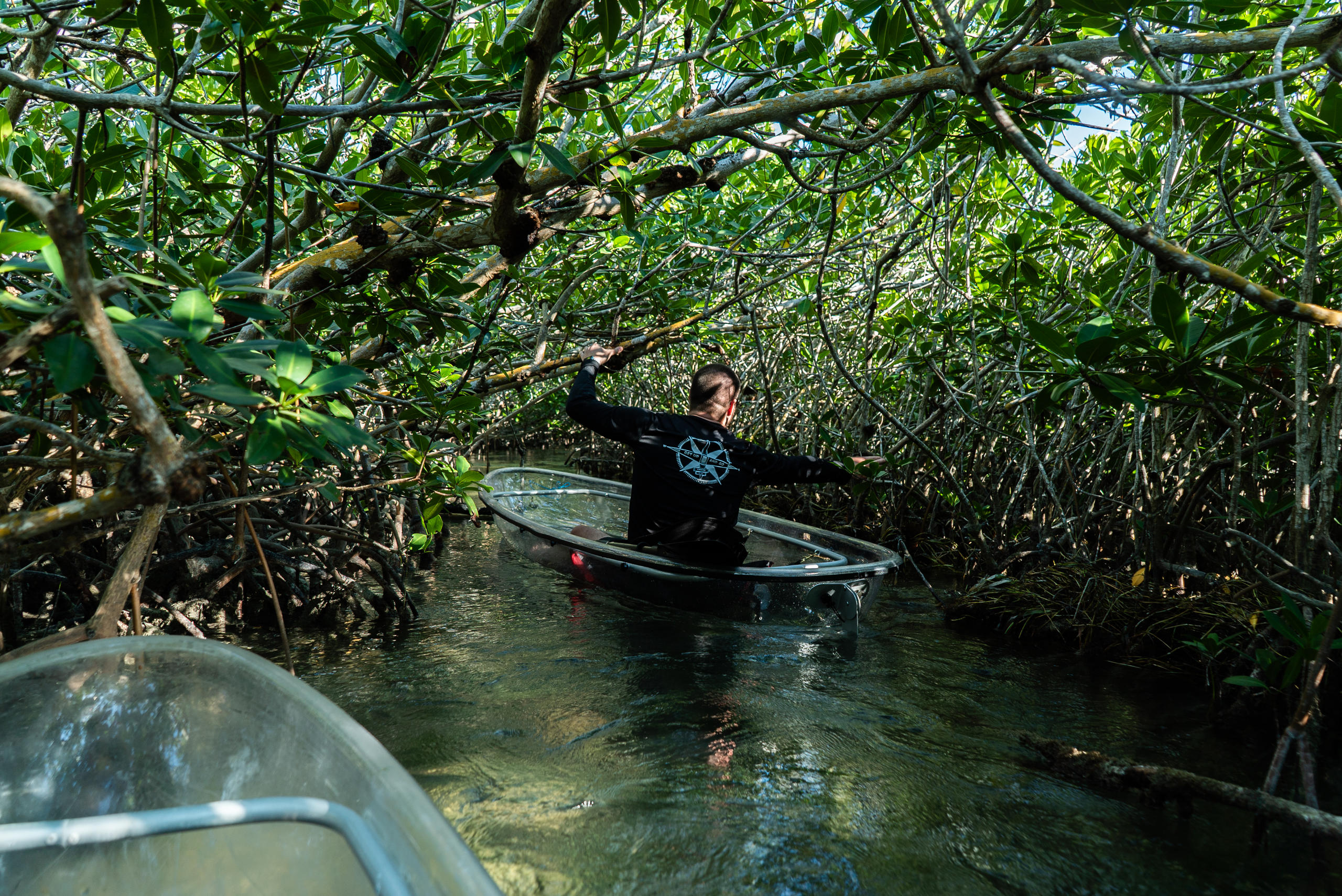 2
2Water Activities
Summerland Key is a low-key inlet between mainland Florida and the open ocean where warm, shallow water makes nearly every day feel like an invitation. Here the focus is on being on, under, and around the water — from glassy calm flatwater paddles at sunrise to reef snorkeling and shallow-water fishing in the afternoon. This guide concentrates on what to expect from water-based pursuits: how the tides and season shape conditions, which areas are best for each activity, safety and conservation considerations, and what to pack for a successful day on the Keys.
Explore water activities → 3
3Fishing
Summerland Key is a compact, salt-scented promise for anglers who want variety in a single day: skinny-water flats where bonefish ghost through seagrass; mangrove-lined backcountry channels that funnel snook and tarpon; and nearby reefs and ledges that produce snapper, grouper, and fast-moving pelagics. Whether you cast from a skiff, a kayak, or the end of a neighborly pier, the keys around Summerland Key reward patience, local knowledge, and an appetite for both technical sight-fishing and high-action offshore runs.
Explore fishing → 4
4Boat Rental
Summerland Key sits on a low, luminous seam between Gulf and bay—a small community that opens directly onto some of the best shallow-water boating in the Lower Keys. Boat rentals here put you on the water within minutes: idle past mangrove-lined creeks, hunt for bonefish on glassy flats, or motor to reef drop-offs for snorkeling. This guide focuses on renting your own boat—what to expect from the terrain, seasonality, licensing, safety, and how to pair rental time with fishing, snorkeling, and eco-focused backcountry exploration.
Explore boat rental → 5
5Snorkel
Summerland Key is a quiet hinge between the backcountry flats and the offshore patch reefs that make the lower Keys legendary for snorkeling. From waist-deep mangrove fringes to short boat hops to living coral heads, the area offers accessible snorkeling for first-timers and micro-ecologies rich with turtles, rays, colorful reef fish, and recovering corals.
Explore snorkel → 6
6Sailing
A narrow ribbon of emerald water and mangrove labyrinths, Summerland Key is where shallow flats give way to crystalline channels and easy access to the reef. Sailing here is intimate — short hops between calm anchorages, sunset runs along the Newfound Harbor channels, and quick jumps to snorkeling and fishing grounds. Whether you’re crewing a day charter, bareboating a small sloop, or joining an overnight cruise, the experience is defined by shallow-water seamanship, wildlife encounters, and a chilled, low-key Keys pace.
Explore sailing → 7
7Scuba
Stretching between Marathon and Big Pine Key, Summerland Key is a low-key launchpad for some of the Lower Keys’ most accessible reef and wreck diving. Expect warm water, typically calm conditions, and a mosaic of coral patches, sponge gardens, and sand channels that draw curious reef fish, rays, turtles, and occasional reef sharks. The town itself retains an easygoing Keys rhythm—perfect for early-morning launches and late-afternoon surface-interval strolls.
Explore scuba →8Sightseeing Tour
Summerland Key is a small, quiet station on the Overseas Highway where sightseeing tours trade big-city crowds for intimate coastal rhythms—sunrise skiffs that thread mangrove tunnels, glass-bottom boats that trace shallow reefs, and sunset cruises that find dolphins between low islands. This guide focuses on the kinds of guided outings that show you the Keys’ living edges: tidal flats, Key Deer glades, patch reefs, and the working waterfronts that still define island life.
Explore sightseeing tour → 9
9City Tour
Summerland Key is a small, salty slice of the Lower Keys where city touring feels more like a slow coastal parade than a checklist of landmarks. Expect low-slung neighborhoods, local galleries and bait shops, shoreline lookouts, and roadside history tied to the Overseas Railroad and fishing culture. This guide focuses on touring the island—on foot, by bike, and via short drives or guided outings—so you can soak up architecture, maritime heritage, and the natural edges that define island life.
Explore city tour → 10
10Dolphin
Summerland Key is a subtle pocket of the Lower Keys where mangrove-fringed channels, shallow seagrass flats, and clear gulf lanes create a near-perfect stage for bottlenose dolphins. Whether you’re cruising on a classic flats skiff, paddling a quiet kayak, or boarding a small-group wildlife charter, encounters feel immediate and personal—the dolphins use these waters for feeding, socializing, and teaching young. This guide focuses on planning ethical, rewarding dolphin experiences here: when to go, what to expect on different trip types, and how to balance curiosity with conservation.
Explore dolphin → 11
11Eco Tour
Summerland Key folds small, wind-whipped islands, glassy flats and maze-like mangrove channels into a compact maritime classroom. Eco tours here range from quiet kayak explorations through root-tangled mangroves to small-boat snorkeling on nearshore reefs, and each trip is an invitation to read the tidal language of the Keys: the direction of a wading bird, a change in water clarity, or the hush that rides in after a sea breeze. Expect interpretive guides, direct encounters with marine life, and strong conservation messaging—tours are as much about stewardship as they are about scenery.
Explore eco tour →12Bike Rental
Summerland Key is a compact, low-traffic slice of the Florida Keys where bike rentals unlock a slow, coastal way of moving through mangroves, salt flats, and sun-washed neighborhoods. Rentals here cater to quick beach cruisers, sturdy hybrid bikes for mixed pavement, and a growing fleet of e-bikes that make longer cross-key hops doable for most riders. Expect flat roads, brilliant coastal light, and an easygoing network of neighborhood lanes and shoulders along the Overseas Highway—perfect for family loops, sunrise rides, and gear-light exploration between snorkeling stops and kayak launches.
Explore bike rental → 13
13Kayak
Summerland Key's sky-scraped mangroves, glassy shallow flats, and close-anchored channels make it a quietly addictive place to paddle. From calm dawn excursions hunting for rays and juvenile tarpon in seagrass meadows to choppier reef-edge runs that flirt with the open Gulf, kayaking here is intimate, wildlife-rich, and eminently doable for a broad range of paddlers.
Explore kayak → 14
14Catamaran
Wide decks, shallow drafts, and a relaxed sailing posture make the catamaran the quintessential craft for exploring Summerland Key’s translucent flats, patch reefs, and laid-back harbor culture. From sunrise cruises that chase pink skies over the Gulf to afternoon snorkeling runs along living coral and evening sails that turn the horizon into a theater of light, catamarans unlock a distinct rhythm of travel here: deliberate, social, and equally suited to wildlife watching, stand-up paddleboarding off the trampoline, or simply drifting with a cold drink and a book.
Explore catamaran → 15
15Walking Tour
Summerland Key condenses the Keys’ weathered charm—mangrove fringes, low-slung neighborhoods, and salt-scrubbed shorelines—into a compact walking destination. These 18 curated walks range from short village rambles and shoreline explorations to guided birding loops and history-rich strolls along the Overseas Heritage Trail. Expect flat, easy terrain, close encounters with coastal birds, and plenty of connective options to kayaking, snorkeling, and casual cycling.
Explore walking tour →The city and the sea
Why Summerland Key Belongs on Your Adventure Shortlist
Variety without surrendering the day to long transfers.
Summerland Key feels like a small, crystalline world where every outing moves at the pace of tides. You can spend a morning with the low-slung horizon of the Atlantic to your right and a maze of mangrove tunnels to your left: launch a kayak into glassy water and trace the shoreline for herons, or push a skiff offshore on a boat tour to watch dorsal fins cut the swell. The appeal here is elemental and immediate—salt on skin, endless sky, and a shelf of coral reefs close enough to touch on a snorkeling or scuba trip. That nearness matters. In a single day you can layer a reef snorkel over a flats-fishing half-day, followed by a sailing or catamaran sunset that frames the Keys' long, clean light. But Summerland Key is more than checklist activities; it is a place where local knowledge steeped in decades of fishing, boating, and stewardship shapes the experience. Eco tours here don’t just point at turtles and ospreys—they explain restoration work, mangrove ecology, and the permits and practices that keep reefs healthy. Boat rental options and guided fishing charters offer different kinds of independence: an afternoon with a rental skiff and a good tide chart is a private, efficient way to chase tailing bonefish, while an experienced captain running a sight-seeing tour or a dolphin-focused cruise adds narrative and safety to more ambitious outings. For visitors who prefer to stay mostly dry, bike rental and walking tour options let you absorb island life at human pace: pastel cottages, bait shops, and murals that nod to the Keys’ maritime culture. Practical planning tilts this place from romantic to manageable. The middle Keys have clear seasonality—drier, cooler months bring optimum boating and fishing conditions, while summer heats the water and raises the humidity (and the chance of tropical storms). Gear choices skew toward reef-safe sunscreen, light quick-dry layers, and waterproof storage. If your trip involves fishing, bring or plan for the right license and local expertise; if you want to dive, check certification requirements and current visibility reports. Above all, respect for a fragile marine environment is part of the rhythm: look but don’t touch coral, follow no-take regulations on protected reefs, and choose local operators that practice catch-and-release and reef-safe anchoring. Seasoned travelers and first-timers alike will find that Summerland Key rewards curiosity and a modest pace—spend time for the light, stay for the water, and let the tide set your agenda.
The Keys’ cultural layer is compact but rich: fishing shacks, marinas, and family-run outfitters give practical access to the water while storytellers—captains, guides, and lifelong residents—supply the local lore. Pair a morning fishing charter with an afternoon snorkel trip to see both sides of a living seascape: what you pull from the flats, and the coral communities that support it.
Access is straightforward for visitors: the Overseas Highway links a chain of launch points and marinas, outfitters manage boat rental and guided kayak trips through mangrove canals, and several operators run scheduled sightseeing tours and wildlife-focused catamaran sails. For more independence, bike rental and walking tours let you explore small pockets of shoreline, art, and local eateries between water-based adventures.
Conditions shape the day
The best time to visit Summerland Key.
Late fall through spring offers cooler, drier conditions and calmer seas—ideal for boat tours, snorkeling, and fishing. Summer is warmer and more humid with afternoon storms and the Atlantic hurricane season (June–November) increasing the chance of tropical disturbances.
Best all-around window
Spring + fall
Comfortable mixed-itinerary weather, thinner crowds at beaches and lookouts, and more room to improvise.
Beach season
Winter holidays and spring break bring higher demand for charters, guided snorkeling and dive trips, and lodging—book captains and rentals in advance.
Surf + whales
Summer and early fall can deliver lower prices and fewer crowds; if you go off-season, watch forecasts closely and plan flexible, weather-savvy itineraries.
Coast to inland
Cool marine mornings often give way to warmer inland afternoons and breezy evenings.
Beginner
Short, guided outings that require minimal technical skill—ideal for families and first-time water travelers.
- Half-day boat tour for dolphin and coastal sightseeing
- Beginner snorkel trip to a nearshore reef with a guide
- Kayak rental in protected mangrove canals
Intermediate
Longer outings, independent boat rental, and moderate paddling or shore-based fishing—some local navigation and tide awareness required.
- Self-guided boat rental for flats fishing or reef snorkel
- Eco tour combining birding and shallow-water kayak routes
- Morning sail or catamaran cruise with snorkeling stop
Advanced
Multi-hour offshore fishing, dive trips to deeper reef sites, or expedition-style backcountry launches that require planning, local knowledge, and specialized gear.
- Full-day offshore fishing charter targeting larger gamefish
- Certified scuba trips to deeper reef walls and wrecks
- Navigation-focused backcountry flats trip at favorable tide
Field kit
What to bring.
Pack for sun, salt water, walking, and a meaningful temperature swing between coast and inland Summerland.
Essential
Start here
- Reef-safe sunscreen (zinc or labeled reef-safe)
- Light, quick-dry clothing and a wind layer for boat rides
- Waterproof bag or dry sack for electronics
- Hat, polarized sunglasses, and a reusable water bottle
- Proper footwear: water shoes for shore entries and reef-friendly soles
Water days
Keep it dry
- Mask/snorkel and fins if you prefer your own fit
- Light rain shell for afternoon squalls
- Fishing license if you plan to fish from shore or vessel (check local requirements)
- Compact first-aid kit and seasickness remedy if you’re prone
Long days
Stay flexible
- Underwater camera or action cam with float tether
- Binoculars for bird and dolphin spotting
- Dry bag or small cooler for snacks and beverages on longer boat days
Insider note
Start early, then keep the geography tight.
Start early for calm seas and prime light—mornings bring smoother water for snorkel and kayak trips and better sighting conditions for flats fishing. If you rent a boat, ask for local route suggestions and tide windows; shallow shoals and seagrass beds can hide hazards at low tide. Choose operators that use mooring buoys over anchors near reefs, and bring reef-safe sunscreen and a reusable water bottle to cut single-use plastic. For fishing, validate your saltwater license and consider hiring a guide for species-specific tactics. On land, bike rental or a short walking tour pairs well with a late-afternoon catamaran or sunset sail. Finally, pack patience: the Keys’ rhythms reward slow, watchful travel—sit with the light, and you’ll see more than a checklist can promise.
Good to know
Frequently asked questions.
Do I need a guide for fishing or can I rent a boat and go on my own?
Both are possible. Boat rental is common for experienced anglers who know local tides and shallow-water navigation. First-time visitors or those targeting specific species often benefit from a guided fishing charter—captains bring local knowledge, tackle, and safety. Always confirm license requirements before you go.
Are the reefs accessible for snorkelers who aren’t certified divers?
Yes. Many reefs and patch reef sites are accessible from short boat rides; guided snorkel trips include basic orientation and safety. For scuba, certification is required for guided dives—check with local dive shops for discover-scuba options if you’re not certified.
What conservation considerations should I know?
Use reef-safe sunscreen, avoid touching coral or removing anything from the water, and choose operators who practice mooring buoy use instead of anchoring on reefs. Respect marine protected areas and local no-take regulations.
Ready when you are
Find the trip that fits your Summerland Key day.
Compare bookable experiences across the coast, city, and mountains—then save the ones that belong in your plan.
Explore all Summerland Key adventures ↗