Top Water Activities in Summerland Key, Florida

Summerland Key, Florida

Summerland Key is a low-key inlet between mainland Florida and the open ocean where warm, shallow water makes nearly every day feel like an invitation. Here the focus is on being on, under, and around the water — from glassy calm flatwater paddles at sunrise to reef snorkeling and shallow-water fishing in the afternoon. This guide concentrates on what to expect from water-based pursuits: how the tides and season shape conditions, which areas are best for each activity, safety and conservation considerations, and what to pack for a successful day on the Keys.

322
Activities
Year-Round
Best Months

Top Water Activities Trips in Summerland Key

322 trips • Book with confidence • Instant confirmation

Why Summerland Key Is a Standout Water Activities Destination

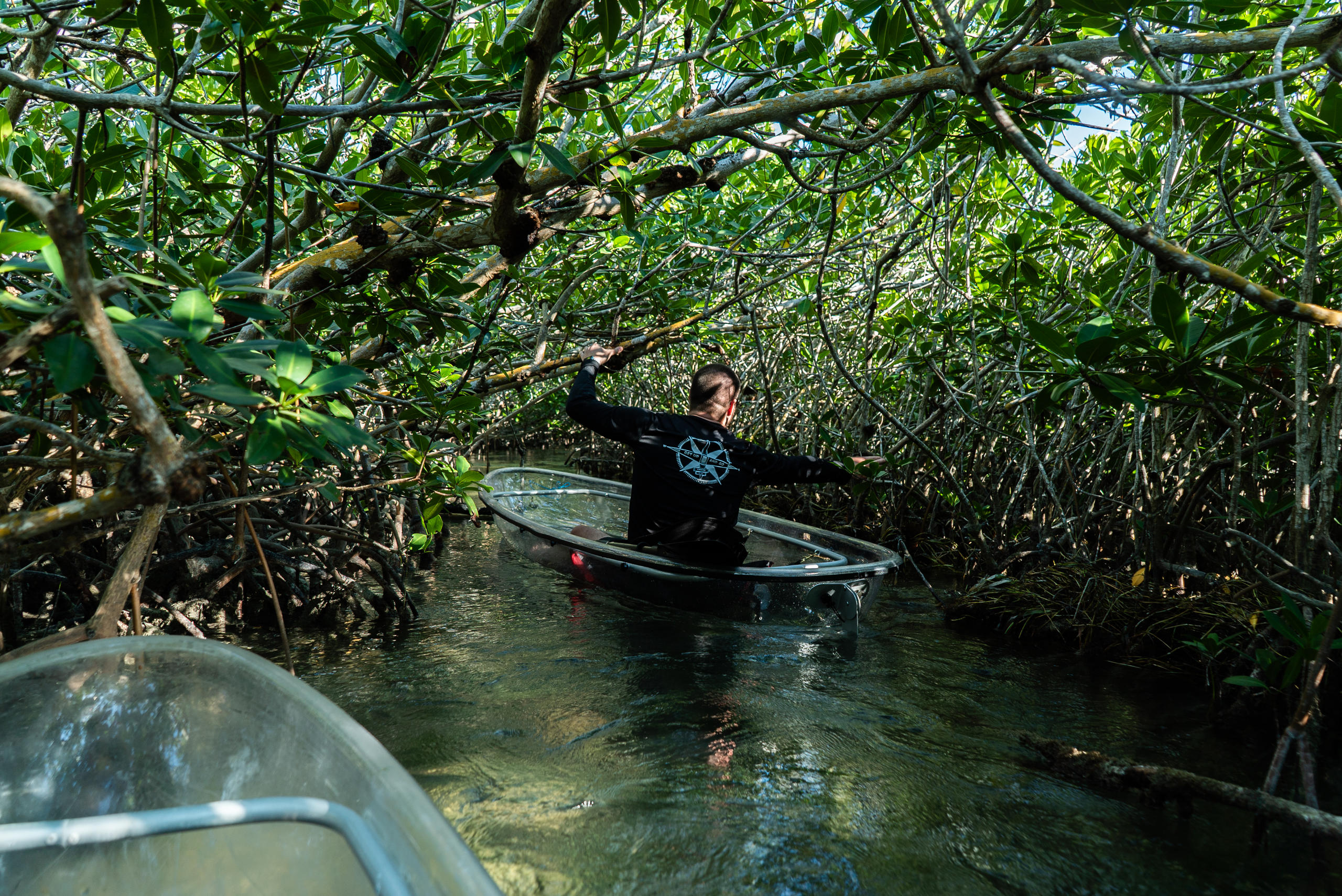
The water here is the story. Summerland Key sits in a marine crossroads where flats, mangrove-lined channels, seagrass meadows, and the nearshore coral reef come close enough to touch in a single day. That diversity compresses many kinds of water-based adventure into short drives and easy launches. You can be standing on a glassy tidal flat at sunrise, paddling past bird-filled mangrove tunnels by mid-morning, and snorkeling a shallow reef by noon—each habitat offering a different rhythm and reward.

Because the Keys are low and open, weather and tides steer the best days. Winter and spring generally produce clearer, cooler air and steadier seas that favor visibility for snorkeling and calm paddling. Summer brings the warmest water and the liveliest marine life, but also short, sometimes strong, afternoon storms and the long shadow of hurricane season between June and November. Local boat operators and outfitters live by the weather forecast; they also know which channels and flats are safe on a falling tide, which reef patches hold the best visibility after a wind shift, and where to watch for migrating birds or foraging tarpon.

Conservation is part of the water-activity experience here—it's visible in the seagrass beds that stabilize shallow flats, the coral patches that host reef fish, and the sound regulations that protect nesting sea turtles and manatee zones. Visitors who come to paddle, snorkel, or fish quickly learn a few rules: wear reef-safe sunscreen, avoid stepping on corals and seagrass, follow posted protections, and, when fishing, carry the proper licenses and follow size and bag limits. Those practices help keep the nearshore habitats healthy and productive—so the next day's dive or the next angler's cast is as rewarding as the last.

Practical access is part of the appeal. Summerland Key is served by US 1 and a string of public ramps, small harbors, and kayak launch points that cut down their approach time to the water. Outfitters and guides operate drop-off and guided tours for everything from shallow-water fly-fishing and flats-guided wade trips to guided kayak eco-tours and certified scuba charters that take advantage of nearshore wrecks and reef ledges. For travelers planning a visit, the interplay of tides, wind, and sun is the primary planner’s tool—the right window can turn a tricky crossing into a placid paddle across a mirror-flat bay.

In short: Summerland Key condenses the Keys’ marine variety into accessible, play-forward experiences. Whether you arrive with a mask, rod, or a board, the keys here reward a bit of local knowledge and a willingness to follow the tides. Expect intimate wildlife encounters, easy logistics, and a persistent sense that the next channel over might reveal something entirely different.

Tidal variation and wind direction shape access to flats and channels—plan around local tide charts.

The nearby reef tract and scattered patch reefs offer accessible snorkeling and diving; visibility varies with wind and rain.

Mangrove shorelines shelter calm paddling routes and are prime habitat for juvenile fish and coastal birds.

Fishing options range from wade-and-fly flats to offshore sportfishing; appropriate licenses and local rules apply.

Activity focus: Snorkeling, kayaking/paddleboarding, fishing, boating, scuba diving
Warm water year-round; best visibility usually Nov–May
Tides and wind control access to flats and channels
Conservation-minded behavior (reef-safe sunscreen, no-touch policy) is essential
Hurricane season (June–November) can affect trip planning

Best Time to Visit

Best Months

NovemberDecemberJanuaryFebruaryMarchAprilMay

Weather Notes

Winter and spring bring more stable conditions, lower humidity, and generally clearer water for snorkeling and diving. Summer is hottest and wettest with strong afternoon storms possible; hurricane season runs June–November and affects planning and availability. Water temperatures remain warm year-round.

Peak Season

December–April (holiday and prime winter travel season for comfortable temperatures and calmer seas).

Off-Season Opportunities

Summer offers the warmest water, quieter ramps, and often lower rates for charters—expect afternoon storms and check hurricane season forecasts.

Frequently Asked Questions

Do I need permits for water activities?

Most recreational activities like snorkeling, paddleboarding, and day boating do not require permits. Fishing requires a Florida saltwater fishing license and adherence to local size and bag limits; some protected areas and parks may have restrictions or require entry fees.

Are water activities suitable for beginners?

Yes. Many calm mornings provide easy conditions for paddleboarding and sheltered kayaking. Intro snorkel trips and guided eco-tours are widely available for beginners. Choose guided options if you lack experience in currents or navigation.

How do tides and wind affect plans?

Tides expose or inundate the flats—on a falling tide some channels can be shallow or expose mudflats, while incoming tides can improve access but strengthen currents in narrow passages. Wind direction impacts chop and visibility; light offshore winds usually produce the best snorkeling conditions.

Choose Your Experience Level

Beginner

Calm sheltered paddles, guided snorkel trips to shallow reefs, and sheltered bay fishing from a boat or paddlecraft.

  • Guided mangrove kayak eco-tour
  • Shallow reef snorkeling near marked patches
  • Intro paddleboard session on protected flats

Intermediate

Longer paddles across channels, self-guided snorkel excursions to multiple patch reefs, flats wade-fishing, and half-day boating trips.

  • Self-guided paddle across backcountry channels
  • Half-day flats fishing (wade or skiff)
  • Guided nearshore reef snorkeling and light tackle fishing combo

Advanced

Offshore sportfishing, scuba dives to deeper ledges and wrecks, technical navigation in changing tidal currents, and extended backcountry kayak expeditions.

  • Bluewater or deep-reef sportfishing charter
  • Certified scuba drift or wreck dives
  • Multi-day paddling trip through the backcountry with navigation and camping skills

Insider Tips & Local Knowledge

Check local tide charts and weather, use reef-safe products, and hire local guides when unsure about channels or conditions.

Choose wind- and tide-friendly windows: early mornings are often glassy and offer the best visibility for snorkeling. Always rinse gear after saltwater and dry it properly. Respect wildlife—keep distance from sea turtles, manatees, and nesting shorebirds and obey posted speed and no-wake zones. If fishing, learn local seasons and bag limits; consider booking a guide for flats fishing to find productive patches and learn local etiquette. For conservation-minded days, participate in a shoreline cleanup or learn about invasive lionfish removal programs—many operators offer opportunities to safely remove lionfish while fishing charters. Finally, bring cash and printed directions for small marinas and public launches—cell coverage can be spotty in low-lying areas.

What to Bring

Essential

  • Reef-safe sunscreen and sun-protective clothing (rashguard, hat)
  • Personal flotation device (PFD) for paddling and boating
  • Dry bag and waterproof phone case
  • Snorkel mask and fins (rental widely available)
  • Basic first-aid, seasickness medication if prone

Recommended

  • Lightweight reef shoes or water shoes
  • Towel and quick-dry change of clothes
  • Tide chart or app and a local weather briefing
  • Small binoculars for birding and distant spotting
  • Local map or GPS for navigation of channels and marked hazards

Optional

  • Fishing license and appropriate tackle (if fishing)
  • Underwater camera or action cam
  • Compact repair kit for inflatable boats or SUPs
  • Lightweight dry top for early-morning paddles

Ready for Your Water Activities Adventure?

Browse 322 verified trips in Summerland Key with instant booking

Explore Top 15 Summerland Key, Florida Adventures →