
South Daytona adventure guide
Find your way into South Daytona.
Just south of the hustle of Daytona Beach, South Daytona is a salt-scented junction of rivers, inlets, and long, low horizons. This guide collects the town's strongest suit—water-first adventure—so you can plan kayak mornings, SUP sessions at golden hour, boat tours where pods of dolphins arc the wake, and the odd airboat or fishing trip inland. Think quick, accessible outings blended with options for longer, guided excursions: eco tours through protected estuaries, scuba charters to nearby reefs, surf breaks for early risers, and environmental attractions that reward slow, patient observation.
Three ways into the city
Pick a landscape. Build a day around it.
South Daytona is less a single destination than a collection of neighboring worlds. Start with the version of the city that matches your pace, then use the ranked guide below to fill in the details.
Begin where the city meets the sea.
Surf breaks, sheltered harbors, whale routes, and long beach paths make the coast LA’s most immediate outdoor playground.
Explore water activities →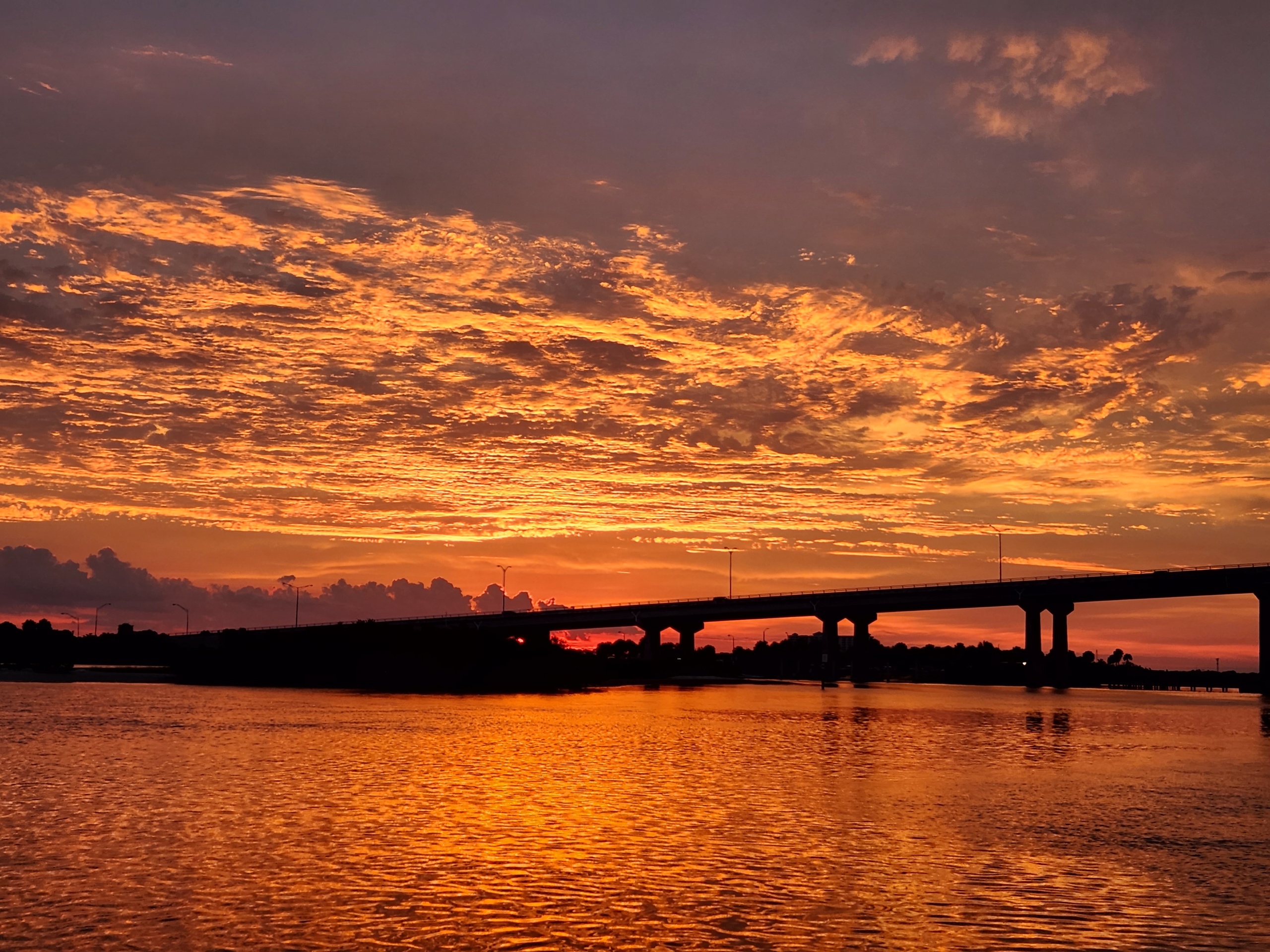
Let a local connect the landmarks.
Use a guided city, walking, or sightseeing tour to turn LA’s sprawl into a coherent story.
Explore boat tour →
Ride the coast and the city.
Beach paths, river corridors, e-bikes, and ridge climbs reveal a more connected Los Angeles.
Explore wildlife →Choose your way into South
The top 15 South Daytona adventures.
Ranked by the number of currently listed trips. Each panel opens the complete local activity collection.
Water Activities
South Daytona is a low-slung, water-scarred slice of the Halifax River estuary where flatwater paddling, surf sessions, and saltwater fishing coexist within a short drive. This guide focuses on the river-to-ocean experiences—calm estuary launches, protected mangrove skirting, and Atlantic swell access—so you can plan paddle trips, dolphin sighting cruises, chartered fishing, and surf breaks with practical — and reflective — guidance.
Explore water activities →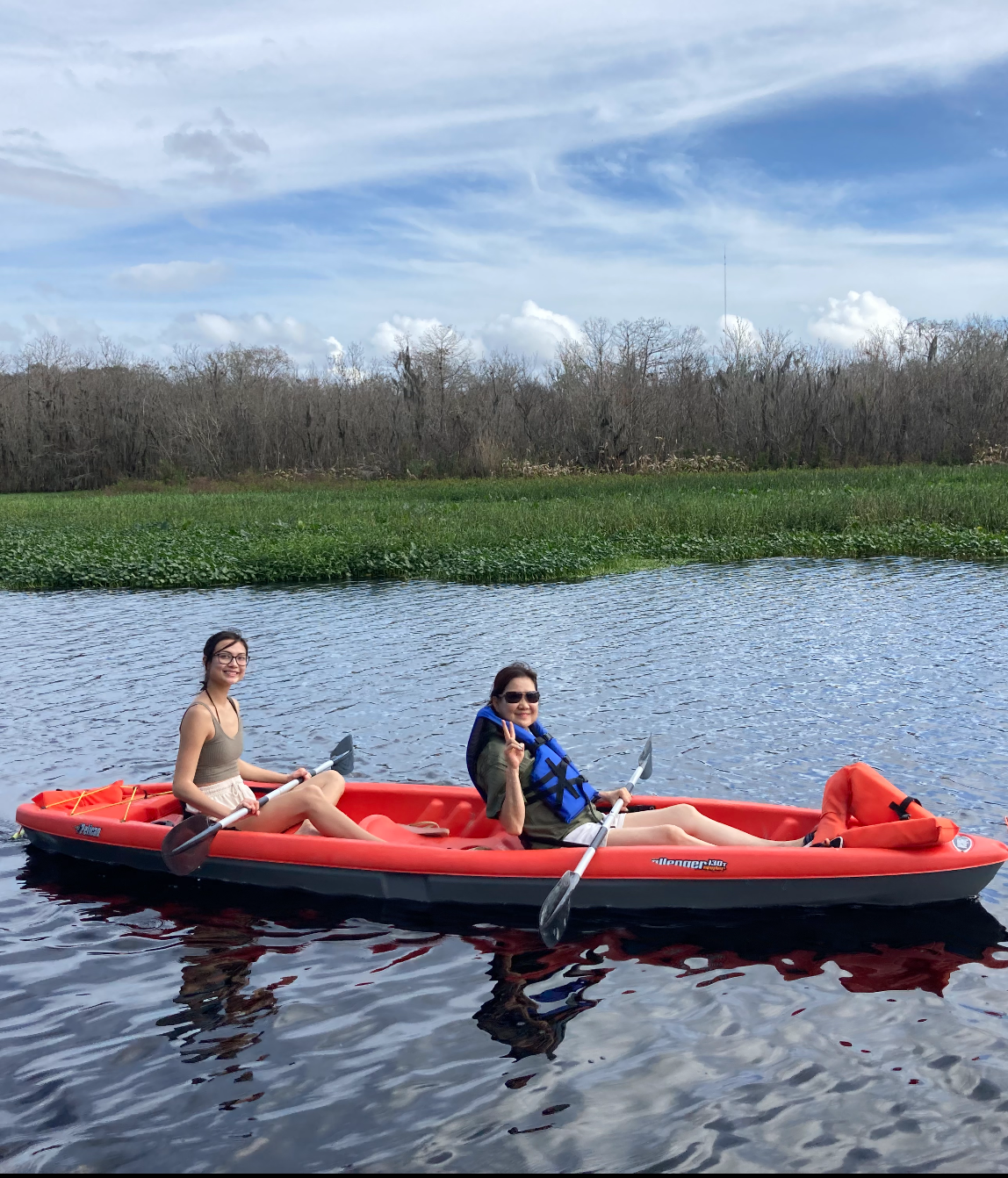 2
2Kayak
South Daytona compresses the best of Florida paddling into a tidy map: broad tidal rivers, protected estuarine marshes that funnel birds and fish, and easy access to the Intracoastal for longer coastal runs. This guide focuses on kayaking routes, launch logistics, seasonal considerations, and companion activities that make South Daytona an attainable day-trip or quiet multi-day paddle base.
Explore kayak →3Boat Tour
Halfway between Daytona Beach and Ponce Inlet, South Daytona is a low-slung, salt-scented gateway to calm estuaries, sheltered Intracoastal channels, and wide-open ocean access. Boat tours here range from glassy sunrise wildlife cruises along the Halifax River to offshore dolphin and sunset runs past the historic Ponce Inlet jetty. Expect easy launch points, shallow-water ecology, and a surprising variety of coastal birdlife—an ideal place to trade pavement for tide and horizon.
Explore boat tour →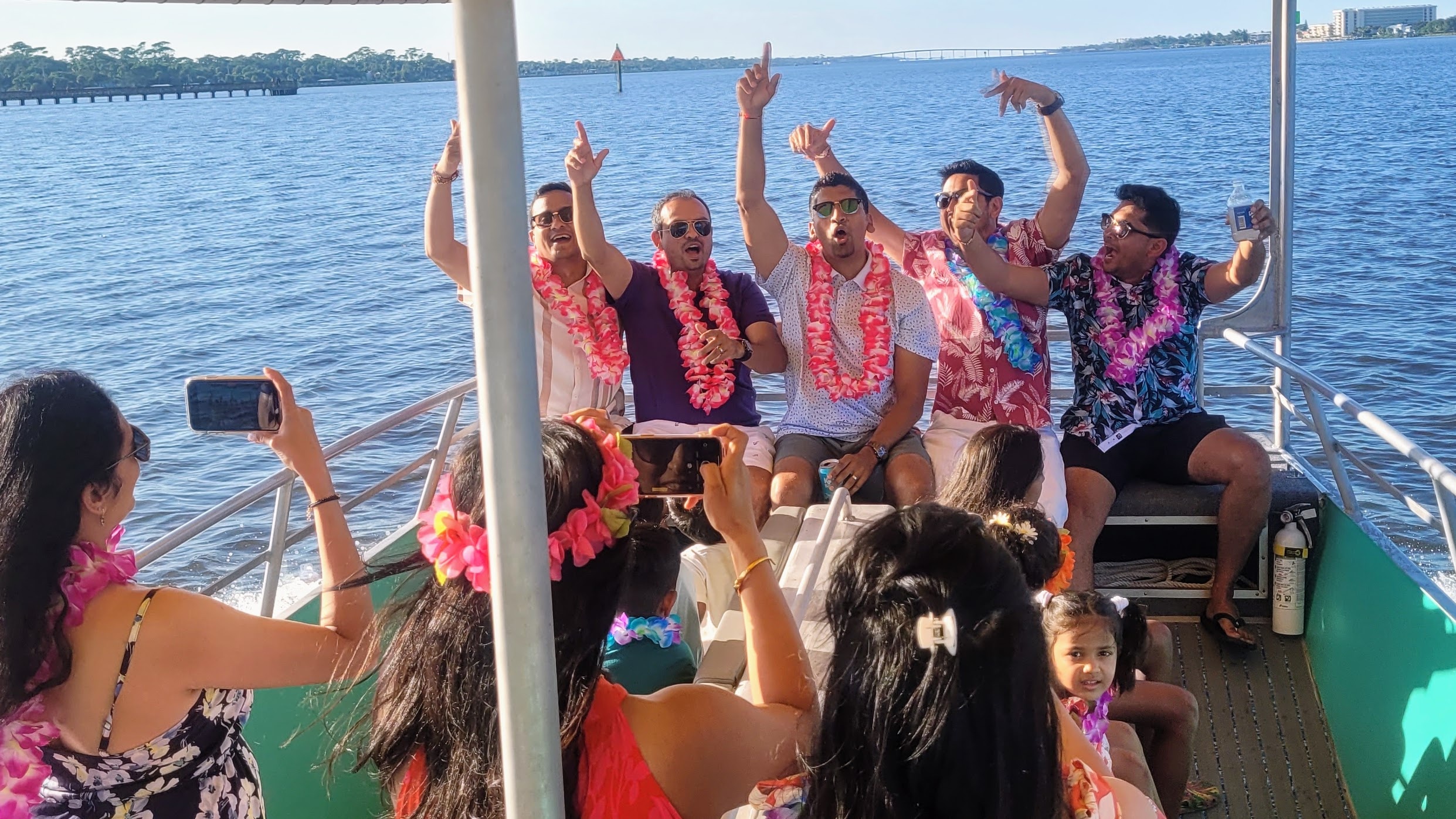 4
4Boat Rental
South Daytona puts a small-city welcome on the doorstep of big-water adventures. From gentle morning cruises through the Indian River Lagoon to skippered fishing charters and pontoon afternoons with a picnic cooler, boat rentals here unlock sheltered estuaries, salt-scented islands, and one of Florida’s most wildlife-rich waterways. This guide focuses on the on-water experience—what the terrain feels like, when the conditions cooperate, and how to choose the right craft for a half-day exploration or a full-day coastal run.
Explore boat rental → 5
5Scuba
South Daytona makes a quietly compelling base for warm-water scuba: a short slip from shore to sandy-bottom ledges, dozens of nearby artificial reefs and shipwrecks, and an estuarine edge that produces an eclectic mix of subtropical life. This guide focuses on scuba-specific logistics—where to dive, what you’ll see, and how to plan safe, responsible dives in this accessible stretch of Florida’s Atlantic coast.
Explore scuba → 6
6Eco Tour
South Daytona's eco tours fold together estuary networks, salt marshes, and quiet mangrove-lined creeks. Guided paddles, small-boat wildlife cruises, birding walks and citizen-science outings give visitors a close, low-impact way to read the coast—where sea grasses ripple in shallow water, manatees and dolphins push through tidal channels, and migratory shorebirds traffic the mudflats. This guide focuses on the eco-tour experiences themselves: what the terrain feels like beneath a paddle, when the wildlife windows open, and how to plan a responsible, season-aware visit.
Explore eco tour → 7
7SUP
South Daytona's sheltered waterways and short drives to open Atlantic breaks make it an ideal playground for stand-up paddleboarding. Expect flat-water estuary loops, wildlife-rich river paddles, and quick access to coastal surf for more adventurous SUPers.
Explore sup →8Wildlife
South Daytona is a compact coastal enclave where estuary channels, tidal marshes, and barrier-sand beaches converge to create a surprisingly rich wildlife stage. This guide focuses on wildlife experiences—shorebird and wading-bird watching, river and estuary kayak trips, dolphin and manatee encounters, and seasonal sea turtle nesting—distilling where to go, when to visit, and how to plan days that prioritize observation, safety, and low-impact adventure.
Explore wildlife → 9
9Environmental Attraction
South Daytona's environmental attractions are a coastal tapestry of estuaries, tidal creeks, mangrove stands, and salt marshes that cradle wildlife between river and ocean. Here, slow waterways and sheltered shorelines make daylong exploration intimate and immediate—ideal for paddling, birding, and the quiet study of tidal ecology that defines Florida's Atlantic coast.
Explore environmental attraction →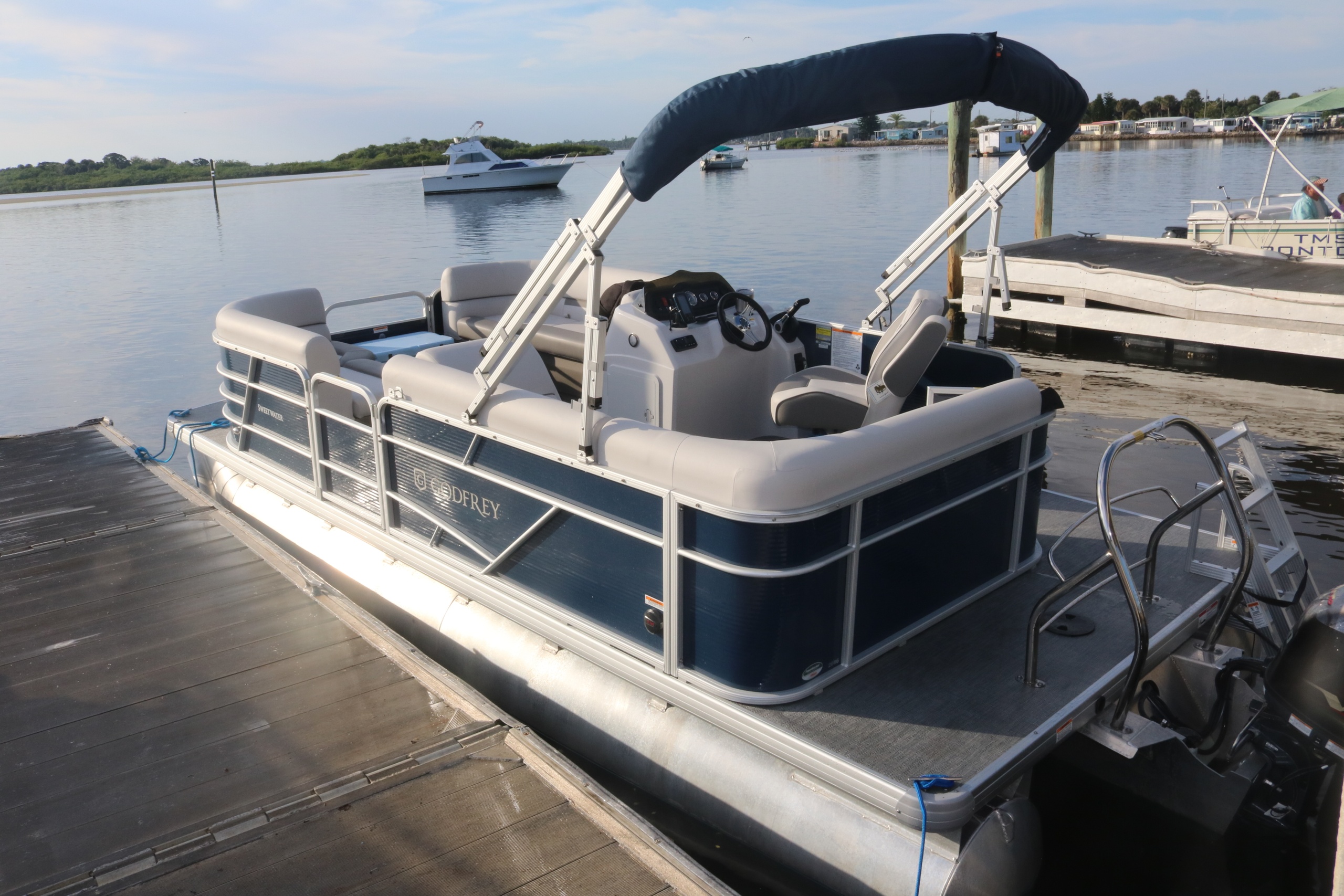 10
10Fishing
South Daytona is a compact coastline where freshwater meets the sea in a patchwork of flats, mangroves, and tidal rivers—an angler’s advantage. Close to the Halifax River and the Intracoastal Waterway, the town’s fishing lies at the intersection of easy access and ecological richness: snook and redfish cruise sheltered canals, tarpon stage in passes, and nearshore reefs hold snapper and grouper. This guide focuses on the fishing experiences that define South Daytona, from quiet bank-casting at dawn to half-day offshore trips, with practical notes on seasons, tackle, launch points, and local regulations to help you turn the idea of a day on the water into a repeatable, memorable trip.
Explore fishing → 11
11Dolphin
South Daytona sits at the meeting point of calm inland waterways and the Atlantic—an intersection that creates reliable dolphin habitat and a variety of ways to meet them: from low-key shoreline watches and guided eco-cruises to silent paddleboard approaches. This guide focuses on dolphin-centered experiences that emphasize observation, stewardship, and the practical skills travelers need to plan an ethical, memorable encounter.
Explore dolphin →Surf
South Daytona delivers an approachable Atlantic-swell experience: long sandy beaches, friendly beach breaks that suit learners and longboarders, and a surf community centered on practicality over hype. This guide focuses on surf conditions, seasonal patterns, access, and local know-how to help you catch waves without the guesswork.
Explore surf → 13
13Air Activities
Salt, wind, and wide-open sky define air activity in South Daytona. Here the barrier islands, the Halifax River, and a long Atlantic horizon form a compact playground for pilots and thrill-seekers alike. Whether you want the quiet glide of a powered paraglider over mangroves, the cinematic rectangle of a small-plane scenic flight, or the adrenaline spike of a parasail ride off a sport-fishing boat, South Daytona makes aerial perspectives easy to add to any coastal itinerary.
Explore air activities → 14
14Airboat
Skimming the grassline and low mangroves, airboats unlock a Florida few visitors expect: salt-scented marsh, curved osprey nests, and the patient gaze of alligators set against long, luminous skies. South Daytona’s access to Mosquito Lagoon, the Halifax River, and nearby creek corridors makes it an ideal base for airboat outings that blend raw, high-speed exploration with soft wildlife encounters. This guide focuses on the airboat experience—what it feels like, when to go, how to prepare, and how to layer other coastal adventures into a short itinerary.
Explore airboat → 15
15Sightseeing Tour
South Daytona condenses Florida’s coastal character into easy, low‑key sightseeing: slow river cruises past shrimp boats and mangrove fringes, guided drives through neighborhoods that still feel like Old Florida, and short nature excursions into saltmarsh and estuary habitat. These tours trade adrenaline for intimacy—close views of shorebirds, historic houses, and the working waterways that shape daily life here.
Explore sightseeing tour →The city and the sea
Why South Daytona Deserves a Spot on Your Coastal Itinerary
Variety without surrendering the day to long transfers.
Sand, mangroves, and an attitude that privileges the water: South Daytona is the kind of place where morning decisions are simple—kayak or SUP?—and afternoons are measured in tides and the scatter of gulls over the Halifax River. A short drive from Ponce Inlet’s lighthouse and the offshore reef systems, this stretch of coast blends urban-adjacent convenience with a surprisingly rich wild side. Historic shipping channels and tucked-away coves shelter manatees, rays, and the dolphin pods that make the classic boat tour worth the price of admission. Eco tours and environmental attractions place a premium on quiet observation, while boat rentals and fishing charters let you turn curiosity into a full day on the water. For travelers who want more than a postcard, South Daytona offers layered choices: a sunrise paddle along a sheltered creek; an afternoon scuba or snorkel run to the reefs off Ponce Inlet; an evening spent chasing shorebreaks at nearby surf spots. Air activities—think scenic flights that trace the coastline—add a different scale to the landscape, while airboat excursions and guided eco tours pull you inland to meet the freshwater systems that feed the estuaries. Local outfitters make the transition from beginner to confident quickly. You can rent a kayak or book a guided kayak tour to learn the estuaries, drop into a boat rental for a self-guided afternoon, or sign up for a dolphin-spotting sightseeing tour with crews who read the water like a map. Practicalities lean in your favor here: short drives between put-ins, plentiful boat ramps, and a season that’s friendly for most outdoor activity. Yet the place rewards patience—opt for quieter midweek windows or shoulder-season mornings and the wildlife payoff is higher: fishing lines tug at unexpected bounty, shorebirds parade along sandbars, and reefs reveal anemones and reef fish in calm, clear water.
Local access is a major asset: multiple launch points on the Halifax River and the Intracoastal Waterway keep trips flexible. Outfitters in and around South Daytona offer everything from SUP lessons to guided scuba charters and full-day fishing trips, which makes it straightforward to match skill level with experience—whether you’re after a family-friendly boat tour or a technical drift dive off the inlet.
The human side matters here too. After a morning of water activities you can ease into restaurants and coffee shops that cater to travelers and anglers alike. Combine practical planning—check tides, book a guide for unfamiliar dives or surf outings, stow sun protection—with relaxed pacing and the result is a coastal trip that feels both adventurous and entirely doable.
Conditions shape the day
The best time to visit South Daytona.
Florida’s cool-dry season (late fall through spring) offers mild air temperatures, lower humidity, and calmer seas—ideal for kayaking, SUP, and boat-based wildlife viewing. Summer brings warm water and afternoon thunderstorms; plan early starts and keep an eye on lightning.
Best all-around window
Spring + fall
Comfortable mixed-itinerary weather, thinner crowds at beaches and lookouts, and more room to improvise.
Beach season
Late winter to early spring draws beachgoers and boaters; book scuba charters and guided eco tours in advance during this window.
Surf + whales
Summer weekdays often have fewer crowds and more affordable rates for boat rentals and tours, but expect heat, humidity, and more frequent storm interruptions.
Coast to inland
Cool marine mornings often give way to warmer inland afternoons and breezy evenings.
Beginner
Gentle paddles along sheltered creeks and slow-moving river stretches, short boat tours, and supervised SUP sessions are perfect for newcomers.
- Guided kayak tour through a calm estuary
- Short sightseeing tour for dolphin and bird viewing
- Stand-up paddle session on a protected stretch of the Halifax River
Intermediate
Longer paddles against tidal current, reef snorkeling or shallow scuba dives, and light wind SUP sessions that require basic boat-handling or paddling skills.
- Self-guided kayak loop using local put-ins and tide planning
- Boat rental for reef snorkeling and shallow scuba introductions
- Half-day fishing charter targeting inshore species
Advanced
Offshore scuba, surf sessions at exposed breaks, technical drift dives, and longer coastal crossings that demand equipment familiarity and strong situational awareness.
- Open-water scuba charter to deeper reef sites
- Surf trip to local breaks at higher swell
- Air activities such as low-altitude scenic flights for coastline reconnaissance
Field kit
What to bring.
Pack for sun, salt water, walking, and a meaningful temperature swing between coast and inland South.
Essential
Start here
- USCG-approved life jacket for each person (required for many rentals)
- Sun protection: water-resistant sunscreen, hat, and sunglasses
- Waterproof phone case or dry bag
- Hydration and high-energy snacks
- Basic first-aid and seasickness remedies if you’re prone
Water days
Keep it dry
- Light wind layer for mornings and evening boat rides
- Water shoes for rocky or shelled shorelines
- Tide chart or tide-aware app for planning paddles and fishing
- Reef-safe sunscreen for scuba and snorkeling trips
Long days
Stay flexible
- Binoculars for shorebird and dolphin spotting
- Compact camera with float or tether
- Quick-dry towel and change of clothes for after-water comfort
Insider note
Start early, then keep the geography tight.
Start early to beat heat and afternoon storms—mornings often offer the calmest water for kayak, SUP, and scuba launches. When planning fishing or sensitive-wildlife outings, opt for licensed guides who know seasonal patterns and protected zones. If you rent a boat, confirm no-wake zones and launch procedures at the ramp. For eco tours, bring quiet curiosity: binoculars, a low profile, and patience often reveal more seabirds, manatees, and dolphin behavior than noisy approaches. Finally, favor reef-safe sunscreens and pack out what you pack in; the coastline’s health depends on small, consistent choices.
Good to know
Frequently asked questions.
Do I need a guide for wildlife viewing or kayaking?
No for simple paddles in calm sheltered waters—many launch points are beginner-friendly. A guide is recommended for unfamiliar estuaries, night or low-light trips, offshore scuba, or when you want structured wildlife interpretation.
Is it safe to swim near the inlet or beaches?
Designated swimming areas are generally safe but be mindful of rip currents near inlets and surf zones. Always obey local flags and signage, and ask outfitters about current conditions before entering the water.
What permits or rules should I know for fishing and boating?
Fishing generally requires a Florida saltwater fishing license for residents and non-residents. Follow local rules for catch limits and protected species; boaters must adhere to U.S. Coast Guard safety equipment requirements and posted speed or wake restrictions in no-wake zones.
Ready when you are
Find the trip that fits your South Daytona day.
Compare bookable experiences across the coast, city, and mountains—then save the ones that belong in your plan.
Explore all South Daytona adventures ↗