3

Kayak South Daytona: Estuaries, River Runs & Coastal Paddle Routes

South Daytona, Florida

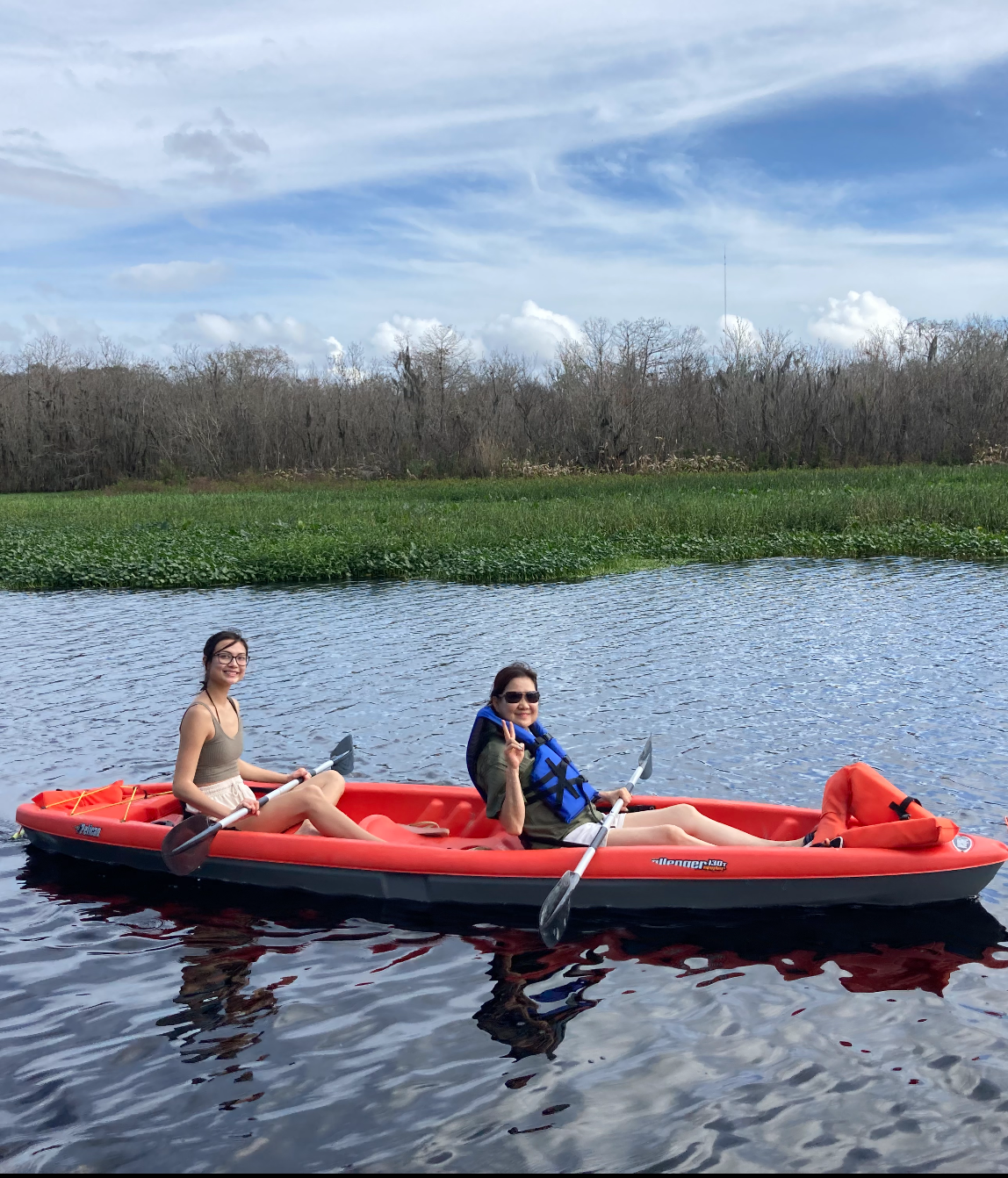
South Daytona compresses the best of Florida paddling into a tidy map: broad tidal rivers, protected estuarine marshes that funnel birds and fish, and easy access to the Intracoastal for longer coastal runs. This guide focuses on kayaking routes, launch logistics, seasonal considerations, and companion activities that make South Daytona an attainable day-trip or quiet multi-day paddle base.

57
Activities
Year-Round
Best Months

Top Kayak Trips in South Daytona

57 trips • Book with confidence • Instant confirmation

Why South Daytona Is a Standout Kayaking Destination

South Daytona is an invitation to slow water. Here the Atlantic’s pulse has been filtered through barrier islands and salt-marsh fingers so paddlers move through a landscape designed for low-and-slow travel: broad, sheltered rivers, maze-like creeks, and long, languid estuaries that host migrating birds, manatees, and seasonal bait runs. The Halifax River—part of the Intracoastal Waterway—threads the region, offering long, navigable stretches that read like a kayak highway for anyone who wants to build distance without committing to open-ocean conditions. Interwoven with that are smaller tributaries and marsh channels that reward careful exploration: tight, narrow cuts lined with cordgrass, oyster bars, and mangrove roots where shorebirds and juvenile fish stage and hide.

Paddling here is both practical and cinematic. Launch in the soft light of morning when the water is glass and the nearest fishing boats are still at their slips; watch the long shadows of herons and egrets cast across the surface. In summer, afternoons bring a breeze off the ocean and the occasional rain cell that can slice the water into a choppy series of whitecaps—perfect for experienced paddlers seeking a little spice. Winter and spring compress a different rhythm: migrating waterfowl, larger schools of baitfish, and cooler, friendlier air for half-day loops. For people who favor wildlife over waves, South Daytona offers concentrated encounters without the long drives that characterize other Florida paddling destinations.

Beyond the water itself, the cultural and logistical context matters. South Daytona’s low-lying built environment keeps launch points accessible; public boat ramps, city parks on the Halifax River, and nearby rental outfitters make an easy day out of a downtown-to-marsh paddle. If you want to expand the trip, the Intracoastal opens routes north toward Daytona Beach and south toward Port Orange and beyond, connecting a string of coastal towns with predictable navigation markers. Complementary activities—stand-up paddleboarding in calmer channels, shore fishing from quiet estuary sandbars, bicycling the scenic river roads—pair naturally with a kayak-based itinerary.

The environmental story is subtle but present: salt marshes and mangroves are resilient yet vulnerable ecosystems that rely on responsible paddling. Keep distance from nesting and roosting birds, avoid dragging boats over oyster bars, and use established launch points to minimize trampling of shoreline vegetation. Tide and wind shape each day’s experience; a plan built around tide charts and an eye on the weather will turn a good paddle into a great one. For paddlers who want a mix of easy-access routes and more exploratory side-channels, South Daytona is a remarkably accommodating place to learn, practice, and return again and again.

The Halifax River and adjacent Intracoastal Waterway create a forgiving, navigable network for paddlers of all levels—long straight runs for building mileage and narrow creeks for wildlife spotting.

Wildlife is a central attraction: manatees in cooler months, shorebirds and wading birds year-round, and an abundance of estuarine fish life close to oyster bars and salt marsh edges.

Logistics are straightforward: public ramps, city parks, and nearby outfitters reduce friction for visitors. Pair a morning paddle with a town-side coffee stop and you have a full, low-effort adventure day.

Activity focus: Kayaking & Estuary Exploration
57 kayak-specific trips and experiences in the immediate region
Routes range from short wildlife loops to multi-mile Intracoastal runs
Tide, wind, and boat traffic on the Intracoastal are key planning variables
Wildlife viewing (manatees, wading birds) is best in calm, low-wind conditions

Best Time to Visit

Best Months

MarchAprilMayOctoberNovember

Weather Notes

Spring and fall offer the most temperate paddling—calmer winds and moderate temperatures. Summer brings heat, higher humidity, and afternoon thunderstorms; winter is cooler and often excellent for birding and manatee sightings.

Peak Season

Spring migration and early fall are popular for wildlife and comfortable weather.

Off-Season Opportunities

Summer mornings can be quiet and warm for early paddles; winter offers clearer skies and concentrated wildlife viewing with lower humidity.

Frequently Asked Questions

Do I need a permit to kayak in South Daytona?

Most public waterways do not require a kayak-specific permit. Some state parks or protected areas with managed launches may charge parking or entry fees—check the specific launch site before you go.

Are there rentals and guided tours available?

Yes. Local outfitters and nearby towns offer rentals and guided wildlife or eco-tours; availability varies seasonally so book ahead for weekends and holidays.

How do tides and wind affect paddling here?

Tides influence current strength in tidal creeks and the Halifax River—plan routes around slack or favorable tides for easier paddling. Wind can make open Intracoastal stretches choppy; pick protected channels on breezy days.

Choose Your Experience Level

Beginner

Short, sheltered loops through wide channels and protected marsh edges where boat traffic is light and navigation is straightforward.

  • Half-day estuary wildlife loop
  • Calm morning paddle on a protected channel
  • Introductory guided kayak wildlife tour

Intermediate

Longer outward-and-back runs on the Halifax River or Intracoastal with minor currents and occasional boat wakes; requires basic navigation and comfort handling wakes.

  • Multi-mile Intracoastal day run
  • Estuary route linking multiple launch parks
  • Evening paddle timed for golden light and bird activity

Advanced

Extended coastal crossings, long-distance mileage on the Intracoastal with exposure to wind and higher boat traffic, or technical creek exploration at low tide requiring precise route-finding.

  • Full-day coastal linking paddle to neighboring towns
  • Tidal-challenged creek exploration at low tide
  • Self-supported overnight kayak camping trip (where permitted)

Insider Tips & Local Knowledge

Confirm launch access, parking rules, and local advisories before you go.

Launch at first light for the calmest water and best wildlife watching. Check tide charts and wind forecasts—an hour of slack tide can make a major difference in effort on narrow channels. Use public ramps and established put-ins to protect marsh edges and oyster beds; avoid dragging boats across exposed flats. On Intracoastal stretches keep to right-of-way rules and stay visible to powerboaters—consider a bright hull or flag. If you want to see manatees, paddle slowly in cooler months and give animals wide berth. Bring reef-safe sunscreen and pack out gear and trash. When in doubt, ask a local outfitter for recent conditions and route suggestions—locals will often point you to quieter creeks and the best times to see migratory birds.

What to Bring

Essential

  • USCG-approved life jacket (wear it)
  • Dry bag for phone, keys, and layers
  • Hydration (1–2 liters per person for half-day trips)
  • Sun protection: hat, polarized sunglasses, reef-safe sunscreen
  • Tide and wind information (apps or printed chart)

Recommended

  • Bilge pump or sponge for sit-on-top kayaks
  • Waterproof phone case and spare battery
  • Light, compact first-aid kit
  • Light windbreaker or spray shell for breezy conditions
  • Map or waypoints for longer Intracoastal runs

Optional

  • Camera with telephoto lens for birding
  • Binoculars for estuary wildlife viewing
  • Small anchor or stake for fishing from the kayak
  • Towel and change of clothes

Ready for Your Kayak Adventure?

Browse 57 verified trips in South Daytona with instant booking

Explore Top 15 South Daytona, Florida Adventures →