
Shelburne adventure guide
Find your way into Shelburne.
Shelburne trades big-city neon for crisp air and a compact roster of possibilities—winter tracks one day, a kayak put-in the next. This guide organizes the town’s best short escapes and full-day plans into clear choices for hikers, paddlers, anglers, skiers, and anyone who values a well-packed day outside.
Three ways into the city
Pick a landscape. Build a day around it.
Shelburne is less a single destination than a collection of neighboring worlds. Start with the version of the city that matches your pace, then use the ranked guide below to fill in the details.

Begin where the city meets the sea.
Surf breaks, sheltered harbors, whale routes, and long beach paths make the coast LA’s most immediate outdoor playground.
Explore water activities →
Let a local connect the landmarks.
Use a guided city, walking, or sightseeing tour to turn LA’s sprawl into a coherent story.
Explore bike tour →
Ride the coast and the city.
Beach paths, river corridors, e-bikes, and ridge climbs reveal a more connected Los Angeles.
Explore bike rental →Choose your way into Shelburne
The top 15 Shelburne adventures.
Ranked by the number of currently listed trips. Each panel opens the complete local activity collection.
 1
1Winter Activities
Shelburne, perched in northern New Hampshire's Great North Woods, is a quietly confident winter place: not flashy like a resort town, but rich in rolling, forested terrain, long-standing snowmobile trails, and wide-open ice for anglers. This guide focuses on the winter seasons you can build here—cross-country and backcountry skiing, snowshoe loops, snowmobiling, ice fishing, fat-biking, and low-elevation winter hiking—plus the practical planning notes travelers need for a safe, satisfying trip.
Explore winter activities → 2
2Ski
Shelburne condenses the pleasures of New England winter into short drives, accessible slopes, and quiet trails. This guide focuses on skiing—groomed runs for families, classic nordic loops, and nearby backcountry options—framing practical planning with a sense of place: small-town hospitality, crystalline air, and a landscape that rewards early starts and patient snow-chasing.
Explore ski →3Water Activities
Shelburne's water playground reads like a lesson in New England hydrology: quiet backwater coves, cold clear streams threading spruce and birch, and long river flats that open to wide horizons. For paddlers, anglers, swimmers, and cold-weather anglers, Shelburne delivers approachable access and a strong sense of remoteness—just a short drive from small-town services. This guide focuses on the water activities that define the area, with practical notes on seasonality, access, and what to expect from each experience.
Explore water activities → 4
4Boat Rental
Shelburne’s water access is quietly varied: mirror-flat ponds at dawn for solo paddles, steady rivers that reward a day of exploration, and open-water sections suited to small motorboats and pontoons. This guide focuses on renting the right craft—canoes, kayaks, SUPs, and small powered boats—and the practical decisions that shape a successful day on the water, from launch logistics to wind windows, safety briefings, and leave-no-trace shoreline etiquette.
Explore boat rental → 5
5Lodging
Shelburne is the kind of New England town where lodging itself feels like travel: farmhouses converted into guest rooms, riverside cabins with wood stoves, and family-run inns that have hosted generations of outdoorspeople. This guide focuses on where to lay your head after a day of paddling, hiking, birding, or cross-country skiing in the surrounding forests. Expect quiet nights, regional cuisine where available, and easy access to trails and waterways rather than resort-style amenities. Use this guide to compare stays by experience—rustic cabins, B&Bs, farmstays, and accessible inns—and plan the season and gear needed for the best trip.
Explore lodging → 6
6Fishing
Shelburne is a quietly magnetic place for anglers who prize solitude and simple watercraft — a town where early mornings on still ponds and braided forest streams outnumber crowds. This guide zeroes in on fishing experiences: bank and wading options for beginners, thoughtful fly-fishing stretches for purists, and small-boat outings that target largemouth, brook trout, and seasonal warm-water species. Expect rustic access, changing water levels, and a strong local ethic of stewardship.
Explore fishing →7Bike Tour
Shelburne’s bike tours stitch together farm roads, river valleys, and low ridgelines into compact loops that feel remote but are easily accessed from small-town hubs. Expect a mix of paved quietways, packed dirt, and punchy climbs that reward riders with classic northern-New-England vistas, seasonal color, and a deep sense of solitude. This guide focuses strictly on cycling experiences—road, gravel, and e-bike-friendly routes—plus tips on seasonality, gear, and sensible planning for exploring Shelburne on two wheels.
Explore bike tour →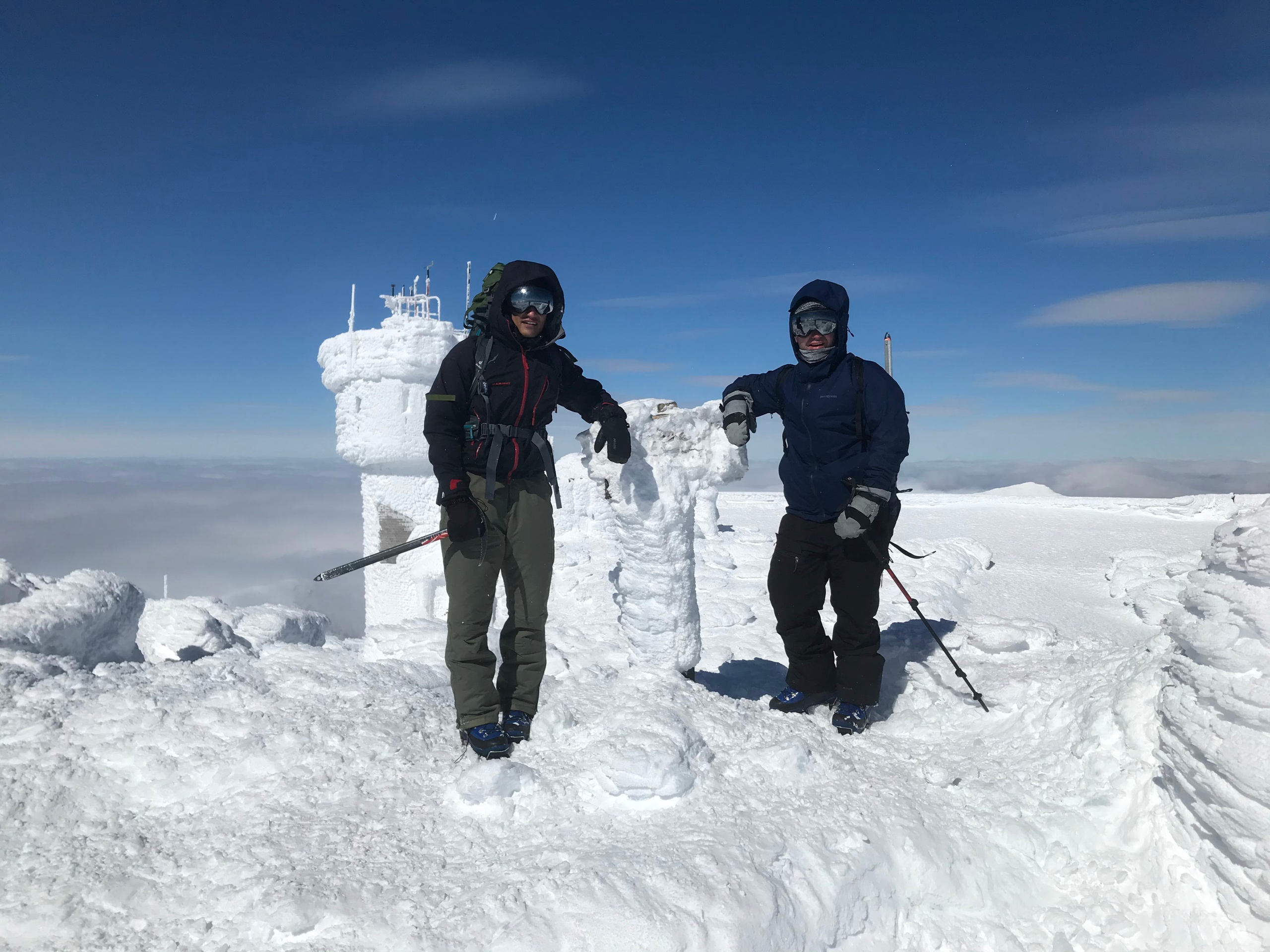 8
8Climbing
Shelburne’s climbing scene is compact but varied: a string of granite faces, river-cut cliffs, and sheltered gullies that together support sport lines, traditional routes, bouldering problems, and winter ice. With eleven mapped areas within a short drive or walk of the village, the town is a pragmatic base for climbers who want quick access to rugged northern New England rock without the longer approaches of the high peaks.
Explore climbing →9Bike Rental
Shelburne’s bike rental scene is defined less by neon storefronts and more by a handful of locally run outfitters and community-minded operators who outfit visitors for the region’s mellow country lanes, gravel backroads, and nearby singletrack. Renting a bike here is about choosing the right machine for a day of riverside cruising, a gravel loop through working forestland, or an exploratory e-bike ride that extends comfortable range into the foothills of the White Mountains.
Explore bike rental →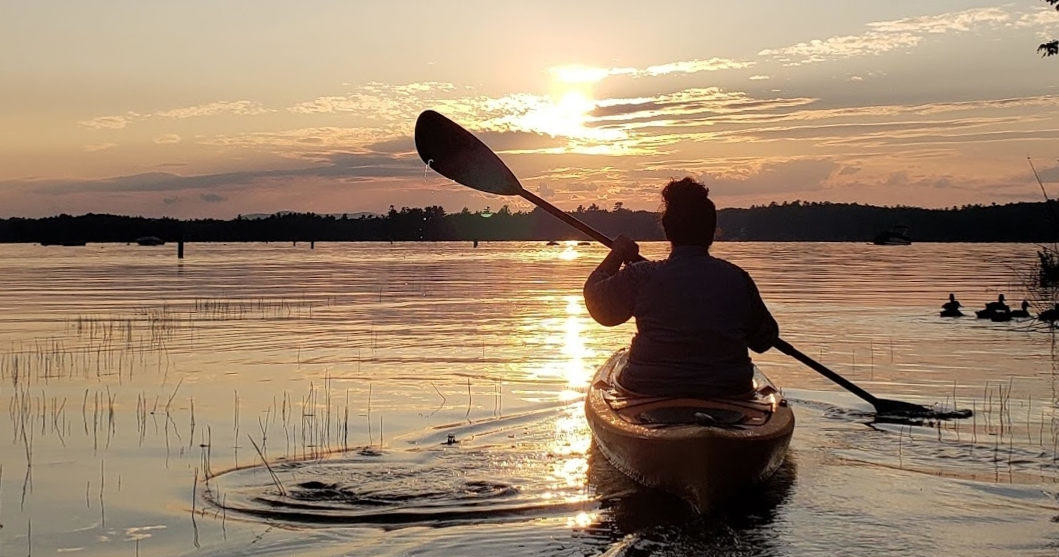 10
10Kayak
Shelburne’s paddling story is understated: narrow river bends, mirror-flat ponds, and frenetic spring runoffs tucked into a working-forest landscape. Kayakers come here for introspective morning glides past beaver lodges, day trips where loons call from open water, and shelf-quiet afternoons when the wind dies and the shoreline opens like a private gallery. This guide focuses on paddling opportunities within and immediately around Shelburne—flatwater touring, easy river runs with mild current, short portage options, and paddles that pair well with fishing, birding, and low-key backcountry camping.
Explore kayak →11Snowmobile
Shelburne sits at the quiet edge of New Hampshire’s winter country — a place where snowmobiling is less about spectacle and more about sustained, intimate time on white trails. This guide focuses solely on snowmobile experiences: from short groomed loops that are perfect for a first ride to long ridge approaches and backroad connectors that link rural towns. Expect cold-clear days, tree-lined corridors, wide open farm fields converted to winter highways, and trail systems cared for by local clubs. Practical planning, seasonal awareness, and respect for multi-use access are the keys to a successful trip.
Explore snowmobile → 12
12Eco Tour
Shelburne's scale is small but its ecological stories are deep. Eco tours here trade high drama for nuance: slow boat trips across quiet ponds, guided walks through ash-and-maple wetlands, and afternoons listening for warblers at the edge of a forest field. These experiences reward patience and curiosity—ideal for travelers who want to connect to New England's seasonal rhythms, local stewardship, and the quiet work of conservation that shapes everyday life in rural towns.
Explore eco tour → 13
13Hiking
Shelburne is a small, quiet gateway to northern New Hampshire hiking—low-lying ridges, spruce-fringed summits, and river corridors shaped by seasonal weather. This guide focuses on day hikes and short backcountry routes that showcase the local terrain: mixed hardwood forests, peatlands, exposed ledges, and accessible overlooks that are perfect for half-day explorations and family outings.
Explore hiking → 14
14Boat Tour
Shelburne’s boat tours lean into stillness—slow mornings of glassy water, shorelines threaded with pines, and an easy rhythm that invites you to look longer. These curated outings range from short scenic cruises that introduce the local ecology to half-day excursions that chase birds, coves, and fall color. Whether you’re after wildlife watching, photographic light, or the simple joy of being afloat, Shelburne’s trio of boat tours offers a small but distinct window into New England watercraft culture and the landscapes that shaped it.
Explore boat tour → 15
15Train
Shelburne's train experiences are less about rapid transit and more about a slow, deliberate passage through the North Country — a measured glide past river bends, farm fields, and forested ridges that change color with every season. Whether the route is a short heritage run from a restored depot or a longer scenic excursion that connects remote trailheads, train travel here is an invitation to experience the landscape at walking pace from a new vantage. These rides pair naturally with outdoor pursuits: disembark for a riverside hike, bring a bike for a rail-access loop, or schedule a paddle at a nearby lake after a morning trip. For travelers who appreciate photography, history, and the rhythms of rural New England, Shelburne's rail offerings are a practical and evocative way to explore the region.
Explore train →The city and the sea
Why Shelburne Belongs on Your Adventure Shortlist
Variety without surrendering the day to long transfers.
Shelburne is the kind of small New England place that rewards attention. It isn’t a single headline attraction so much as a braid of experiences—winter trails groomed for snowmobile loops and cross-country skis, compact lakes that invite kayaks and boat rentals on calm mornings, and river corridors that quietly hold bluegill and trout for patient anglers. You can time your visit for powder and snowmobile tracks or for the warm, long days when boat tours and kayak outings stitch together shoreline viewpoints. The practical appeal is immediate: short distances between pursuits let you stack activities. Start a day with a brisk hike on a local trail that finishes at a vista, shift to a morning of fishing or a guided kayak outing, then trade layers for insulated gear and sample the town’s lodging and warming spots. That versatility makes Shelburne ideal for mixed-skill groups: anglers and families can share time with more ambitious riders or climbers who want quick access to nearby crags and boulder fields. For cyclists, there are options from bike rental for a relaxed loop to bike tour routes that thread quiet side roads and farm lanes. Shelburne’s seasonal rhythm is part of the story. Winter activities define the town for many—skiing within reach, snowmobiling across groomed corridors, and the hush of snowy woodlands. Spring and fall are about rivers and forests coming alive or turning slow-gold; those months are ideal for hiking, eco tours, and photography. Summer opens the water: boat rental and boat tours on placid lakes, easy kayak tours for families, and shoreline fishing at dawn. Given the range—ski, snowmobile, hiking, kayak, fishing, boat rental, climbing—the town functions as a compact hub where you can mix motorized and non-motorized pursuits without long transfers. Practicalities matter here. Outfitters in and around town simplify planning with rentals and local knowledge: tide and lake conditions, trail status, and where to safely swim or launch. Guides are a smart choice for whitewater or technical climbing, but many of Shelburne’s best experiences—gentle water activities, beginner hikes, a scenic bike tour—are accessible without one. If you approach the town with a flexible itinerary—half a day on the water, half a day on a ridge—you’ll leave with a sense of range rather than having seen it all in passing. That mix of accessibility and options is why travelers who like to assemble their own days on the fly keep Shelburne on their shortlists.
Access is compact: short drives connect lakes, rivers, and trailheads. Local outfitters help with kayak and bike rental, while seasonal operations list lodging and guided options for winter activities and ski shuttles.
Shelburne’s scale is a feature. You won’t find long queues for trailheads, and evenings can be spent swapping trip notes over local food. For multiday stays, use the town as a low-key base for day trips that range from peaceful eco tours to more active boat tours and climbing sessions.
Conditions shape the day
The best time to visit Shelburne.
Summer brings warm water and stable days for boating and kayak outings; afternoons can have brief thunderstorms. Spring and fall are ideal for hiking, fishing, and eco tours with cooler temperatures. Winter supports skiing and snowmobiling—expect cold, crisp conditions and the need for winter layering.
Best all-around window
Spring + fall
Comfortable mixed-itinerary weather, thinner crowds at beaches and lookouts, and more room to improvise.
Beach season
Summer weekends and holiday periods around winter holidays are the busiest.
Surf + whales
Late fall and early spring offer quieter trails and lower rates for lodging; winter weekdays can be ideal for groomed snowmobile routes and cross-country skiing with lighter crowds.
Coast to inland
Cool marine mornings often give way to warmer inland afternoons and breezy evenings.
Beginner
Short, well-marked trails, calm lakes for beginner paddling, and gentle bike loops are ideal entry points.
- Beginner-friendly paddle on a small lake
- Short lakeside hike with minimal elevation
- Leisurely bike rental loop around town roads
Intermediate
Longer day hikes, guided kayak tours in exposed conditions, and multi-hour bike tours on varied surfaces.
- Half-day kayak tour that includes shoreline exploration
- Moderate bike tour along country roads and gravel
- Morning fishing trip with a local guide
Advanced
Technical climbing, long winter backcountry days, or full-day mixed-discipline itineraries requiring strong navigation and fitness.
- Technical crag climbs or multi-pitch routes with a rope team
- Extended snowmobile loops and backcountry ski approaches
- Full-day bike tour with off-road singletrack sections
Field kit
What to bring.
Pack for sun, salt water, walking, and a meaningful temperature swing between coast and inland Shelburne.
Essential
Start here
- Layered clothing suited for quick temperature swings
- Water bottle and high-energy snacks
- Sturdy footwear for wet rock and forest trails
- Basic first-aid kit and blister care
- Phone with offline maps and a charged power bank
Water days
Keep it dry
- Light rain shell for summer storms
- Insulating midlayer for cold mornings and winter outings
- Wading shoes or sandals for kayak and lake days
- Small dry bag for keys, wallet, and phone
Long days
Stay flexible
- Binoculars for shorebird and lake viewing
- Trekking poles for uneven trail sections
- Compact repair kit for bikes
- Action camera with float tether
Insider note
Start early, then keep the geography tight.
Start early to beat heat and wind on lakes, and to find quieter trailheads. After heavy rain, favor gravel roads and lakes over small streams to minimize erosion and safety hazards. For winter trips, check snowmobile corridor maps and ski-area updates before heading out. Local outfitters are the quickest way to learn about current water levels for kayaking, best sections for fishing, and where to rent gear. Respect private property near launch points and use designated parking and access areas. Pack layers, plan for changing conditions, and carry a basic repair and first-aid kit for mixed days.
Good to know
Frequently asked questions.
Can I do most activities without a guide?
Yes for many pursuits such as day hikes, flatwater kayaking, and casual fishing. Hire a guide for technical climbing, whitewater, or if you want local scouting for the best conditions.
Are boat launches and kayak put-ins public?
Many are public or managed by local agencies, but some shoreline access points are private or require a small fee. Check with local outfitters or town resources for the nearest public launches and any seasonal restrictions.
What’s the best way to combine activities in one day?
Plan a morning activity that benefits from cooler temperatures—hiking or fishing—then shift to a water-based afternoon like kayak touring or a boat rental. For winter trips, alternate on-snow activities with warm-up stops and keep gear layered.
Ready when you are
Find the trip that fits your Shelburne day.
Compare bookable experiences across the coast, city, and mountains—then save the ones that belong in your plan.
Explore all Shelburne adventures ↗